Direct Answer / Key Takeaway: Use usable lanes, product spacing and verified chamber travel time to estimate a conveyor pizza oven‘s geometric output, then compare the complete pizza workflow.
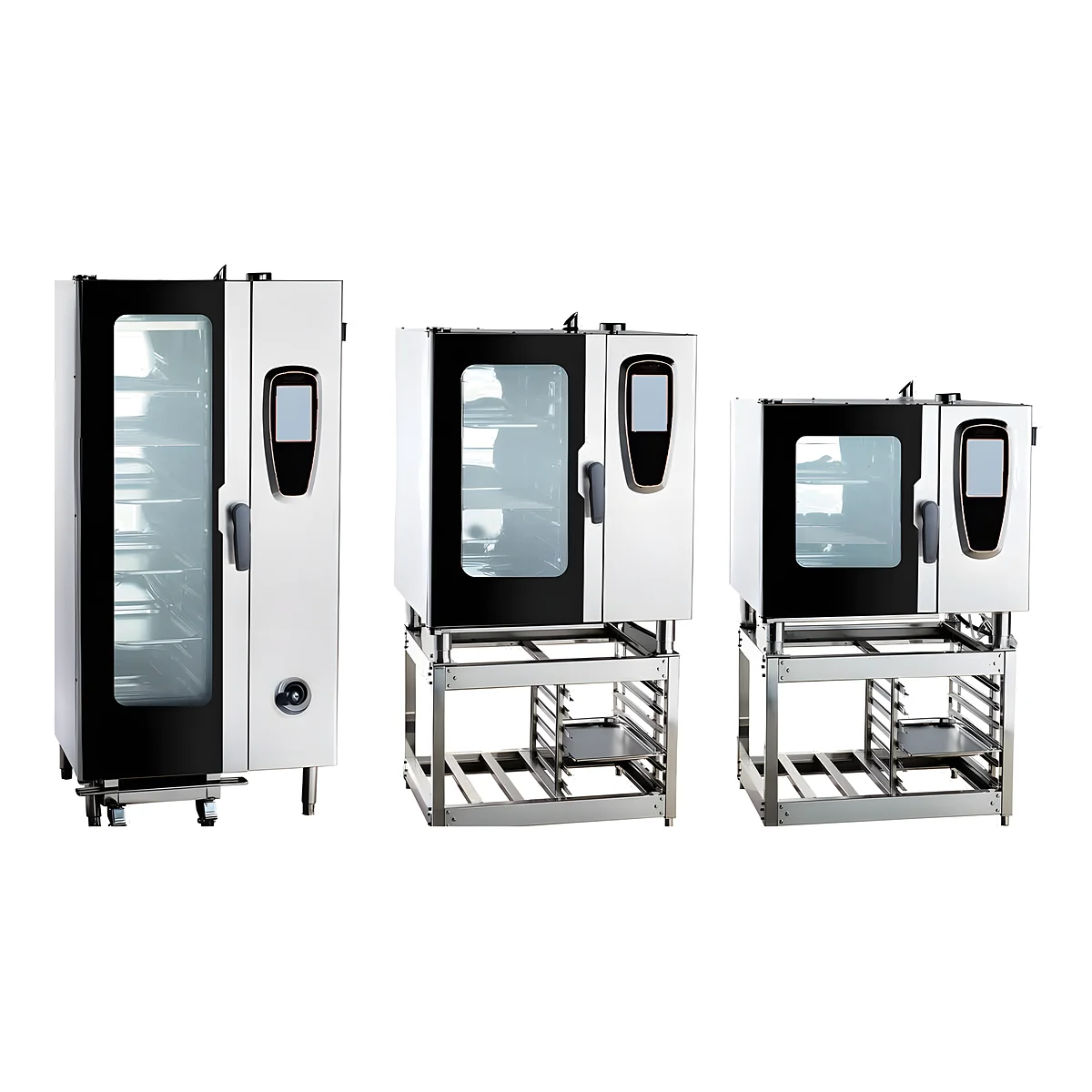
A conveyor oven's belt width does not tell you how many pizzas can be served in an hour. The useful starting point is the interval between successive pizzas in each usable lane, with the recipe's accepted travel time preserved. Calculate that geometry before evaluating the gaps created by preparation and finishing.
Use the heated travel length
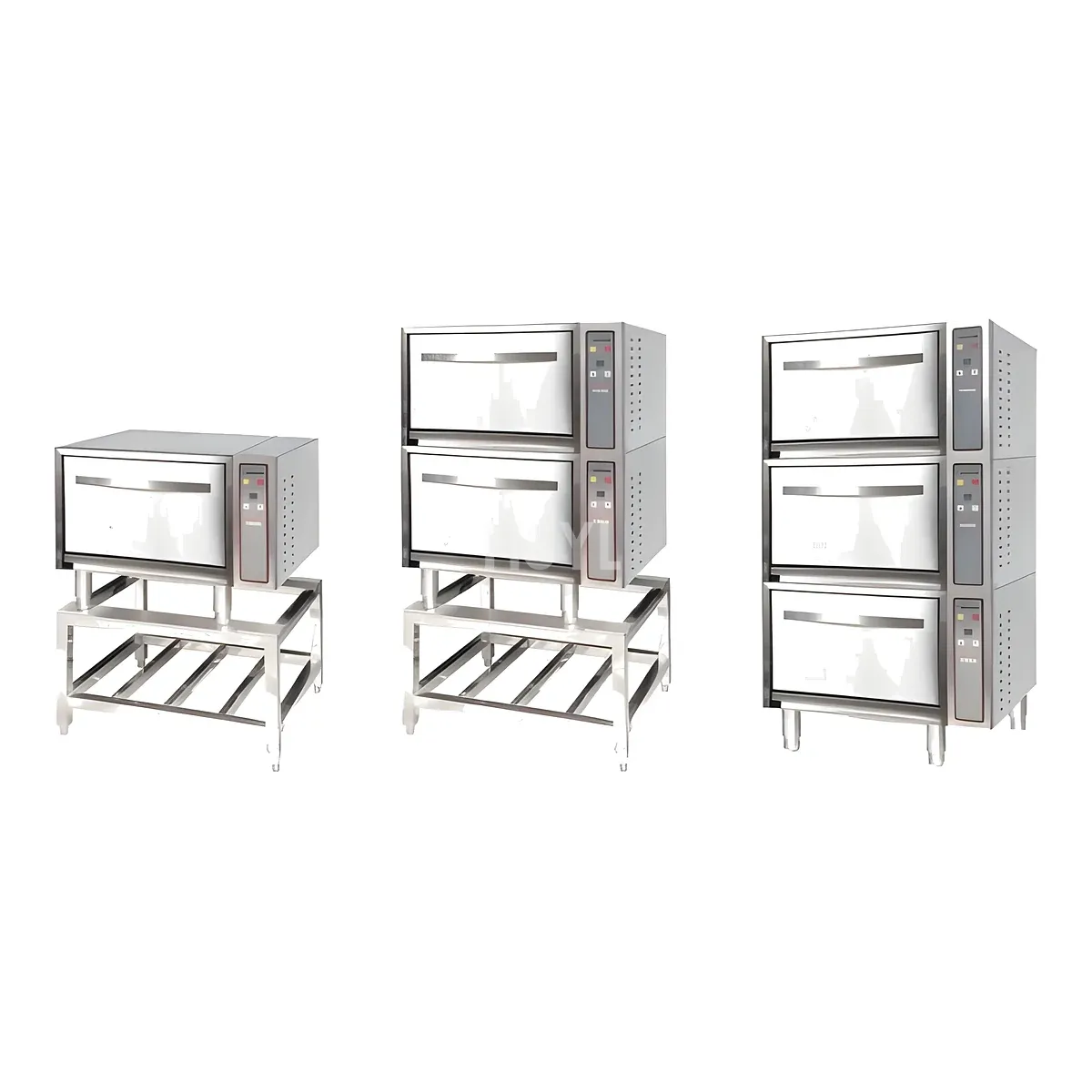
Identify the manufacturer's defined baking zone and how its conveyor time is measured. Do not divide the full exposed belt length by a displayed bake time if the time refers to travel through the chamber. Middleby Marshall's PS520G operating manual, for example, distinguishes chamber travel timing from the overall conveyor assembly. This is a measurement example, not an HSYL model specification.
Use the actual pizza carrier, screen or pan in the fit assessment. The longitudinal pitch is the distance between equivalent points on consecutive carriers; it includes the carrier's length plus the permitted gap. Count only lanes that fit the approved loading arrangement and produce acceptable food.
A worked geometry example
The following figures are hypothetical and do not prescribe a cooking process. Suppose a proposed setup has an 800 mm heated travel length and its recipe assessment has accepted a five-minute chamber travel time. The belt then moves 800 ÷ 5 = 160 mm per minute.
| Planning input | Hypothetical value |
|---|---|
| Loading pitch in one lane | 320 mm |
| Time between successive carriers | 320 ÷ 160 = 2 minutes |
| Geometric steady output per lane | 60 ÷ 2 = 30 pizzas/hour |
| Two independently verified usable lanes | 60 pizzas/hour combined |
If the required output is 24 pizzas during a 20-minute window, the equivalent rate is 72 per hour. That already exceeds the example's uninterrupted geometric rate. No adjustment for loading gaps or rejected product will make the existing estimate meet that target.
Check what the estimate leaves out
The calculation assumes a continuously filled, already-running system. A short rush beginning with an empty oven also includes the time before the first finished pizza exits. Changing pizza sizes can change both usable lanes and pitch; mixing products with incompatible bake requirements creates a separate scheduling problem.
Observe the whole pizza production line. Dough opening, topping, loading, cutting and boxing must keep pace. Include the real exit handling area so that a finished pizza does not wait in an obstructed discharge position.
Finally, run the agreed menu mix and count acceptable pizzas leaving the complete station during the required window. Use the pizza oven acceptance review to retain the recipe, carrier and loading arrangement behind that result. The geometric estimate explains a limit; the menu run establishes what can actually be served.