Direct Answer / Key Takeaway: Compare actual wet- and dry-operation proposals through the same pans, food task and staff work. Confirm permitted modes instead of assuming every bain-marie can run without water.
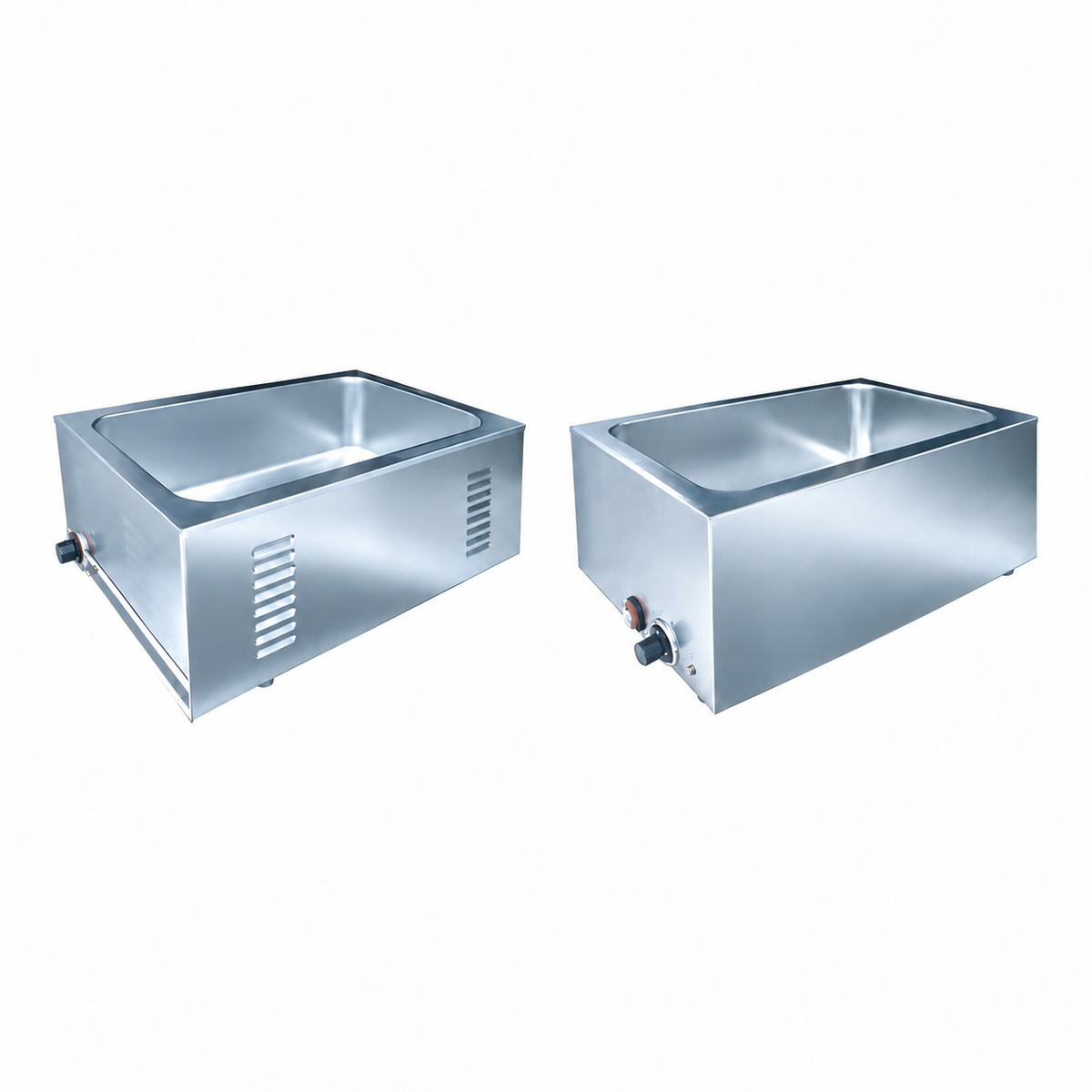
A water-bath warmer is not automatically a dual-purpose wet-and-dry unit. Before comparing operating costs, obtain the permitted method for each exact candidate. A proposal that depends on running a wet-only appliance empty is not an equivalent alternative.
Identify the model, electrical variant, pan and support arrangement and any accessories required for the proposed mode. Ask the supplier to show the applicable instructions. The term dry-boil protection describes a protective function where supplied; it does not by itself authorize routine operation without water.
Give both proposals the same food task
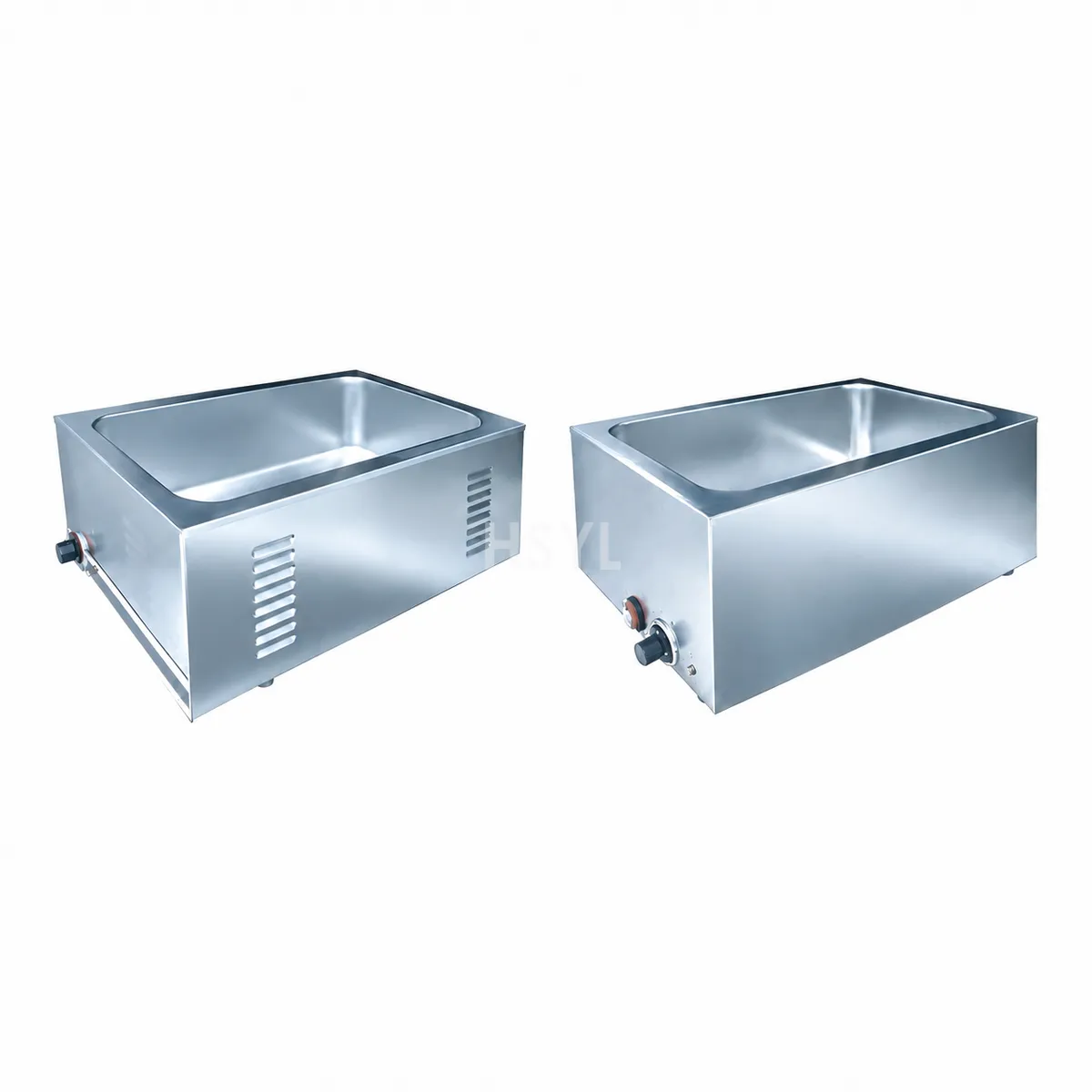
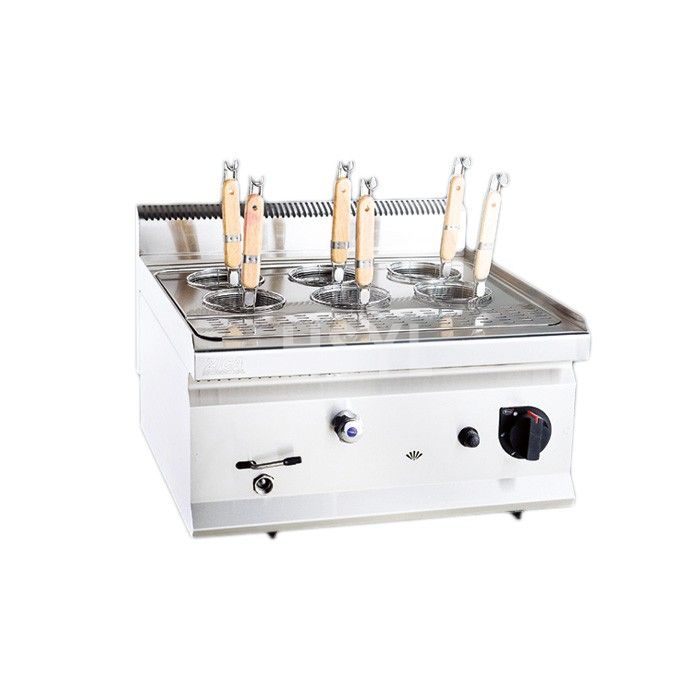
Use the intended menu, actual pan arrangement, incoming food condition, service period and refill sequence. The kitchen's responsible food-safety person should define the applicable criteria and checks. Compare food quality separately, naming the attributes that matter to the dishes.
Have each supplier demonstrate its supported arrangement under those conditions. Do not compare a lightly loaded dry well with a full water-bath service and attribute the difference solely to heating method. Include the actual lids, pan depths and access needed during refills.
Compare the complete staff routine
| Task | Question for each exact candidate |
|---|---|
| Preparation | What setup and readiness steps are required? |
| Service | Which checks and permitted interventions are needed? |
| Changeover | How are pans and any supported operating mode changed? |
| Closing | What cooling, emptying, cleaning and release work is required? |
For a water-bath proposal, include the specified filling, water-level checks and emptying arrangement. For a dry-operation proposal, obtain its actual cleaning and surface-care procedure. Neither method should inherit a fixed labour or maintenance advantage from the label.
Arrange comparable energy measurement where cost matters, including the agreed preparation and service interval. Keep measured use separate from rated heater power. Use actual water, consumable, installation and staff costs and state the boundary of the comparison.
Review the countertop warmer configuration against the supplied documents, then bring the complete alternatives into the purchase assessment. If one proposal lacks evidence for the intended mode or food task, resolve that gap before calculating a cost winner. Choose a supported operating arrangement the kitchen can reproduce, rather than a universal claim that either wet or dry holding is faster, cheaper or better for every dish.