Direct Answer / Key Takeaway: Describe the actual cooking sources, airflow at the treatment unit and fan-system conditions before selecting an ESP. Keep hood capture and exhaust treatment as separate duties.
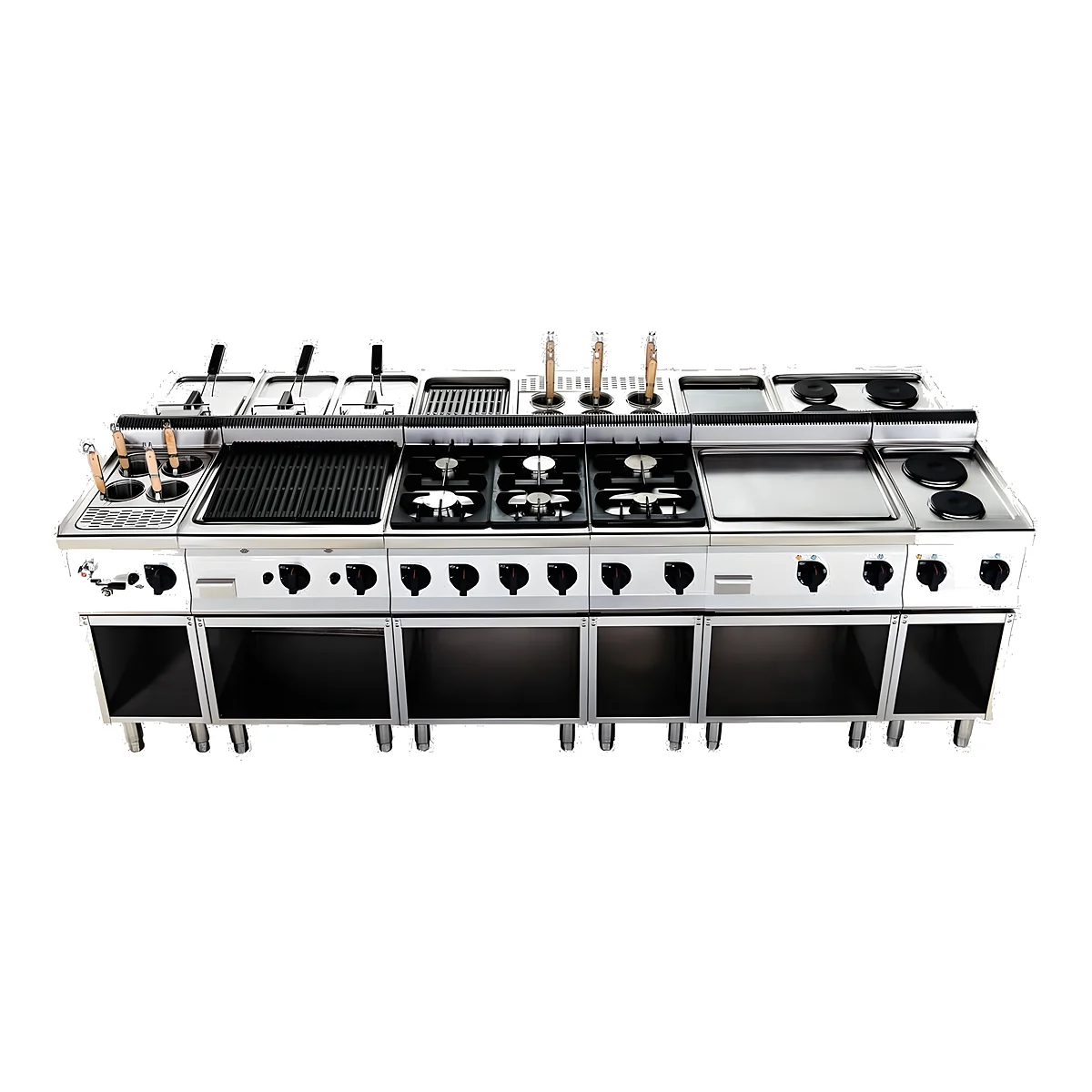
An ESP treats the exhaust stream that reaches it. It cannot collect a cooking plume that escapes the hood into the room. Once the connected cooking sources are identified, the selection still needs an operating case at the proposed treatment unit.
Describe the stream at this position
Show where the ESP sits in the actual exhaust path and which upstream components are present. Give the supplier the responsible designer's airflow basis at that position, not an unsupported hood-length calculation or a cabinet's advertised maximum.
| Selection input | Question for the actual proposal |
|---|---|
| Operating airflow | Which agreed duty and operating modes must this assembly accommodate? |
| Incoming stream | What cooking load and relevant inlet conditions does the manufacturer need to assess? |
| Supplied stages | Which pre-treatment, collection and additional modules are included? |
| Evidence conditions | How does the complete configuration's evidence relate to the proposed duty? |
If operating airflow changes with an approved ventilation mode, make the cases visible to the supplier. A nominal maximum is not a description of how the selected assembly performs across those cases. Ask for the supported selection and any limitations rather than assuming that a unit labelled with a larger flow resolves every condition.
Where an incoming condition is unknown, identify the information needed and who will establish it. Do not borrow another manufacturer's allowable temperature, loading or humidity to close the selection.
Return the selection to the complete air system
Give the ventilation designer the proposed assembly's relevant pressure-loss information and operating requirements. The fan, ductwork and other components must be assessed together. Fitting the duct opening does not establish the required operating duty.
The kitchen ventilation design guide provides coordination context. It does not replace the project's capture design, airflow assessment or equipment selection.
Include the manufacturer's care requirements and usable maintenance access before accepting the position. The selected performance basis and service arrangement must describe the same configuration.
Keep the resulting application brief tied to the actual operating cases and supplied stages. Define odour, discharge-location and applicable authority requirements separately. Neither a nominal CFM figure nor physical fit proves the whole ventilation and pollution-control design.