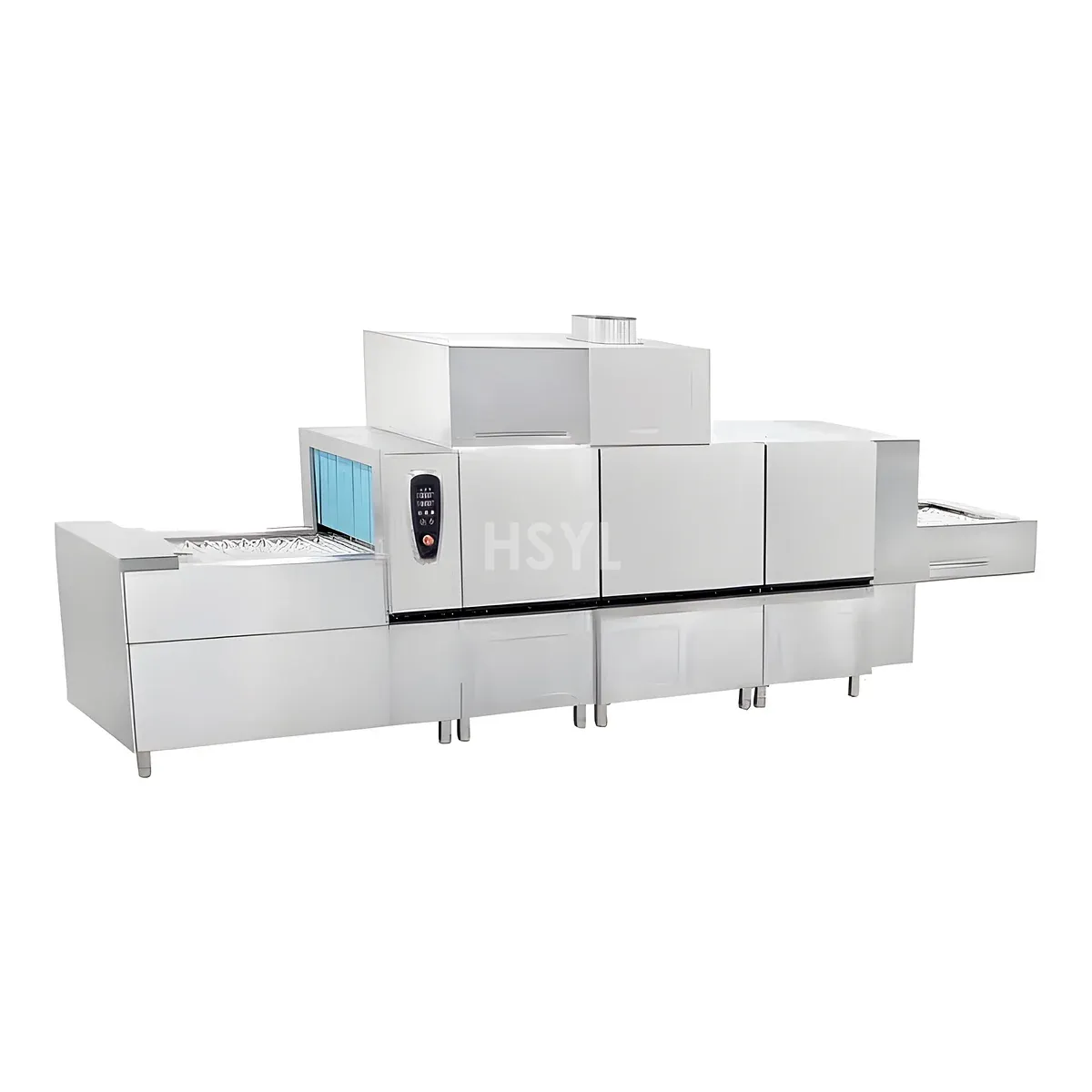
Direct Answer / Key Takeaway: Locate the actual direct-loading and clean-removal constraint before valuing extra flight-line length or accepting a shorter layout.
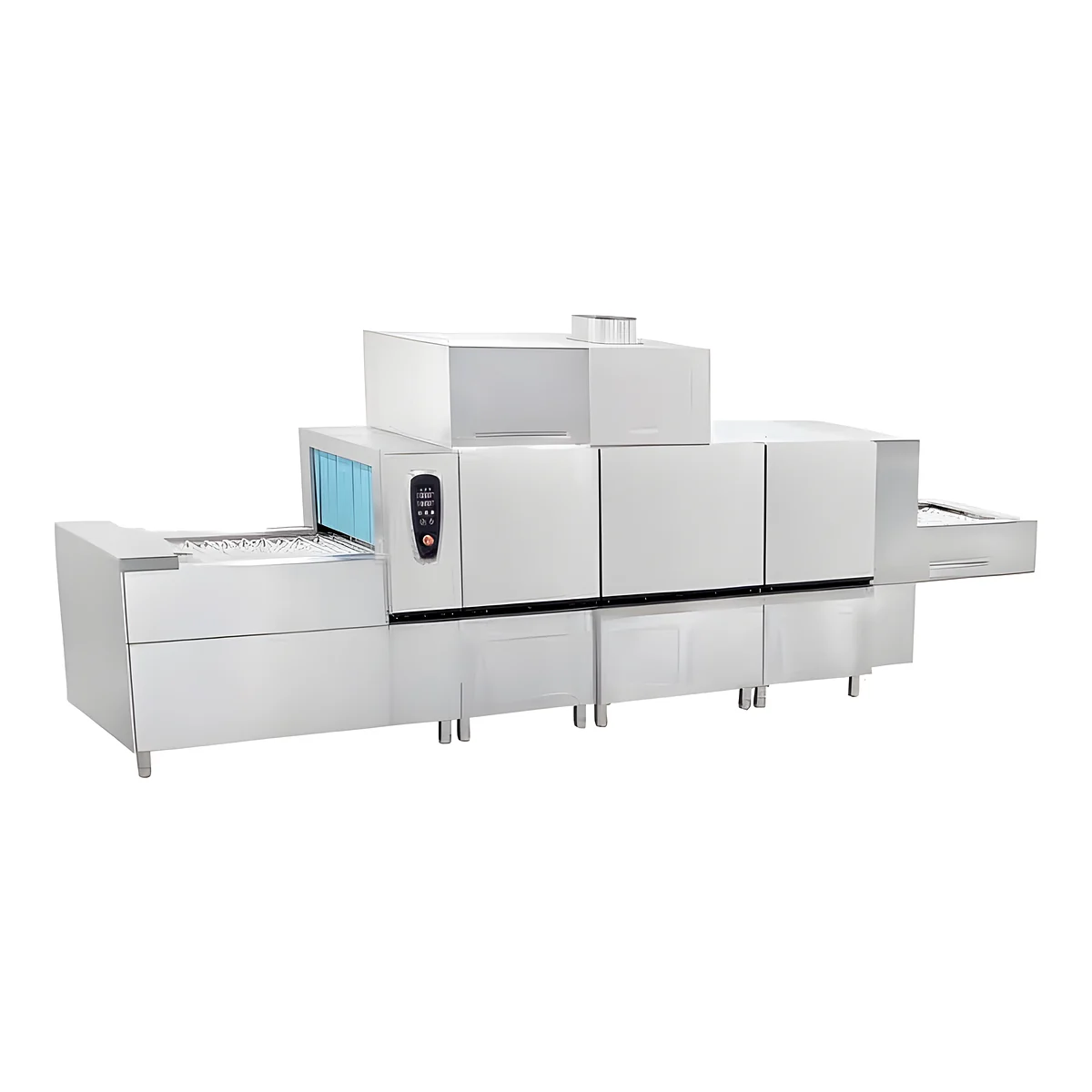
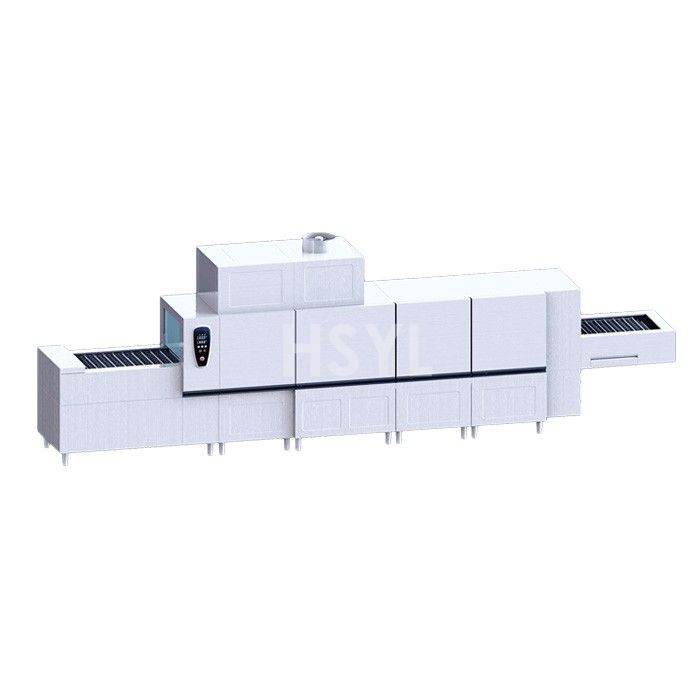
Mark the job of each proposed additional flight-line section on the offer drawing. Processing, drying, loading and unloading length serve different tasks; a longer body is not a benefit until the changed work is identified.
Keep the represented ware, required process and arrival pattern the same across proposals. Ask the supplier which section changes are actually supported. Do not extend a belt on a sales sketch and assume the original machine process and protections still apply.
| What the actual workflow shows | What an added end section must establish |
|---|---|
| Prepared ware is unavailable while the loader waits | Explain how the proposal changes preparation or supply; extra placement length alone does not create prepared items |
| Prepared ware is available but the permitted placement position is constrained | Show the additional usable work position and approved movement |
| Ware arrives at discharge during a container or storage task | Show the supported removal/continuation arrangement and task coverage |
These are decision categories, not diagnoses of a particular room. Use the dishroom bottleneck review to locate the real condition before choosing a section.
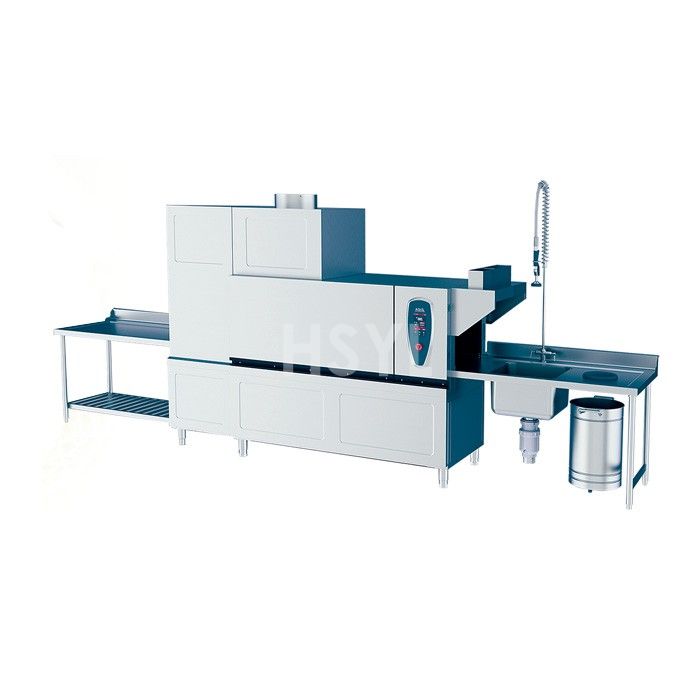
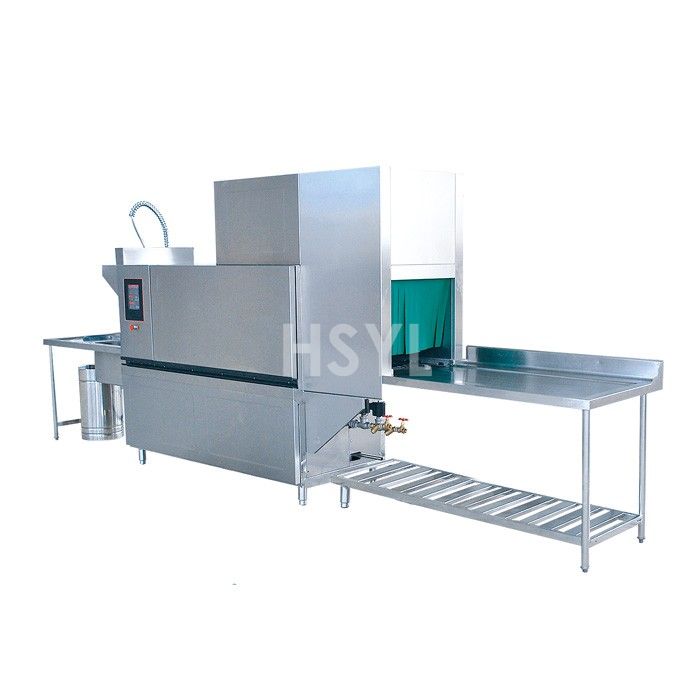
At the loading end, follow sorting, required preparation and placement for the represented plates, larger ware and any genuine small-item carriers. Check the proposed position with actual containers and adjacent work occupied. A section staff cannot use without reaching across protected areas does not supply the claimed work position.
At unloading, follow removal into the clean-side destination, including container changes and storage trips. Moving belt area is not unrestricted static storage. Establish the actual permitted stop/restart and accumulation arrangements rather than assuming a longer belt can hold any queue.
Compare supported alternatives through an approved assessment or another justified design method. Preserve accepted output and actual interruptions. Extra processing length does not authorise an unapproved speed change.
Price the section together with delivery/assembly, actual building and utility changes, access, cleaning and service. Show any changed staff allocation and paid hours at both ends. If a shorter offer relies on a different preparation or unloading arrangement, include its real location and work in that offer.
Choose the proposal whose added section resolves the evidenced condition and preserves required processing and access. The decision should identify the task purchased and its complete obligation, rather than assign a return to conveyor length itself.