Direct Answer / Key Takeaway: Account for the load, identify the impact location and preserve observations after a rack collision. Use authorised assessment before returning a questionable trolley to work.
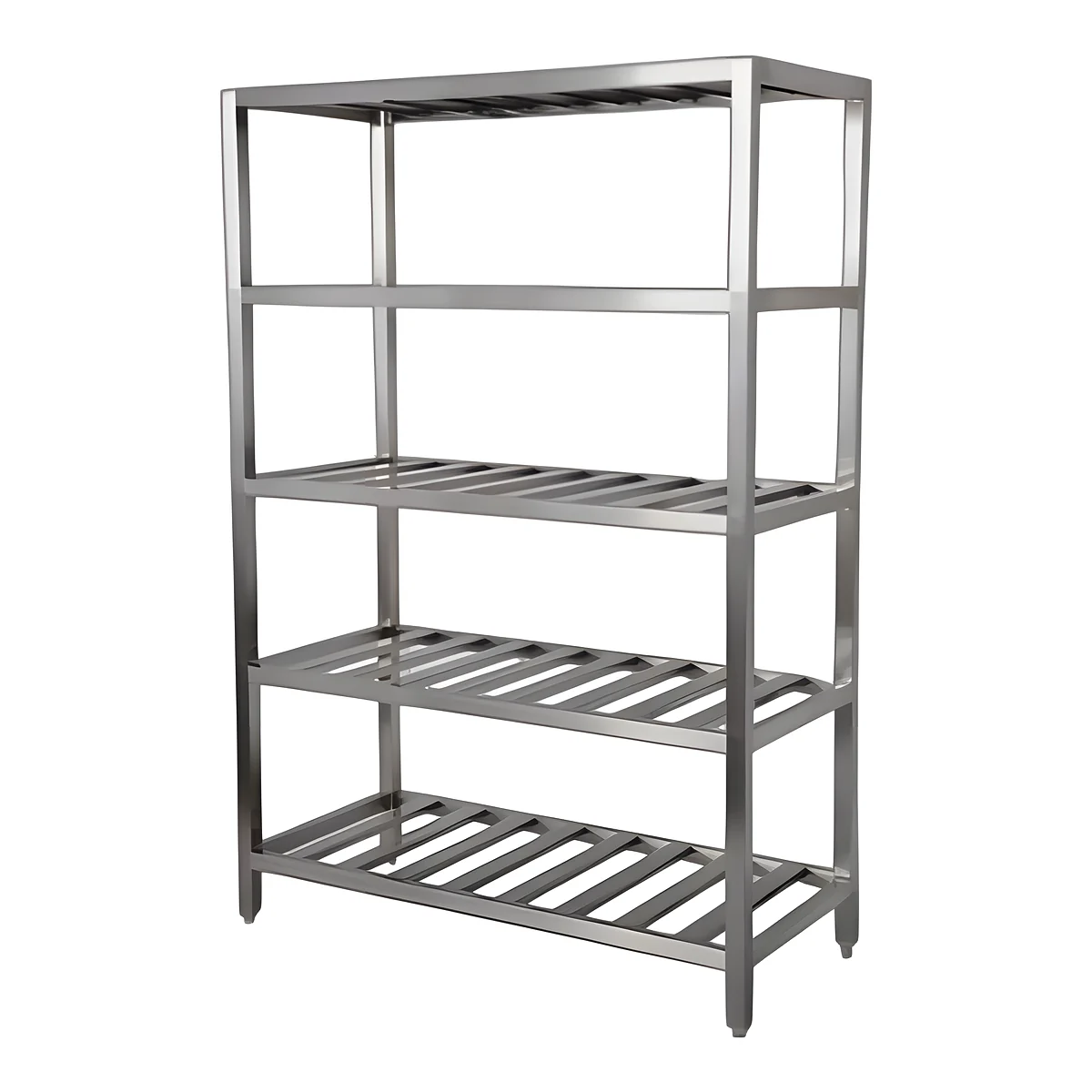
After a pan rack strikes a door frame or another obstacle, a quick glance at the wheels does not establish that it can return to service. The impact may involve the frame, runners, stops or the load. Control the immediate situation under the site's procedure and preserve a clear record for the responsible assessment.
Account for people, pans and the work area
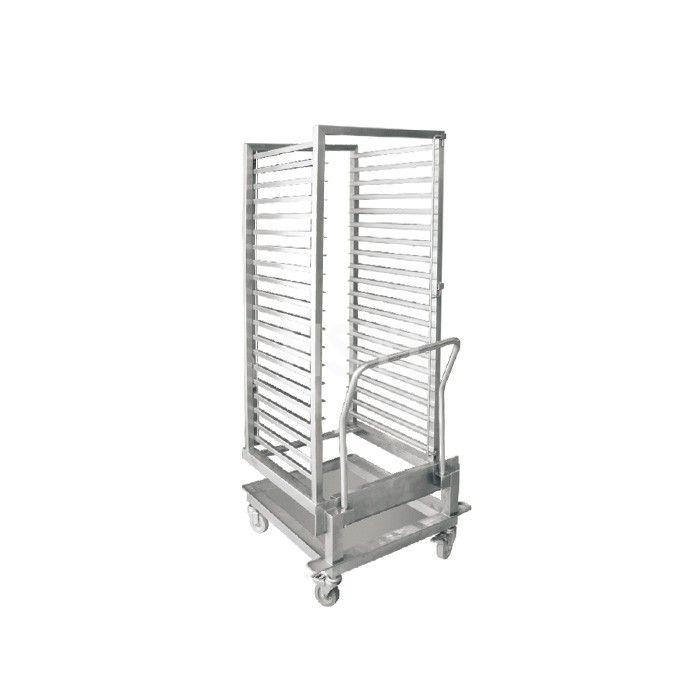
Follow the site's incident response and keep a questionable trolley from being used inadvertently. Use the approved method and authorised help to address the load. This article does not provide an improvised unloading method for an unstable or damaged rack.
Record affected food or containers under the kitchen's product-control process. A tray remaining on a runner does not establish that its contents or packaging are acceptable after an incident. Keep that decision with the responsible team.
Describe the impact rather than only the visible mark
Identify the rack, route location, approximate load arrangement and part that contacted the obstacle. Record the direction of travel and what was known about the event. Separate direct observations from an assumed speed or cause.
Photographs from a permitted position can show the contact area, surrounding frame and pan positions. Preserve the orientation so a service provider can understand which runner or wheel is involved. Do not move the trolley through another loaded trial merely to reproduce the collision.
Keep different findings separate
- A visible frame or runner change.
- A wheel or mounting point that appears displaced.
- A pan stop or other retaining feature affected at the contact area.
- A new difficulty in permitted movement or pan engagement reported after the incident.
These observations support assessment; they are not a repair specification. Do not bend a runner back, tighten an unknown fixing or remove a bumper to restore the original appearance. Such actions can hide the condition the supplier needs to examine.
Request an authorised disposition
Give the responsible service person the rack identity, incident record and applicable documents. Ask for the finding, required action, any restrictions and the evidence needed for return to use. Retain the original impact report beside the completed work so a later reviewer can connect the assessment to the condition first observed.
If replacement parts or a replacement trolley are required, keep their identities with the record. A visually similar component is not automatically an approved substitute.
Review the route that produced the contact
After the immediate issue is controlled, examine the doorway, turn, traffic and handling arrangement with the responsible team. The loaded route assessment should reflect the actual trolley and task. An incident can reveal a route conflict even when the rack itself is eventually cleared for use.
Close the case only when the equipment disposition, affected-product decisions and relevant route actions are identifiable. A fresh wheel grease entry or a removed surface mark does not close those separate questions.