Commercial Food Trolley: Route and Load Planning
Select a commercial food trolley by container fit, loaded route, cleaning and turnaround. Use a route acceptance record and fleet quantity calculator.
A commercial food trolley should be selected for the journey it will complete with your actual containers and loads. A shelf count or catalogue photograph cannot show whether a loaded cart clears a doorway, turns beside a service counter, holds trays securely or can be cleaned between jobs. Start with the items being moved, the route and the staff who handle them. Then compare the trolley construction and its documented limits.
This guide covers unpowered foodservice transport: ingredient movement, covered meal transfer, buffet replenishment, dish collection and tray handling. A heated holding cart, refrigerated trolley, vending cart or powered transport system has additional requirements. An open utility trolley does not establish a food temperature control system. If temperature control is part of the job, specify the complete transport method and its approved operating procedure before selecting the equipment.
Define the transport job before choosing shelves
Write one sentence describing the trolley's primary job. For example, “move covered ingredient containers from the cold store to the preparation station” describes a different requirement from “return used dishes through a narrow dining-room route.” Identify where each journey starts and finishes, what the load contains and whether the same trolley returns with a different load. This separates equipment selection from a vague request for a general-purpose cart.
List the actual containers by external length, width, height and loaded mass. Include handles, lid projections, tray lips and any overhang. A container that fits the nominal shelf length can still obstruct the push handle or another shelf. Leave the loading arrangement visible in a sketch. If a tray is carried on rails rather than a flat shelf, establish the exact support interface; similar tray names do not guarantee interchangeable dimensions.
Keep clean food transport and dirty dish collection as distinct operating tasks. That does not automatically require a unique trolley for every journey, but the cleaning and changeover procedure must support any shared use. A purchasing decision should make the separation practical. Colour labels or station assignments can help operators identify the intended task, while a cleaning record confirms the equipment is ready to change roles.
Compare trolley types against the load
Flat shelves suit stable containers and equipment when access from several sides is useful. Raised edges can help contain small spills, but they also affect loading and the ability to slide a tray onto another surface. Tray racks offer repeated positions for a particular tray interface. A dish collection trolley may need bins, removable tubs or waste segregation rather than the arrangement required for plated food. These types should be compared as different solutions, not as interchangeable versions of the same photograph.
A folded trolley can save storage space between events, but the locking mechanism, unfolding area and loaded operating condition require review. A knock-down trolley is usually supplied as components for assembly; that does not mean it is designed for repeated folding during a shift. Ask the supplier to identify which construction is offered and provide its assembly or operating instructions. Include the time, tools and checks required to make it ready for work. During acceptance, repeat the permitted opening and locking routine and confirm the ready-for-use condition under the actual instructions.
For front-of-house service, appearance, wheel noise and the ability to park safely beside guests may affect the choice. For back-of-house movement, floor transitions, wash-down access and the load's stability may dominate. Neither setting changes the need for a documented working limit. Describe the use environment precisely enough for the supplier to propose a suitable configuration, rather than treating “commercial” as a complete specification.
| Route point | Measure or observe | Evidence to retain | Order-release decision |
|---|---|---|---|
| Loading station | Container transfer height, operator reach and loading sequence | Sketch with actual container dimensions and loading photograph | Release only when loading can be completed using the intended method |
| Narrowest doorway | Clear opening with door hardware, trolley envelope and handles | Measured doorway and trolley drawing | Resolve contact risk before ordering |
| Corner or corridor turn | Turning space with the intended loaded arrangement | Route mock-up or representative loaded demonstration | Revise trolley or route if the operator cannot turn safely |
| Threshold or floor change | Wheel travel, load movement and operator effort | Observed trial with the site's actual transition | Obtain a suitable route or equipment solution |
| Service parking point | Brake access, stability and obstruction of circulation | Parking position and brake operation record | Assign an approved parking position |
| Cleaning and storage | Access to shelves, joints, wheels and stored footprint | Cleaning method and storage layout | Confirm that the equipment can be maintained after every assigned task |
Complete this record with the actual loaded configuration. An empty showroom demonstration does not answer loaded route questions. If equipment cannot be trialled before ordering, mark the outstanding points and agree how the drawing review and receiving acceptance will resolve them.
Measure the route with the whole trolley envelope
Measure clear space rather than relying on a room plan's nominal dimensions. Door leaves, handles, hinges, wall protection and stored stock can reduce usable clearance. The trolley envelope includes handles, bumpers, projecting containers and accessories. Check the lowest overhead obstruction when tall trays or containers are carried. An access route that works for an empty cart may fail once the top shelf is loaded.
Walk the journey in both directions at the expected time of use. A dining room before opening is not the same as one filled with chairs, guests and staff. A kitchen aisle may be narrowed by refrigerator doors or a dishwasher operator. Consider where an arriving trolley waits, who has priority and how the return journey avoids opposing traffic. Purchasing a narrower cart may help, but repeated journeys and smaller loads can create a different service bottleneck.
Document floor joints, ramps, thresholds, drains and changes between indoor and outdoor surfaces. These features affect the wheel and caster selection, the operator's effort and how the load behaves. Ask for a configuration suitable for the stated route and cleaning environment. Do not infer suitability from wheel diameter alone. Caster mounting, wheel material, bearings, brakes and the complete frame must be considered together.
Use a load plan, not an assumed carrying capacity
The working load includes containers, lids, food, utensils and any accessory carried with them. Record the load by shelf and its expected distribution. A trolley's total declared limit does not necessarily equal the allowable load on every shelf. Obtain written limits for the proposed model and configuration, including any conditions about even distribution, movement or use of accessories. Leave an unsupported limit blank until the supplier confirms it.
Place heavy items according to the manufacturer's instructions and the site's handling assessment. Check whether operators can load and unload without lifting above a practical reach or twisting around a projecting handle. Containers must remain stable through stops and turns. Restraining arrangements need to be compatible with the food containers and cleaning procedure; improvised straps or attachments should not become an unreviewed part of the ordered system.
When a trolley carries several types of item, draw the most demanding arrangement rather than the neatest example. A load with a tall covered container can restrict sight lines, while a large pan may extend beyond the shelf. Include the mixed load in the acceptance check. Do not use an isolated static load demonstration to claim suitability for movement across the site's actual route.
Work out how many trolleys the service needs
Trolley quantity depends on the complete cycle, not just the journey time. Include waiting to load, loading, travel, queueing at the destination, unloading, return travel, cleaning and any inspection before reuse. A cart that travels quickly but waits at a buffet can remain unavailable for the next dispatch. Observe the busiest operating period before estimating the required fleet.
Record dispatch interval D in minutes and full turnaround time T in minutes. An initial circulation estimate is N = ceiling(T ÷ D). This counts the trolleys occupied by that one repeating task. Add separately justified quantities for cleaning segregation, another simultaneous route or a maintenance reserve.
| Input | What to record | Why it matters |
|---|---|---|
| Dispatch interval D | Time between required departures during peak service | Sets the frequency of available loaded trolleys |
| Turnaround time T | Load, move, wait, unload, return, clean and release | Counts all time before the trolley can be used again |
| Containers per trip | Actual stable load within confirmed limits | Prevents capacity being overstated by nominal shelf area |
| Dedicated-use quantity | Separate clean or dirty routes that cannot share a cart | Preserves the operating separation requirement |
| Reserve decision | Documented response when one trolley is unavailable | Avoids an arbitrary percentage allowance |
Illustrative arithmetic only: if the measured full cycle is 18 minutes and departures are required every 6 minutes, ceiling(18 ÷ 6) gives 3 circulating trolleys. This is not an HSYL performance claim or a recommended fleet size. It excludes other routes and reserves unless they are entered separately. Recalculate when the load, route or service schedule changes.
Include cleaning and maintenance in the purchase
Show the proposed trolley to the person responsible for cleaning it. Review access beneath shelf edges, around joints and inside caster assemblies. Ask which components are removable, how they are removed and where they are cleaned or stored. The cleaning method must be compatible with the specified surfaces, wheels and any accessory. A smooth visible top is only part of the equipment that requires attention.
Describe the cleaning chemicals, moisture exposure and drying arrangement to the supplier. Request the actual material specification for the ordered construction rather than assuming that every component shares the same stainless-steel grade. Avoid blanket statements that a metal is immune to corrosion or that a trolley cannot harbour contamination. The operating result depends on the construction, use conditions and cleaning procedure.
Determine how wheels and brakes will be inspected and replaced. Obtain identifiers for the proposed caster assembly and confirm how replacement parts will be sourced. A replacement that fits the mounting holes may change wheel height, braking or load suitability. Keep component substitutions subject to the same configuration review as the original order. Assign responsibility for removing a damaged trolley from service.
Keep compliance specific to the destination and product
For US projects, discuss the required food-equipment sanitation evidence with the purchaser and relevant local reviewer. NSF lists distinct standards for different food-equipment categories; a supplier statement about stainless steel is not a model listing. Request the exact documentation applicable to the ordered trolley and its intended use. This guide does not claim that an HSYL trolley has a particular certification.
For an EU destination, determine which product rules apply to the actual equipment. The official EU guidance explains that CE marking concerns products covered by the relevant legislation and the manufacturer's responsibilities. It should not be attached indiscriminately to every unpowered trolley as a general quality badge. A powered or temperature-controlled trolley may require a different assessment from the open transport cart discussed here. For other destinations, obtain the buyer's required documents and local acceptance requirements separately.
Release a complete trolley order
A quotation should identify the trolley configuration, overall drawing, shelf or rail dimensions, handle arrangement, caster and brake specification, confirmed load conditions and supplied accessories. Include assembly requirements and the packaged dimensions when transport planning depends on them. State whether the delivery price covers freight only or additional receiving services, and confirm the destination access constraints with the logistics provider.
The HSYL stainless-steel kitchen trolley family can be discussed against the route and container schedule. The product family name alone does not establish a shelf limit, tray interface, folding mechanism, wheel specification or temperature-control capability. Send the completed route record, load sketch, cleaning conditions and quantity calculation with the enquiry so the proposed configuration can be checked against the work.
On receipt, match the equipment to the ordered drawing and component list before loading it. Follow the assembly instructions, inspect for damage and test the approved route with a representative load under the site's handling procedure. Record any mismatch as an acceptance issue. Retain the drawing, limits, maintenance instructions and route record together so a later replacement order can reproduce the accepted configuration.
Questions to resolve before the quotation is accepted
Can one trolley carry meals and return dirty dishes?
Review the site's separation and cleaning procedure before assigning both jobs. The answer depends on the operating process and equipment arrangement, not simply the trolley material. Dedicated routes or dedicated equipment may be needed where changeover cannot be controlled.
Does a three-tier trolley always carry more useful food?
No. Useful capacity depends on container dimensions, shelf spacing, confirmed limits and route stability. A third shelf that the required containers cannot fit on does not increase the accepted load.
What is needed to quote a trolley accurately?
Provide the transport job, container schedule, loaded mass distribution, route measurements, cleaning conditions, destination and required quantity. Ask the supplier to confirm the configuration in writing, with its drawing and applicable documents.
Primary reference points: NSF food-equipment standards portfolio and official EU CE marking guidance. These sources explain documentation boundaries; they do not certify any model described here.
Related Kitchen Products
Selected from the catalogue against the keywords of this page, then reviewed with your duty cycle, utilities and site conditions before quotation.
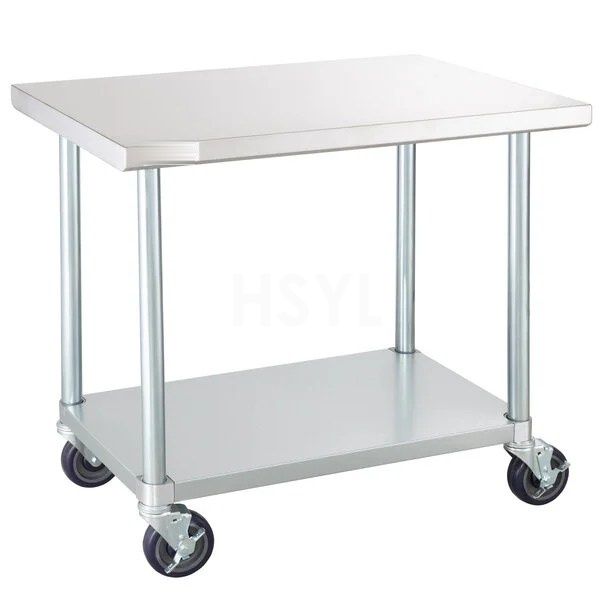
Stainless Steel Kitchen Trolleys
Stainless Steel Kitchen Trolleys for commercial kitchens, fabricated to project dimensions in AISI 304 or 316 stainless steel. Send drawings, load, dimensions a...
View product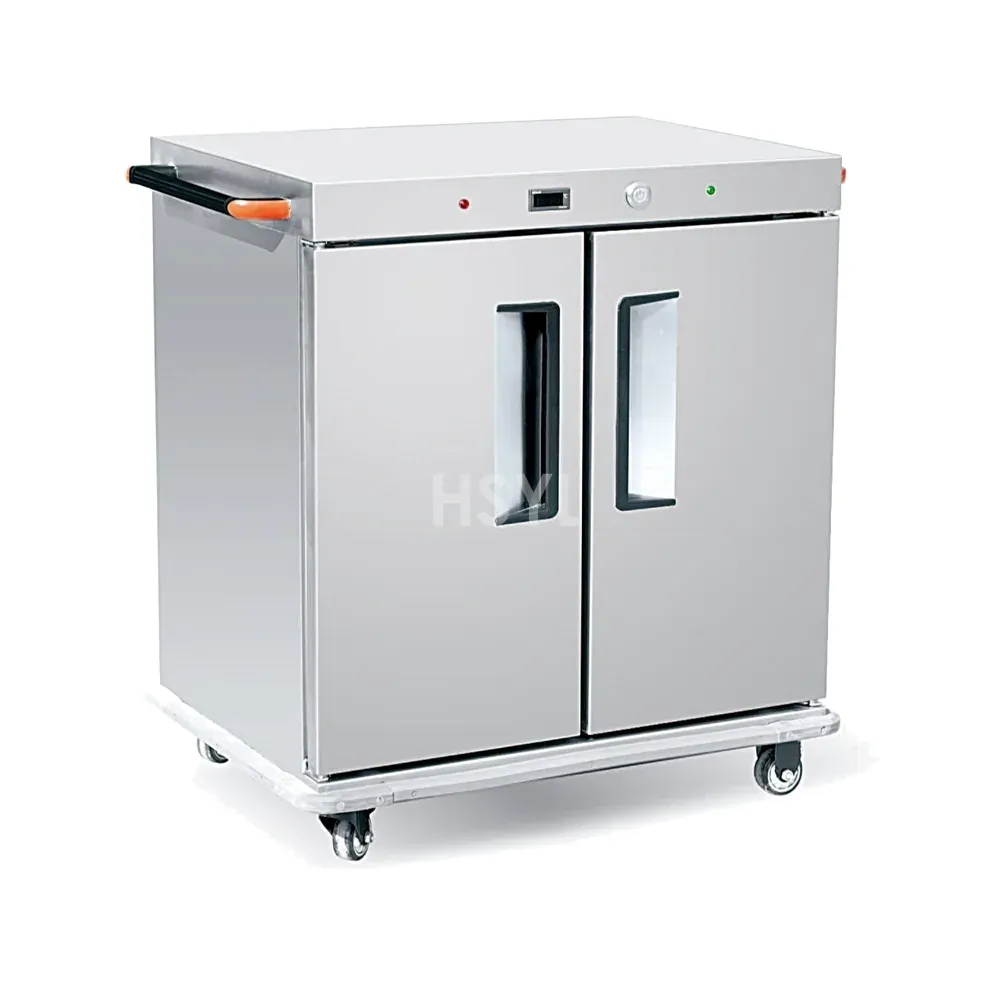
E300-BCW01-11 Horizontal Banquet Cart-A
Quick Summary: The E300-BCW01-11 Horizontal Banquet Cart-A (Model: SL-E300-BCW01-11) is a heavy-duty commercial system engineered for high-throughput production...
View product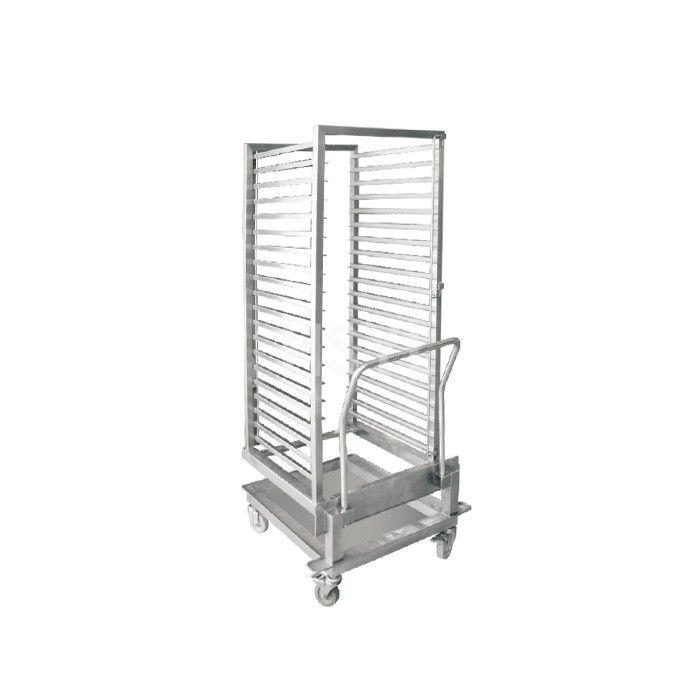
Steamer Cabinet Trolley
Explore CK-CZZG-01 commercial kitchen equipment with technical specifications, application guidance and related models. Request a configuration quote from HSYL.
View productEngineering-Led Commercial Kitchen Manufacturing
HSYL Kitchen Systems designs and produces heavy-duty commercial kitchen equipment for central kitchens, hotels, canteens, hospitals and high-capacity restaurants. Our goal is to provide precise equipment matching, documented quality gates and verified delivery for global foodservice operations.
- Food-grade SUS304 & SUS316 stainless steel construction
- Custom engineering layout & CAD drawing support
- Multi-stage factory quality control & FAT testing
- Factory-direct supply chain with spare parts backup
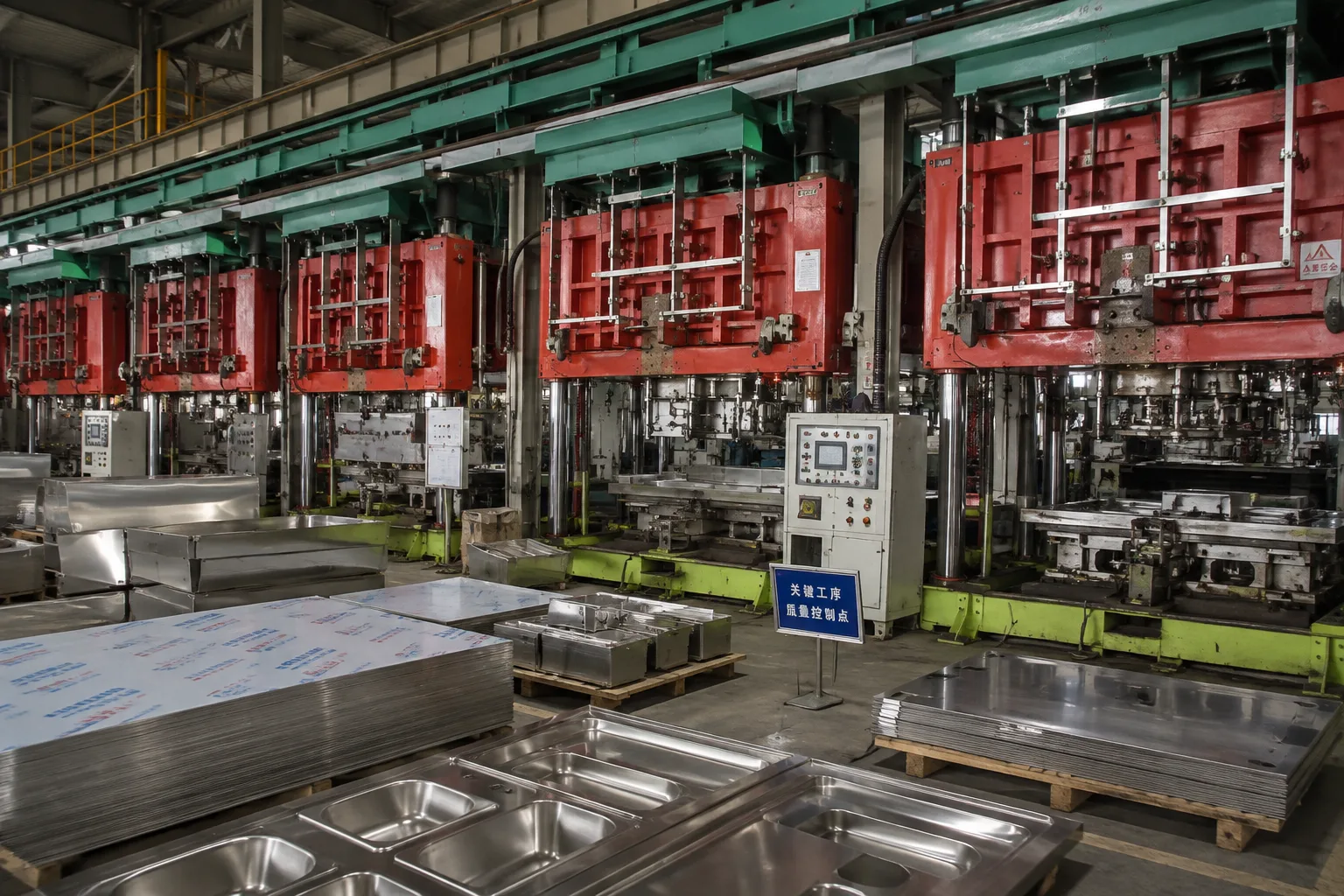
Advanced OEM Processing Equipment & Lines
Equipped with world-class automated sheet metal processing, precision bending centers, thermal foaming lines, and vacuum test rigs to support high-volume commercial kitchen OEM/ODM manufacturing.
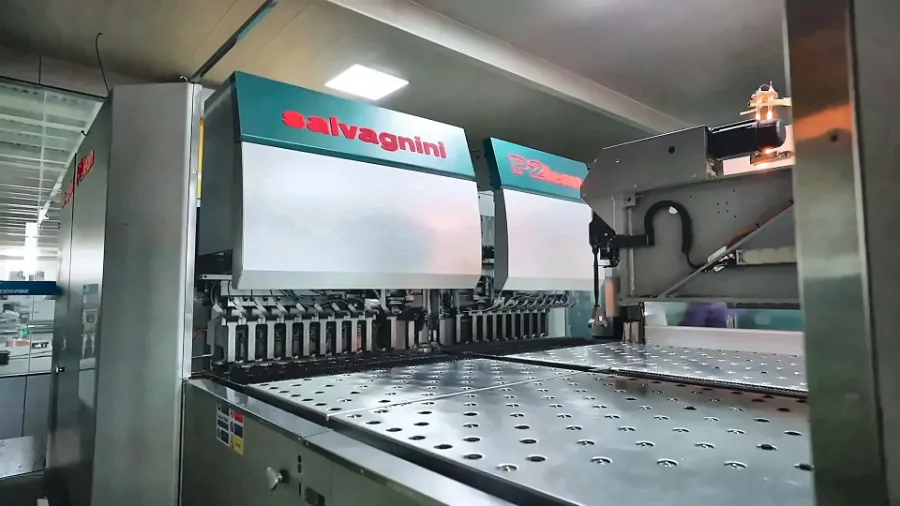
Italian Salvagnini Panel Bending Center
Automated sheet metal bending system for seamless cabinet fabrication and tight structural tolerances.
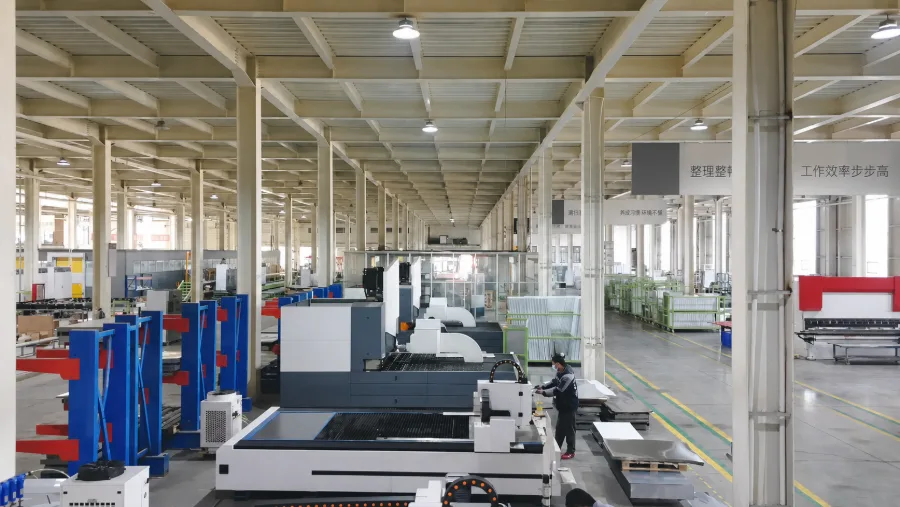
Automated Bending & Laser Cutting Line
Integrated flexible processing line combining fiber laser cutting and multi-axis CNC bending.
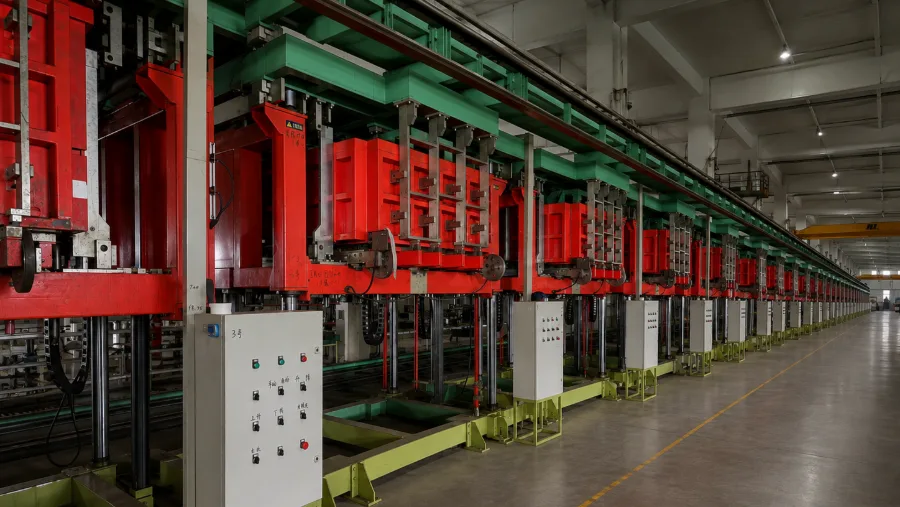
Constant-Temperature Foaming Line
Continuous polyurethane thermal insulation foaming line ensuring uniform core density.
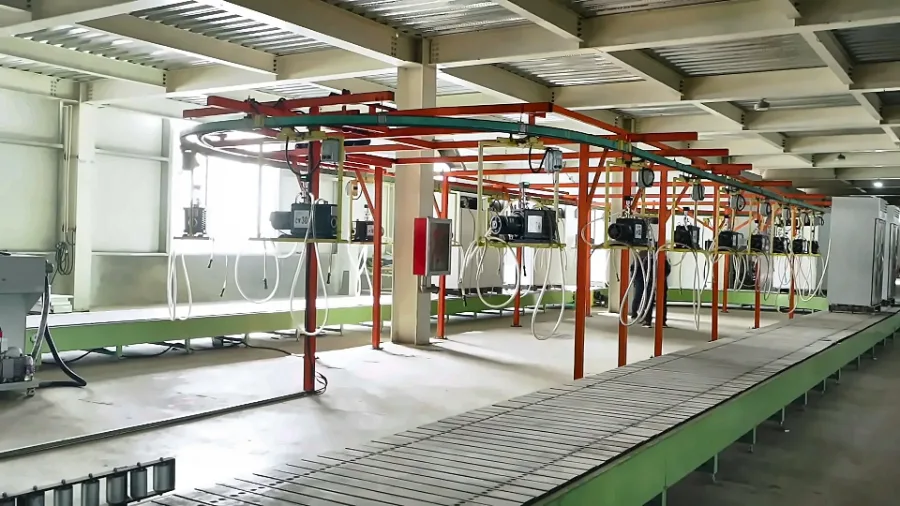
Vacuum Extraction & Testing Line
High-vacuum circuit evacuation and automated leak detection for commercial cooling systems.
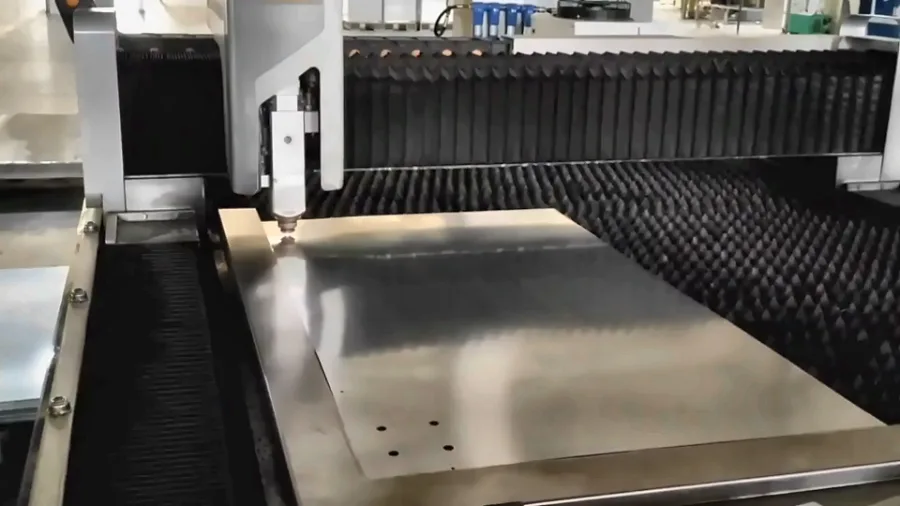
Laser Cutting & CNC Punching Station
High-speed fiber laser cutting and precision CNC punching for intricate component fabrication.
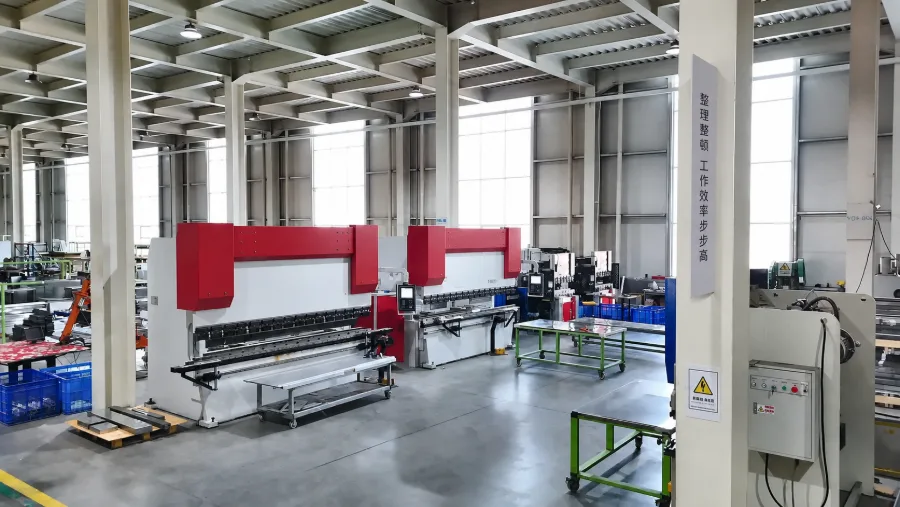
Canadian Heavy-Duty CNC Press Brake
High-tonnage precision press brake for large-format stainless steel sheet forming.
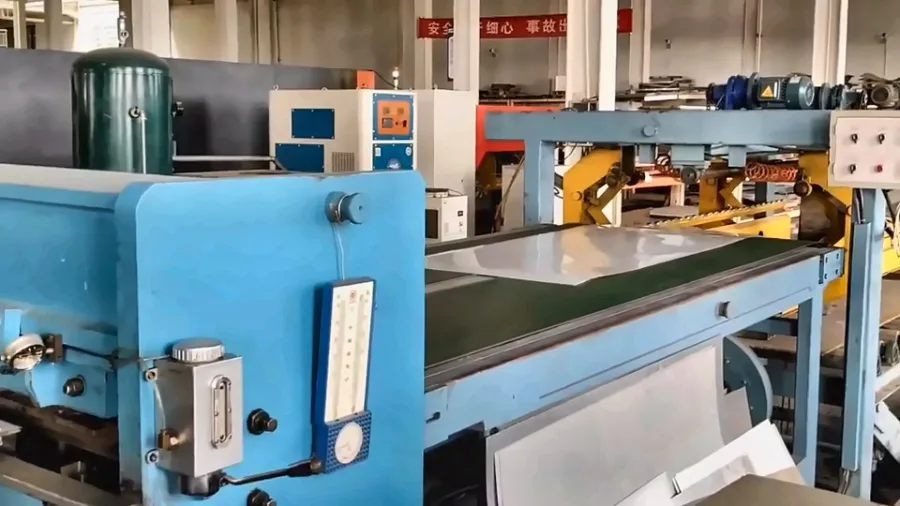
Material Shearing & Cutting Line
Automated heavy-gauge stainless steel shearing and precision raw material sizing.
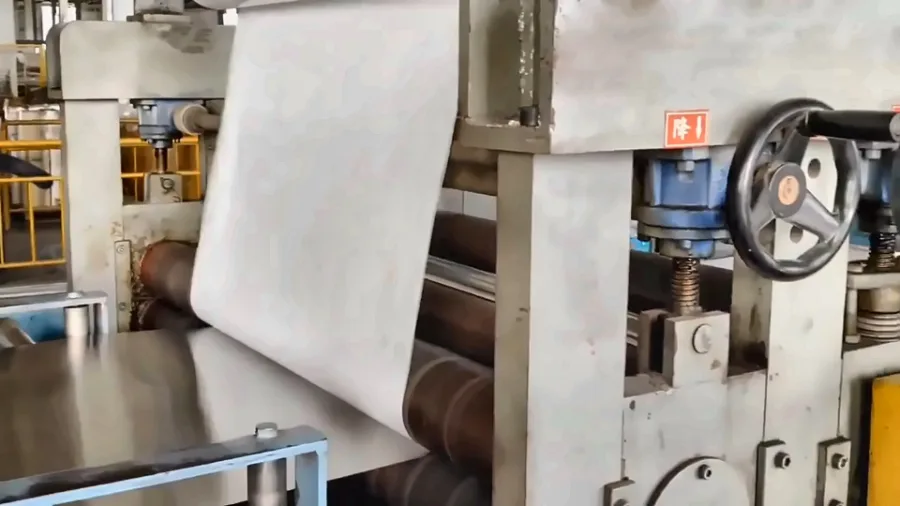
Material Film Laminating Line
Automated surface protection film application to preserve satin and mirror metal finishes.
Explore Popular Kitchen Equipment
Browse equipment that visitors frequently explore, then review the exact model and specifications for your project.
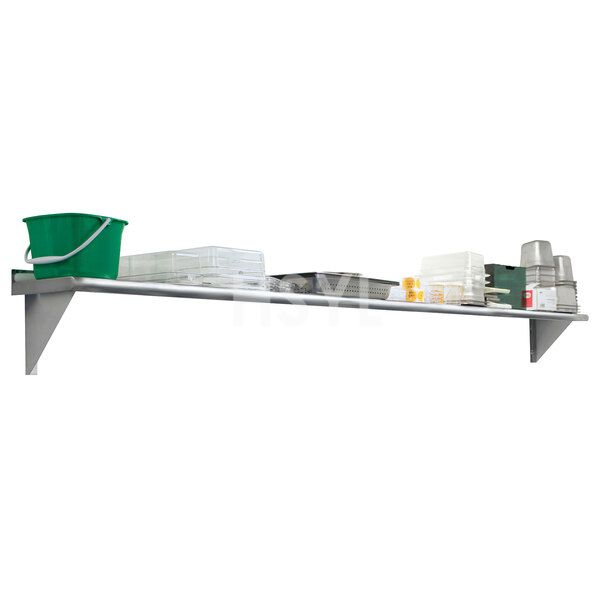
Stainless Steel Wall Shelves
Stainless Steel Wall Shelves for commercial kitchens, fabricated to project dimensions in ...
View product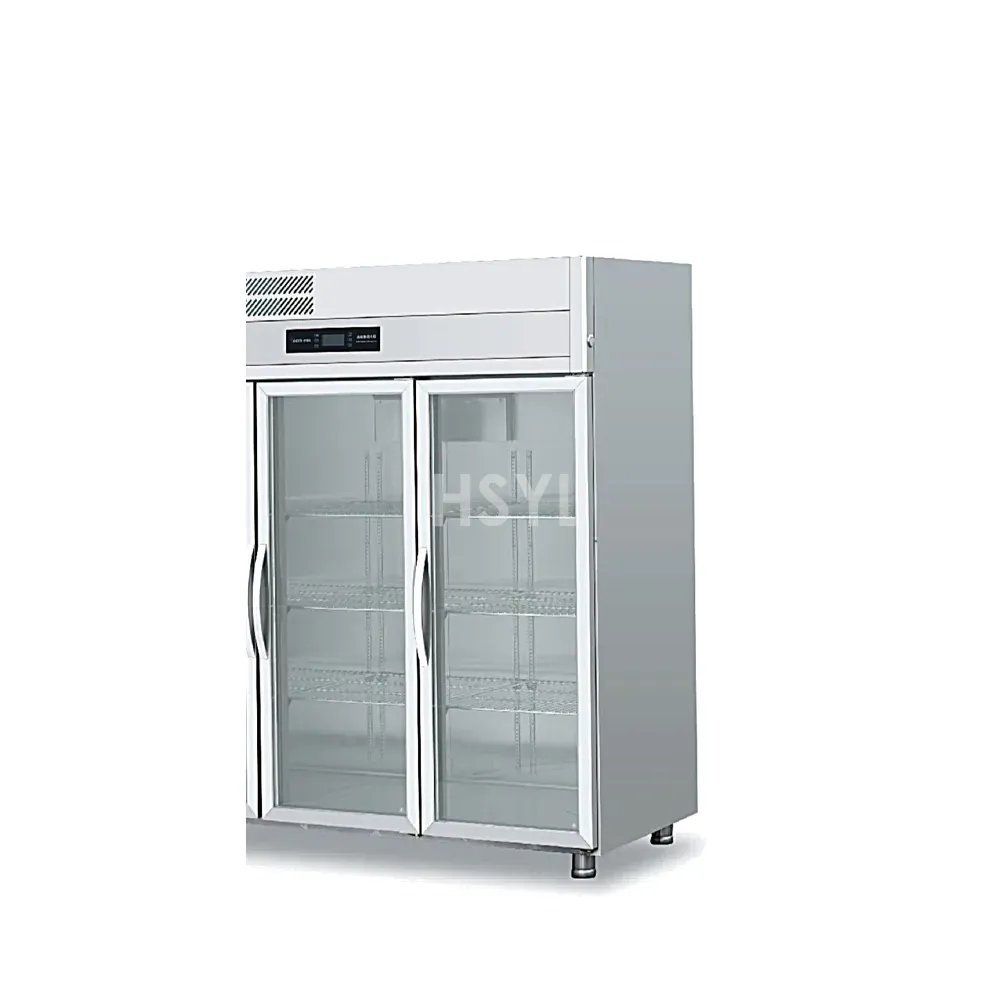
E Series Display Refrigerator Range
Compare E Series display cabinets by door layout, footprint and storage duty. Confirm the ...
View product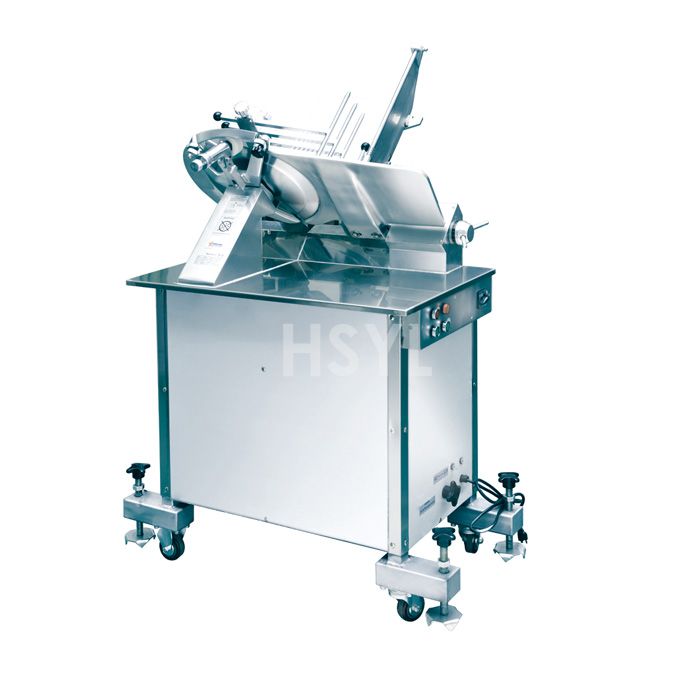
Commercial Meat Slicer-FP-HB-350400
Compare HB-350/400 meat slicers around meat size, slice thickness and production needs. Re...
View product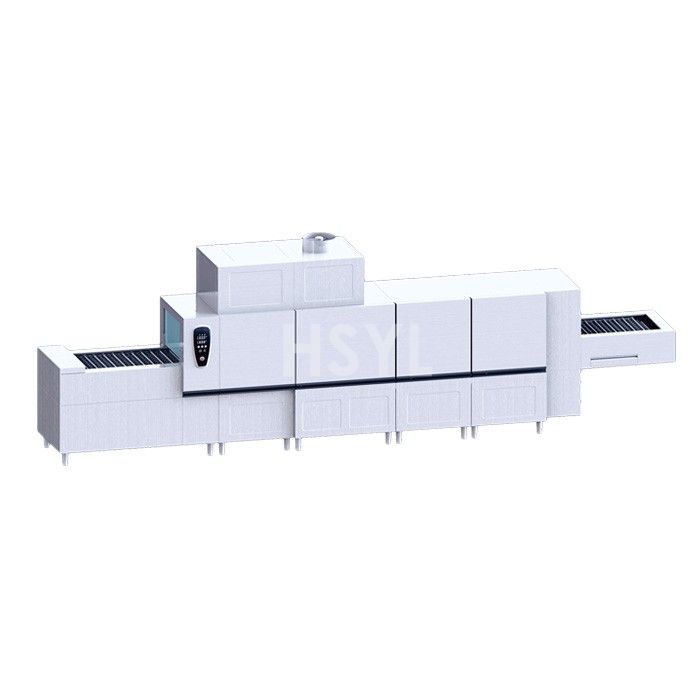
HDW8000L Steam-Heated Commercial Dishwasher
Quick Summary: The HDW8000L Steam-Heated Commercial Dishwasher (Model: CK-HDW8000L) is a h...
View product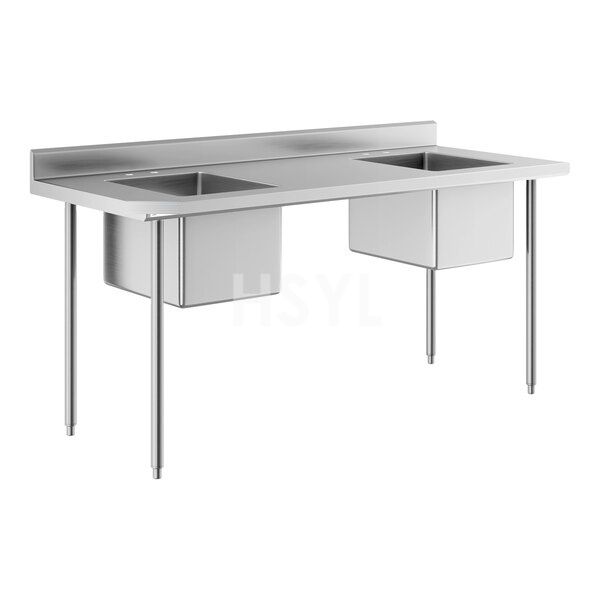
Two-Compartment Commercial Sinks
Two-Compartment Commercial Sinks for commercial kitchens, fabricated to project dimensions...
View product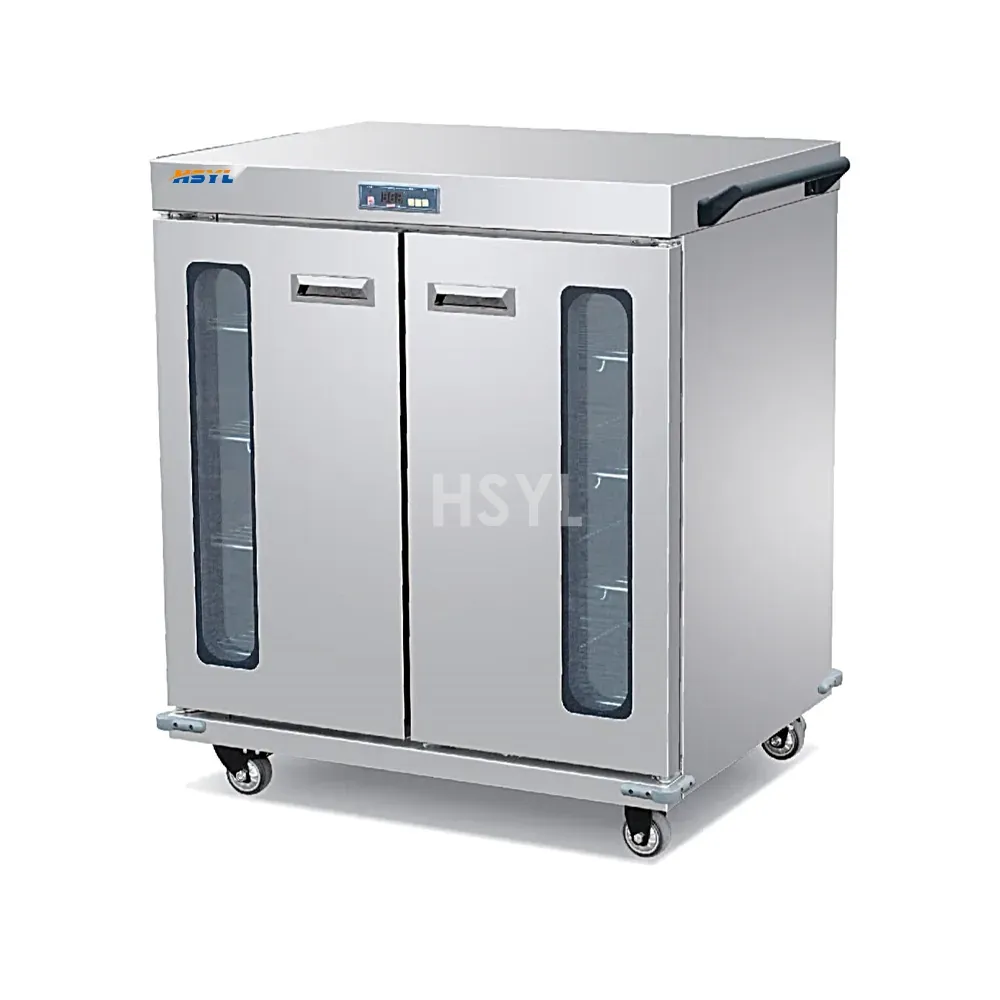
E234-BCW02-11 Horizontal Banquet Cart
Quick Summary: The E234-BCW02-11 Horizontal Banquet Cart-B (Model: SL-E234-BCW02-11) is a ...
View product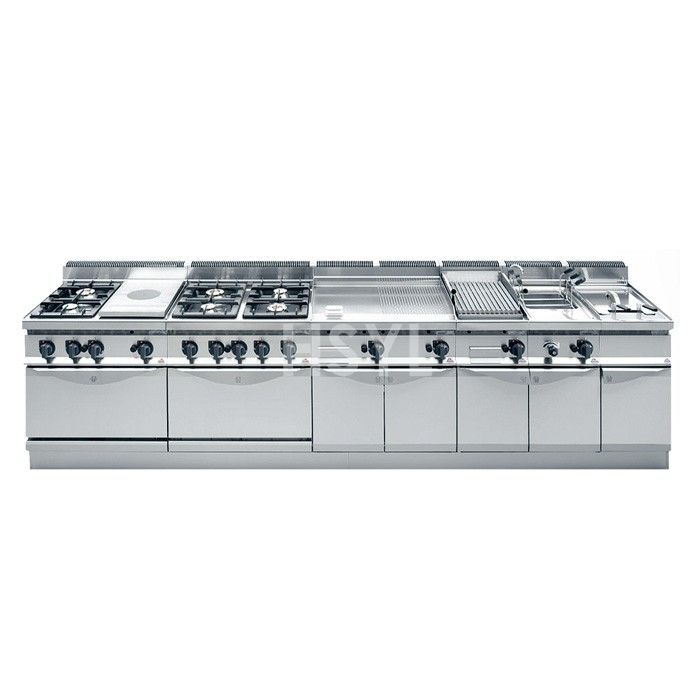
700-Series Combined Western Kitchen Stove
Quick Summary: The 700-Series Combined Western Kitchen Stove (Model: CK-BERTO) is a heavy-...
View product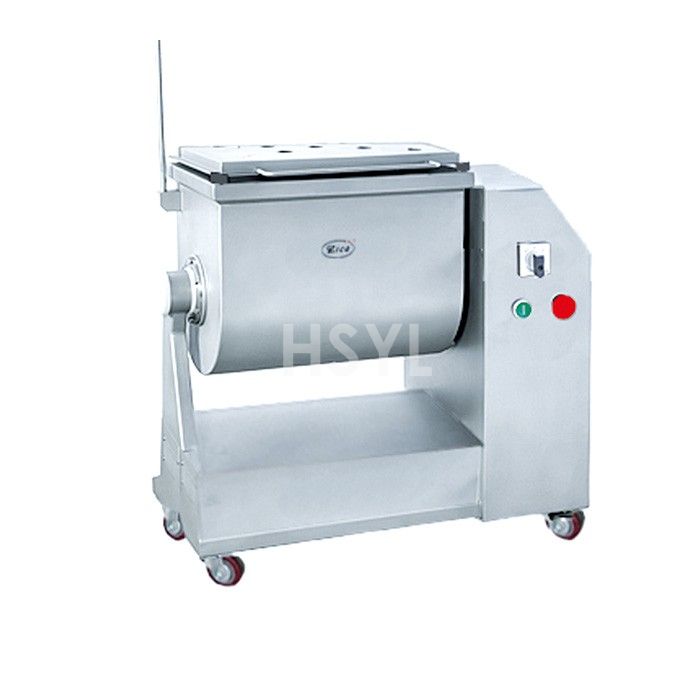
Commercial Meat Mixers
Commercial meat mixers for central kitchens, restaurant prep and meat-processing workstati...
View product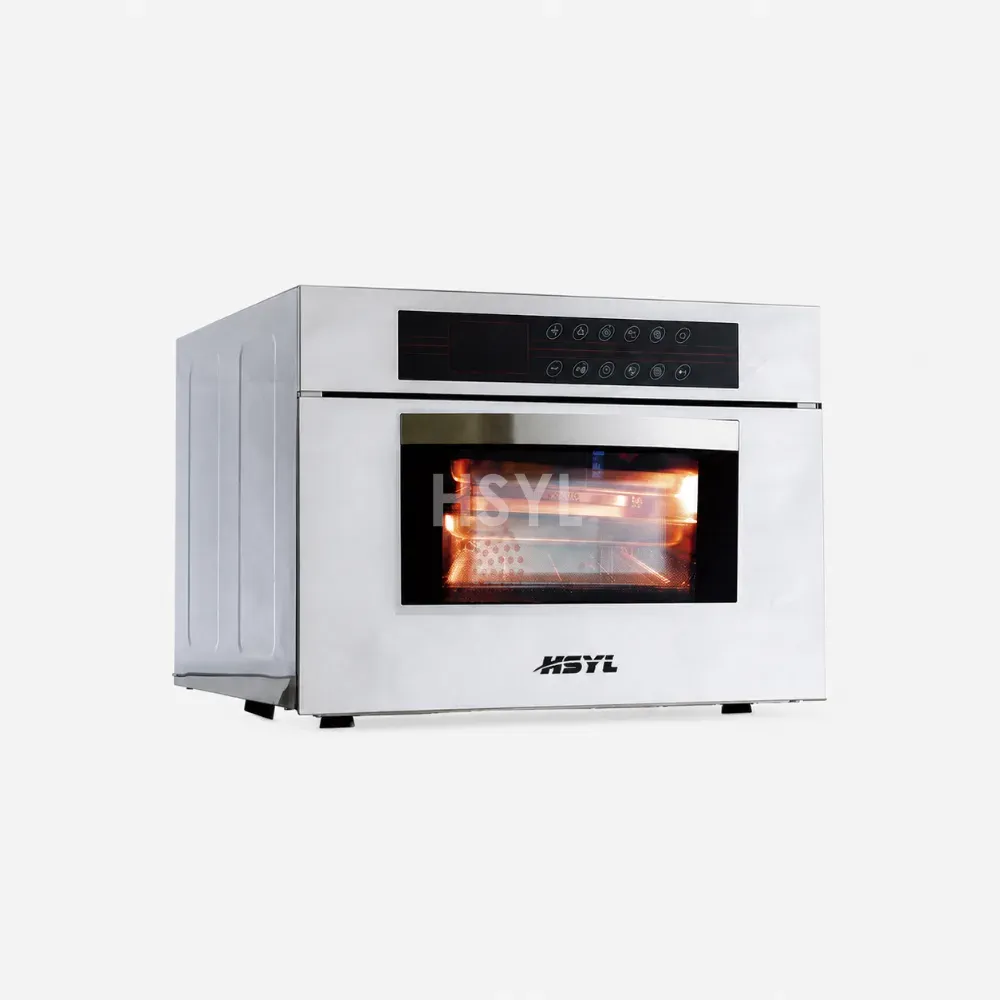
Commercial Ovens for Professional Kitchens
Commercial electric and convection oven solutions for professional kitchens. Review HSYL c...
View product Stainless Steel Kitchen Trolleys
Stainless Steel Kitchen Trolleys for commercial kitchens, fabricated to project dimensions...
View product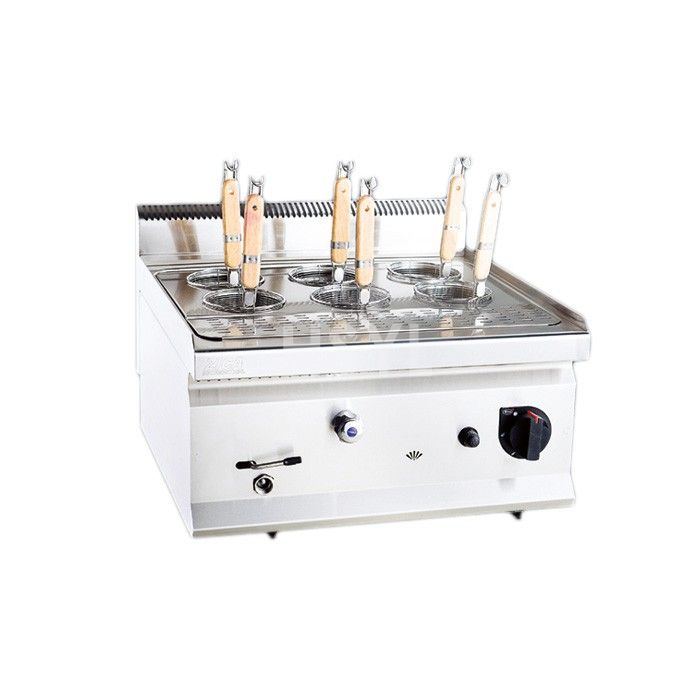
HP Countertop Gas Pasta Cooker Range
Compare HP6035G and HP6060G countertop gas pasta cookers. Review footprint and gas require...
View product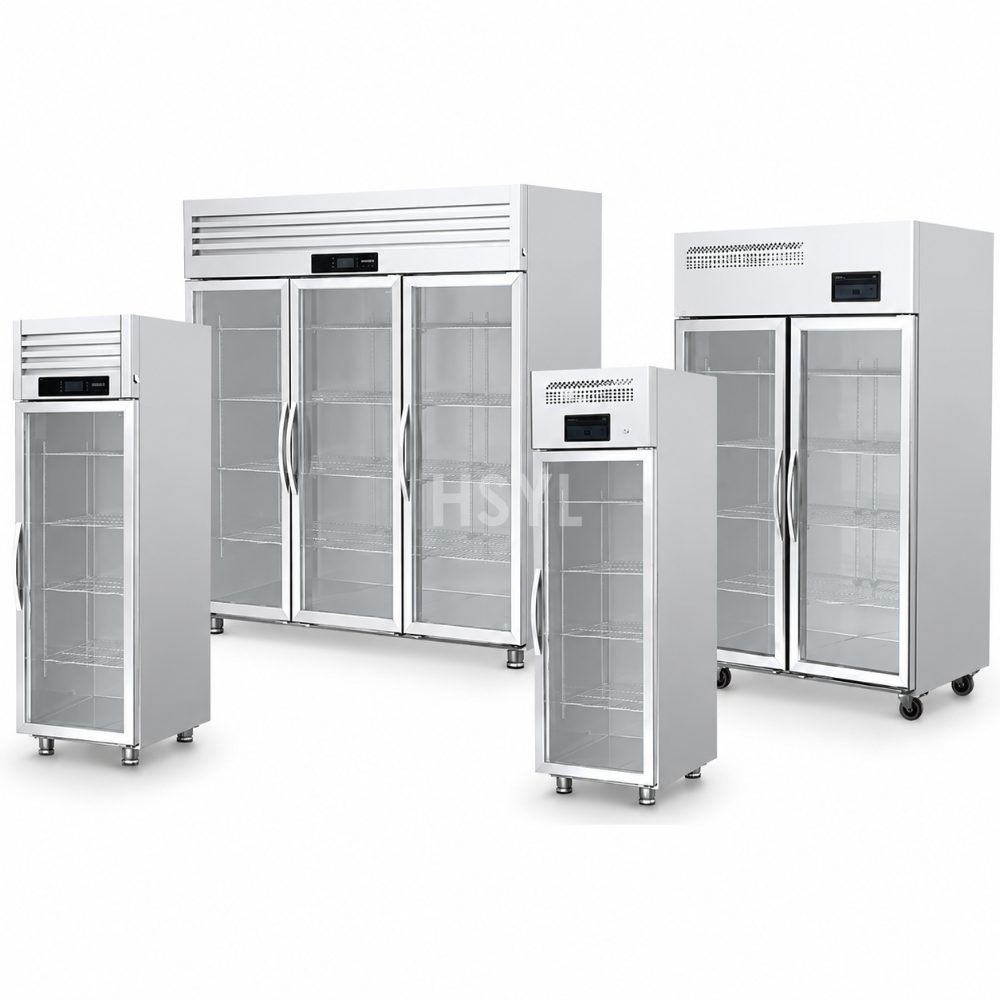
Q and S Series Direct-Cooling Display Cabinet Range
Compare Q and S Series display cabinets for your products and store layout. Confirm temper...
View product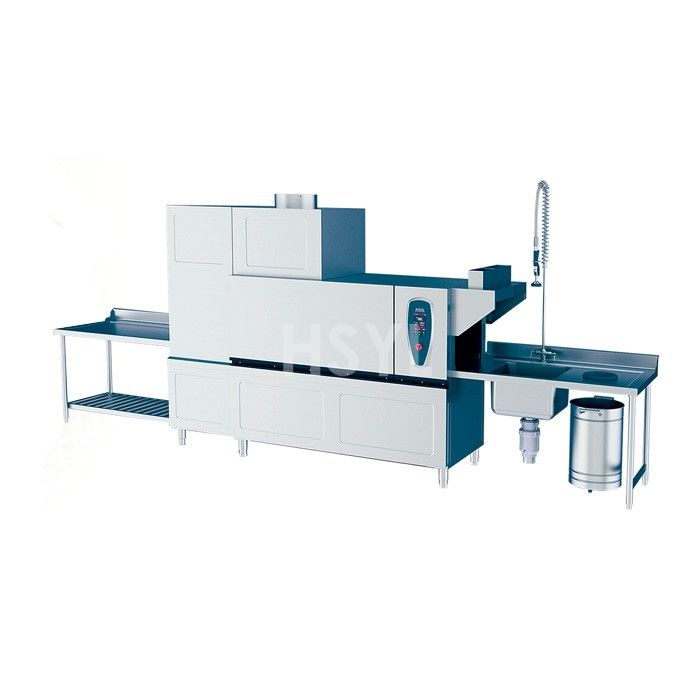
HDW260-EL-R Electric-Heated Commercial Dishwasher
Compare HDW260-EL-R Electric-Heated Commercial Dishwasher capacity, heating, dimensions, u...
View product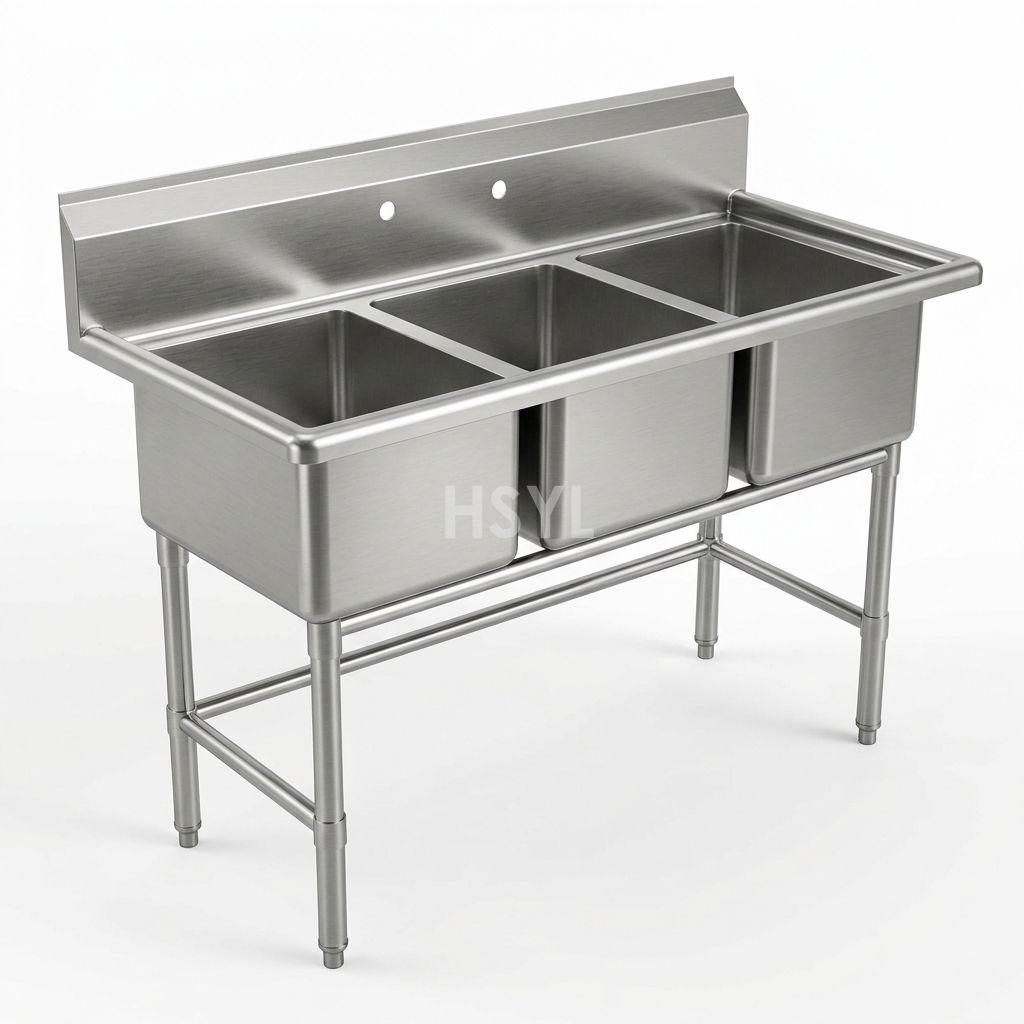
Three-Compartment Commercial Sinks
Three-Compartment Commercial Sinks for commercial kitchens, fabricated to project dimensio...
View product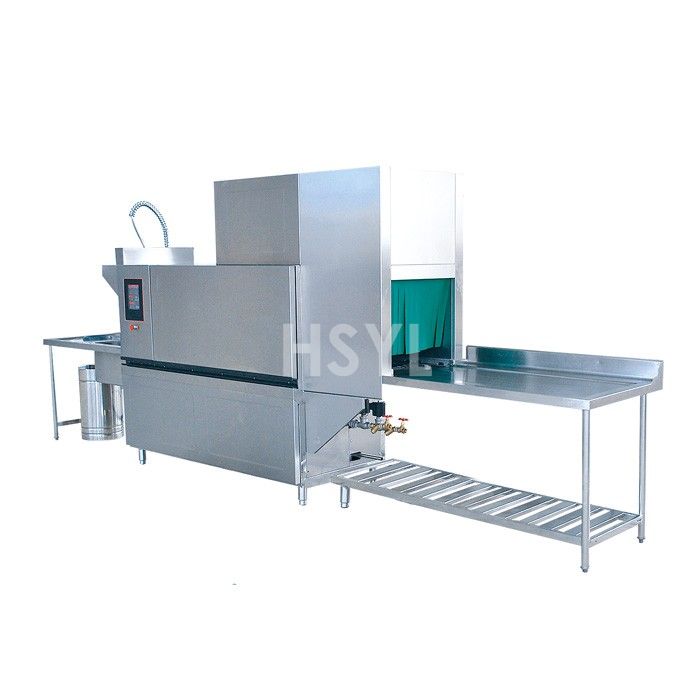
HDW260-SL-R Steam-Heated Commercial Dishwasher
Compare HDW260-SL-R Steam-Heated Commercial Dishwasher capacity, heating, dimensions, util...
View product Stainless Steel Wall Shelf
Plan stainless steel kitchen wall shelves for utensils, containers and clean storage. Spec...
View product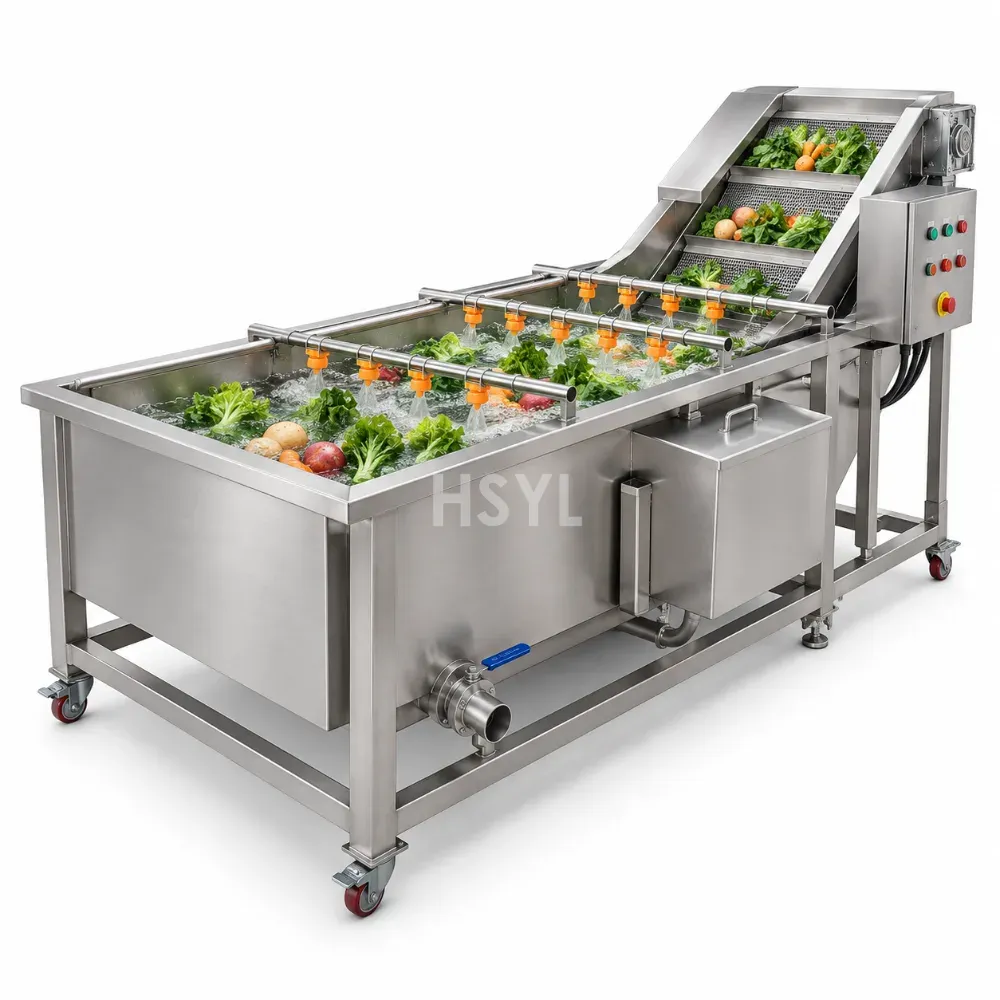
Commercial Vegetable Washers
Commercial Vegetable Washers for central kitchens, food processing plants, canteens and re...
View product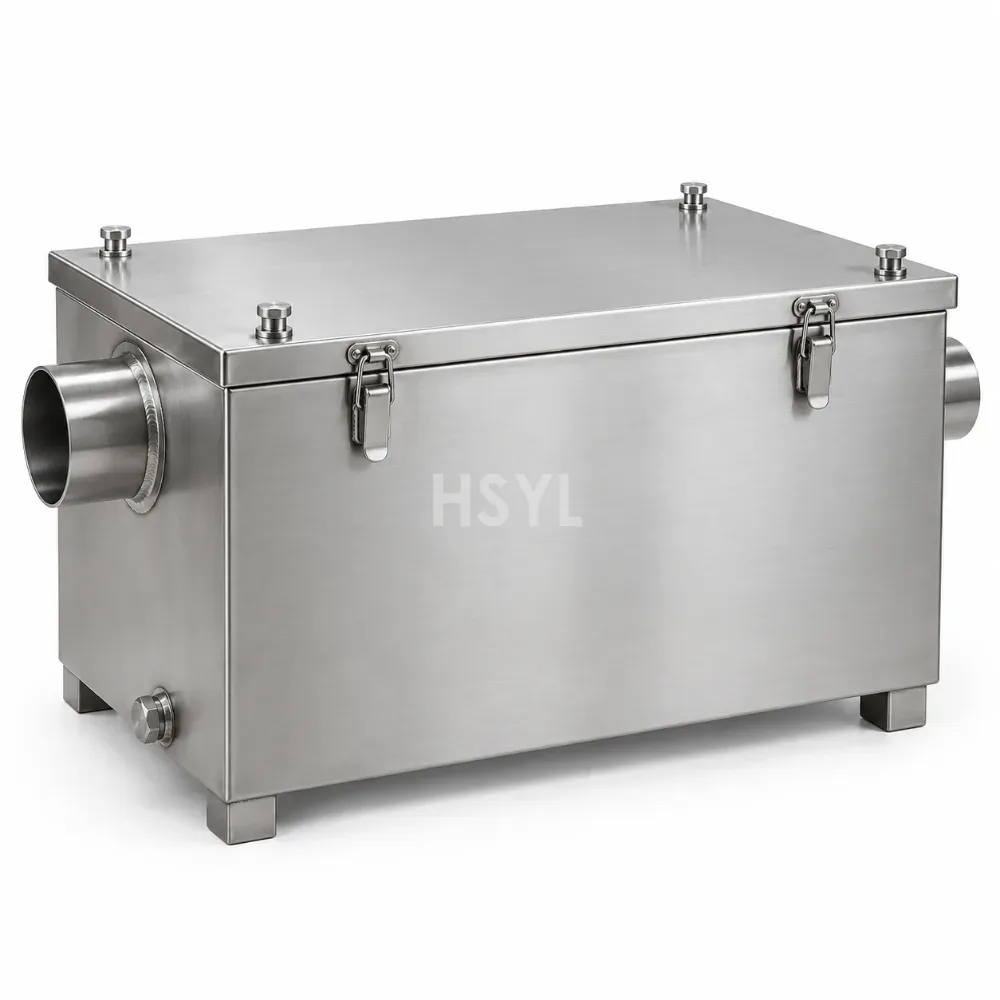
Commercial Grease Traps
Commercial Grease Traps for commercial kitchens, fabricated to project dimensions in AISI ...
View productFrequently Asked Questions
Can one trolley carry meals and return dirty dishes?
Review the site's separation and cleaning procedure before assigning both jobs. Dedicated equipment may be needed when changeover cannot be controlled.
Does a three-tier trolley always carry more useful food?
No. Useful capacity depends on container fit, confirmed limits, shelf spacing and route stability.
What is needed to quote a trolley accurately?
Provide the transport job, container schedule, loaded mass distribution, route measurements, cleaning conditions, destination and required quantity.
Plan the Equipment Around Your Kitchen.
Share your menu, peak service demand, available space and site utilities. Tell us which equipment you are considering so we can review the requirements with you.