Direct Answer / Key Takeaway: Survey doors, turns, lifts, thresholds and the final parking task with the proposed pan rack. A doorway measurement alone does not establish a usable route.
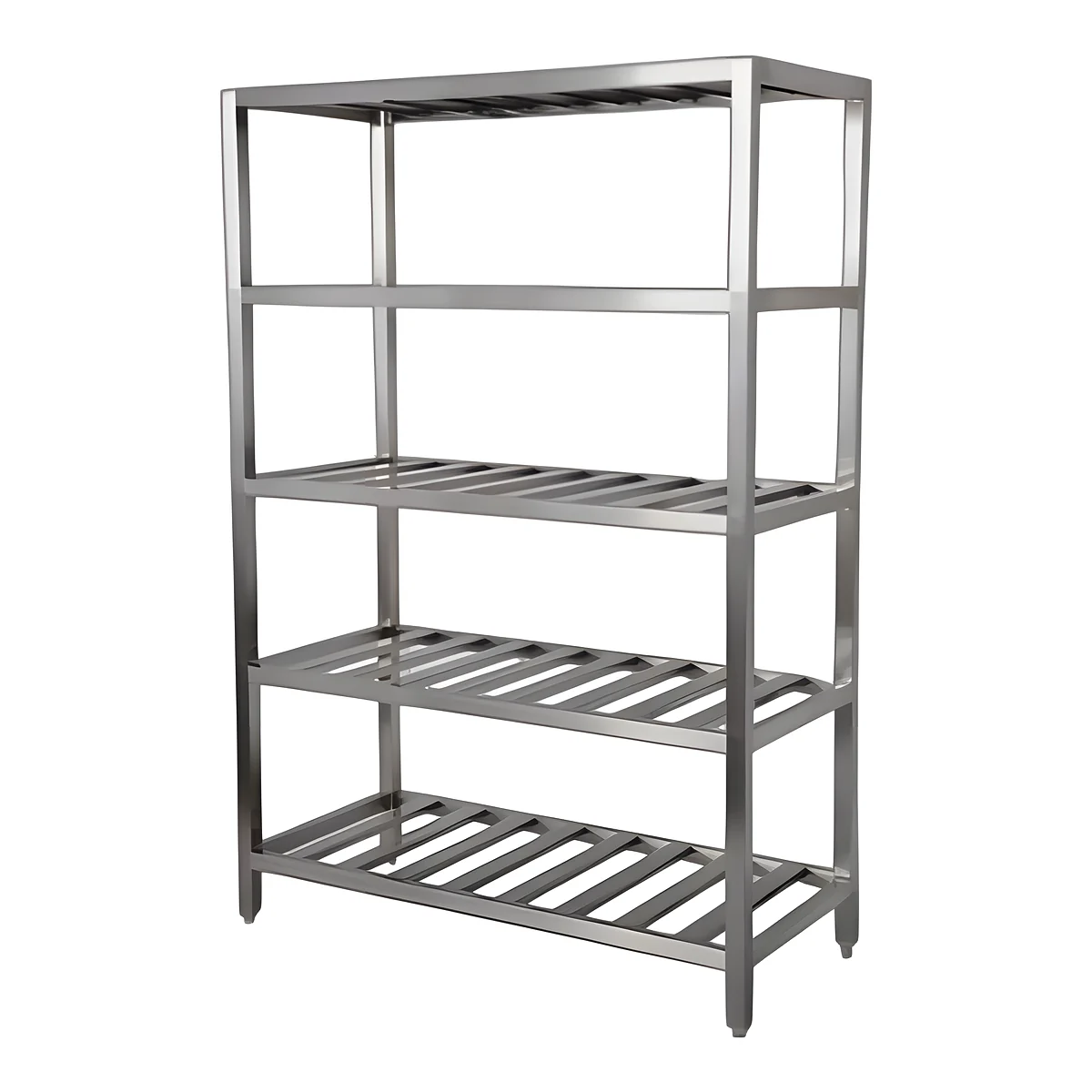
A trolley can pass through a doorway and still fail to reach its working position. The next turn, a lift lobby or the space needed to open a door can be the controlling point. Survey the complete route for the proposed loaded pan rack, not just its narrowest doorway.
Trace the journey from one task to the next
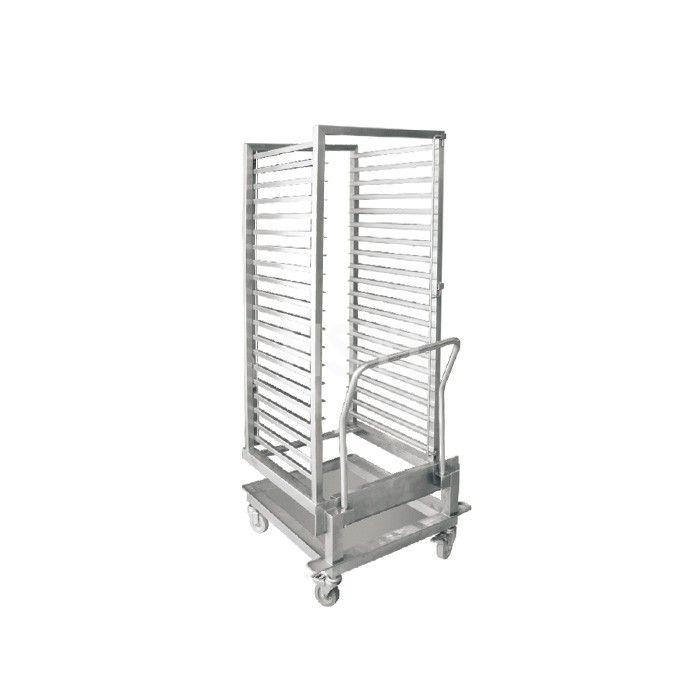
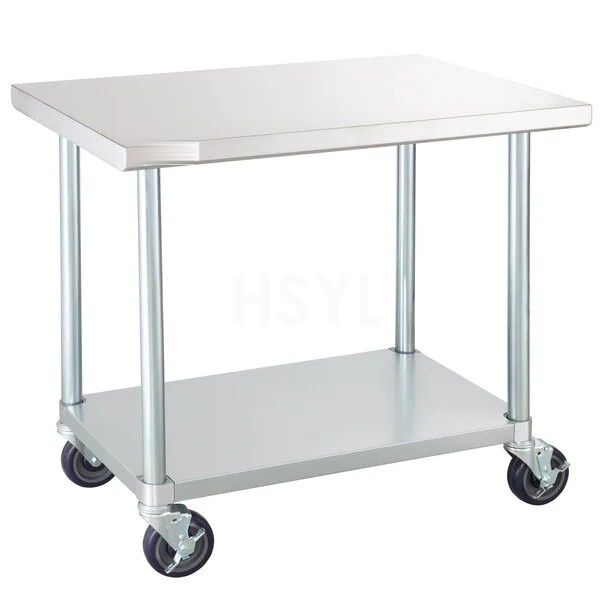
Mark the loading position, destination and return route. Include where staff wait, park and unload. A trolley that reaches the room but blocks the only working aisle has not completed the intended task.
Use the supplier's actual operating outline, including handles, bumpers and any protruding loaded components permitted by the design. Keep shipment dimensions separate. A packaged rack's receiving route and a loaded rack's daily route are different questions.
Measure movement at the difficult points
At doors, record the usable opening with the door in its operating position, together with handles, closers and stops. At corners, assess the whole turn rather than comparing trolley width with corridor width. Identify whether staff can control the movement without losing the intended handling position.
Review lifts and their approach with the responsible site team, including the actual loading arrangement and applicable lift limits. Do not infer approval from an empty trolley fitting through the doors. The proposed load and the people accompanying it belong in the assessment.
Thresholds and floor conditions need their own review
Record changes in level, joints, gradients and surfaces along the route. Give those observations to the trolley supplier and responsible site team. They need to assess the actual wheels, load and permitted use; a large wheel diameter alone is not proof that every obstacle is acceptable.
Do not create a loaded obstacle test without an approved method. Where the route is unsuitable, resolve the equipment or building arrangement rather than directing staff to pull harder, lift the rack or remove a protective fitting.
Include the traffic that normally occupies the route
Observe the intended service period, including people, other carts and doors in use. An empty corridor survey may miss a routine queue outside a wash area or dispatch point. Coordinate the route with the kitchen's working flow and its food-separation requirements.
At the destination, reproduce parking and the permitted unloading task. Confirm that the trolley does not have to be left on an unsuitable surface or in an access route to make the room function.
The food-trolley route and load guide provides related planning context. Record the actual rack, load and unresolved constraints in the site's survey, and keep the accepted route available when rooms or adjacent equipment change. A trolley move that seems minor can introduce a different turn, threshold or parking condition.