Direct Answer / Key Takeaway: Record where display-cooler condensation appears, when doors open and how seals close. Separate routine observations from faults requiring refrigeration service.
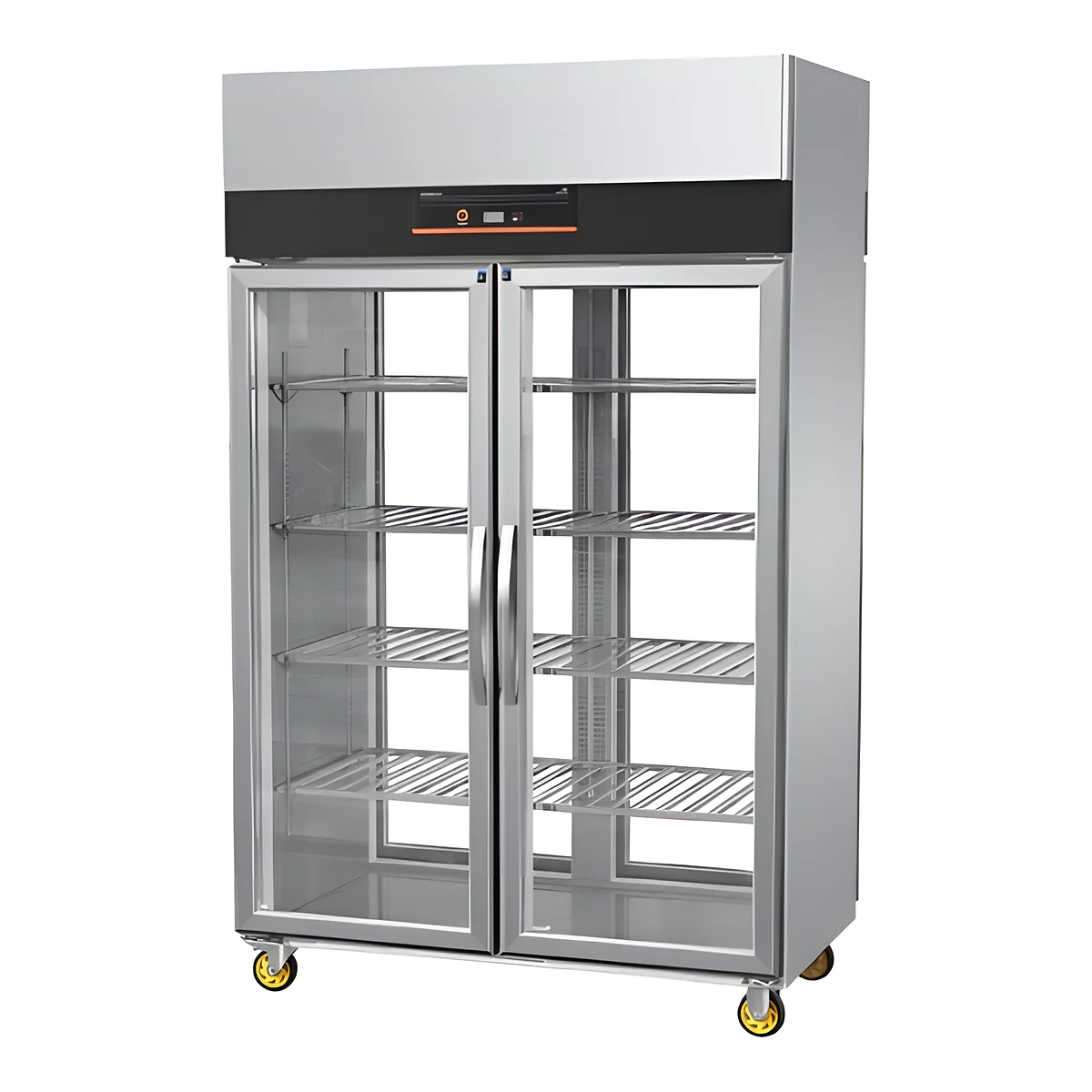
Before changing a cooler setting to clear fogged glass, establish where the moisture is. Condensation on the customer-facing surface, droplets inside the cabinet and mist that appears to be between the panes are different observations. Reporting all three as a temperature fault can send a technician toward the wrong component.
Describe the pattern before wiping it away
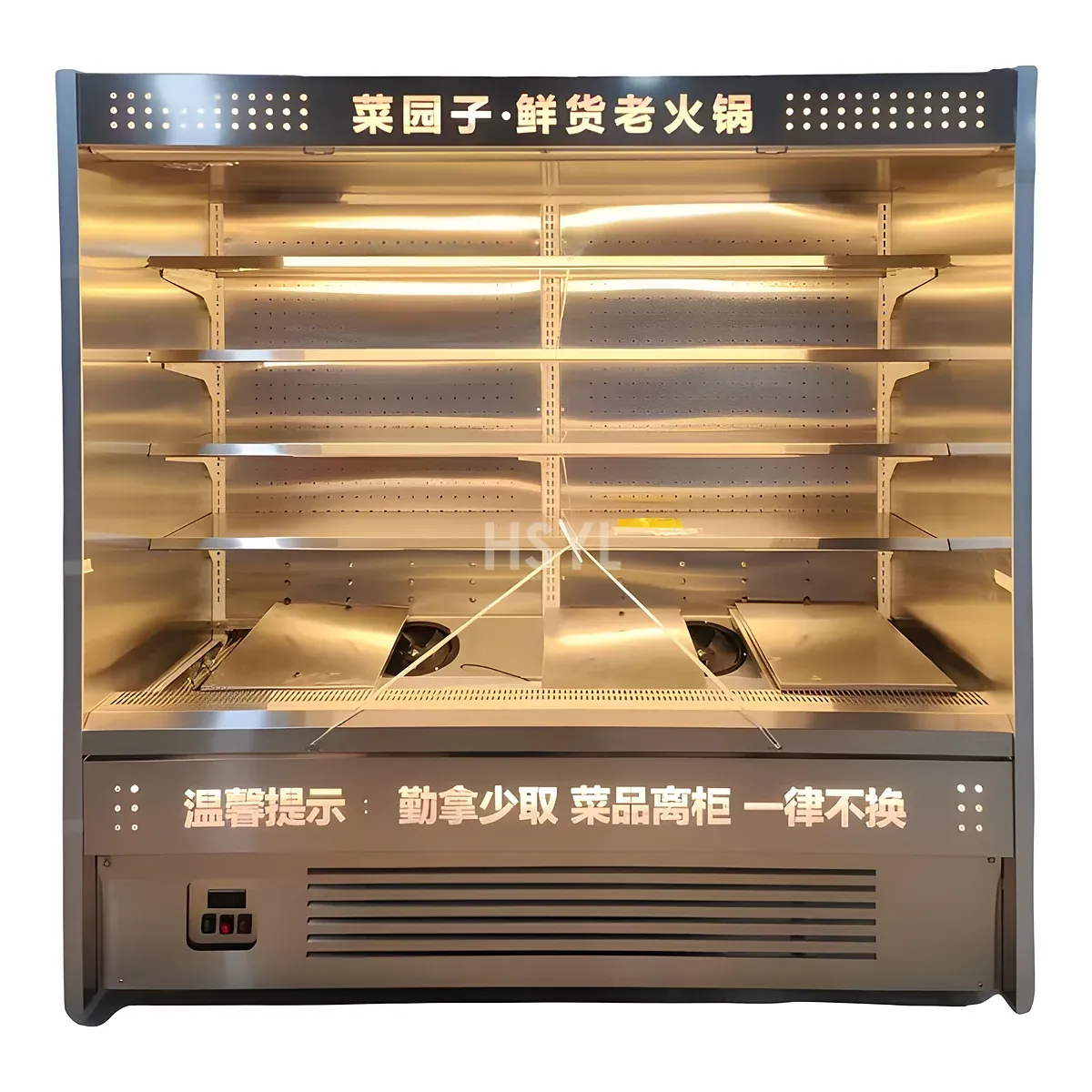
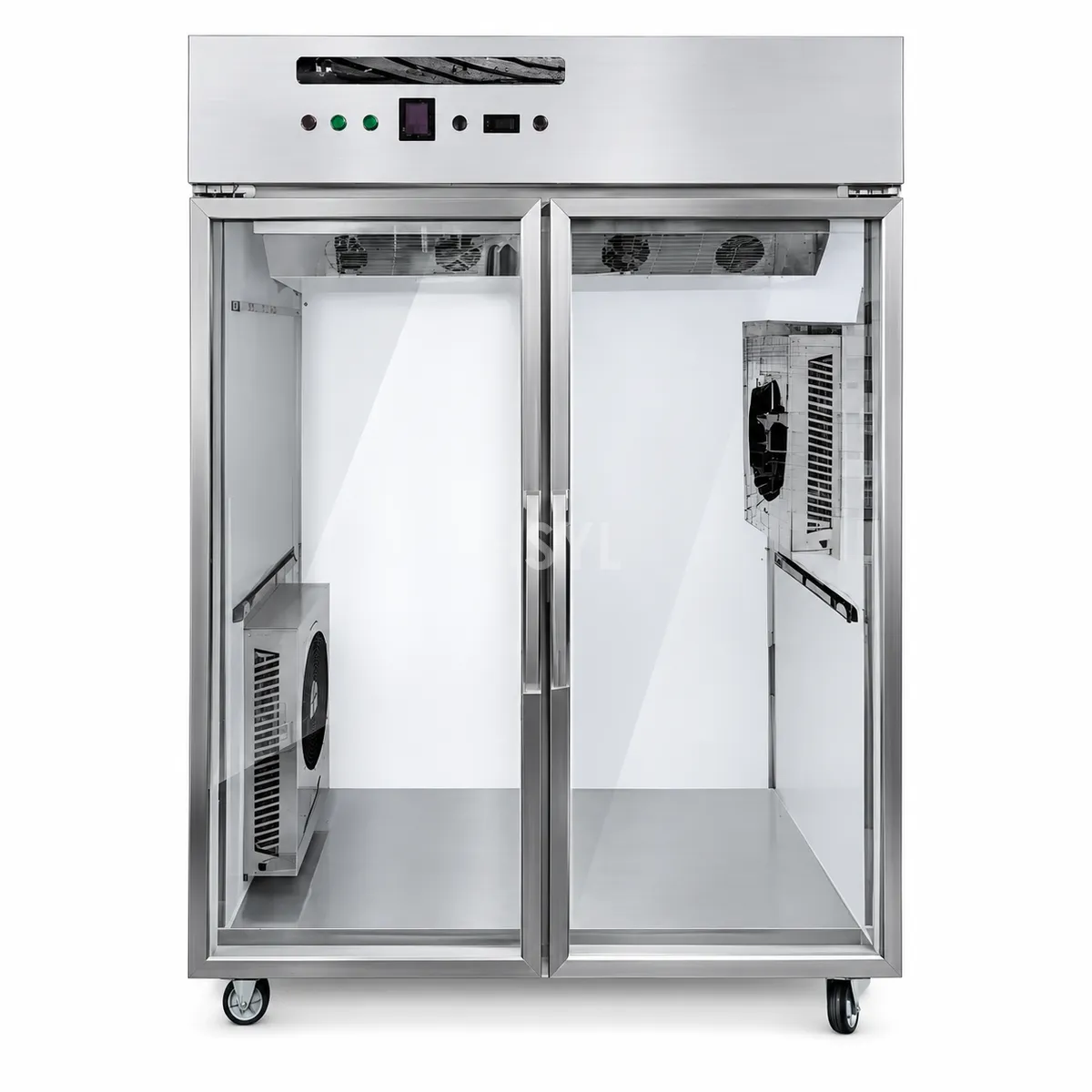
Photograph the affected area and record whether it can be wiped from the outside or the inside. Note whether the moisture is limited to an edge, covers the whole door, appears after refilling or remains when the door has stayed closed. Do not dismantle an insulated glass assembly to investigate moisture that appears inaccessible.
Record the room conditions and nearby activities at the same time. A sudden increase in moisture after mopping, a door held open during replenishment or warm air from another appliance is useful context. A single photograph without the operating scene may not show why the event occurred.
Check closure and stock interference
With normal authorised access, inspect whether a pack, shelf label or damaged trim prevents the door closing. Look for visible seal damage, displaced material or debris on the contact surface. Check that the door returns as described by its own instructions. Do not bend hinges or change closer tension using a procedure meant for a different cabinet.
The shelf arrangement matters: products extending into a door's closing path can create a repeat problem each time the cabinet is restocked. Correct the loading conflict and observe the next normal service period. Coordinate the actual stocking and cleaning work with the loading correction. The workflow-design review supports arranging that work around customer access.
Verify which anti-fog features were actually supplied
Some models have heated glass or perimeter arrangements; others manage the conditions differently. Check the quoted model and its documentation. The HSYL catalogue describes heated anti-fog glass for certain cabinets, which does not establish that every glass-door cooler has a heater or the same controls.
If an included feature appears not to operate, give the service provider the model, serial number, symptoms and timing. Electrical inspection and component testing require the appropriate service procedure. A customer should not remove covers, bridge controls or add an improvised heater to make the glass clear.
Use temperature evidence correctly
Record the controller display and the authorised product-temperature checks required for the actual contents. Do not make the cabinet warmer solely because the glass looks wet. The storage duty remains the controlling requirement, and moisture observations are not a substitute for verifying that duty.
Where a scheduled defrost or a loading event may explain a changing reading, keep its timing in the service notes. The defrost scheduling discussion can help separate a planned operating event from an unexplained disturbance, but the selected unit's control sequence must be confirmed.
Give the technician a useful record
Provide the moisture location, photographs, time of appearance, door-use history, room activity, relevant readings and any visible seal or closure issue. List changes already made. This allows the technician to decide whether the next investigation concerns loading, door hardware, the glass assembly, an anti-fog feature or the refrigeration system. It avoids replacing a part on the assumption that every wet door has the same cause.