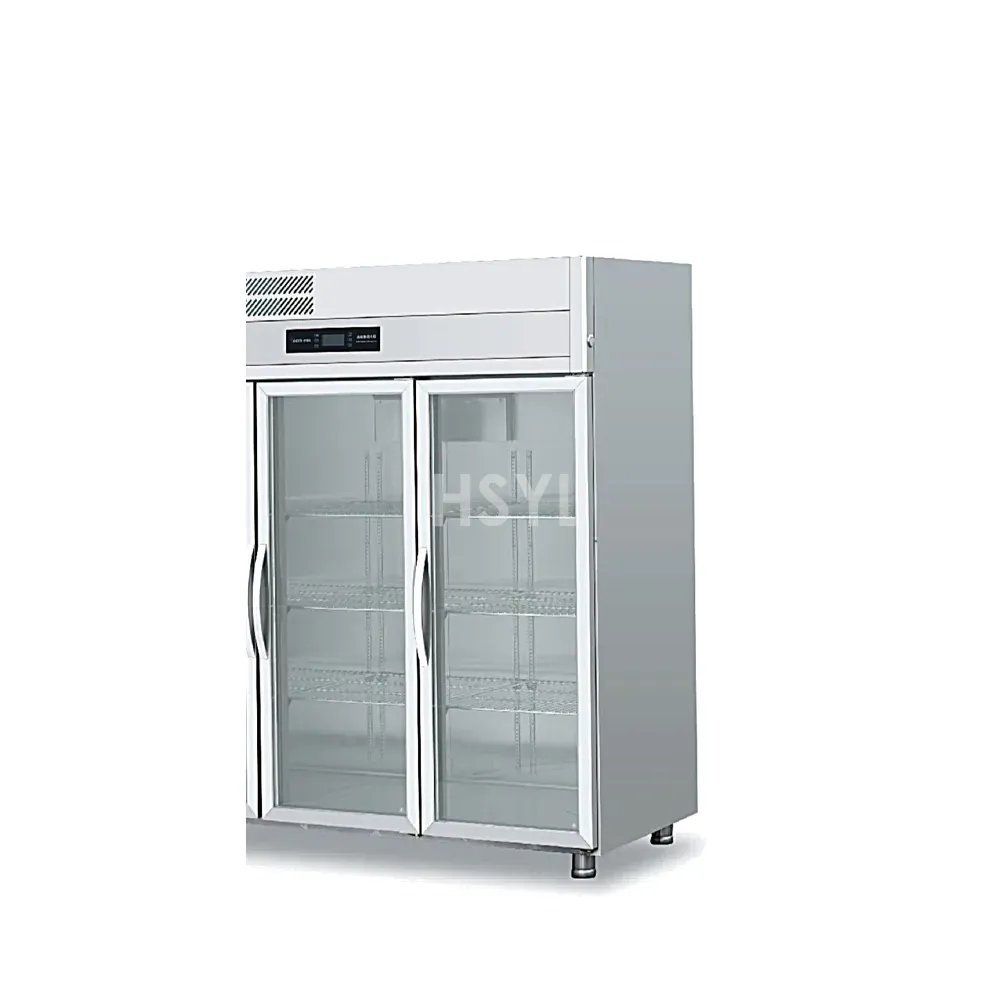
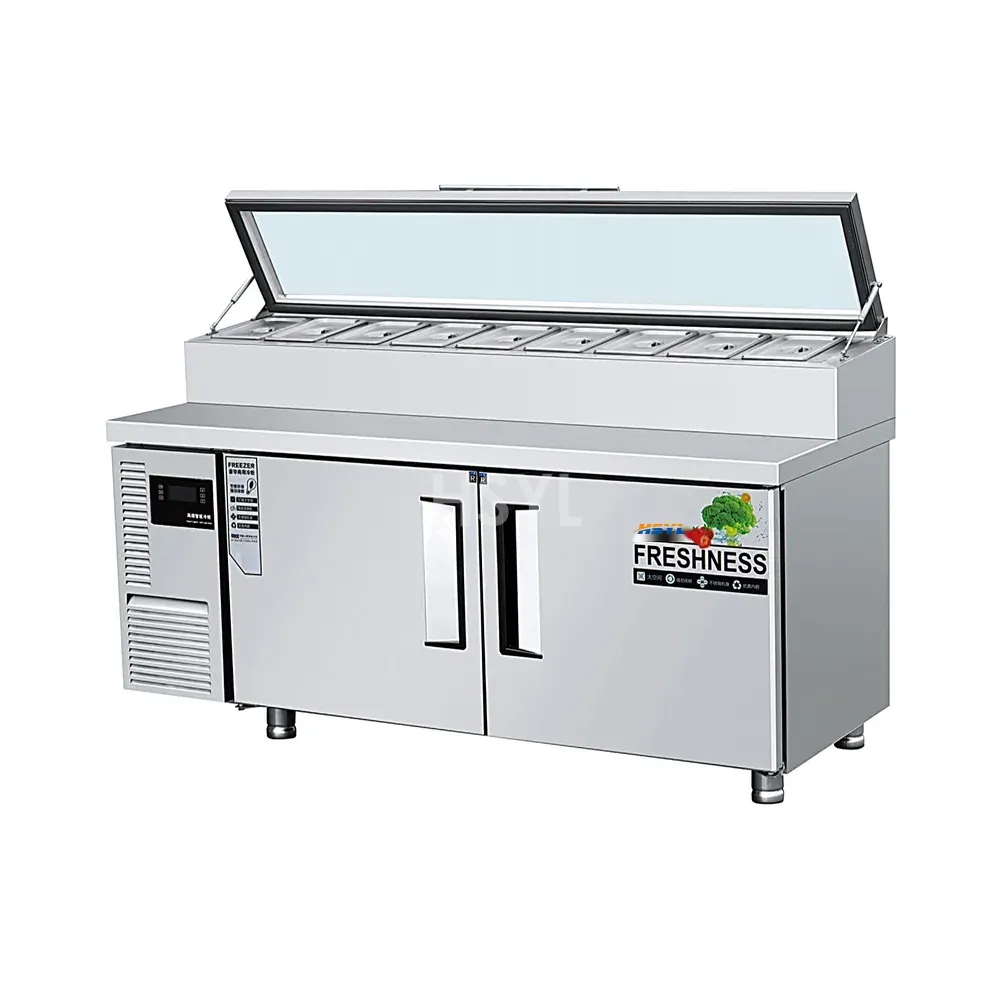
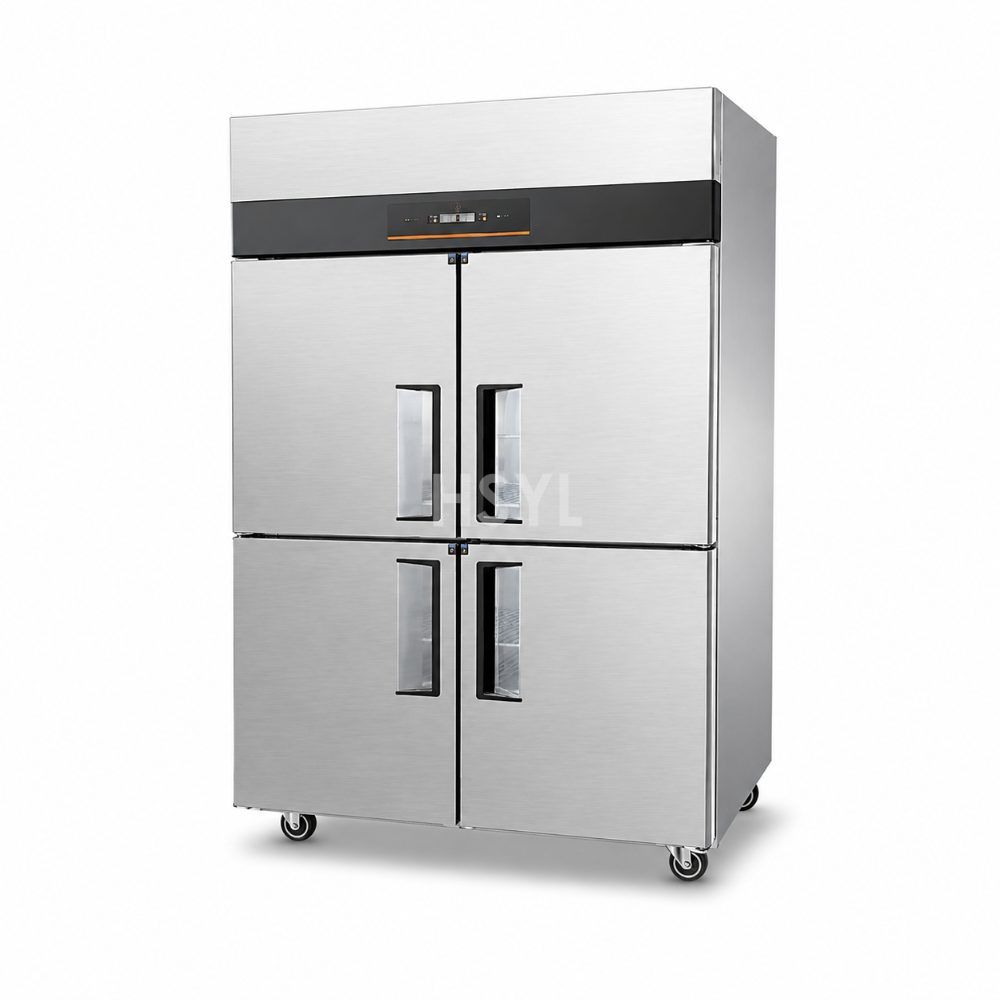
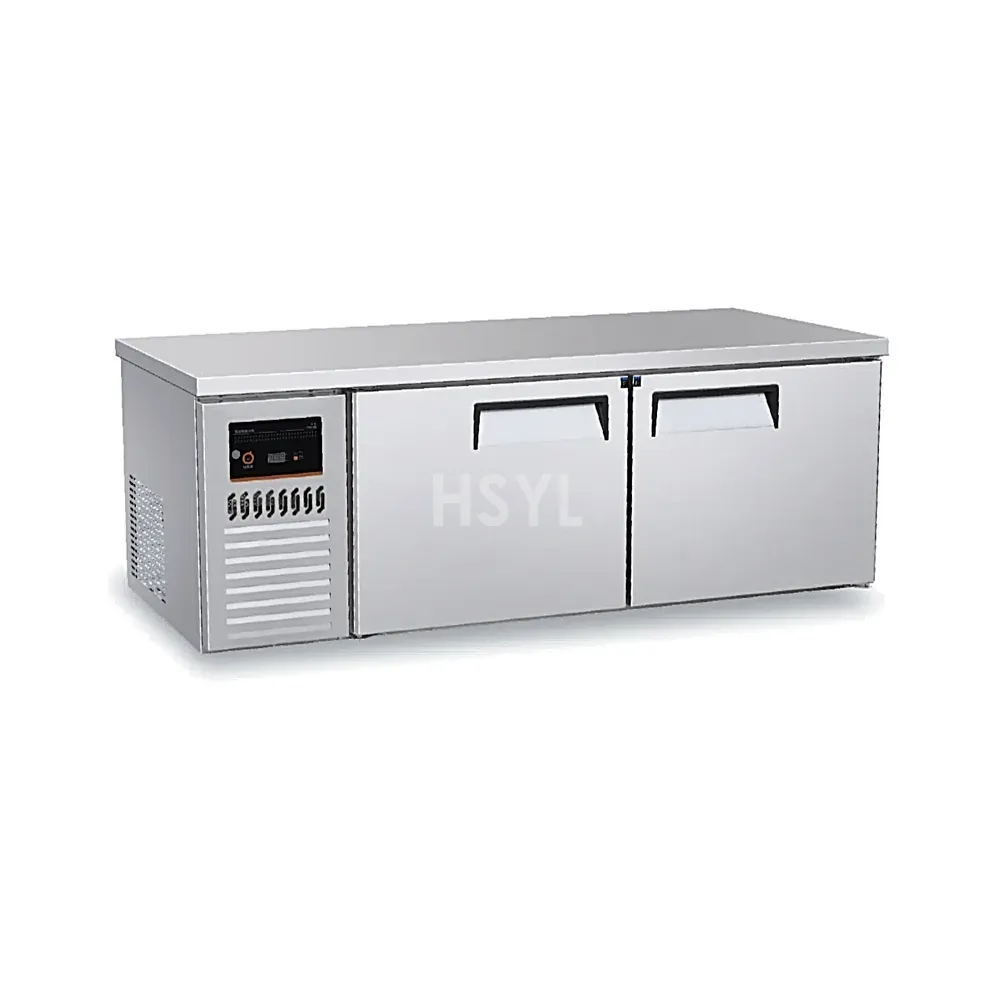
Direct Answer / Key Takeaway: Coordinate commercial refrigerator defrost scheduling with model controls, access, replenishment and food monitoring. Record the actual operating sequence.
Commercial refrigerator defrost scheduling should be reviewed through the actual machine's control method and the kitchen's use pattern. Some arrangements are controlled by functions that the operator does not select as a simple calendar event. Confirm the exact model's permitted operation before proposing a timing change.
The useful planning question is how the observed operating sequence interacts with ingredient access, replenishment and the required food condition. It should not become an improvised adjustment of refrigeration controls.
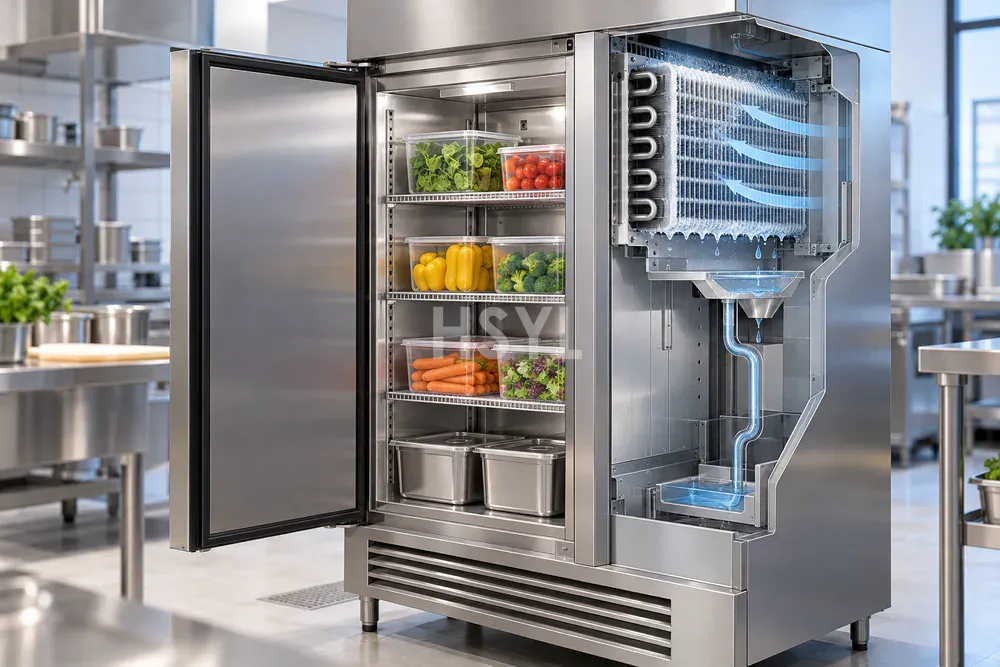
Identify what the machine actually does
Obtain the offered or installed configuration, control documentation and relevant operating instructions. Ask the authorized supplier or service provider to identify how its defrost function is controlled and which observations or settings the operator may use.
Record the released information and revision. Similar-looking cabinets can have different controls and operating arrangements. Do not apply another model's interval, termination condition or service procedure because the cabinet size appears comparable.
Observe events beside service demand
Record a representative operating period using the permitted monitoring method. Put relevant defrost or operating events, door access, stock withdrawal and replenishment on the same timeline. Keep the observed event identity separate from an assumption made from a display change.
Retain ambient and loading conditions. An unusual delivery or a changed access pattern can affect the interpretation of a period that also contains a defrost event. The record should let the responsible service person understand the sequence without reconstructing it from a complaint that the cabinet went warm.
Keep product monitoring as its own task
Identify the food or approved representative load and its measurement method. A monitored cabinet-air change and a food observation need distinct fields. Review acceptance using the facility's approved requirements and process.
The government chilling guidance is official background for food businesses. It does not replace the actual equipment instructions or authorize a control modification.
An illustrative event record could show an identified operating event at 10:20, an ingredient withdrawal at 10:24 and a replenishment at 10:31, each linked to the monitoring file. Those times simply demonstrate a traceable record. They are not a suggested defrost schedule or a claim about recovery.
Review a change through the authorized process
Give the supplier or qualified service provider the event timeline, configuration and measured conditions. If a permitted timing or operating change is proposed, record the authority, exact change, reason and verification required. Preserve the earlier record for comparison.
Reassess the full relevant service window rather than only the first attractive display reading after the change. Keep the permitted load and food requirements visible. Any unresolved condition should follow the facility's approved escalation and product-disposition procedure.
Include the arrangement in daily planning
Where the released operating information identifies an appropriate service arrangement, coordinate replenishment and access accordingly. Make responsibilities clear: who monitors, who reports an abnormal event and who may change controlled settings. An operator should not have to infer these roles during a peak service.
Review the record when equipment, menu, stock arrangement or routine delivery changes. Keep the manufacturer information with the facility's installation and maintenance records. This makes a defrost-related discussion an evidenced operating review instead of a universal interval chosen without model or product context.