Direct Answer / Key Takeaway: Assess grinder workload from the product, cutting system and required passes. Include preparation, receiving containers and complete batch handling in the capacity review.
A grinder chosen to produce a required mass of finished mince may need to process that material more than once. The recipe's cutting sequence matters alongside the incoming meat and selected cutting system. Assess the whole permitted process rather than reading a single kilograms-per-hour number as finished-product capacity.
Write the grind specification first
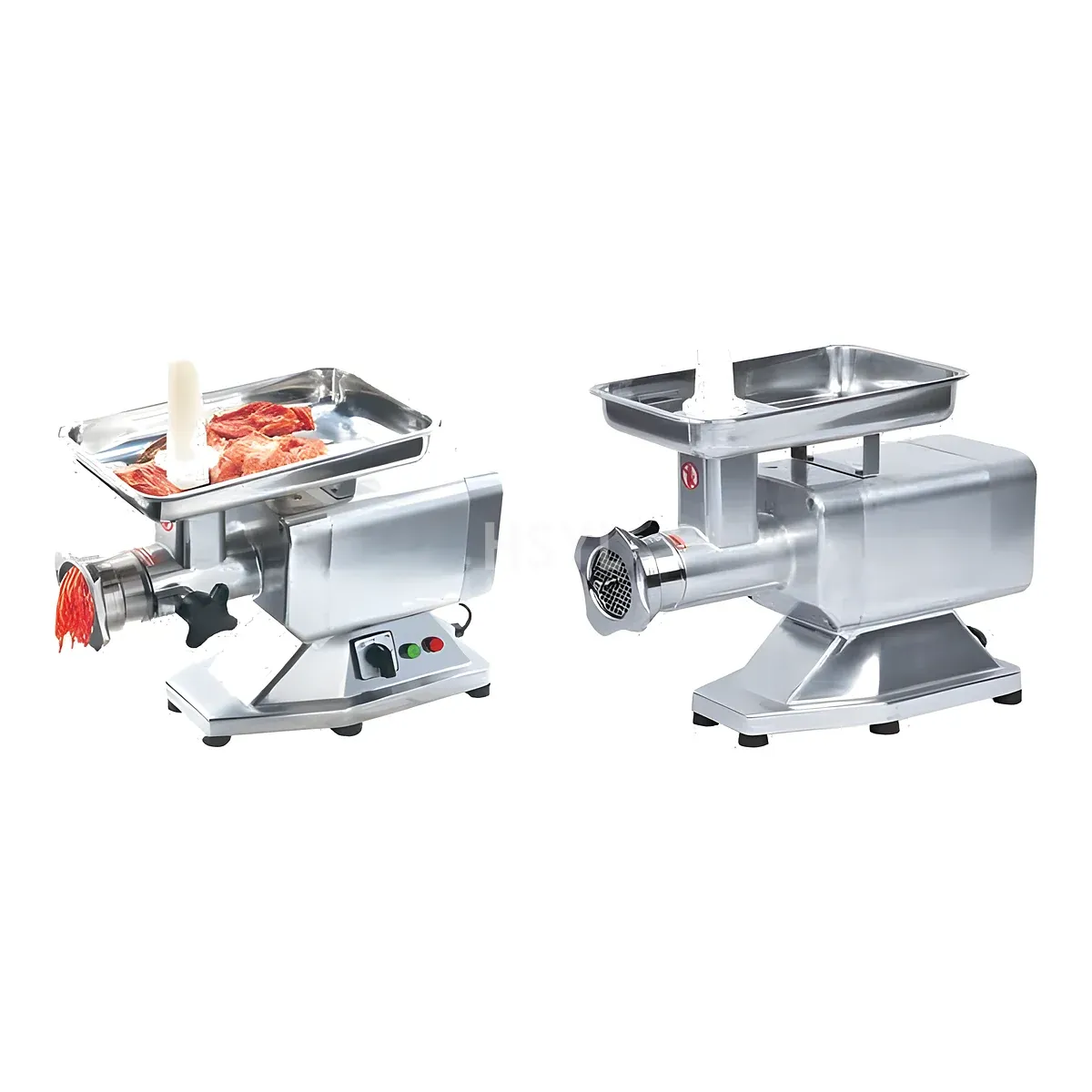
Identify the product, its allowed condition for the proposed grinder and the finished texture the recipe requires. State the confirmed cutting system and plate sequence where more than one pass is part of the approved recipe. Do not create a new grinding method merely to match a machine demonstration.
The catalogue's HM grinder range includes distinct cutting configurations. A model number or plate diameter does not alone establish output for every meat, texture or pass. Keep the supplier's demonstrated conditions with any rate used for selection.
Count the work that reaches the grinder
For a hypothetical 30 kg recipe requiring two complete passes, approximately 60 kg of passage work is scheduled before considering retained material or losses. That does not mean both passes run at the same speed. Record each pass separately and keep finished usable output distinct from material moved through the machine.
Hobart's manufacturer capacity chart differentiates first and second grinds under stated product and plate conditions. It illustrates why those conditions belong beside the rate. Its numbers do not rate a different manufacturer's equipment.
Observe how material reaches the next pass. Include receiving containers, transfer, any approved interim handling and the return to the feed position. Keep those movements under the site's food-safety and temperature-control plan; do not assume material may wait beside the grinder until convenient.
Find the complete batch completion time
Include the preparation needed for the machine's permitted input, assembly by trained staff, grinding, collection, any authorized tooling change and cleaning. Record staff involvement and elapsed time. A demonstration that starts with prepared material and ends when the last piece leaves the plate omits much of the kitchen task.
Check the receiving arrangement at the actual bench. A full container must be exchanged through a planned route without staff reaching into the machine. If container changes interrupt a continuous demonstration, count them rather than applying an assumed allowance.
Judge the usable result
Have the kitchen assess the accepted texture and portion yield under its recipe criteria. Faster processing is not a successful trial if the result needs rework or is unsuitable for the next step. Do not infer permission to process bones, frozen blocks or other difficult inputs from the term heavy duty.
Select against the required completion window and the demonstrated complete batch. Keep the actual product, permitted condition, cutting configuration and passes in the purchasing record. This makes the capacity claim traceable to the job the kitchen will perform.