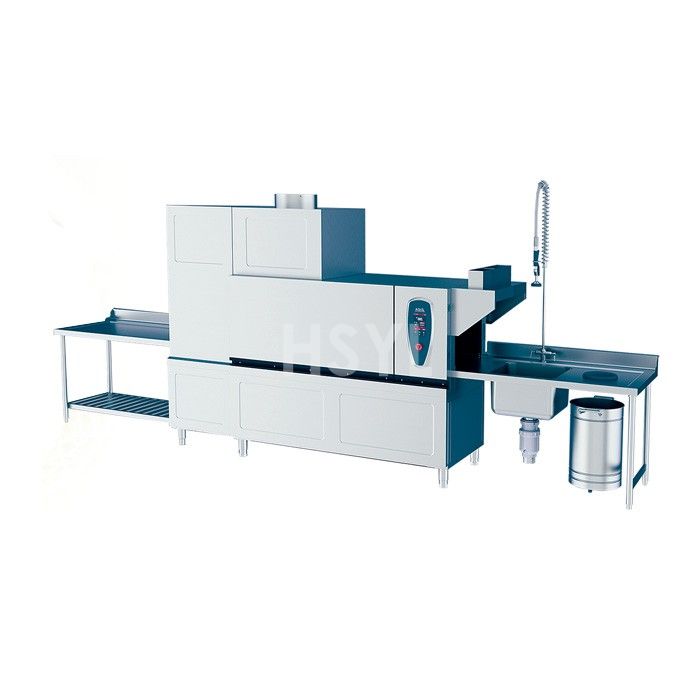
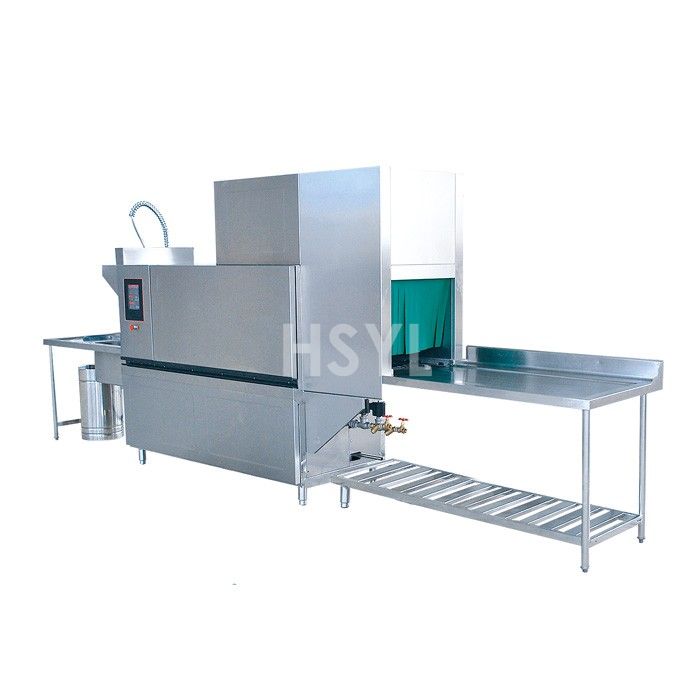
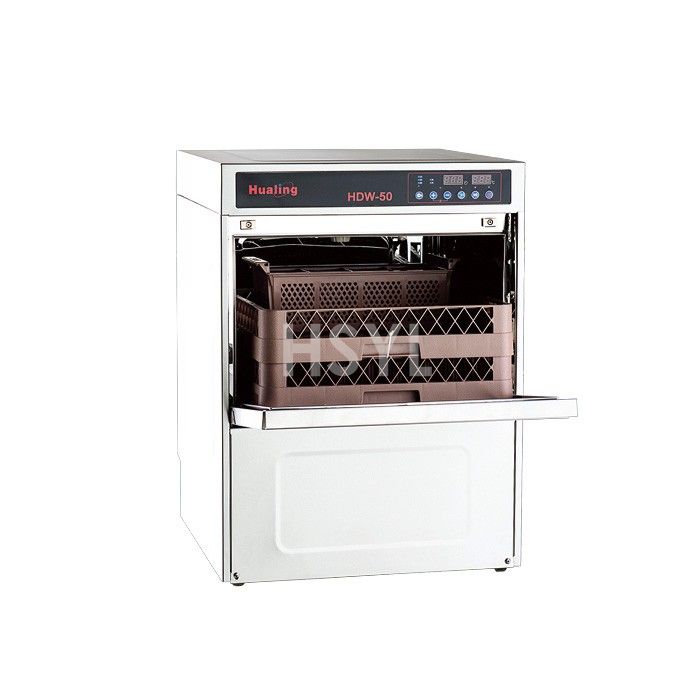
Direct Answer / Key Takeaway: Compare the complete occupied station before upgrading an undercounter washer. Follow racks, staff, waste and clean receiving to find the limitation the new layout must resolve.
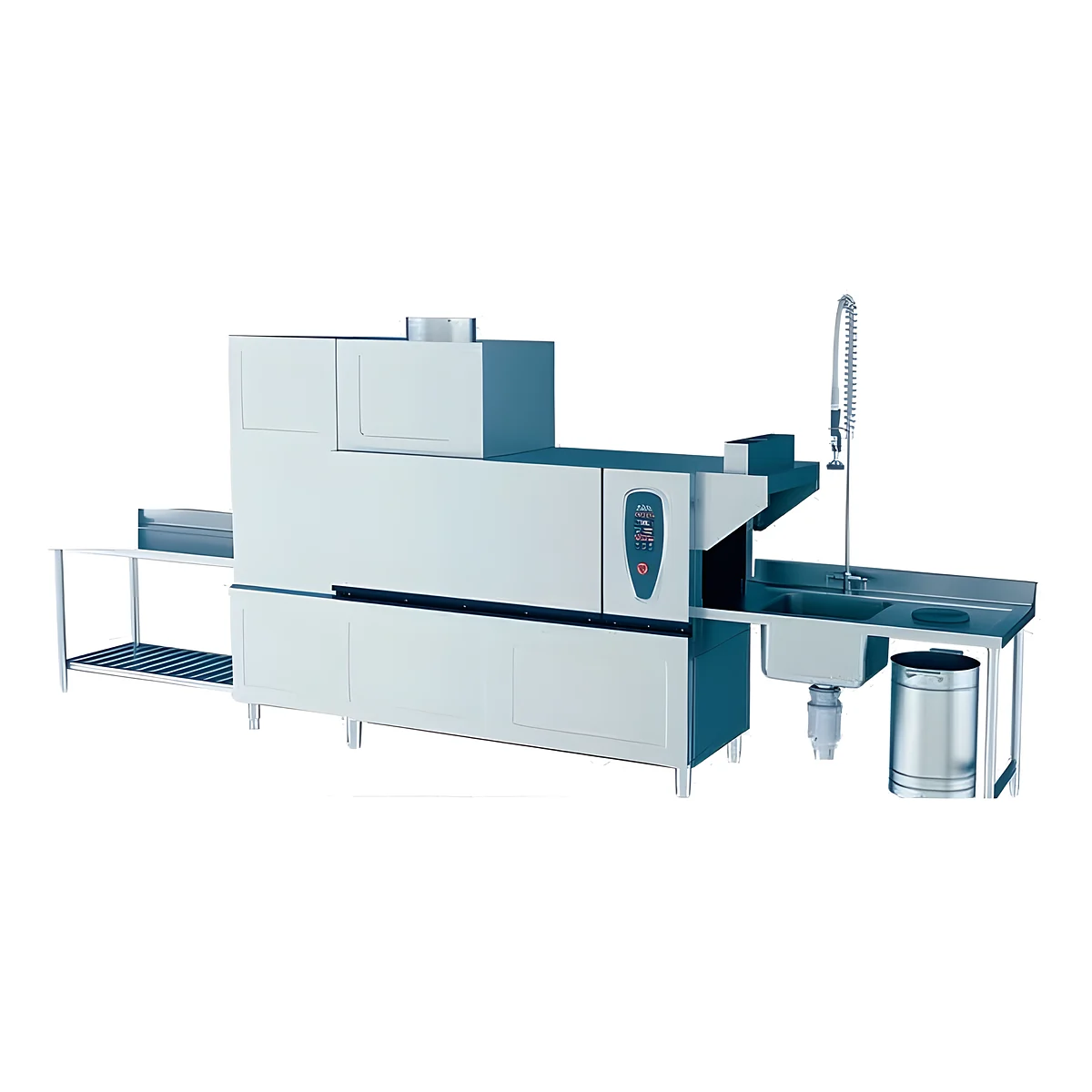
Replacing an undercounter washer with a pass-through machine changes how racks move and where staff work. Decide which station problem that change is meant to solve before treating the new format as a productivity upgrade.
Observe the existing limitation
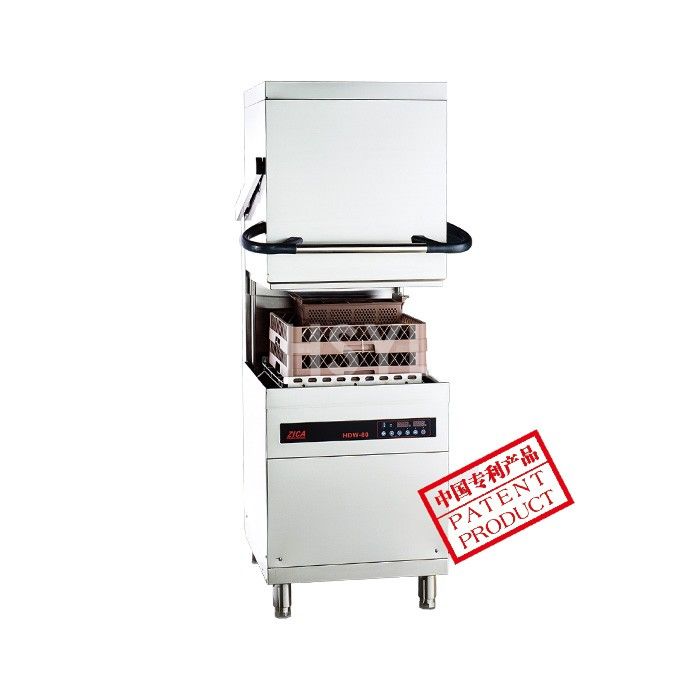
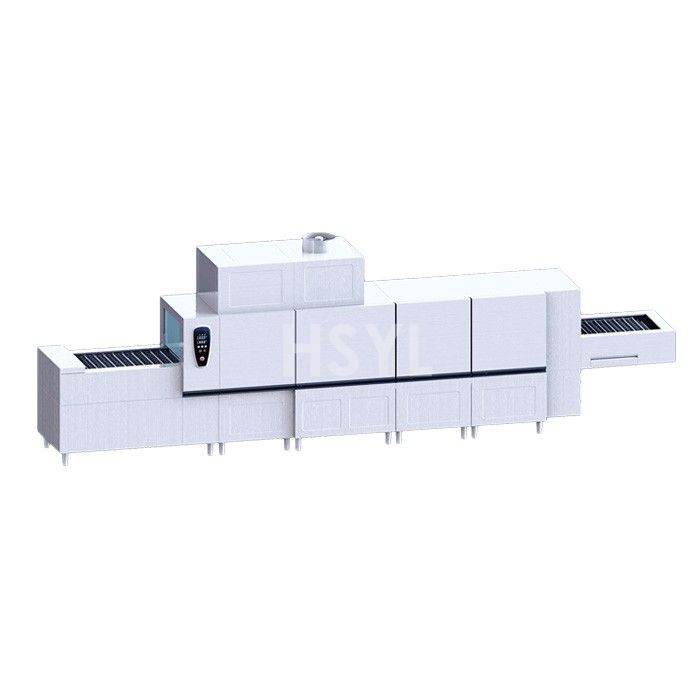
Follow a representative return of tableware through sorting, preparation, loading, washing and clean receiving. Record waiting and staff work separately. Identify whether the queue forms at the machine or elsewhere, such as a shared dirty landing, missing rack or blocked clean destination.
Include the staff positions and repeated handling that users report as difficult. Have the responsible workplace team assess those tasks with the actual operators. A higher work surface or a different hood does not establish a universal improvement for every person.
Rehearse the proposed arrangement
Use the actual supplied machine configuration and proposed tables on an occupied layout. Show where the rack goes next, where an empty rack returns and what happens when one person also handles waste or replenishes consumables. Do not compare a staffed proposed station with an understaffed current one without keeping that difference visible.
The dishwasher format comparison provides selection context. The choice here must still come from the site's accepted workload and complete supported arrangement, rather than a fixed meals-per-day boundary.
Check that any larger landing or changed rack direction does not move the original congestion to another task. Use the cross-traffic review to include incoming food-service traffic and the clean-ware return.
Compare the change the evidence supports
Measure accepted output and the full required work under comparable conditions. Preserve the required washing and hygiene outcome. A faster cycle or fewer loading movements cannot compensate for increased rewash or an unresolved receiving area.
Include machine, tables, building work, connections, training and commissioning in the installed comparison. If the new arrangement requires another staff role, show it. If it frees time for useful work but leaves paid staffing unchanged, describe that capacity benefit without calling it a payroll saving.
The upgrade is justified when it addresses the observed limitation with a usable, supportable station. If the real issue is rack availability or collection from the dining area, resolve that task first and reassess which equipment change remains necessary.