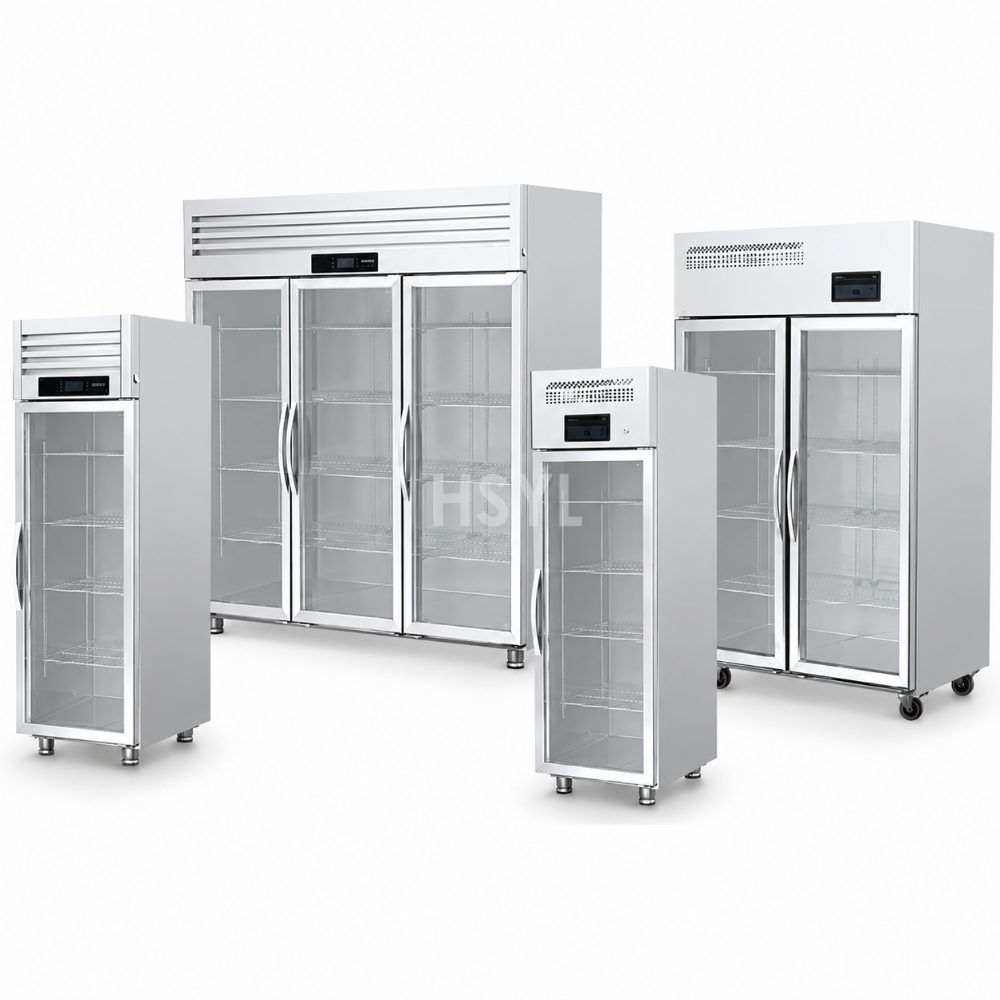
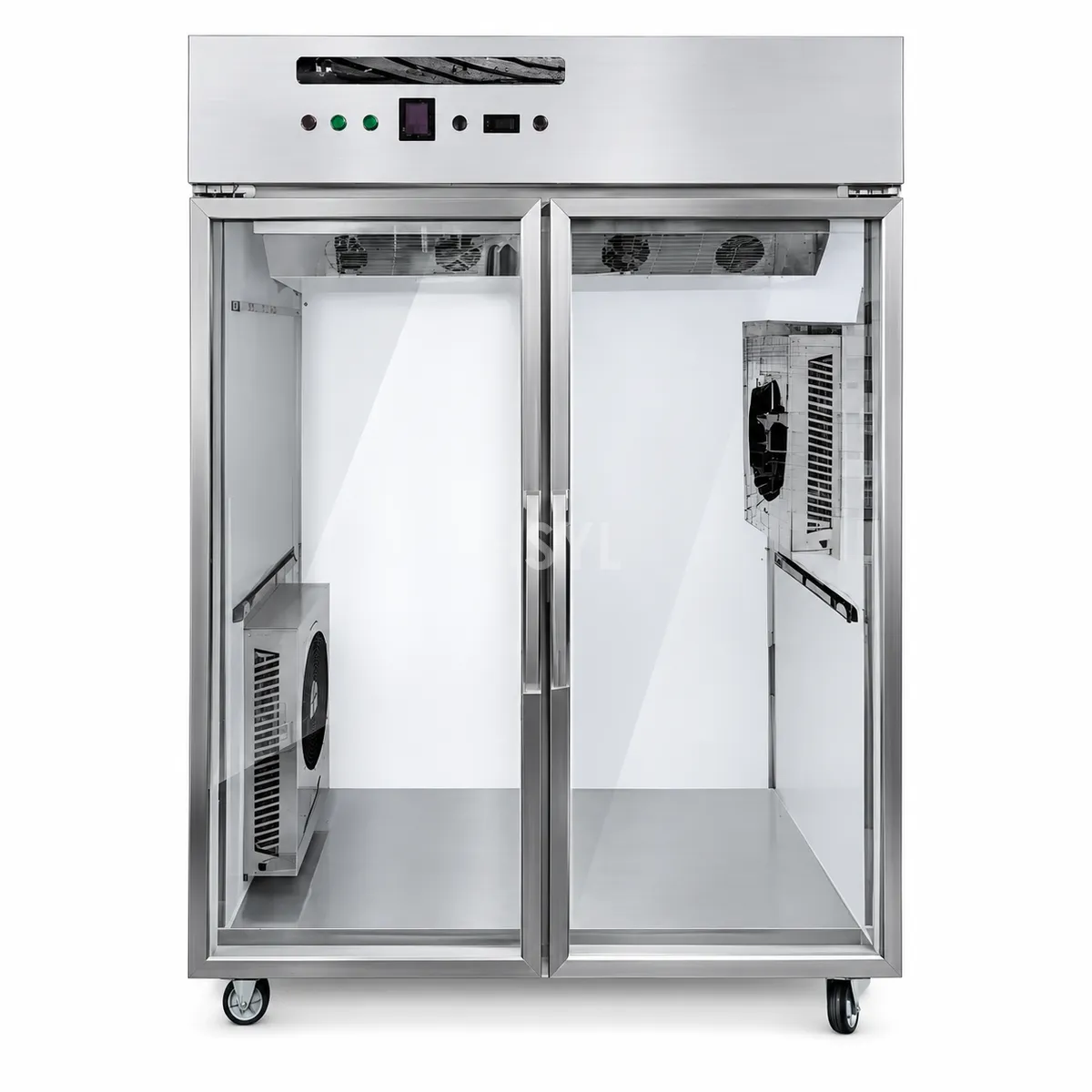
Direct Answer / Key Takeaway: Define a small hot-air tableware cabinet‘s useful load from actual dishes, supported loading and the complete time before cleaned items can return to service.
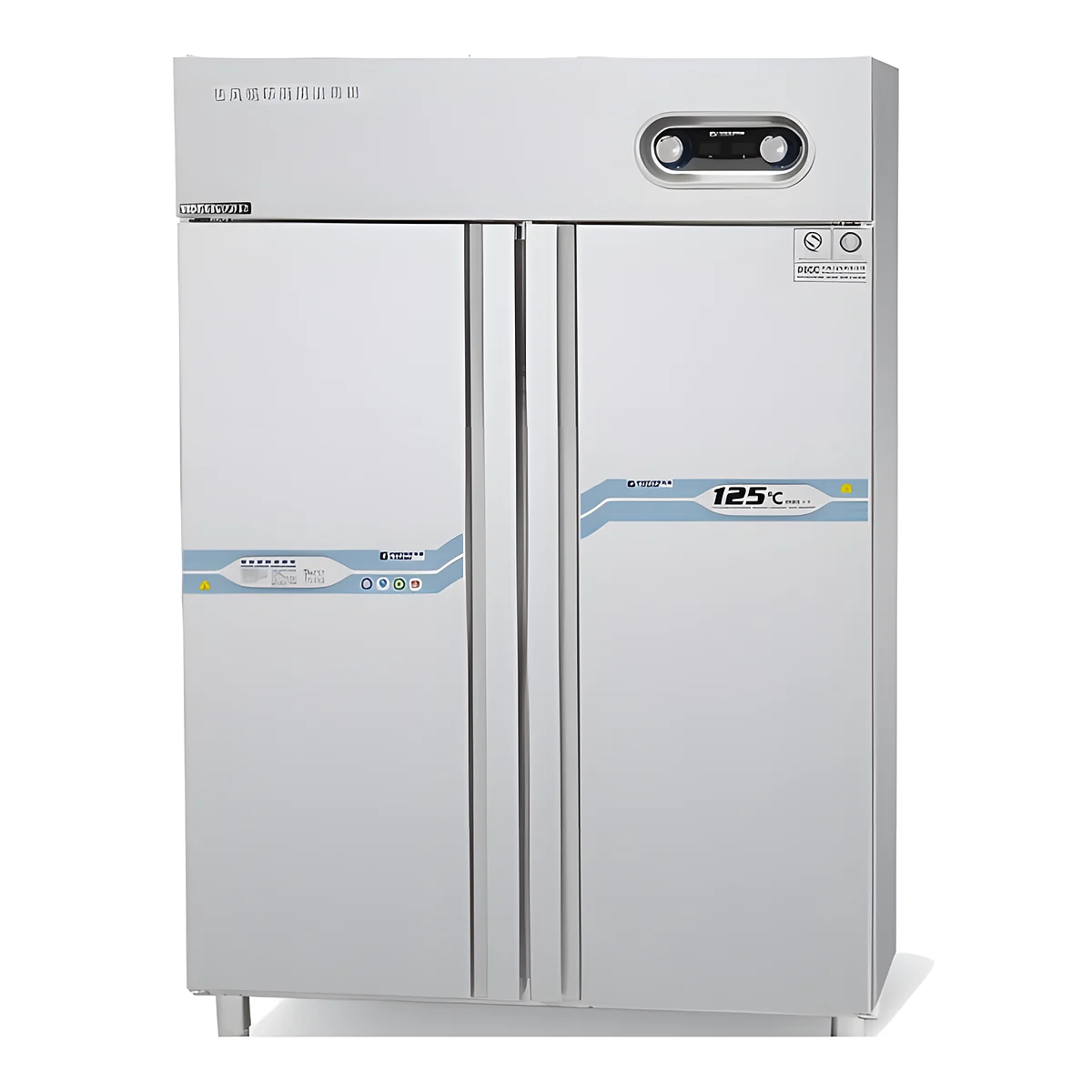
A small tableware cabinet's useful load is the dish set that can be processed in its supported arrangement and made available when needed. Nominal litres do not show how bowls, cups and plates occupy shelves or how the complete operating sequence fits the service period.
List the actual items with dimensions, material and intended quantity. Confirm that each item is suitable for the offered cabinet's approved process. Decorated dishes, composite parts and different polymers need their own manufacturer guidance; do not infer compatibility from the broad label 'tableware'.
Build one representative load
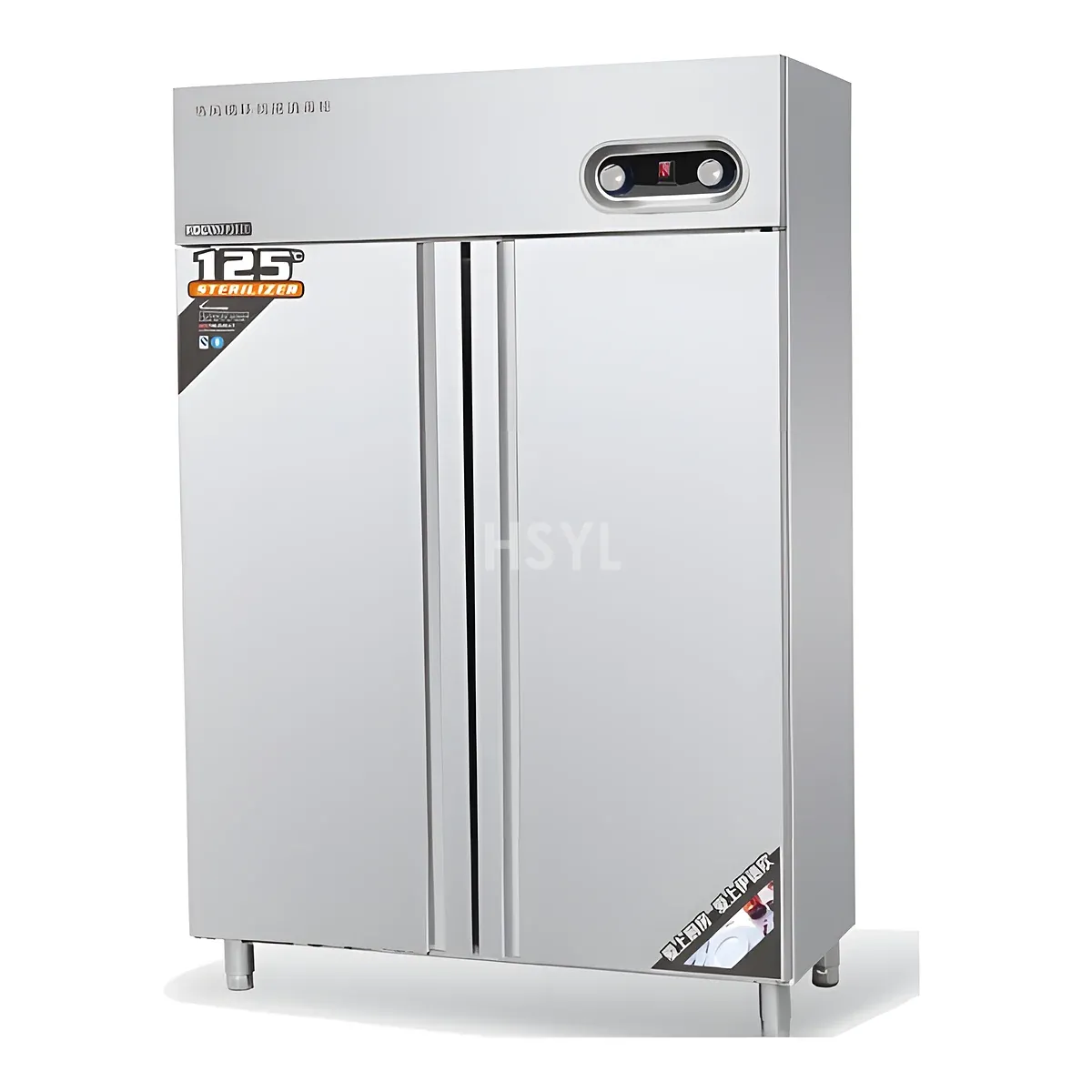
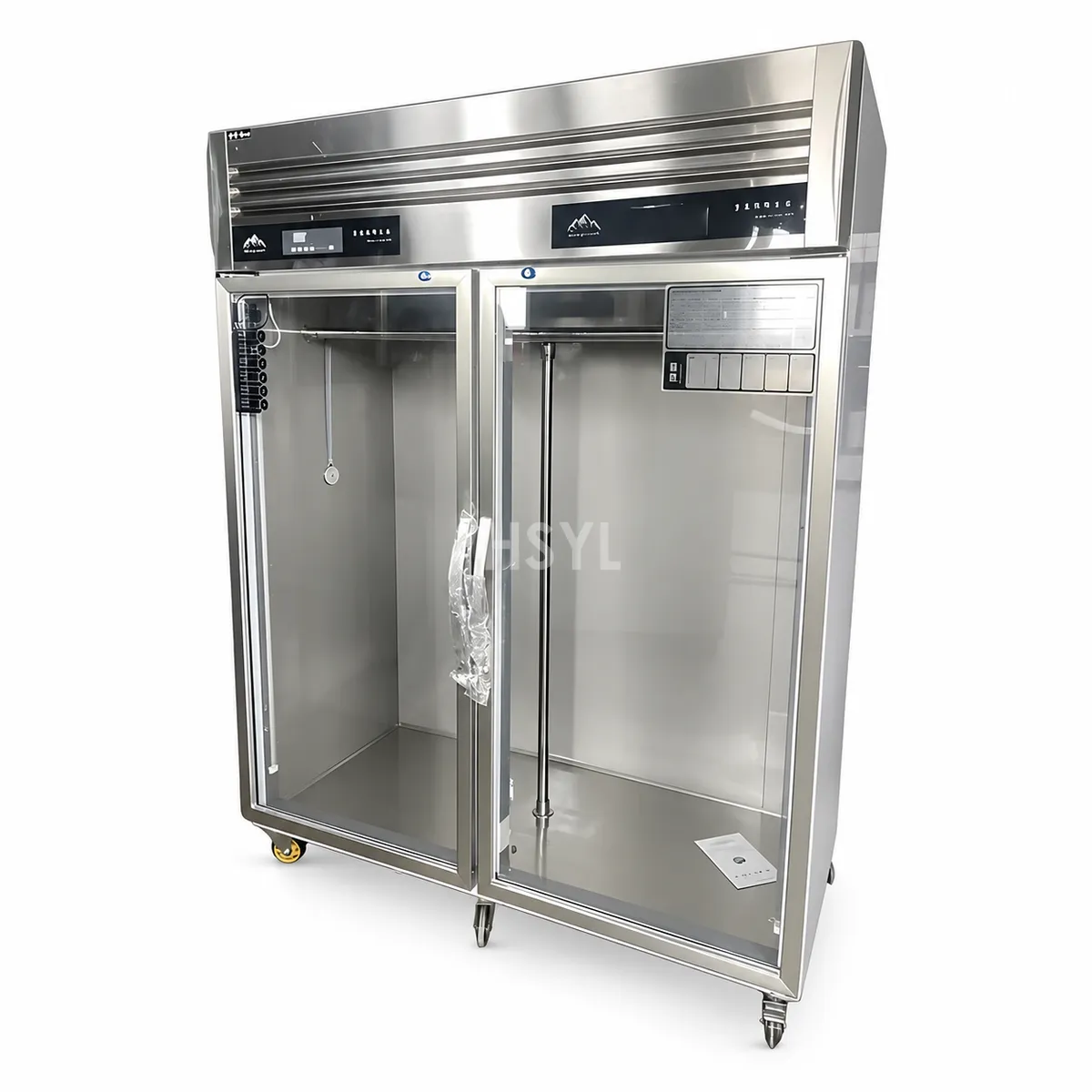
| Load item | What to establish |
|---|---|
| Dish geometry | Actual height/diameter and how it sits in the supported holder or shelf |
| Quantity | Useful pieces of each type needed for the represented service |
| Loading arrangement | Permitted orientation, separation and access without obstructing required circulation |
| Starting condition | Required prior cleaning and permitted moisture condition |
| Release | The specified completion, safe handling and local acceptance conditions |
Have the supplier confirm that the actual mixed arrangement is supported. A tightly nested stack fitting the cavity is not evidence that it represents the assessed process. Keep shelf loading limits and the required heat/air distribution conditions distinct from a simple piece count.
A compact tableware-cabinet enquiry should include this load map and the exact offered model. Ask for the applicable operating and performance evidence; a family capacity or maximum temperature alone does not establish the result for the proposed load.
Now put the complete sequence on the service timeline: preparation of already cleaned items, loading, the specified programme, any required completion/cooling conditions and unloading. Count the time until items are actually permitted and practical to use, not merely the timer's displayed duration. Include the next load's preparation and the receiving space.
If service needs another dish set before the first can be released, address that overlap through the supported capacity, scheduling or available tableware stock. Do not assume that interrupting a cycle or removing hot items early is an accepted way to increase output.
Coordinate the release and receiving area with clean and dirty handling separation. The accepted sizing result should identify the dish mix, loading arrangement and complete availability window, with any unproven combination left outside that allowance.