Direct Answer / Key Takeaway: Include the food, pans and carrier in the handling assessment. Review approved handles, transfer aids, vehicle access and the destination landing position.
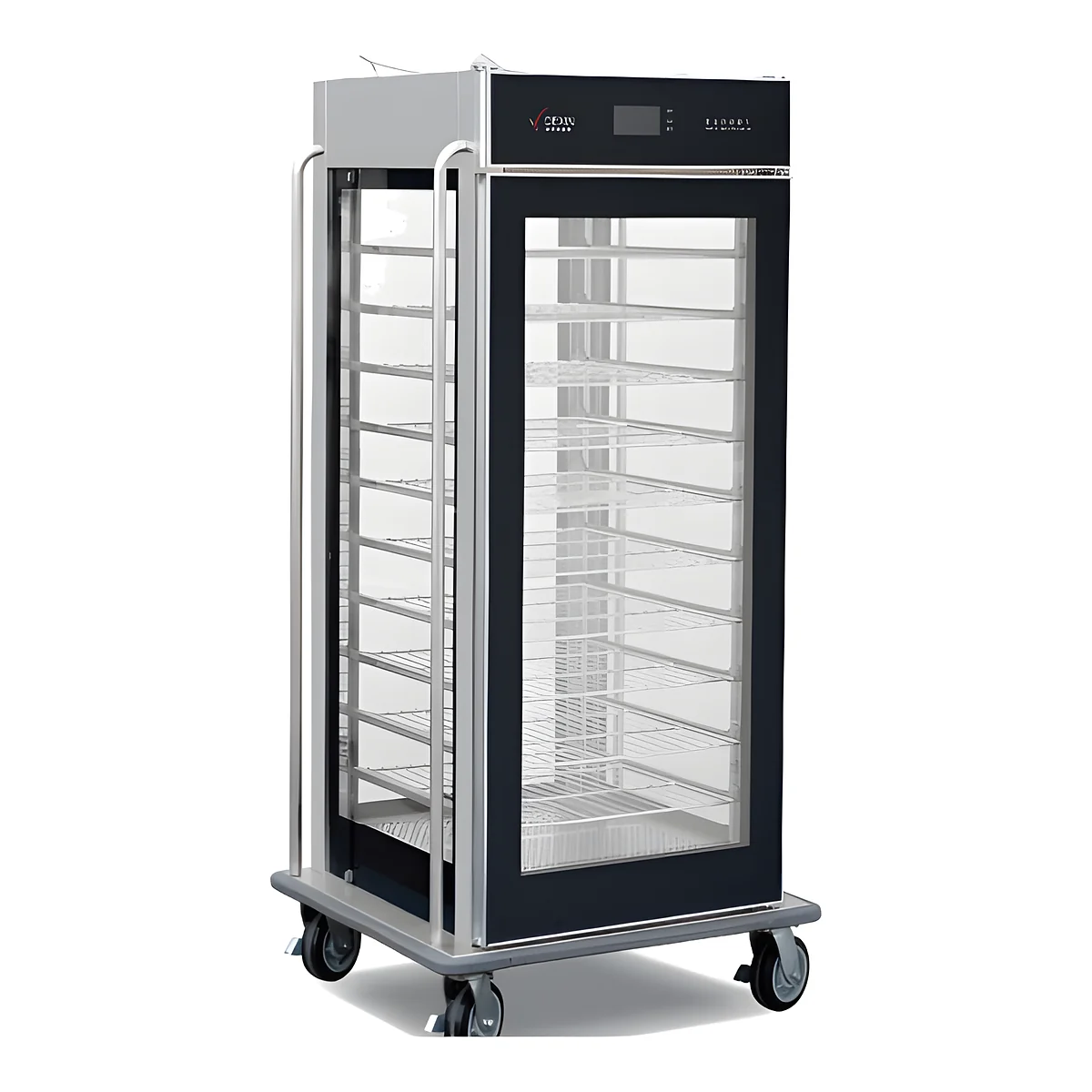
A food carrier that is easy to move while empty may become a different task when filled with pans and meals. Include the complete load and every transfer between kitchen and destination before choosing the box size. The widest doorway is rarely the only handling question.
Record the complete moving load
Identify the carrier, loaded pans, lids and any permitted accessories. Establish their combined mass using a documented basis. Keep the configuration visible so the responsible site team can assess the actual handling task rather than an empty demonstration box.
Obtain the manufacturer's carrying and movement instructions. Identify the intended handles and any approved trolley or base. A moulded edge is not automatically a carrying point, and an available platform is not automatically a compatible transport accessory.
Map each transfer, not just the journey
Show where the carrier is filled, lifted or moved by an approved aid, loaded into the vehicle and received at the destination. Include the height and access conditions relevant to the actual task. Do not prescribe a lifting method or number of people from a general article; the responsible assessment must use the specific load and conditions.
A carrier that fits through the vehicle door may still be difficult to position within the loading arrangement. Show the other equipment and load restraints being used, and obtain the responsible transport team's approval of the complete arrangement.
Give the destination the same attention
Identify a receiving position that supports the carrier and the intended unloading task. Check the actual stairs, turns, doors and access restrictions on the route. If a handling aid cannot continue to the final position, that transfer remains an unresolved task rather than a detail for the delivery driver to improvise.
Coordinate the handover with the meal delivery workflow. The destination needs to know what arrives, where it goes and who accepts it before the first dispatch.
Consider smaller units as a different arrangement
Where the proposed box creates an unsuitable handling task, assess alternatives with the responsible team. Several smaller carriers may change the number of trips, storage positions and handovers. They are not automatically better; compare the complete route and operating process.
Keep any selected configuration within the manufacturer's permitted carrying, stacking and movement instructions. Do not solve a route conflict by carrying an unsupported stack or gripping a lid or latch.
Retain the accepted method
Record the load configuration, handling instructions, approved aids, route and destination position. Include training and responsibilities in the handover. Review the arrangement when a menu, carrier size, vehicle or destination changes.
The useful specification describes a carrier that can reach and serve its destination using an assessed method. Wall thickness and exterior volume cannot establish that result on their own.