Direct Answer / Key Takeaway: Distinguish brief resistance after closing from a persistent freezer door problem. Gather useful observations without prying seals or adjusting protected components.
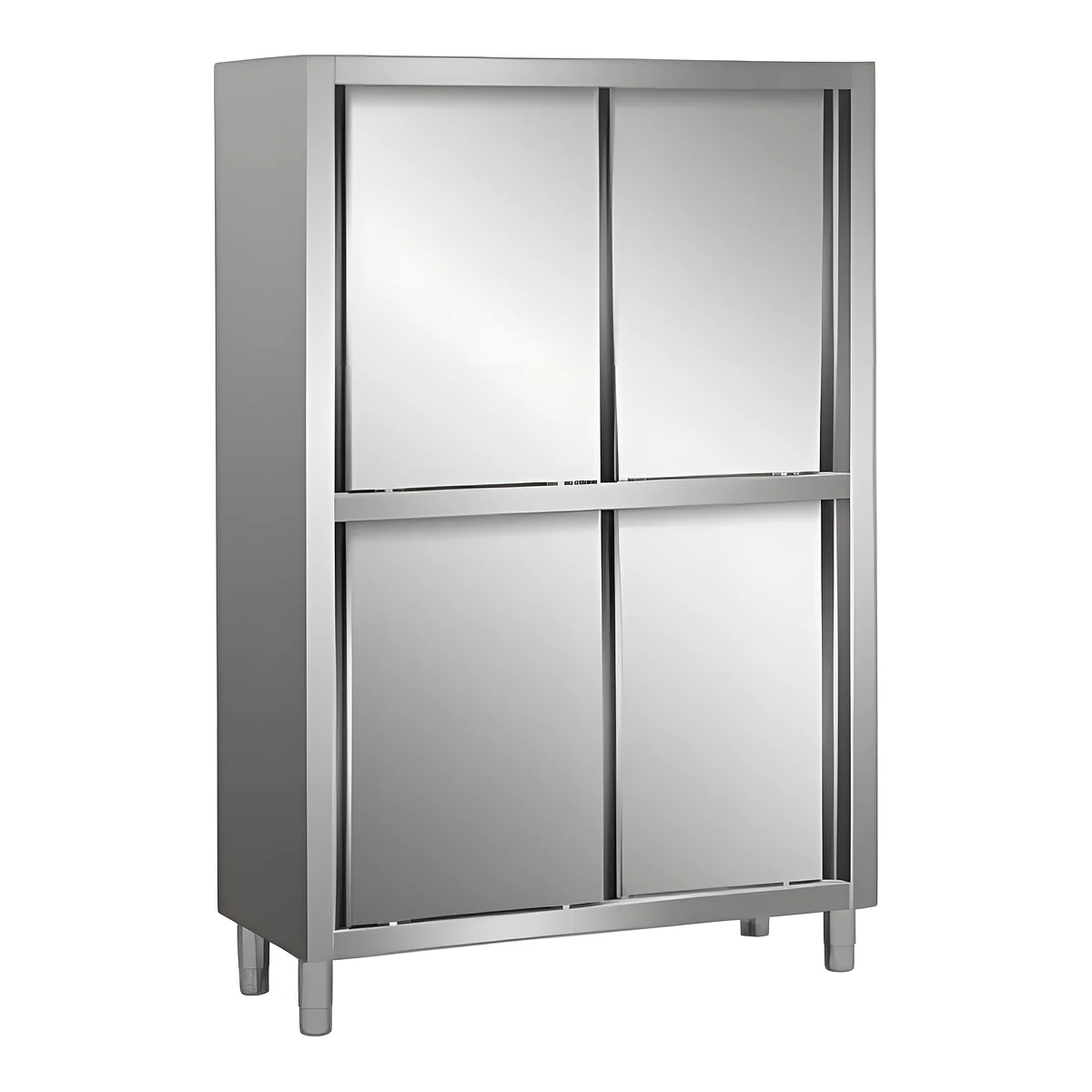
A door that briefly resists reopening just after closure presents a different service question from a door that drags every time it moves. Pulling harder can hide that distinction and damage the handle or seal. Stop forcing the door and identify when the resistance occurs.
Separate a recent closure from a persistent obstruction
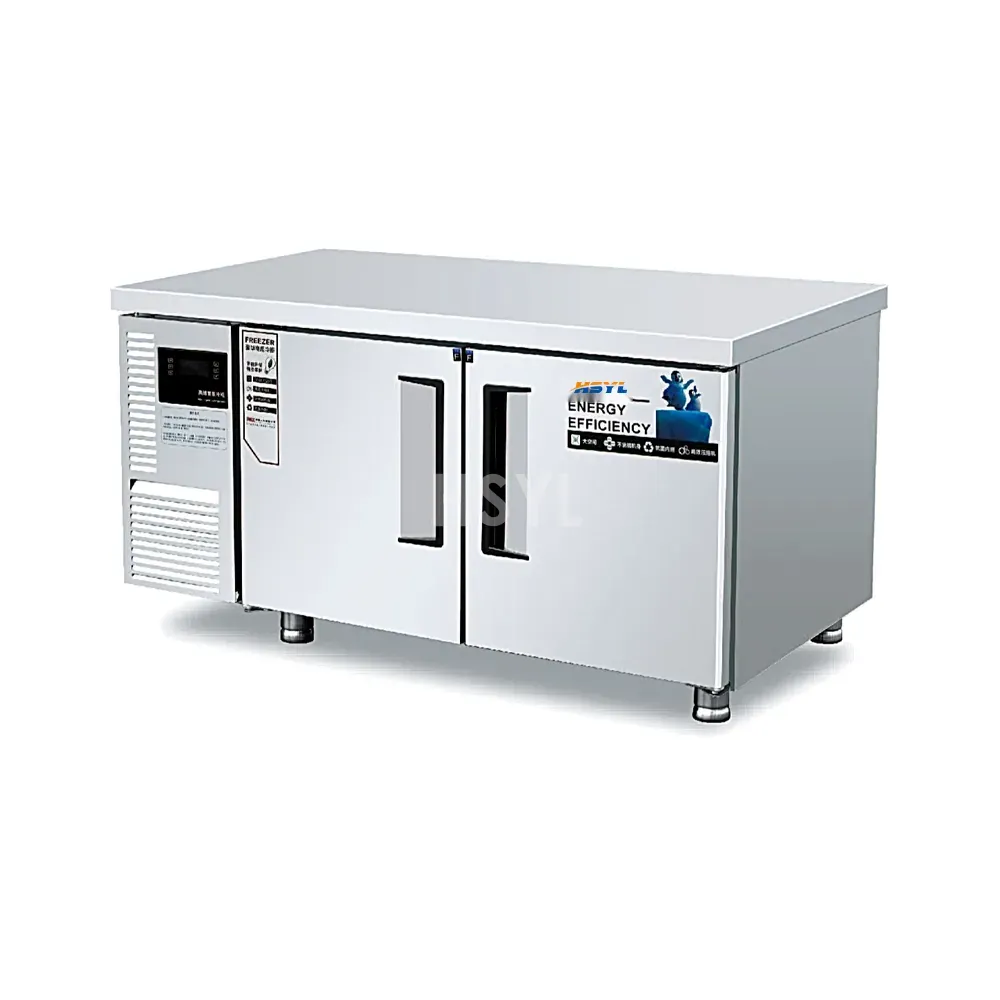
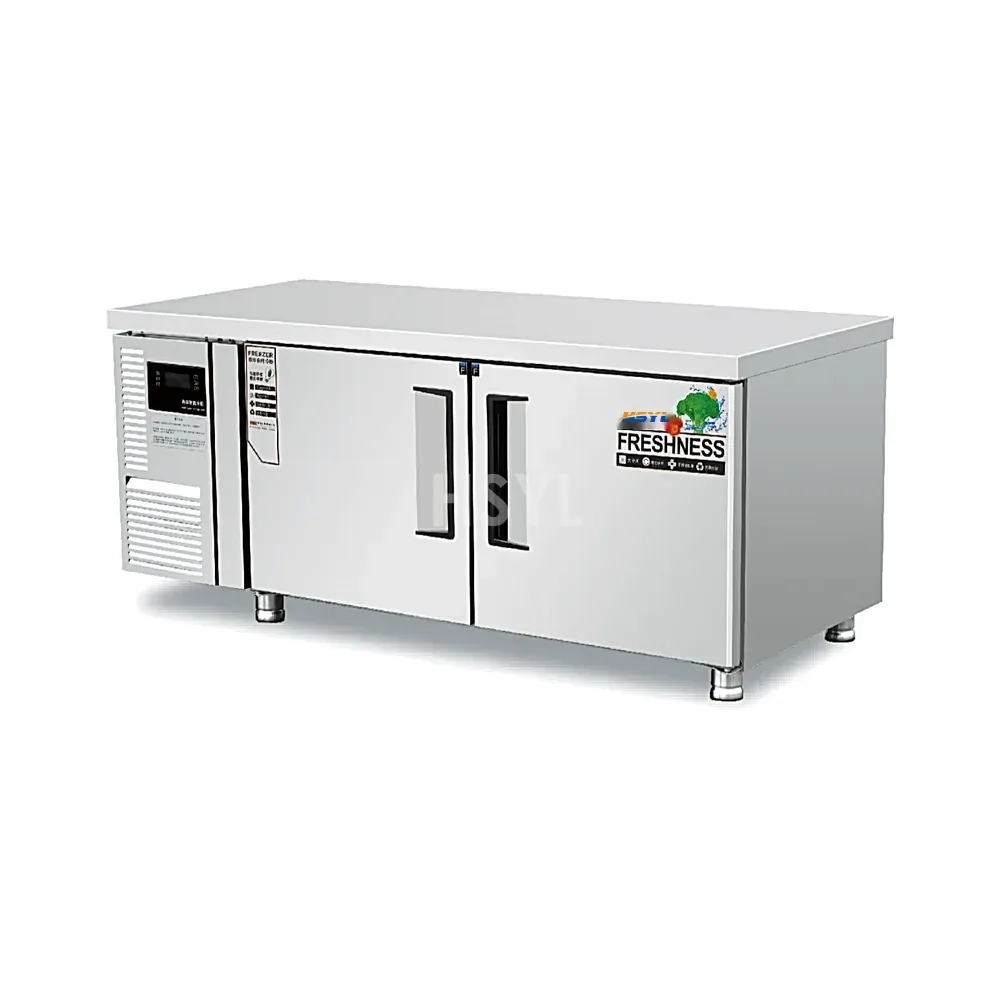
Cooling air can produce a temporary pressure difference across a freezer door. Some manufacturers explicitly describe a short reopening difficulty, but its duration and any pressure-relief arrangement depend on the appliance. Follow the selected model's guidance; there is no universal wait time to apply to every commercial freezer.
Note whether the door opens normally after standing closed, whether the resistance is limited to breaking the initial seal, and whether it then moves freely. Do not repeatedly cycle the door just to reproduce the symptom. Use normal necessary access and note the time since the preceding closure.
Resistance that continues through the swing, a visibly dropping door or a damaged handle belongs in the service report even if brief pressure-related resistance also occurs. An explanation for one part of the movement does not clear the rest of the assembly.
Make only accessible observations
When the door can be opened normally, look for packages projecting into its path, visible ice at the perimeter and a seal that is torn, displaced or dirty. Check that a neighboring rack or floor obstruction is not contacting the door. Photograph what is present before removing a loose package or carrying out the cleaning permitted by the manual.
Do not lever the gasket with a tool, chip away ice, loosen hinges under the door's weight or add lubricant to an unspecified surface. If the manual identifies a pressure-relief device, its existence does not make an unidentified hole or tube safe to probe. Refer device cleaning or repair to the stated procedure and service responsibility.
Give service a movement-based description
A useful report states the model and serial number, whether the issue began suddenly, the time pattern after closure, visible perimeter conditions and where resistance is felt. Include any recent relocation, hinge work or cleaning. A short video taken during necessary normal use can show a scraping point more clearly than the phrase 'door stuck.'
If the door cannot be operated reliably, arrange access to alternative suitable frozen storage and let the responsible food team manage the affected inventory. Do not turn repeated forceful pulling into the workaround.
Verify both opening and secure closure after correction
Following permitted cleaning or qualified repair, check normal opening, unobstructed movement and complete closure with the intended stock arrangement. Look for packages that shift back into the perimeter during replenishment. The refrigeration equipment documentation for the selected configuration should anchor any replacement-part request; a similar-looking door or gasket is not proof of compatibility.
Keep the original symptom report with the service outcome. If brief reopening resistance remains within the manufacturer's described behavior, train staff on that behavior. Persistent or changed resistance still needs investigation rather than a larger handle or an improvised vent.