Direct Answer / Key Takeaway: Build a frozen-stock plan from delivery peaks, carton dimensions, shelf loads and access. Check usable positions before choosing a freezer by liters.
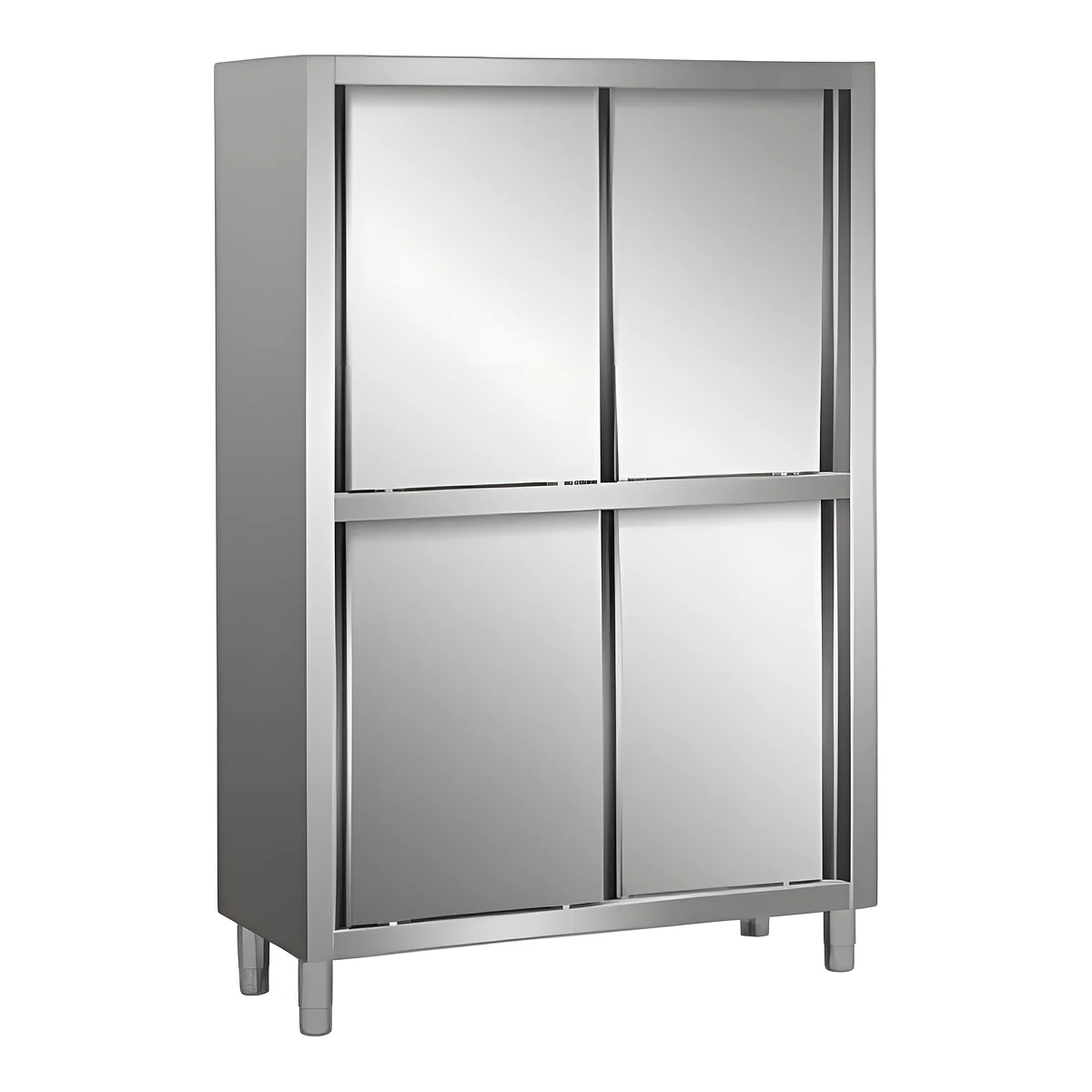
A freezer can have enough published volume and still reject the next delivery. Tall cartons may waste shelf height, a heavy case may exceed a shelf rating, and the last available space may block the air return. Start with the stock that must coexist inside the cabinet.
Find the delivery peak, including stock already there
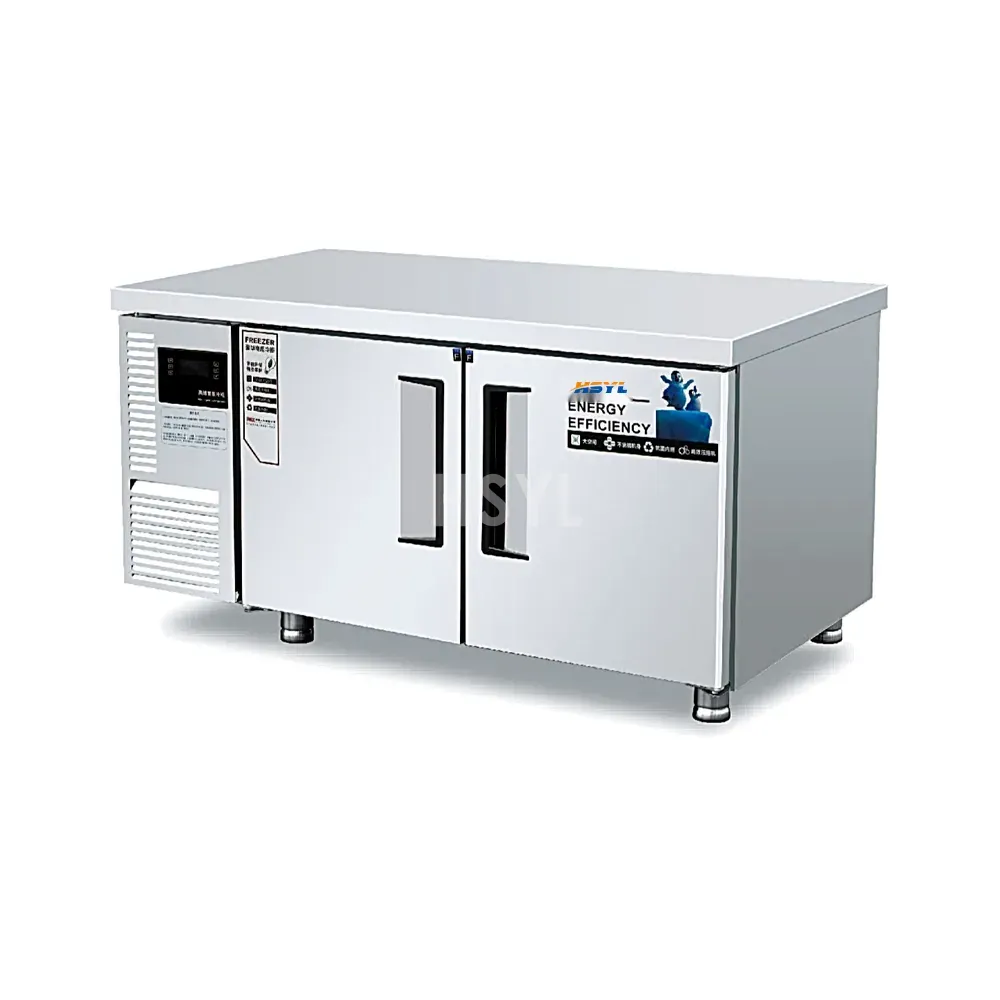
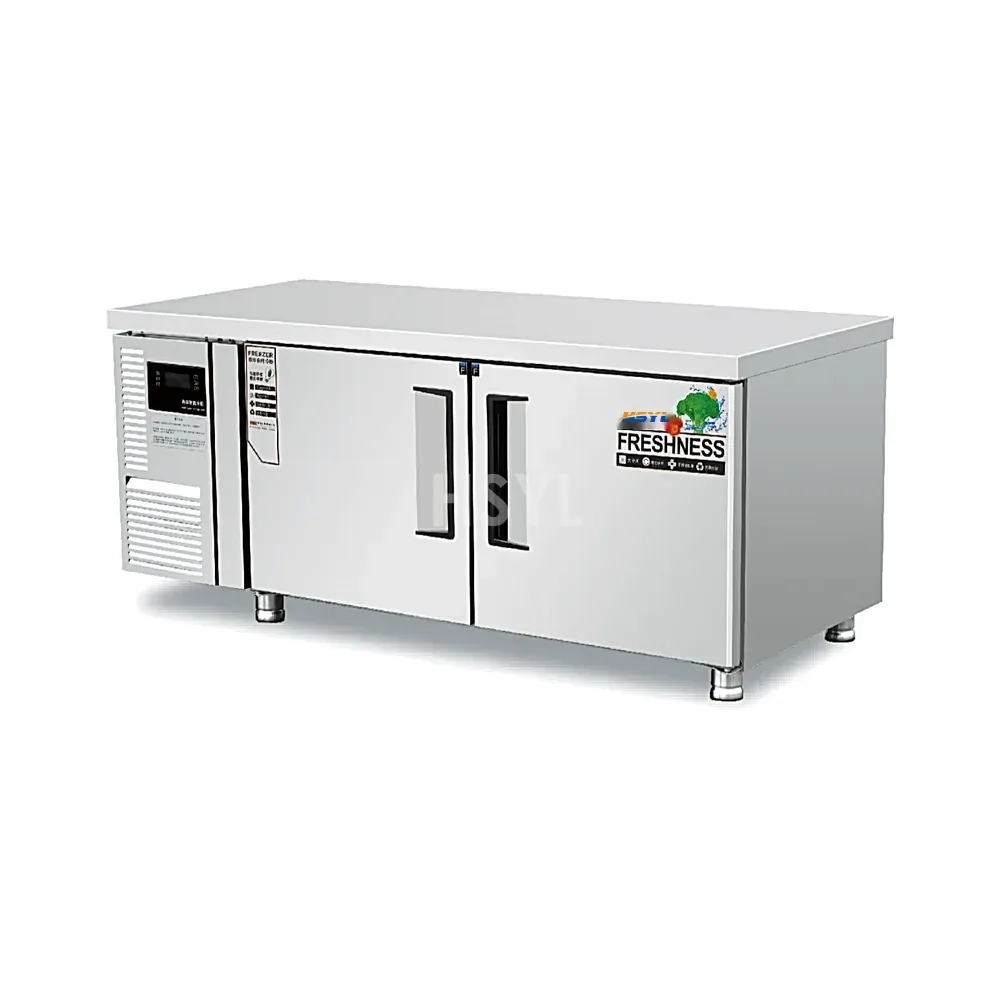
List each frozen product in the unit the receiving team handles: sealed carton, bag, tub or tray. For each item, enter its outside dimensions, loaded weight, normal order quantity and stock expected immediately before replenishment. Add retained lots and items awaiting a disposition decision; they occupy space even when unavailable for service.
Use a dated delivery sequence rather than adding every supplier's largest order. If meat arrives Monday and pastry arrives Thursday, show both dates with realistic consumption between them. A delayed collection or overlapping seasonal order should be a separate scenario. This produces an understandable peak stock list instead of an arbitrary percentage added to cabinet liters.
Turn that list into an accessible shelf arrangement
Obtain the candidate freezer's internal drawing, shelf dimensions, adjustment increments, load ratings and loading exclusions. Mark the evaporator, fan discharge, return path and any floor area that the instructions prohibit using. The arrangement must preserve those spaces after staff replenish it.
- Place actual empty cartons or dimensionally accurate samples on the proposed shelves. Include labels and protruding lids.
- Check whether the intended carton orientation allows identification and removal without unloading an unrelated lot.
- Compare the combined load on each shelf with its documented rating, including containers and supports.
- Try opening a carton and retrieving a service quantity. A tightly fitted sealed case may be unusable for everyday picking.
The broader method in our inventory and access sizing guide also applies here, provided frozen-product requirements and the selected freezer's instructions govern the final arrangement.
Keep storage capacity separate from freezing capacity
This plan concerns products received in their specified frozen condition. It does not establish a batch-freezing rate or permission to load hot production. If the kitchen intends to freeze its own food, define that process separately and obtain equipment-specific evidence for the incoming product, quantity and required result.
Before ordering, attach the peak stock list and marked shelf drawing to the quotation. State the product storage requirements and actual installation conditions. Ask the supplier to identify the exact freezer configuration that can support them; a temperature adjustment range alone does not prove the loaded cabinet will maintain every product requirement.
At handover, compare the delivered shelves and usable arrangement with this drawing before accepting the first full delivery. If cases only fit by occupying an excluded air path, revise the order pattern or equipment choice. Do not turn the purchasing shortfall into a permanent loading instruction.