Direct Answer / Key Takeaway: Separate collected cooking oil, food solids and greasy washwater in the project brief. Describe actual scullery discharges before selecting a separation basin.
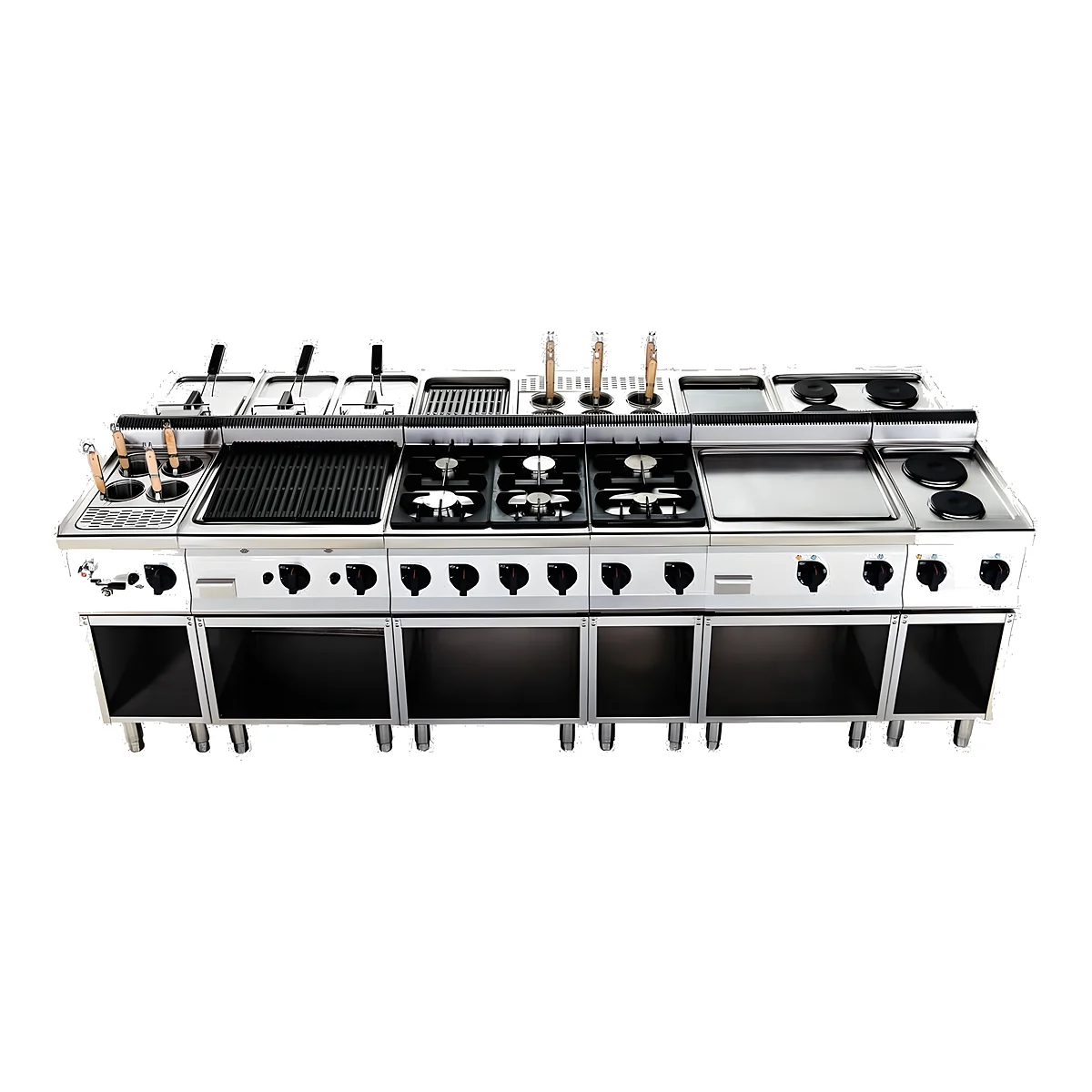
The phrase oil-water separation basin can hide several different jobs. A kitchen may need to collect used cooking oil, intercept food solids or manage grease-laden washwater. Those streams should remain distinct in the brief. Choosing a basin by its outer size does not establish which of them it can receive.
Follow a pot through the wash station
Consider a roasting pan returning from production. It may contain recoverable cooking liquid, loose food residue and a film that remains for washing. Record the kitchen's approved handling route for each stage. Material collected in a container before washing is a different stream from water discharged when the pan is cleaned.
Apply the same observation to stockpots, fryer components and utensils. Do not send collected cooking oil down a drain on the assumption that a downstream basin will recover it. Keep disposal and collection arrangements agreed with the responsible site team and receiving service.
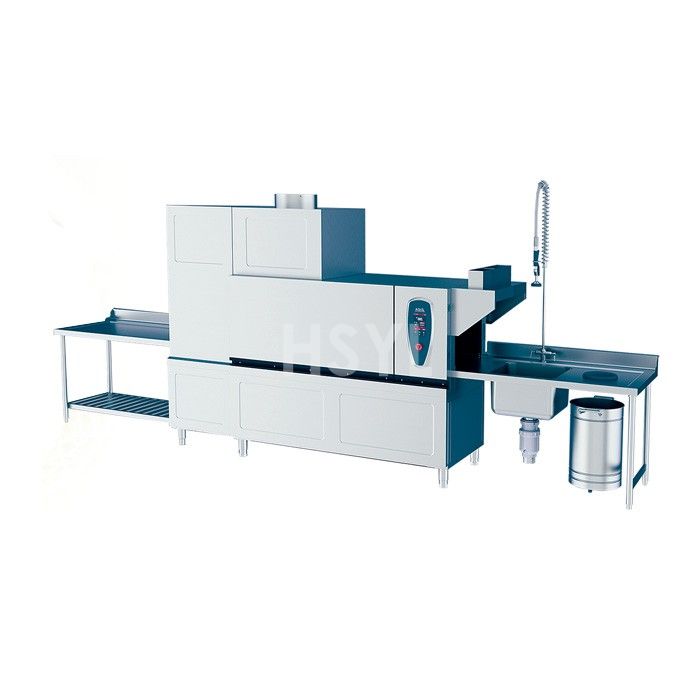
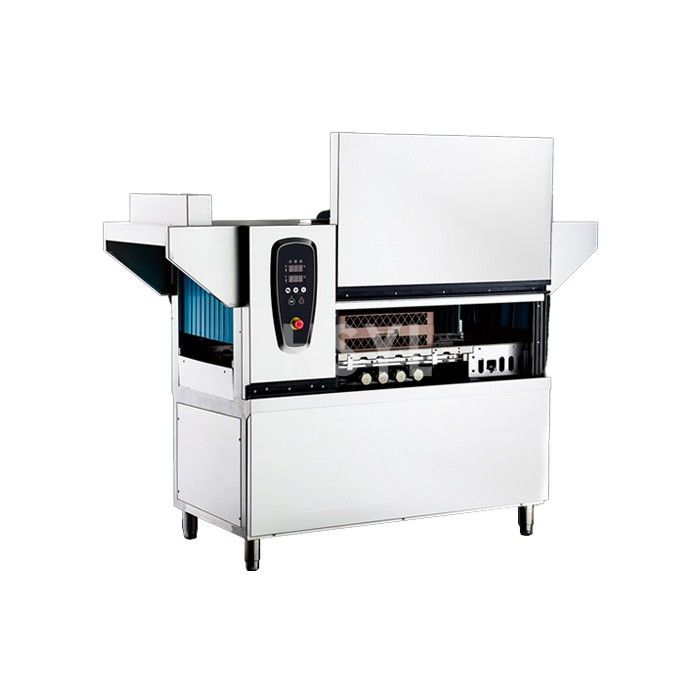
A simple flow sketch should show the fixtures that actually connect to the proposed basin, plus the containers and solids-collection points that remain outside it. This makes an enquiry about kitchen grease separation equipment specific enough to evaluate without treating every wastewater item as interchangeable.
Describe the water, not just the meal count
Record how the connected fixtures discharge during a representative cleanup: short dumps, continuing flow or overlapping events. Note the intended cleaning products and any process changes the project is considering. The kitchen should not alter its approved cleaning chemistry merely to reproduce a favourable separation demonstration.
Keep two demands visible. Water must pass through the selected arrangement under its permitted conditions, while separated material accumulates between services. A compact basin can appear suitable for the fixture layout yet provide an unsuitable maintenance arrangement. Conversely, a large container does not by itself prove adequate hydraulic performance.
Schier's grease-interceptor sizing guidance considers flow and grease storage as distinct questions. That principle helps structure the enquiry; its product-selection method does not establish a rating for an unspecified HSYL basin or approval under every local drainage rule.
Specify the required result and its verification
Ask the project's drainage professional to establish applicable discharge requirements and where performance must be assessed. Identify the proposed equipment's intended purpose and the conditions under which the supplier supports it. Baffles visible inside a basin do not prove a universal removal percentage, and a clear-looking outlet sample does not establish compliance.
Include access for the actual service task, the destination of removed material and the party responsible for that work. Keep any unconfirmed connection or performance requirement open in the brief. The useful outcome is one defined wastewater task with an agreed collection and maintenance route, rather than an unsupported promise that a basin solves all kitchen oil and drainage issues.