Direct Answer / Key Takeaway: Distinguish container obstruction from an unresolved drawer mechanism problem. Follow permitted cleaning and service steps without assuming every slide needs grease.
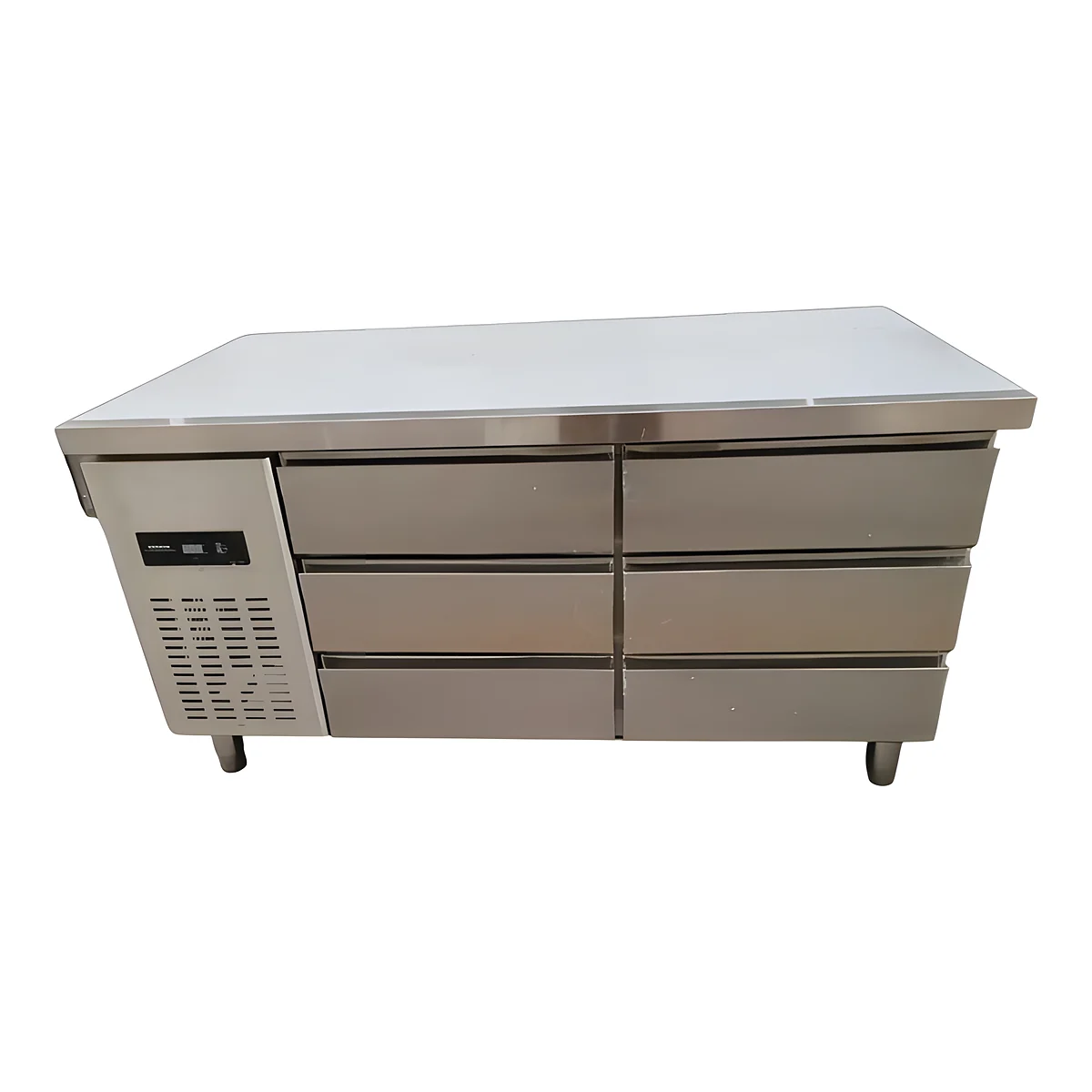
When a refrigerated drawer stops short, preserve where it meets resistance and whether the symptom depends on the permitted load. That observation is more useful to service than immediately ordering a slide or applying grease.
Protect stock through the site's holding procedure while the assigned check is performed. Do not force the front, lean on it or use it as a step. Compare the normal loaded arrangement with permitted unloaded closure only through the actual model's instructions.
Follow the point of interference
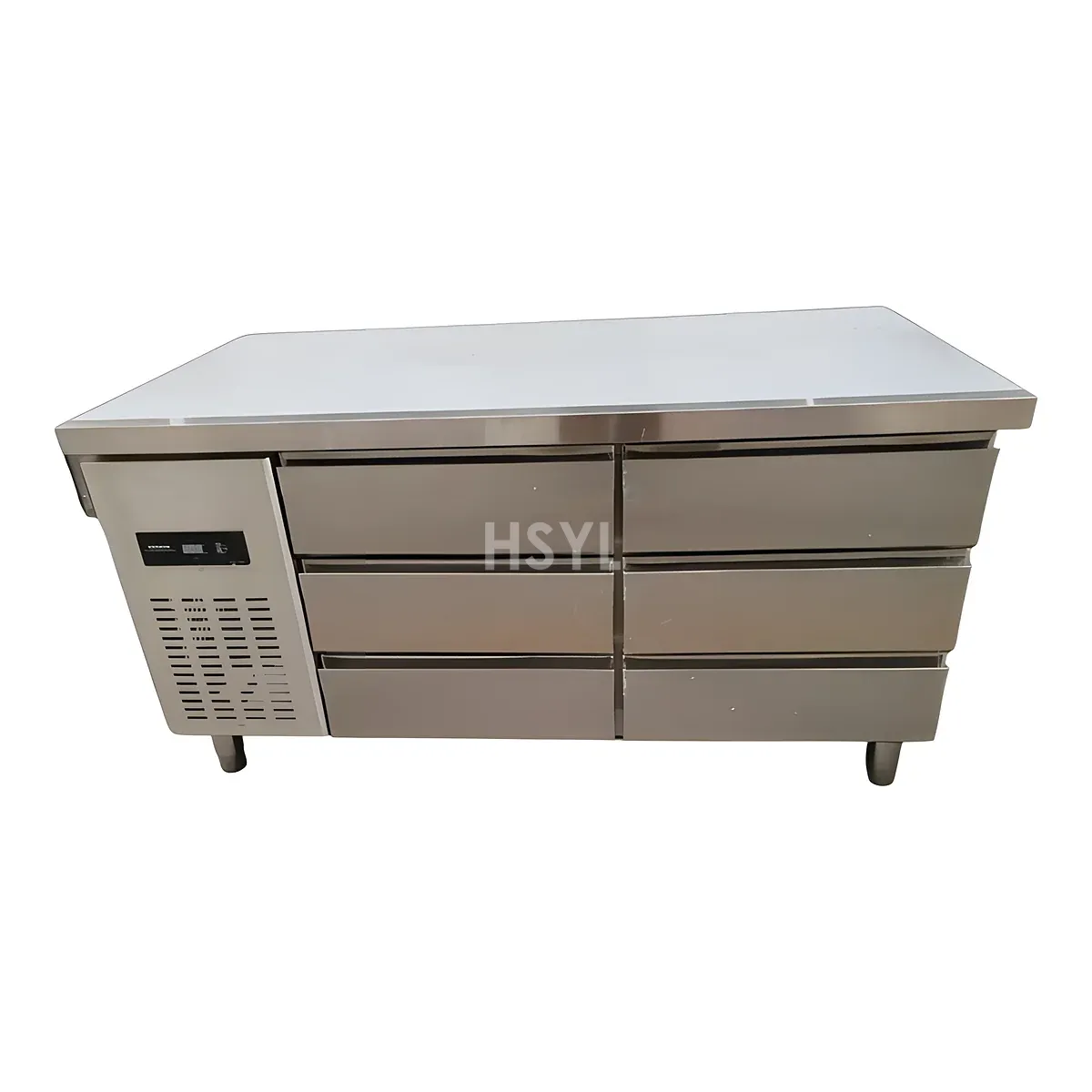
Check the complete covered container, its supports and the space it occupies through closure. A lid, handle, label holder or loose pack can pass through the front and still interfere at the rear or top. Identify any displaced support using the matching drawer configuration.
Observe only accessible areas assigned to staff. Where owner cleaning is permitted, remove relevant food debris by the specified material-compatible method. Keep liquid out of protected slide, fan and electrical areas. Preserve a visible rubbing point, uneven front or displaced part as an observation, not a diagnosis.
Try the normal action again after only the authorised correction and with the permitted arrangement restored. If the resistance remains, stop at the role boundary and give service the equipment identity, drawer position, loaded/unloaded condition, stopping point and safe photographs.
Retrieve the actual mechanism's care information before lubricant is considered. Food-grade status alone does not approve a product for every track. Drawer removal, stop/rail adjustment and any specified lubrication need the exact model procedure and assigned competent person.
Have the service provider explain the assessed cause and approved correction. Refit the actual intended pans and lids and let the operator demonstrate retrieval and normal closure. Confirm that the front reaches its intended position without slamming and that the original load has not recreated the interference.
Complete applicable cold-holding checks separately from the mechanism repair. A smooth drawer does not establish the state of every food container or the entire refrigeration system.
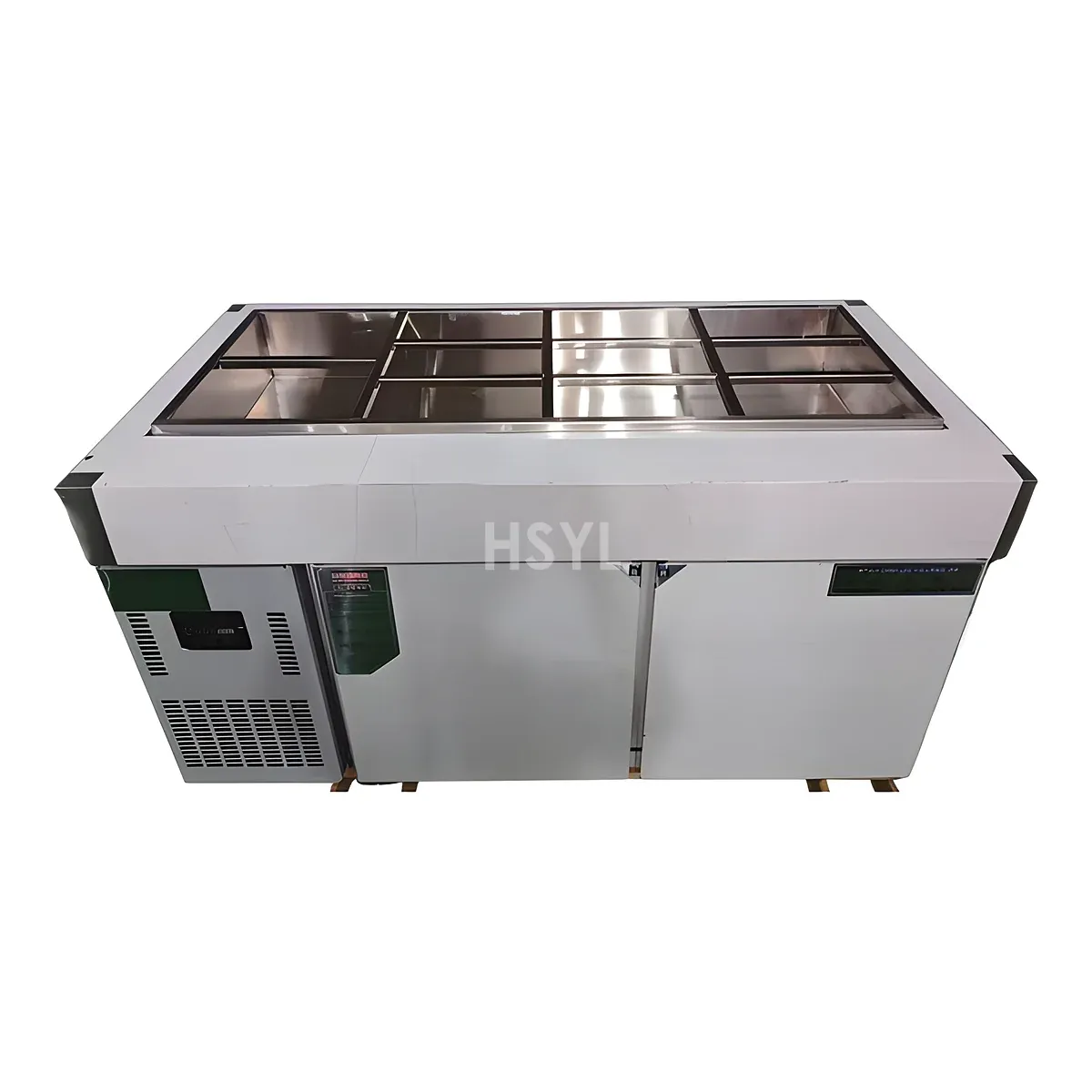
A drawer refrigerated worktable also needs its actual installed assembly considered. Where approved cooking equipment is above it, movement/support changes require the relevant qualified parties. Keep the service task within that agreed scope rather than pulling the complete loaded arrangement out by a drawer handle.