Direct Answer / Key Takeaway: Check usable bowl dimensions, pot handles, lifting and landing space against actual utensils. Confirm the site‘s approved manual warewashing arrangement before ordering.
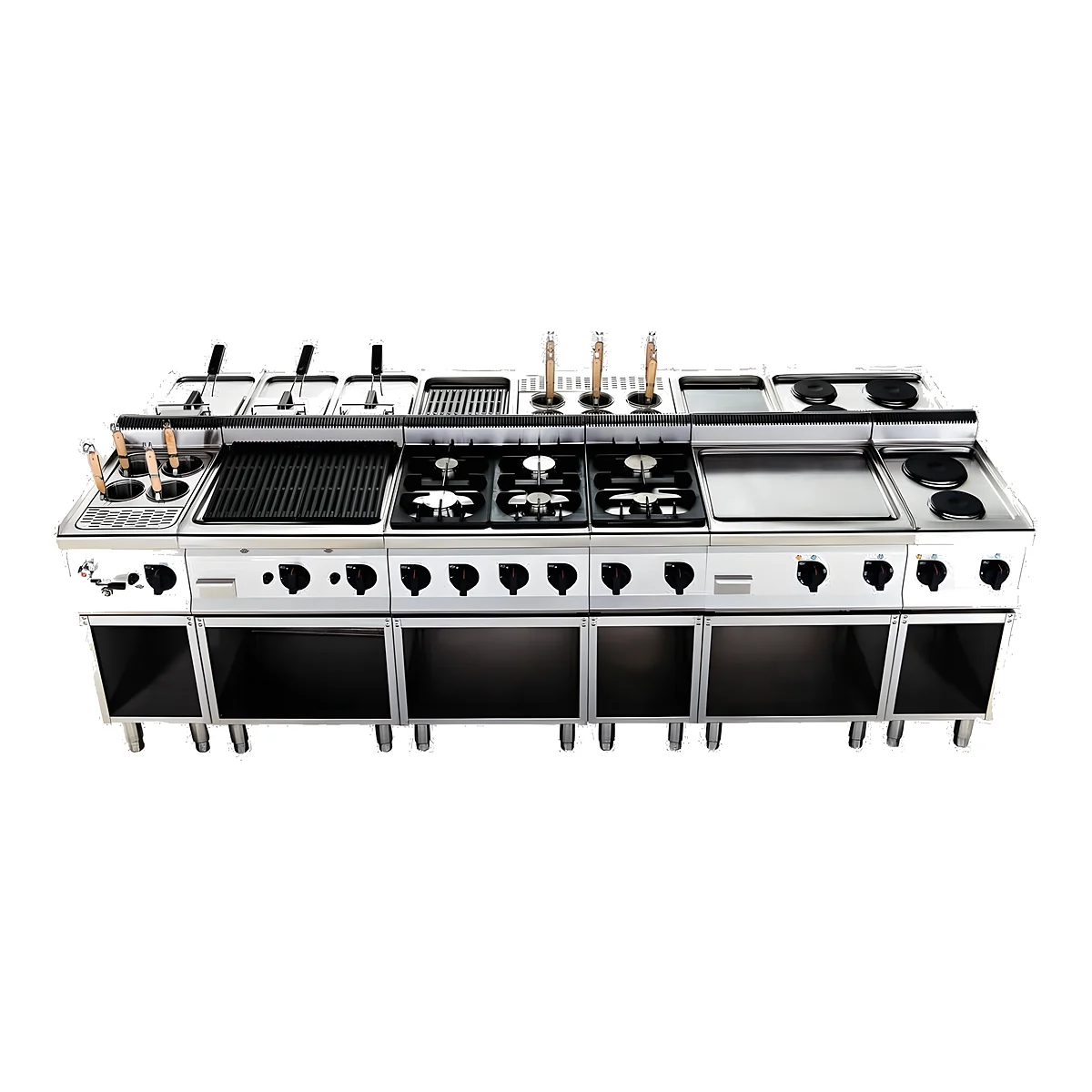
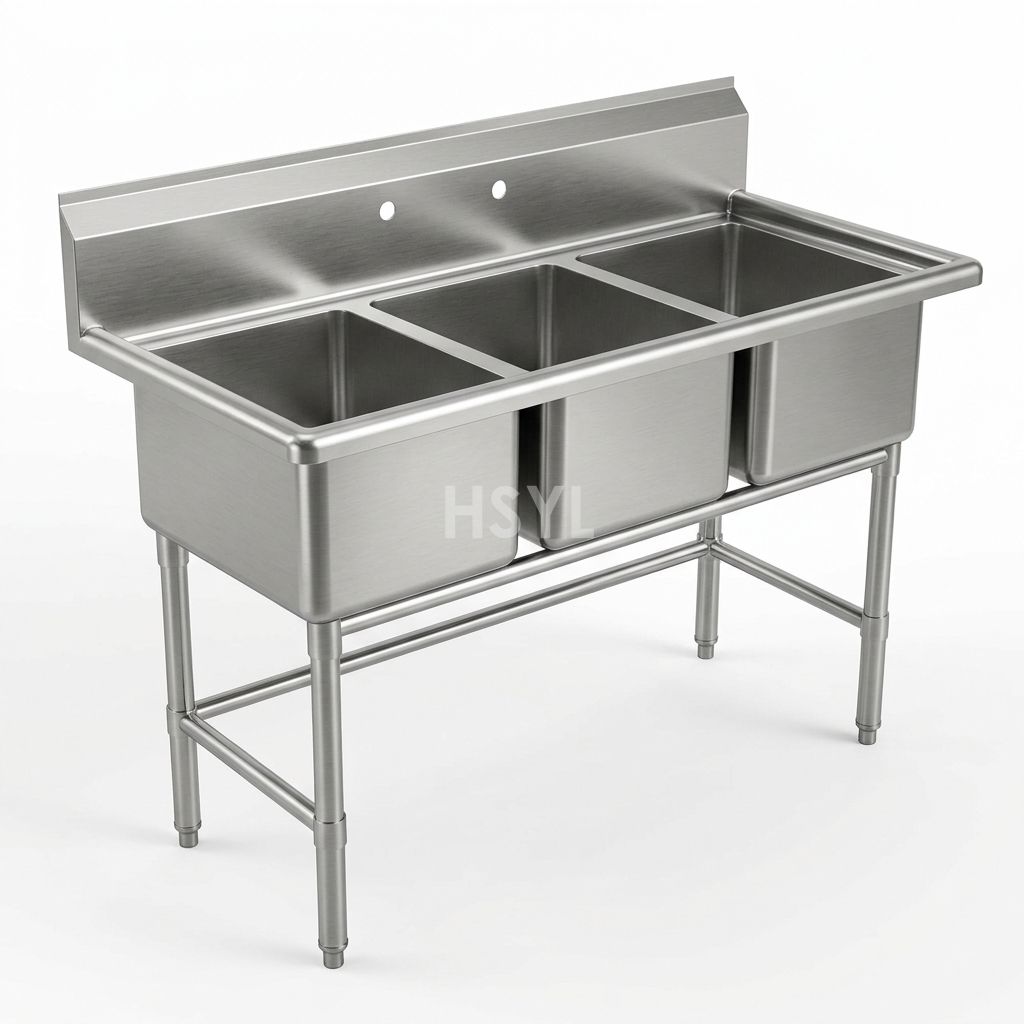
A three-compartment pot sink is useful only when its actual utensils can pass through the approved washing task. Bowl length and width are a starting point, not the whole fit test. Include handles, awkward shapes, required immersion and the movement of the item into and out of each compartment.
Bring the limiting items to the layout
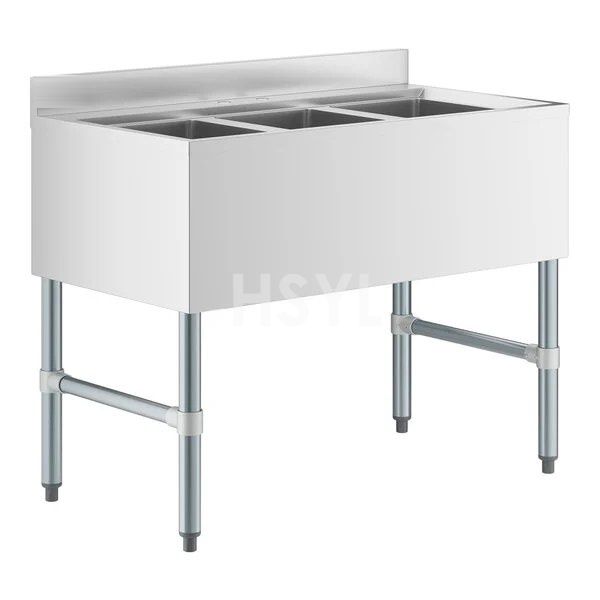
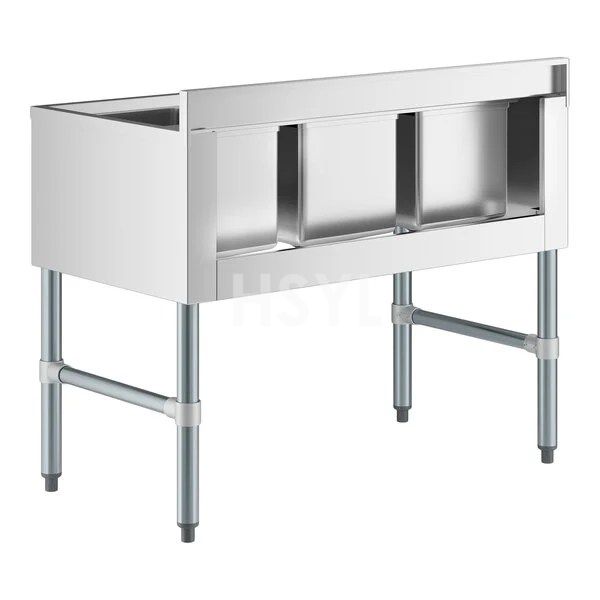
Survey the stockpots, trays, lids, bowls and removable equipment parts that the sink is intended to handle. Record their full outside dimensions, including handles. The largest pot by volume may not be the item with the greatest width, and a long tray can create a different constraint from a deep pot.
Compare the items with usable internal bowl dimensions. Allow for the actual bowl shape, corners, fittings and the approved working arrangement. Outer sink length includes more than washing space and cannot be divided by three to infer usable compartment size.
Use an empty-item mock-up to assess placement and withdrawal before making a purchase decision. Have the kitchen's responsible team evaluate safe handling and the approved cleaning process; do not ask staff to demonstrate a hazardous lift with a water-filled pot.
Confirm the process and applicable requirements
The FDA's 2022 Food Code is a model for jurisdictional adoption. Its compartment provisions consider immersion of the largest equipment and utensils and approved alternatives for special needs. Confirm the requirements and approved arrangement applicable to the actual kitchen rather than treating a generic bowl size as international compliance.
If an intended item will not fit, resolve its approved washing method before ordering. Do not assume rotating part of a large item through a small bowl satisfies the site's requirements. Record any approved alternative and the equipment or space it needs.
Plan the landing and transfer space
Show soiled arrival, preparation for washing, movement through the approved stages and the clean destination. Include drainboards or other approved landing arrangements sized for the actual items and peak accumulation. A large bowl does not remove the need for a place to set the pot down.
Check where staff stand and how they move a wide tray between compartments without crossing the clean output. Keep the route to storage usable when a trolley is present. Compare a proposed three-compartment sink with drainboard as a complete station, not just a row of bowls.
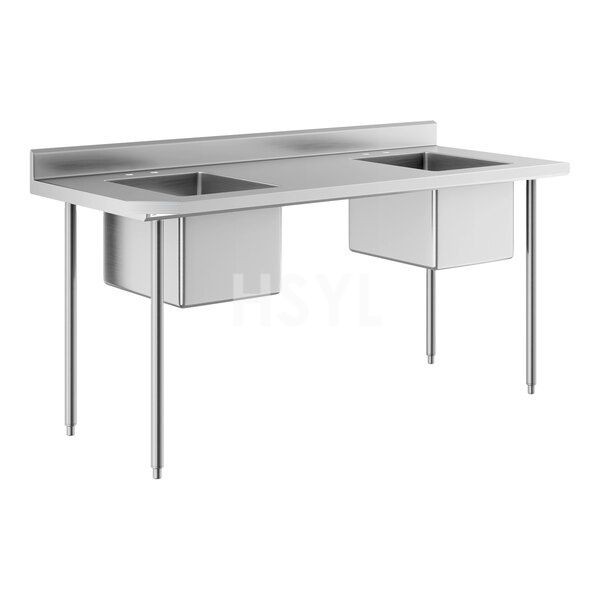
Provide the final utensil schedule and process layout to the fabricator. Require a drawing that confirms usable bowls, landing areas, support and connections. Do not transfer the catalogue's double-bowl dimensions to a triple sink or select a universal 450 mm bowl without checking the kitchen's real task.