Direct Answer / Key Takeaway: Build a back-bar cooler stock map from actual bottle and can dimensions, accessible shelf positions and replenishment intervals before comparing cabinet capacity.
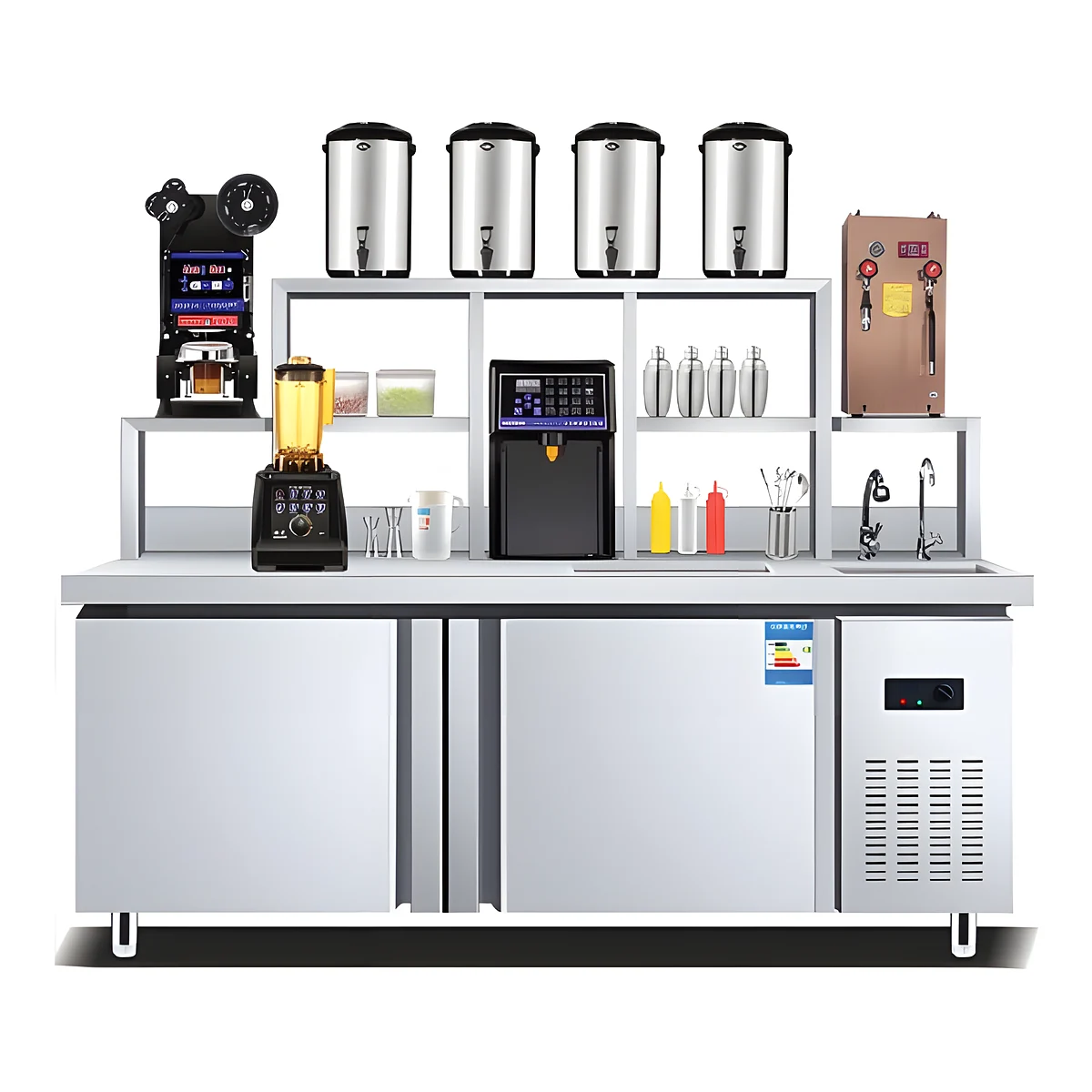
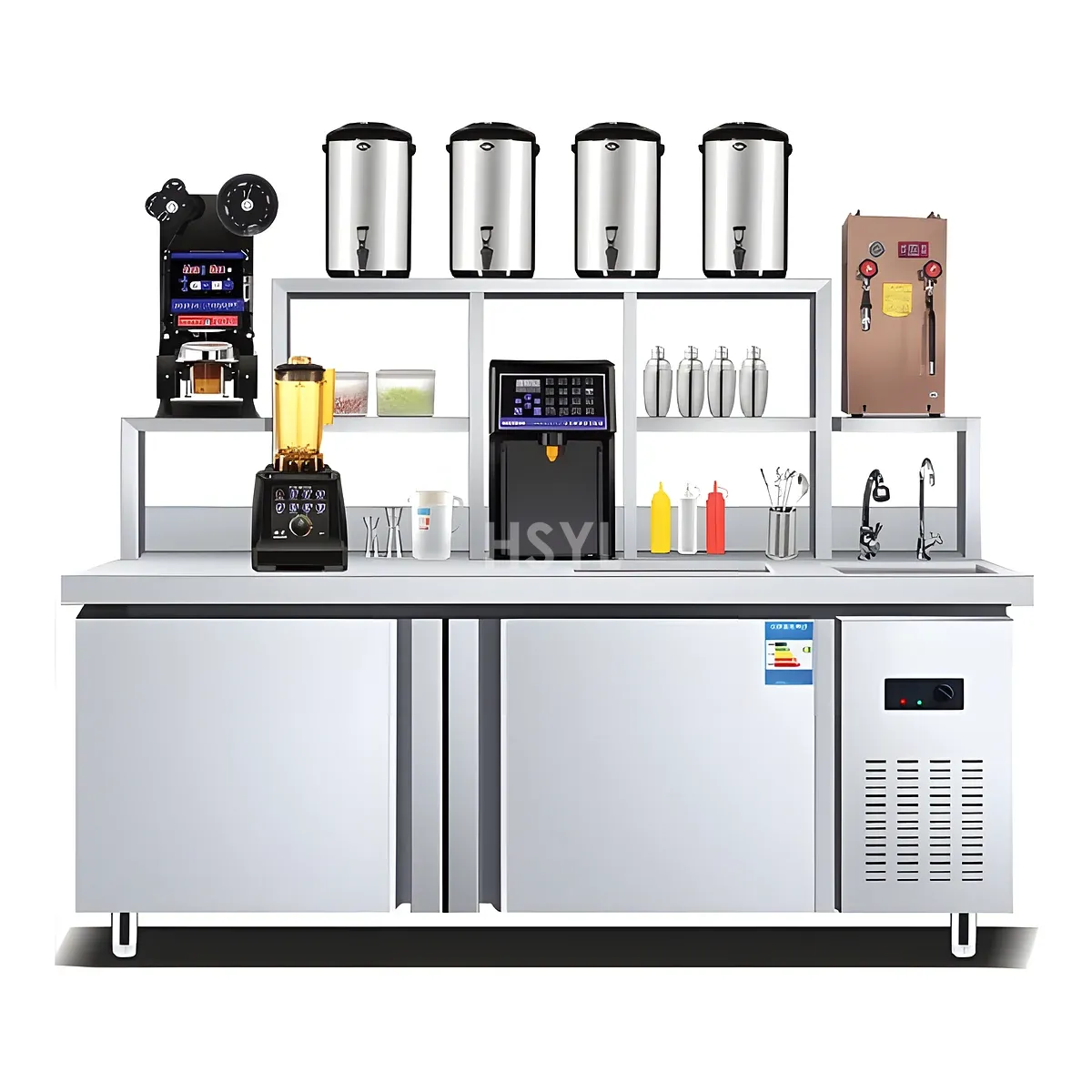
A back-bar cooler must hold the right drinks where staff can retrieve them. Its external width or nominal volume does not show how a mixed range of bottles and cans fits around shelves, door openings and the refrigeration compartment.
Start with the intended use: packaged beverages, ingredients requiring controlled storage, or a separately specified draught installation. Give each product its actual storage and handling requirements. Do not assume that a bottle cabinet is also an approved keg dispenser or a rapid cooler for warm deliveries.
Make a stock map with the actual containers
| Stock-map item | Information to establish |
|---|---|
| Container | Actual height, footprint and handling orientation, including taller bottles and multipacks |
| Working quantity | Expected use before the next practical replenishment opportunity |
| Cabinet position | Usable shelf area, permitted load and a reachable retrieval path |
| Refill source | Where replacement stock comes from and its temperature condition |
| Space reserved | Specified internal airflow routes and access needed to remove individual products |
Use sample containers or an accurate dimensional layout with the supplier. Check shelf adjustment, the door aperture and any internal obstruction. A bottle that fits upright in the cabinet may still be awkward to extract from its assigned position. Do not turn every apparent gap into another row if that blocks the specified circulation route or traps products behind a different line.
Assign fast-moving products to positions that support the actual bartender's task. Count the useful quantity of each line, not a theoretical maximum filled entirely with one small can. Use the inventory-and-access sizing method to keep product quantity and retrieval space together.
Next walk the replenishment route. Establish when stock can be added without blocking service and whether it arrives already at its required condition. If the proposal relies on cooling newly delivered drinks during the same service period, obtain evidence for that defined loading duty. Storage capacity alone does not establish pull-down performance.
Finally test the proposed stock map in a permitted, representative service arrangement. Observe whether staff can find, retrieve and replace products while the door closes properly. Revise the allocation or refill pattern where access is poor before adding another cabinet. The useful sizing result is a supported stock-and-replenishment arrangement that fits the bar's work, with any unproven cooling duty left explicit.