Comparing airline catering equipment quotations requires more than checking the total price. Cooking equipment, cooling systems, assembly stations, cart handling and installation may be included differently in each offer. A clear procurement schedule makes those differences visible before an order is placed.
Define the Ground-Kitchen Supply Scope
Start with the equipment needed for ground-based food production. Identify aircraft-installed equipment, ramp vehicles, airport security systems and other specialist infrastructure separately.
For each item, record who will supply, install, connect, integrate and accept it. This helps prevent gaps between the kitchen equipment package and the wider airport project.
Compare Quotations Item by Item
| Equipment or service | What to compare | Supporting information |
|---|---|---|
| Cooking equipment | Model, controller, loading arrangement and batch requirements. | Current specification and representative menu-trial conditions. |
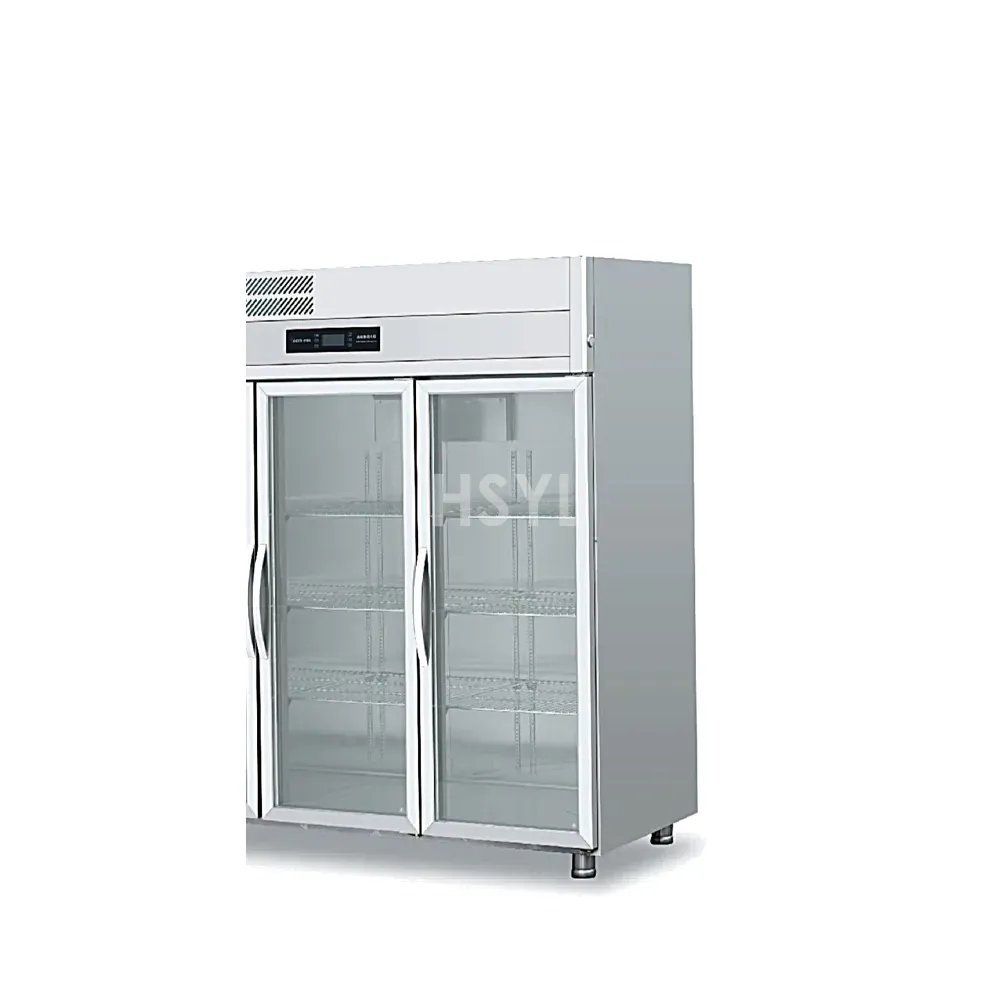
| Cooling equipment | Concurrent food load, starting conditions and required endpoint. | Model-specific performance and loading information. |
| Assembly equipment | Worktables, conveyors, dispensers, controls and included accessories. | Itemized scope and interface drawings. |
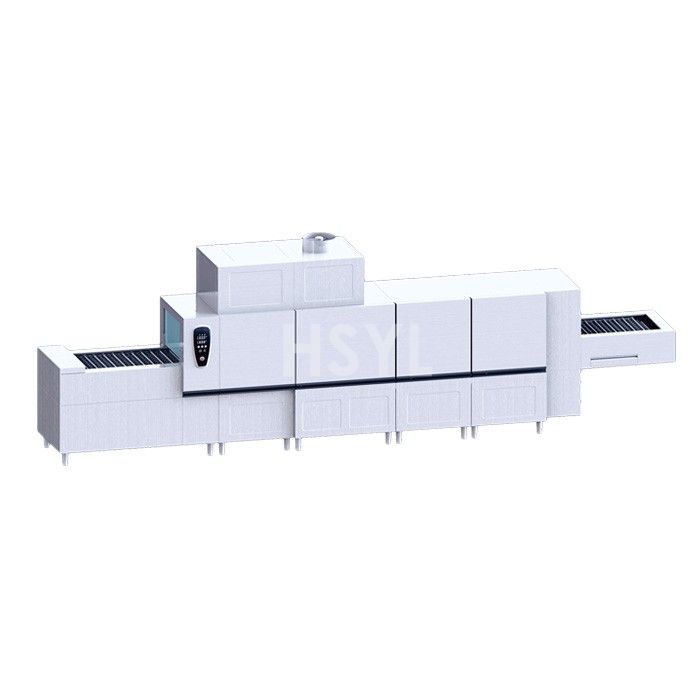
| Cart washing | Compatibility with the actual carts and intended cleaning process. | Cart dimensions, loading arrangements and application evidence. |
| Storage | Cabinets, rooms, usable capacity and operating conditions. | Layout, capacity basis and supply exclusions. |
| Installation and handover | Connections, commissioning, training and acceptance responsibilities. | A responsibility schedule and agreed acceptance procedure. |
Size the Process Around Departure Waves
List meal quantities and kitchen release times by departure wave. Include special-meal batches, tray assembly and cart loading. Daily production volume provides context, but the release schedule determines when each stage must be ready.
For example, releasing 1,200 meals between 09:00 and 10:00 requires an average release rate of 20 meals per minute during that hour. This is a scheduling calculation, not an equipment rating. Cooking, cooling and assembly may begin at different times and operate with different batch sizes.
For cooling equipment, identify which cooking batches finish together. The food requiring cooling at the same time can differ substantially from the total daily production. Our blast-chiller sizing guide explains how to calculate concurrent food load.
Check Compatibility Before Approving Alternatives
Compare equipment against the actual item being processed. A high-throughput commercial conveyor dishwasher does not, by itself, establish suitability for washing flight carts. Check the cart dimensions, loading method and cleaning application.
Apply the same approach to trays, pans, carts and assembly stations. Review loaded clearances, working heights and operator access, with drawings that identify the interfaces between suppliers.
Agree on Acceptance Conditions Before Ordering
Define the representative load, required result and records for each performance check. Separate factory checks from tests that need the installed equipment, site utilities and operating team.
For food-production trials, record the food, batch quantity, containers, starting conditions, settings and elapsed time. Use the facility’s approved operating procedures to establish the required endpoints.
Ask each supplier to state the conditions behind a performance figure so that competing offers can be assessed on the same basis.
Send a Complete Equipment Enquiry
- Departure-wave meal quantities and kitchen release times.
- Menu, special-meal batches and production sequence.
- Floor plans and available utilities.
- Tray, pan and cart dimensions.
- Equipment supply and installation responsibilities.
- Required documentation, delivery conditions and acceptance checks.
Review our airline catering equipment planning page and commercial combi oven range when preparing the ground-kitchen equipment schedule.
Send your airline catering project requirements, identifying any specialist aviation applications separately from the standard kitchen equipment package.