Airline catering and airport kitchen operations represent the pinnacle of logistical precision in commercial foodservice. Flight kitchens operate 24 hours a day, 365 days a year, preparing thousands of multi-course passenger and crew meals that must adhere to exact IATA weight, cube, and hygiene standards. Meal trays must be cooked, blast-chilled, assembled, and locked into specialized airline galley carts under strict temperature-controlled cold-chain windows, ready for just-in-time airside delivery directly onto waiting aircraft.
Key Takeaway for Aviation Catering Planners: Flight kitchens cannot tolerate equipment downtime. Aviation catering equipment must be engineered around standard ATLAS and KSSU airline cart footprints, feature rapid blast chilling from 70°C to below 3°C within 90 minutes to comply with IATA/HACCP regulations, and incorporate high-velocity cart washdown tunnels capable of continuous sanitization.
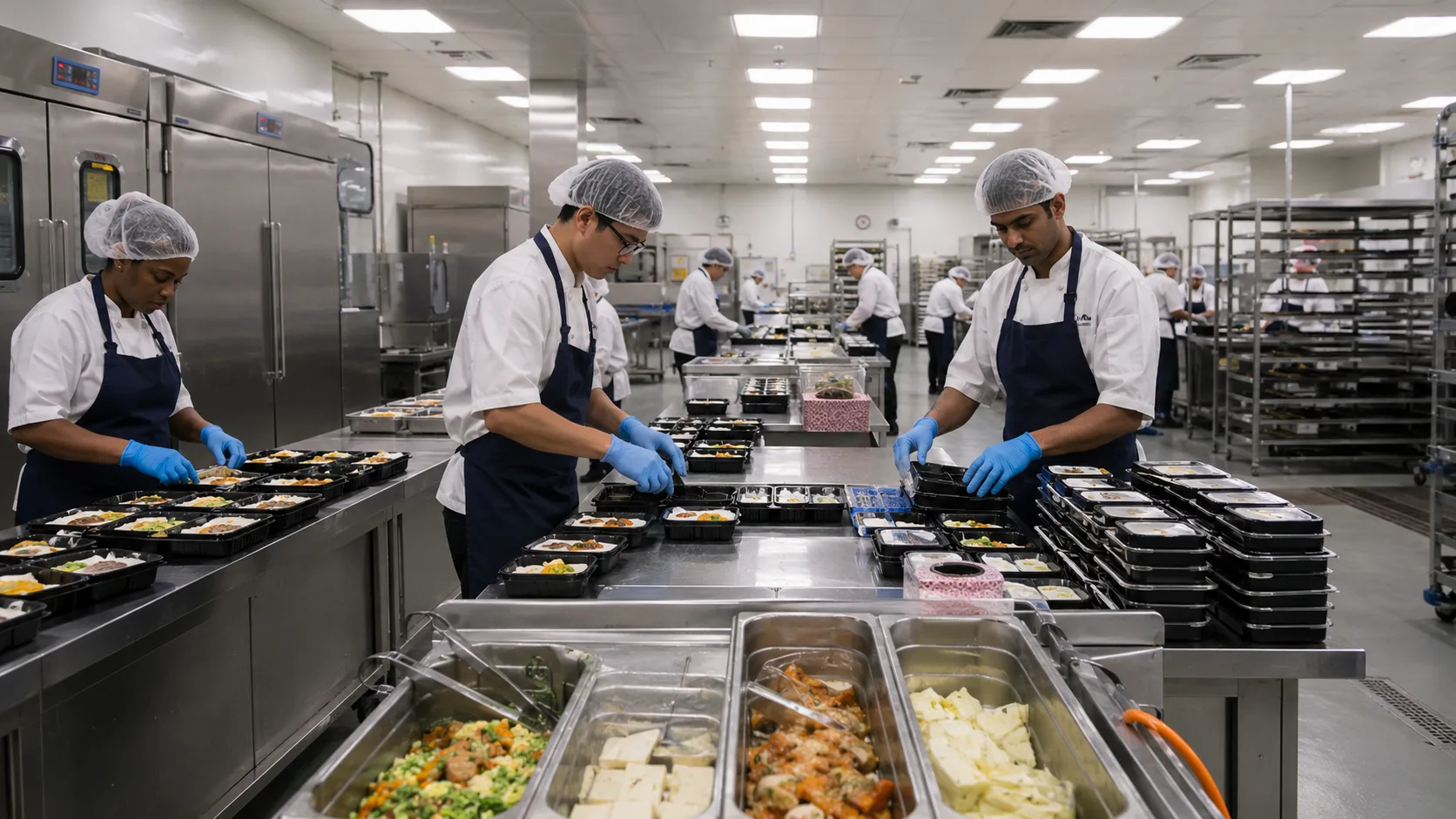
1. Aviation Cold Chain Physics: The IATA 90-Minute Rule
Aviation food safety is governed by strict international time-temperature parameters. Because meals are regenerated (re-heated) in aircraft convection ovens hours after delivery, bacterial multiplication risk is critical:
- The 90-Minute Blast Chilling Window: Cooked hot food batches (steamed rice, roasted meats, braised sauces) must be transferred into heavy-duty roll-in blast chillers immediately after cooking, dropping internal core temperature from 70°C (158°F) to 3°C (37°F) in ≤ 90 minutes.
- Positive Cold-Air Assembly Rooms: Meal assembly, portioning, and plating must take place in sealed cleanrooms maintained at an ambient temperature of 10°C to 12°C (50°F to 54°F) to prevent condensation and bacterial growth during tray set-up.
- Active Trolley Cold Staging: Once loaded into ATLAS or KSSU aluminum galley carts, meals are staged in dedicated cart cold rooms held at 2°C to 4°C with dry-ice sublimation chambers or active cart blowers until high-lift catering trucks dispatch to the runway.
2. Core Equipment Sizing for Airport In-Flight Catering
Equipment configuration depends on daily passenger meal uplift volume (from regional hubs serving 3,000 meals/day to mega-hubs serving 30,000+ meals/day):
| Operational Section | Equipment Specification | Technical Requirement for Aviation Operations |
|---|---|---|
| High-Volume Cookline | Batteries of 20-Pan GN 2/1 Combi Steamers & Jacketed Kettles | Programmable multi-step recipe profiles with barcode batch scanning for full passenger traceability. |
| Chilling Corridors | Roll-Through Blast Chillers Compatible with Trolleys | Heavy-duty ramped floors allowing seamless roll-in of full-height Gastronorm oven trolleys without manual tray re-racking. |
| Assembly & Plating | Variable-Speed Modular Belt Plating Conveyor Lines | Food-grade polyurethane belts, overhead LED illumination, integrated digital precision check-weighers. |
| Galley Cart Sanitization | Continuous Automated Airline Trolley Wash Tunnels | High-pressure rotating wash arms washing and drying 60 to 180 ATLAS/KSSU carts per hour with 82°C sanitizing rinse. |
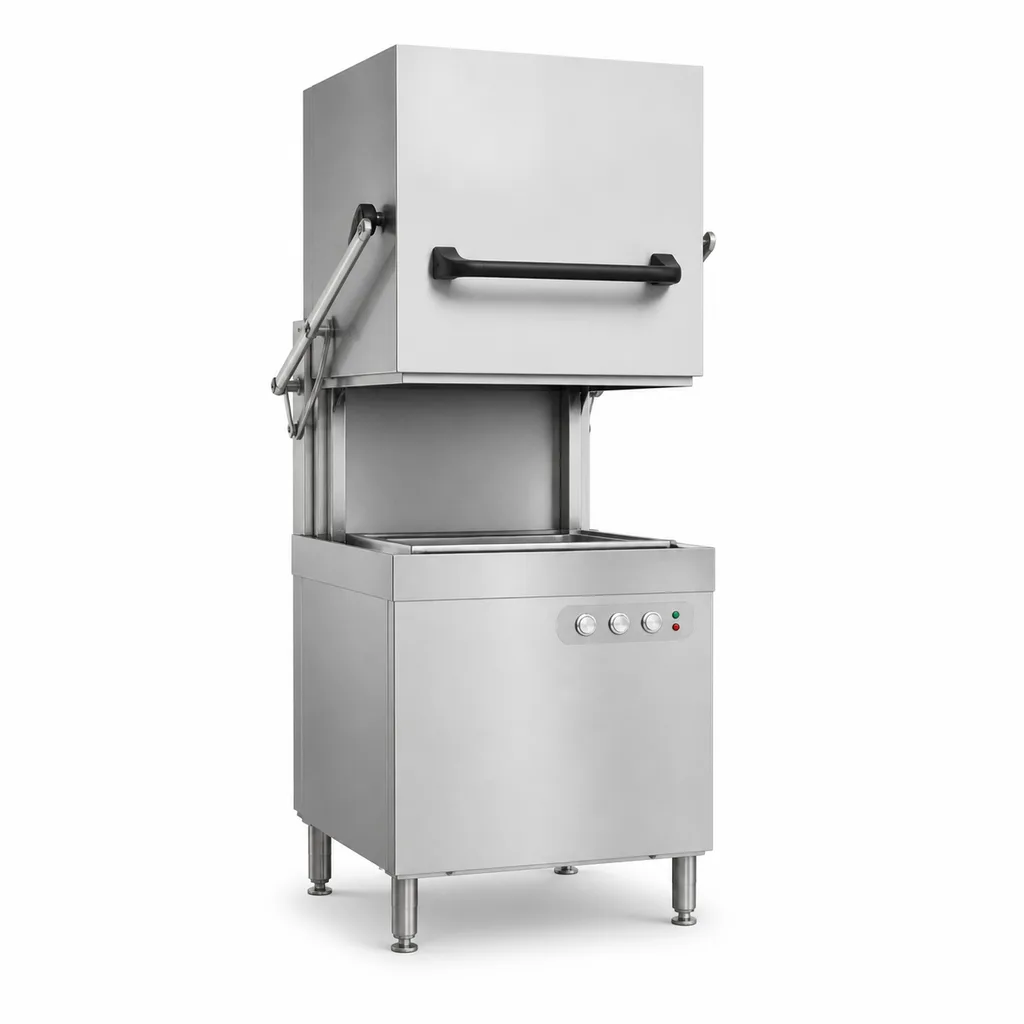
| Warewash & Rotable Wash | Flight-Type Conveyor Dishwasher with Dual Chemical Rinse | Continuous wash of airline porcelain, cutlery cassettes, and polycarbonate meal covers at 3,000+ pieces/hr. |
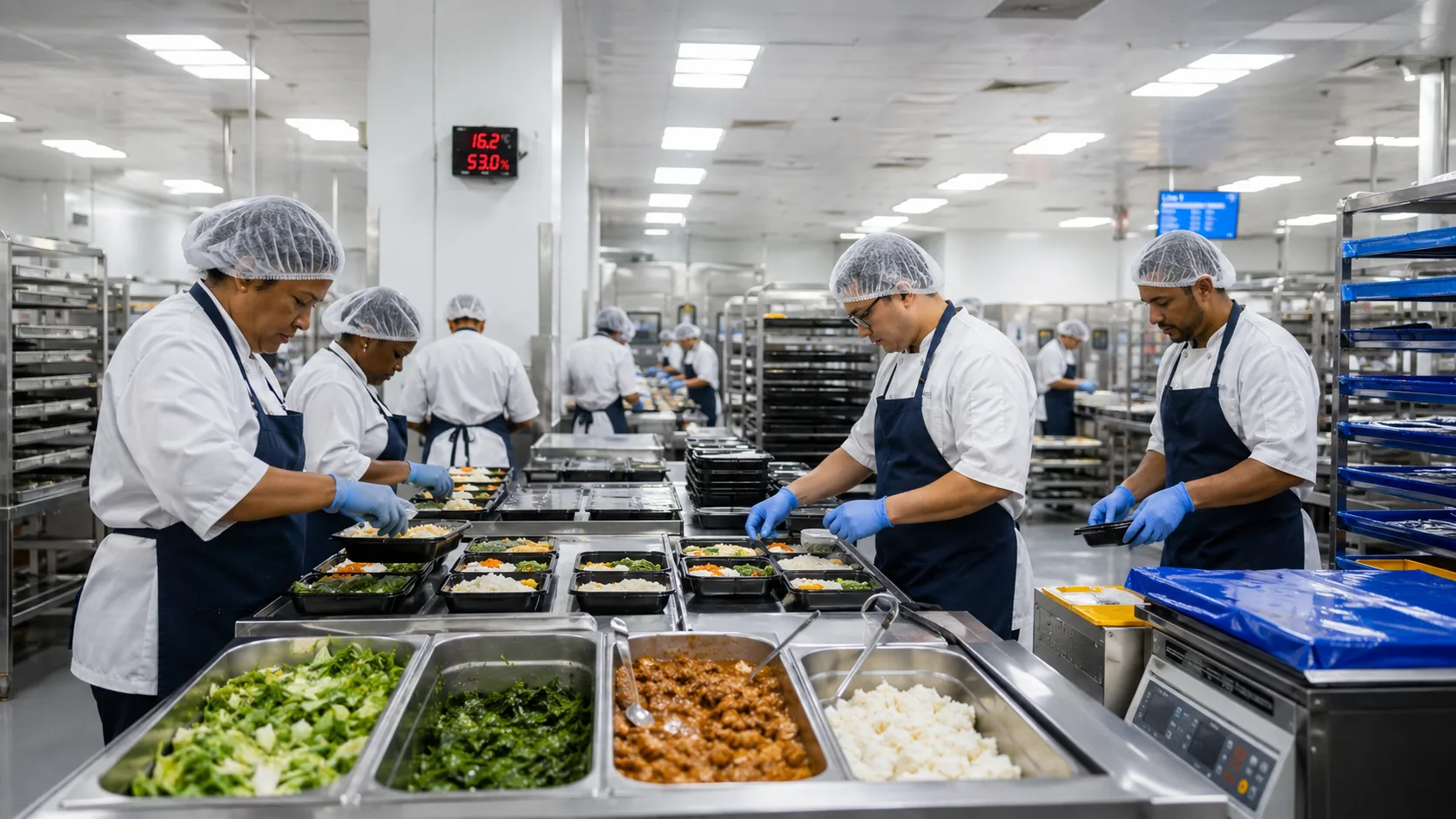
3. Cart Washdown & Rotable Washing Automation
Each incoming aircraft unloads hundreds of soiled meal trolleys, meal inserts, and beverage carafes. Manual washing is physically impossible at scale:
- Automated Trolley Wash Chambers: Stainless steel wash tunnels equipped with high-pressure rotary spray headers that strip food residues, oils, and flight labels from aluminum carts, followed by hot air drying blades ensuring carts exit bone-dry and ready for immediate reload.
- Cassette & Cutlery Sorters: Magnetic cutlery recovery conveyors that automatically separate stainless airline flatware from meal waste, feeding specialized multi-stage cutlery wash tunnels with integrated hot-air polishing.
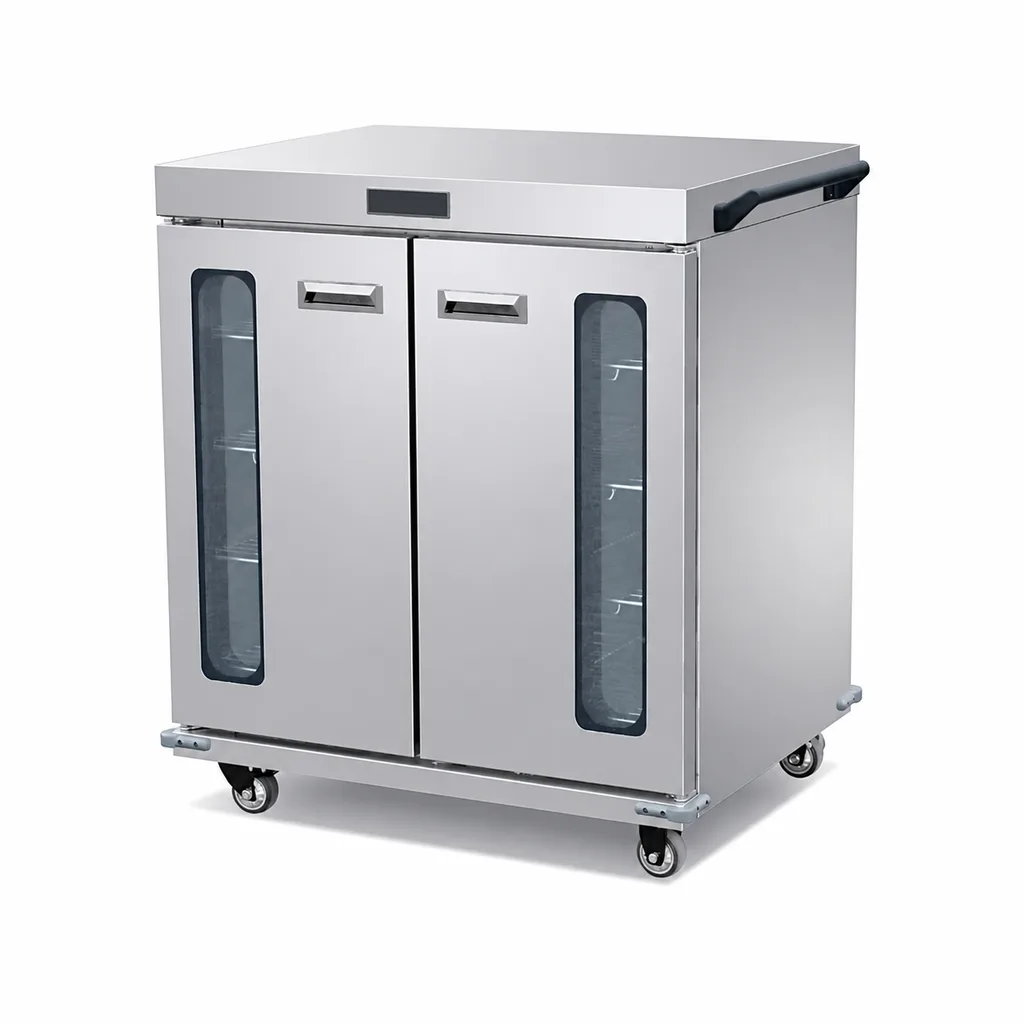
4. Airport Airside Regulatory & Fire Safety Compliance
Airport facilities are governed by stringent civil aviation building and fire codes. Turnkey kitchen projects must guarantee:
- NFPA 96 & Airport Authority Smoke Standards: High-velocity exhaust canopies equipped with UV ozone grease destruction systems and UL-listed automatic fire suppression interlocks, preventing exhaust duct grease buildup in secure airside structures.
- Strict Airside Security Screening Compliance: All equipment components and toolsets must comply with airport security pass requirements during construction and maintenance.
- 24/7 Redundant Power Architecture: Dual-feed electrical panels with uninterrupted backup generator links ensuring zero loss of refrigeration across valuable bonded cold stores.