Industrial catering operations—including centralized commissary food factories, contract caterers, remote resource camp kitchens, and mega-scale flight caterers producing 5,000 to 50,000+ meals per day—operate under industrial manufacturing principles rather than culinary restaurant workflows. Every square meter of kitchen space must be optimized for mass ingredient throughput, standardized continuous thermal processing, rapid automated chilling, and automated conveyorized packaging lines. Sizing equipment for this scale requires precision mass-balance engineering, continuous inline automation, and seamless HACCP temperature tracing.
Key Takeaway for Commissary Directors: At industrial scale, manual small-batch cooking wastes vast labor and energy. Transitioning to automated continuous fryers, high-capacity tilting kettles with integrated agitators, spiral blast chillers, and flight dishwashing lines cuts kitchen labor by up to 60% while guaranteeing culinary consistency across thousands of daily meal portions.
1. Industrial Mass Production Architecture & Zoning
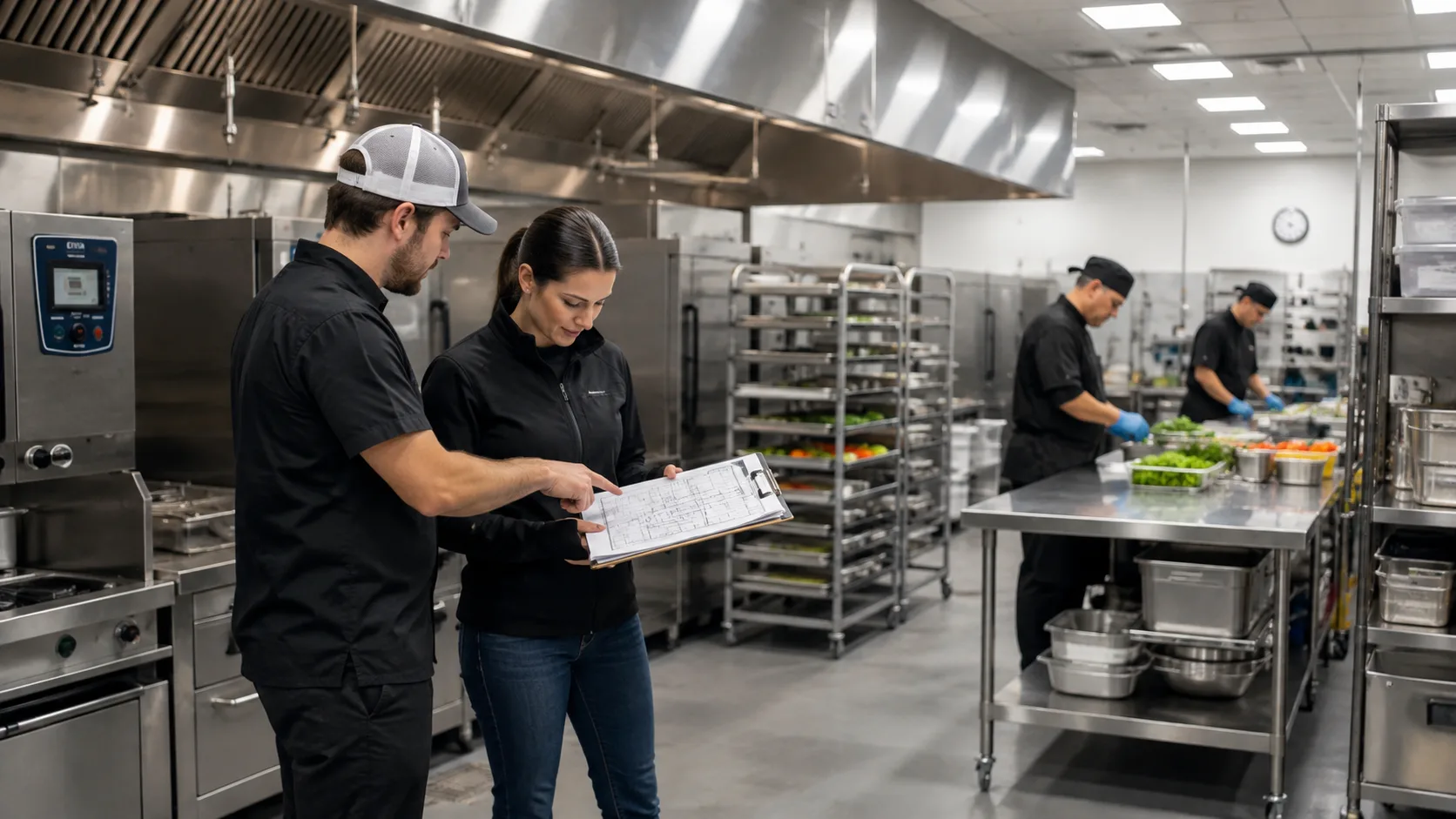
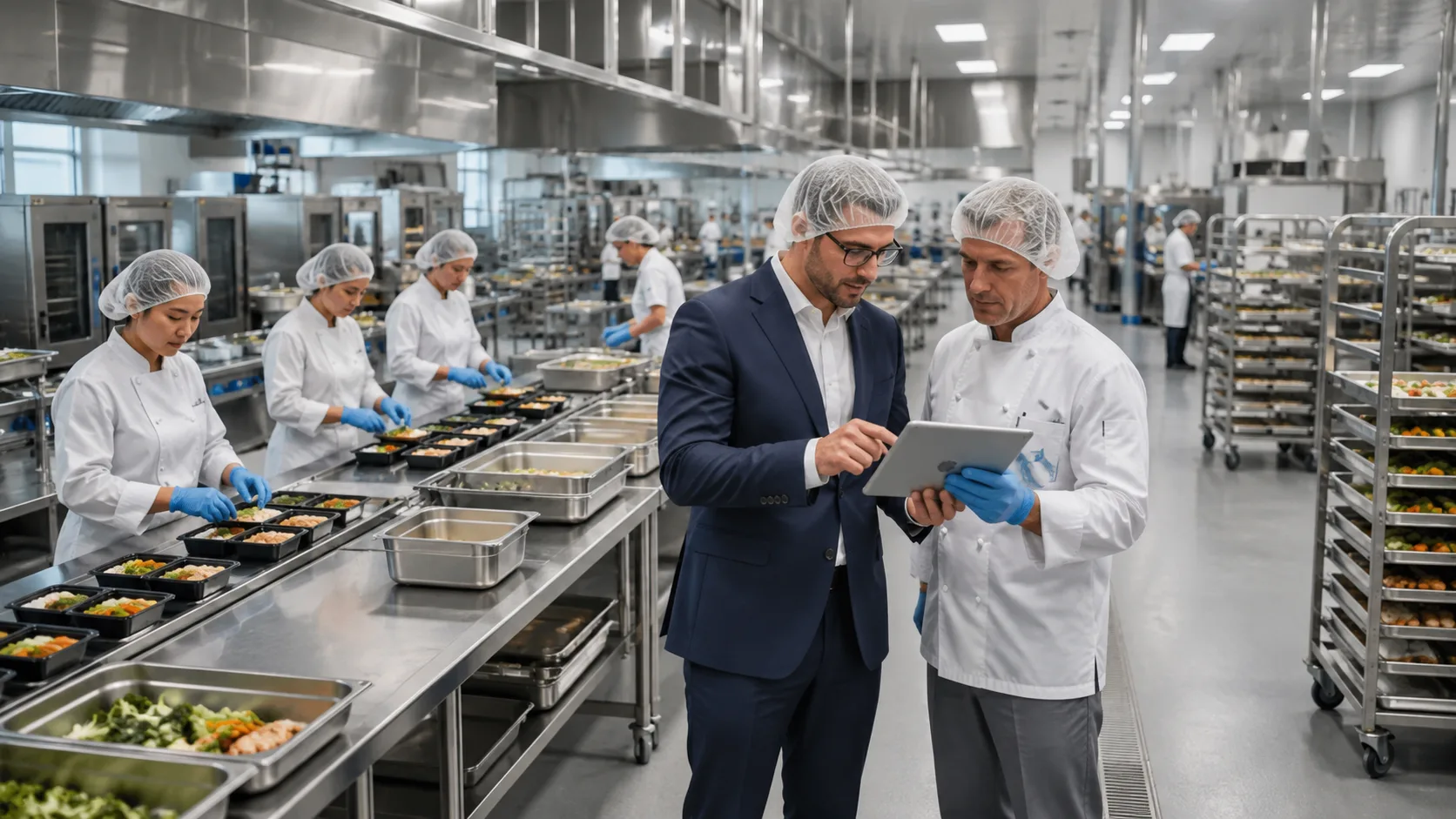
Industrial commissary facilities are engineered with sterile food factory zoning, separating intake, processing, packaging, and distribution into physically isolated bio-security zones:
- Zone 1: Raw Receiving & De-Boxing: Outer carton removal and sanitization before raw ingredients enter clean food zones.
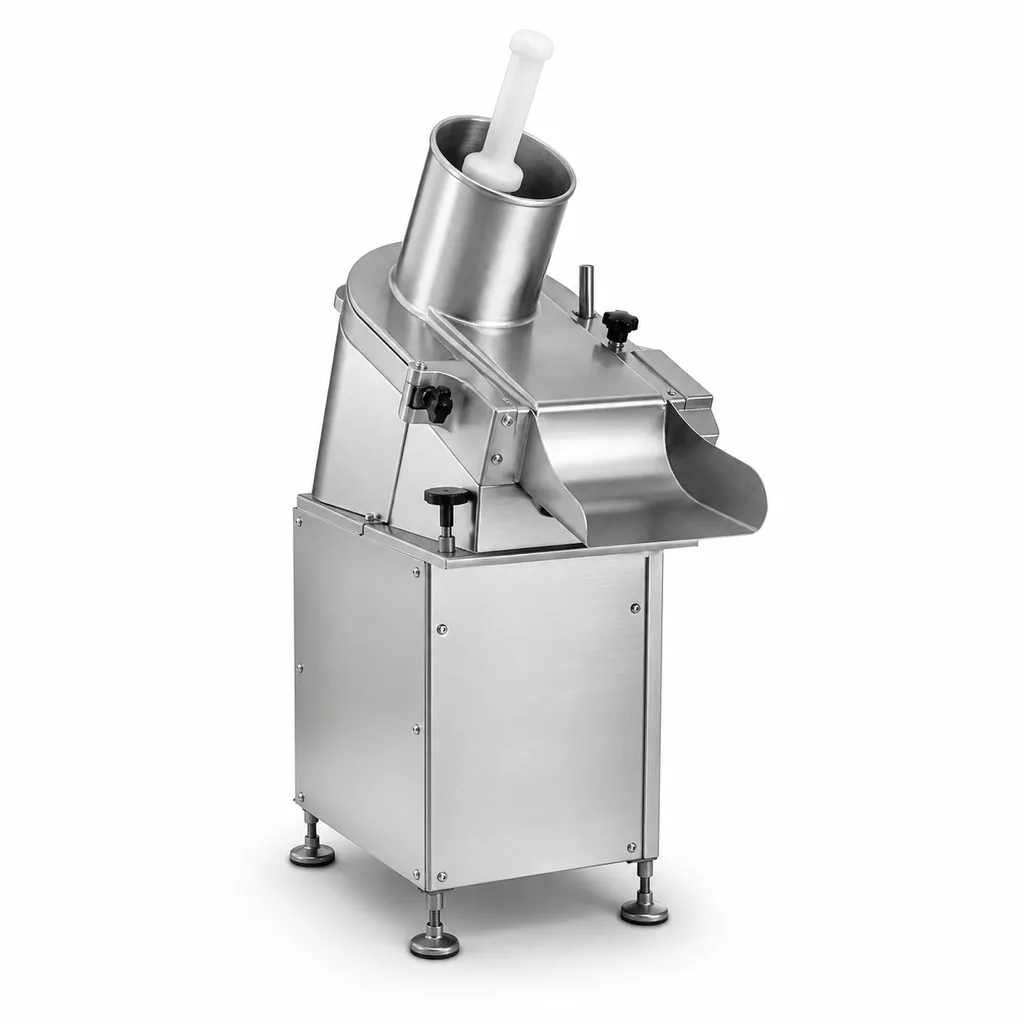
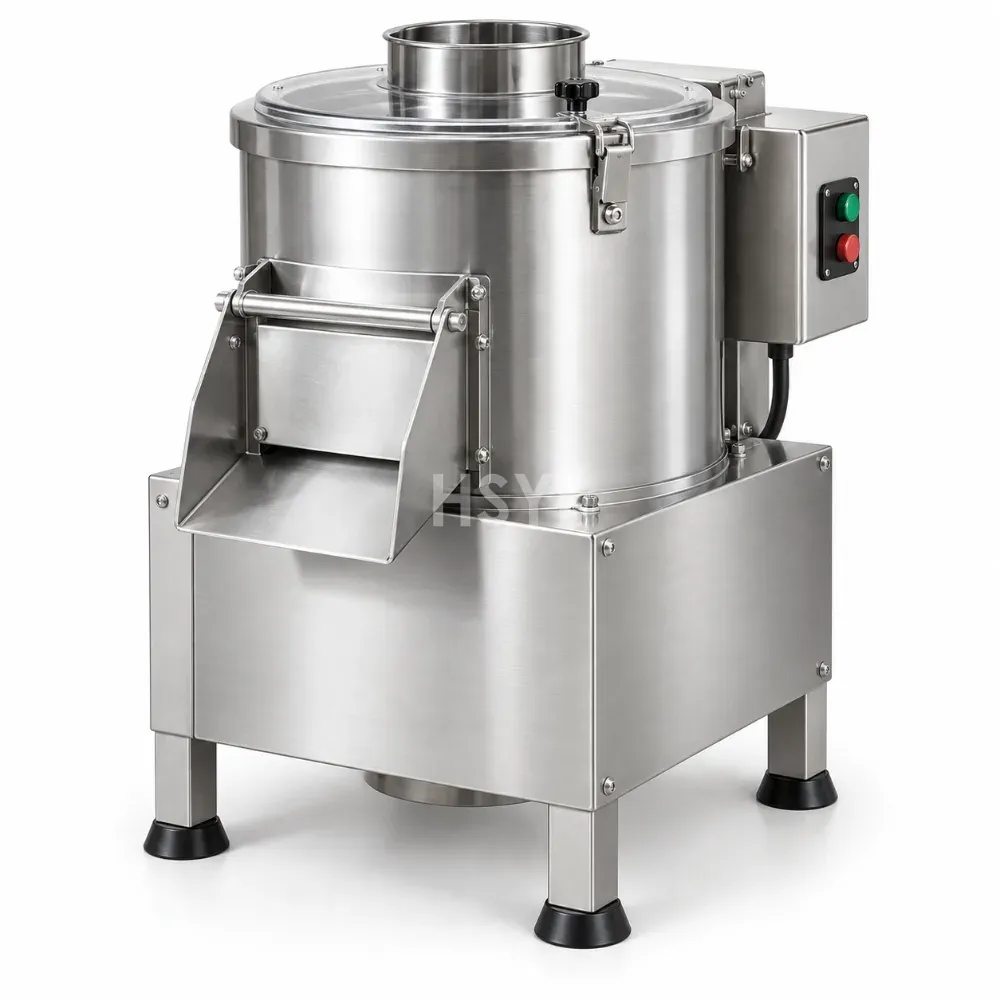
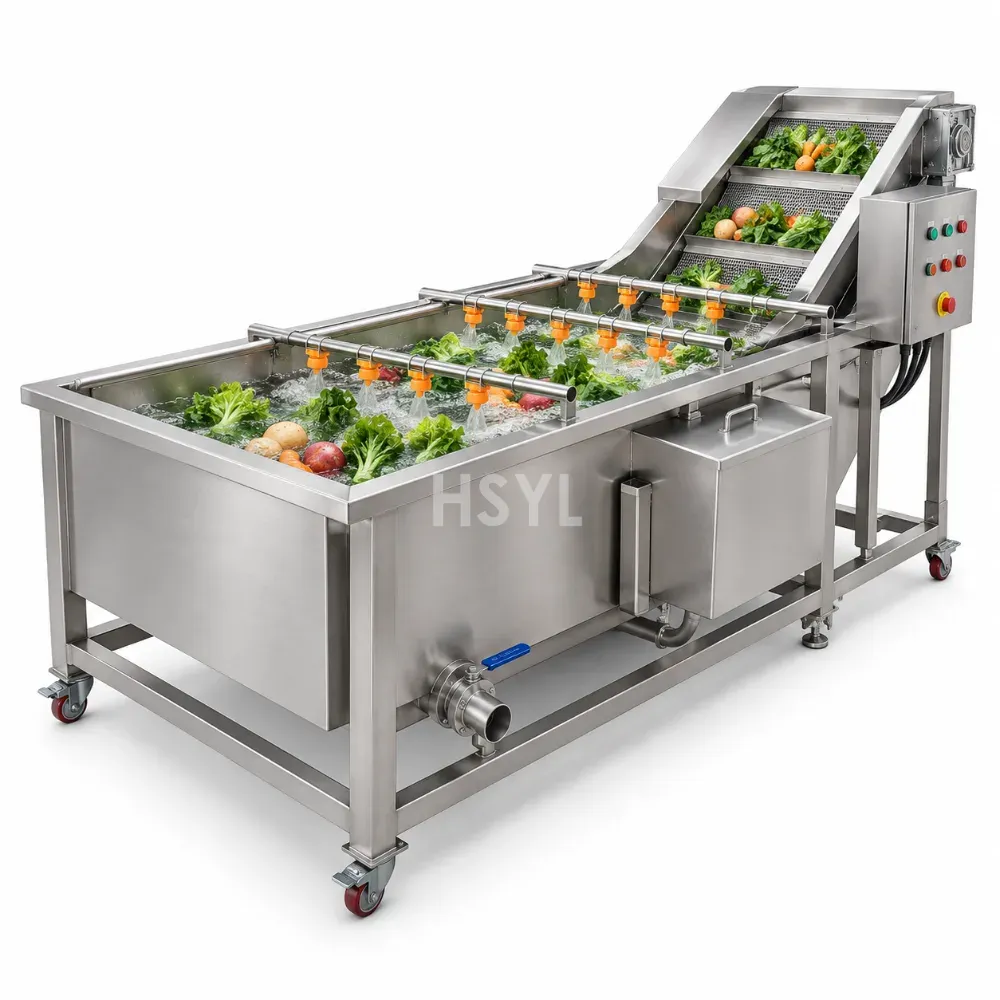
- Zone 2: Industrial Prep Hall: High-capacity vegetable peeling and washing lines (1,000–3,000 kg/hr), continuous bowl cutters, and vacuum meat tumblers.
- Zone 3: Central Thermal Hall: Batteries of tilting kettles with hydraulic scrapers, continuous conveyor ovens, and automated multi-deck steaming cabinets.
- Zone 4: Rapid Chilling & Freezing Corridor: Roll-in blast chillers or continuous cryogenic freezing tunnels reducing core food temperatures to below 3°C within 90 minutes.
- Zone 5: Clean Assembly & MAP Packaging: Positive-pressure cleanrooms (HEPA filtered, 12°C ambient) with automated tray sealers and Modified Atmosphere Packaging (MAP).
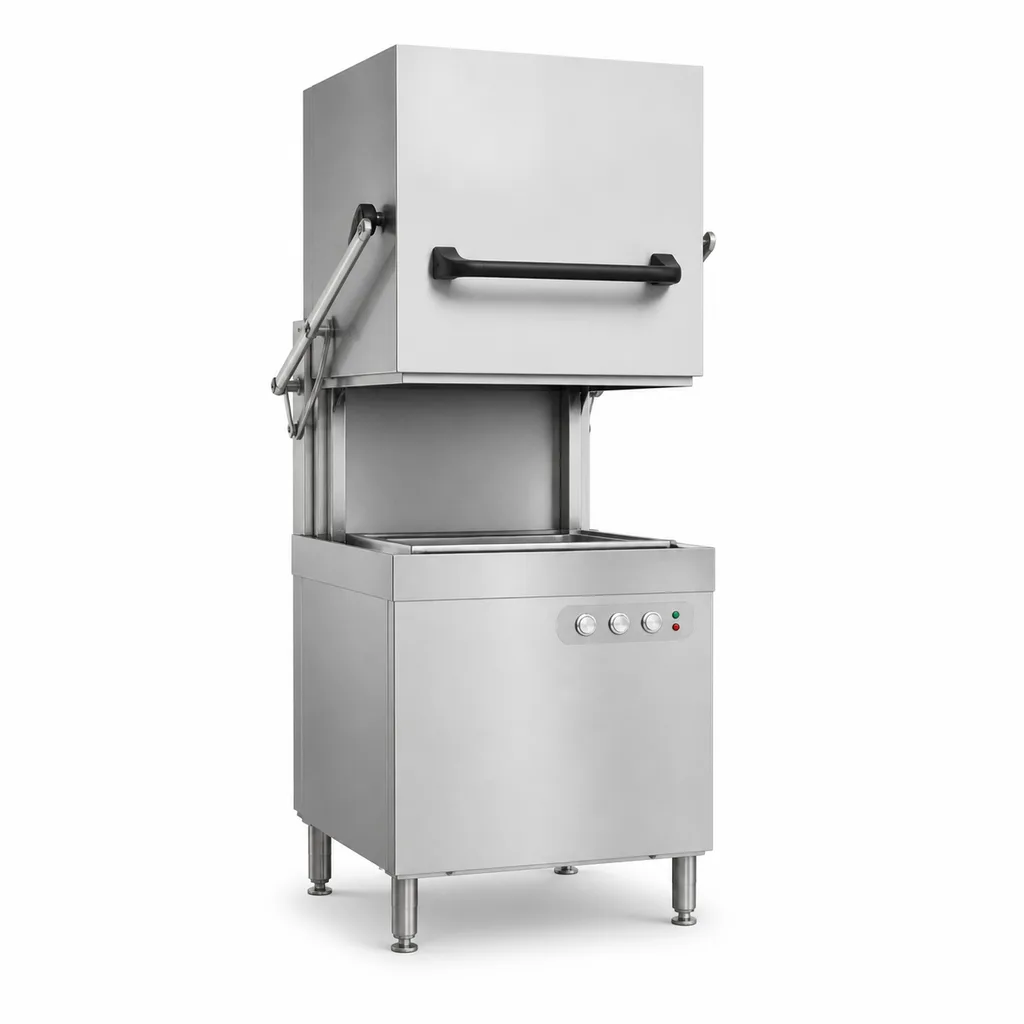
- Zone 6: Warewashing & Crate Sanitization: Tunnel crate washers and high-throughput flight-type dishwashers processing 4,000+ items/hr.
2. High-Throughput Equipment Engineering Specifications
Industrial catering machinery requires industrial-grade mechanical drive assemblies, heavy AISI 304/316 stainless construction, and automated PLC control:
| Process Stage | Industrial Machinery Type | Operational Throughput Range | Key Industrial Engineering Feature |
|---|---|---|---|
| Vegetable Processing | Continuous Vortex Vegetable Washer & Dewatering Centrifuge | 1,000 to 2,500 kg/hr | High-flow hydraulic circulation removes grit without bruising produce; automated ozone injection sanitizes wash water. |
| Bulk Stewing & Boiling | Tilting Jacketed Steam Kettles with Dual Planetary Scrapers | 300L to 600L per vessel | Heavy-duty motorized Teflon scrapers prevent sidewall scorch; programmable recipe controllers log cooking time-temp curves. |
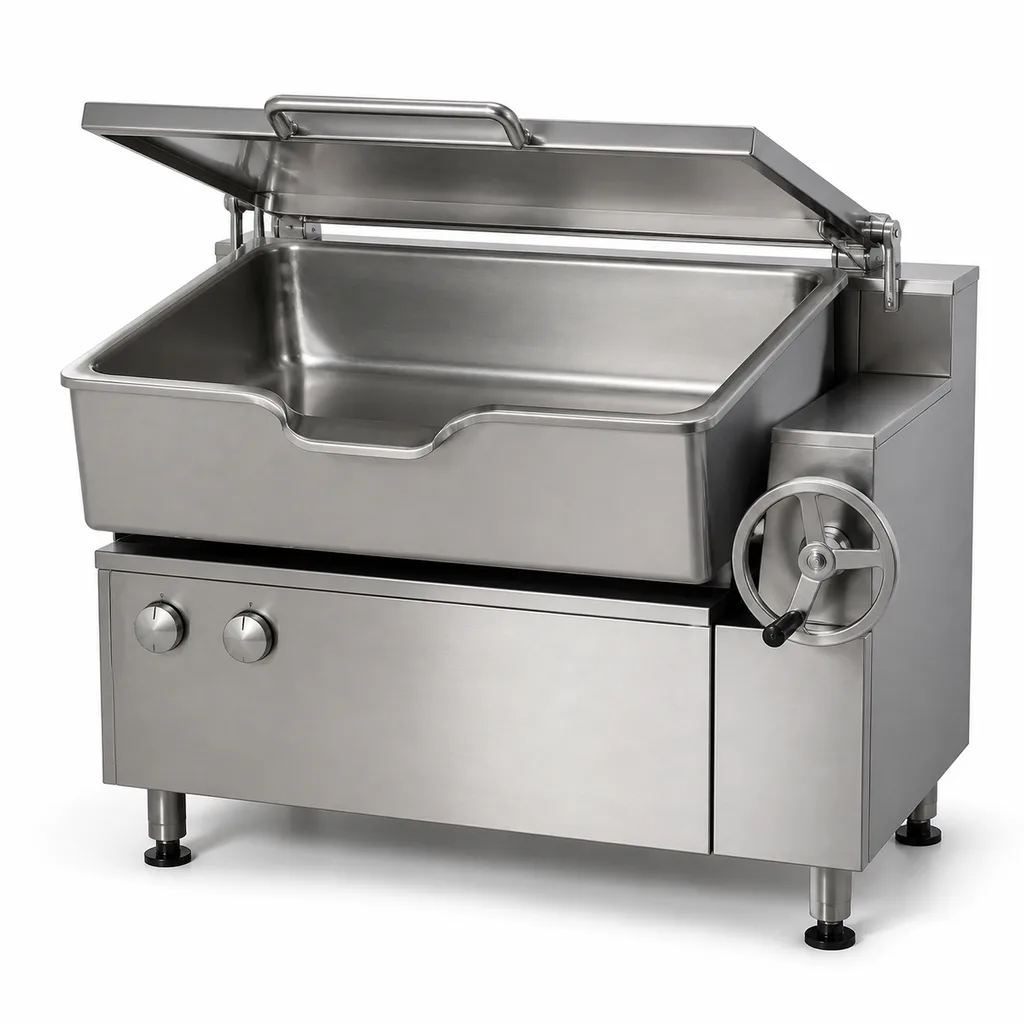
| Batch Searing & Braising | Hydraulic Tilting Braising Pans (Bratt Pans) | 150L to 250L / 18 kW | Thick compound multi-layer bottom (steel-aluminum-steel) ensures rapid thermal recovery and uniform browning across full pan surface. |
| High-Volume Baking & Steaming | Rotary Rack Ovens & Roll-In Combi Battery | 2 to 6 Double-Rack Trolleys | High-velocity airflow reversing blowers ensure uniform bake across 30 sheet pans per rack; high-pressure steam generators. |
| Rapid Blast Chilling | Roll-Through Continuous Blast Chill Corridors | 400 to 1,200 kg/hour | Heavy-duty semi-hermetic Bitzer/Copeland compressor racks with electronic expansion valves and core needle thermistors. |
3. Industrial Crate & Warewashing Automation
Processing thousands of meals daily generates mountains of standardized Gastronorm pans, transport crates, and prep tubs. Manual washing creates massive bottlenecks:
- Continuous Tunnel Crate Washers: Motorized conveyor tunnels washing, sanitizing, and blow-drying 400 to 1,000 plastic transport crates/hour using recirculated filtered wash water and high-pressure chemical sanitizing rinse.
- Heavy-Duty Flight Dishwashers: Endless peg conveyor belt processing GN pans, sheet trays, and cutlery without manual rack loading, featuring integrated heat-recovery condensers that capture waste exhaust heat to preheat incoming water.
- Automated Food Waste Pulping: Vacuum-driven waste slurry extraction lines transporting scrap solids directly from prep and washdown tables into outdoor de-watering compactors, eliminating manual trash handling inside food zones.
4. Sanitary Drainage & Facility Utilities
Industrial kitchen washdowns involve hundreds of liters of boiling water, animal fats, and chemical sanitizers. Facility specifications must mandate:
- Continuous Stainless Trench Drains: AISI 304 floor channels with rounded coved bottoms, removable bar grating (capable of supporting 1.5-ton pallet jacks), and removable sediment baskets.
- Central Steam & Chilled Water Loops: Installing centralized steam boilers and glycol chiller loops delivers 35% higher energy efficiency than individual self-contained electric compressors and heating elements.
- Washdown Protection (IP65/NEMA 4X): All control enclosures, pushbuttons, and motorized drives must withstand daily high-pressure chemical washdowns without moisture ingress.