Not all restaurant supply stores are equal on commercial-grade equipment, after-sales support, and project expertise. This guide helps you evaluate suppliers so you can choose a partner that fits your kitchen's needs and budget.
What makes a restaurant supply store worth using
The best restaurant supply store is not necessarily the cheapest; it is the one that delivers the right mix of product range, delivery reliability, technical support, and after-sales service. New operators often choose suppliers based on a single low quote, then discover that delivery windows are vague, spare parts are unavailable, or warranty claims take weeks to process. Established operators evaluate suppliers on stock availability for fast-moving parts, response time for service calls, and whether the sales team can spec a compliant kitchen instead of pushing generic SKUs.
Product range and depth
A good restaurant supply store should cover cooking equipment, refrigeration, dishwashers, smallwares, and disposables. Depth matters more than breadth: a store that stocks ten brands of undercounter dishwasher but no service parts is less useful than a store that stocks three brands with full parts catalogs. Ask for a parts list for the models you are considering before placing a large order. If the store cannot supply heating elements, gaskets, and control boards locally, look elsewhere.
Delivery, installation, and commissioning
Delivery windows should be confirmed in writing, not estimated over the phone. Fragile equipment—glass-door refrigerators, combi ovens, and stone-hearth pizza ovens—needs crating, lift gates, and insurance. Installation should be performed by technicians trained in the specific brand; a generic plumber or electrician may not understand commercial kitchen commissioning procedures. Ask whether the store provides a handover pack with wiring diagrams, part numbers, and service contacts. That documentation saves hours of troubleshooting after delivery.
Pricing, negotiation, and package deals
Restaurant supply stores compete on list price, but the real negotiation happens around package deals, spare-parts consignment, and extended warranties. A full kitchen package from a single supplier typically saves 12% to 18% versus buying items separately. The discount is real only if the package is compliant: every item must carry the correct certification, and the supplier must coordinate installation. Negotiate a fixed-price mechanical package that includes hood design, gas piping, fire suppression, and commissioning. Do not let the supplier substitute cheaper models to hold the discount; specify model numbers in the contract.
| Criterion | What to verify |
|---|---|
| Product range | Stocks parts for the models you buy |
| Delivery | Confirmed window, crating, and insurance |
| Installation | Brand-trained technicians, commissioning docs |
| Pricing | Fixed-price package, no model substitutions |
| After-sales | Local service agent, parts stock, warranty SLA |
Key takeaway: Choose a restaurant supply store based on total support, not just list price. A supplier with local stock and brand-trained technicians reduces downtime more than a cheaper competitor with no service network.
Returns, warranties, and long-term relationships
Even the best suppliers make mistakes. Confirm the return policy for damaged or incorrect items before signing. Warranty claims should be handled by the supplier, not passed to the manufacturer without support. Long-term relationships bring benefits: priority service during parts shortages, early access to new product launches, and better credit terms. Operators who rotate suppliers for every purchase lose those advantages. Evaluate your supplier annually on delivery performance, service responsiveness, and parts availability.
Credit terms, financing, and growth support
The best restaurant supply store offers credit terms that match your cash flow. New operators may need net-30 or net-60 terms to bridge the gap between opening and revenue. Established operators should negotiate volume rebates and early-payment discounts. Some suppliers offer equipment financing or lease-to-own programs that reduce upfront capital. Ask whether the store can coordinate installation financing or connect you with preferred lenders. A supplier that grows with you—expanding credit as your purchase volume increases—is worth more than a competitor that offers a slightly lower list price but no flexibility.
Comparing Catering Equipment Suppliers and Restaurant Equipment Suppliers
The terms catering equipment suppliers and restaurant equipment suppliers overlap, but the buying experience differs by structure. A broadline catering supplier stocks everything from cooking lines to disposables and can kit out a whole venue from one PO, at the cost of thinner depth on any single category. A specialist restaurant equipment supplier carries deeper brands and spares for cooklines and refrigeration, with sharper technical advice but a narrower catalogue. Factory-direct manufacturers offer the lowest sticker and the longest lead time, while regional distributors balance local stock with mid-range pricing.
Match the supplier type to the purchase. For a full fit-out, a broadline or regional distributor reduces coordination; for a critical cookline, a specialist with local parts wins on downtime; for commodities, factory-direct price is hard to beat. Confirm lead time in writing and weigh it against the support you would lose by going cheapest.
| Supplier type | Product range | Price position | Support and lead time |
|---|---|---|---|
| Broadline catering supplier | Full catalogue | Mid | Broad support, moderate lead |
| Specialist restaurant equipment supplier | Deep on key categories | Mid–high | Strong technical, fast parts |
| Factory-direct manufacturer | Own brands only | Lowest | Long lead, thin local support |
| Regional distributor | Balanced | Mid | Local stock, short lead |
Digital ordering, inventory visibility, and API integration
Modern restaurant supply stores increasingly offer digital ordering portals, real-time inventory visibility, and API integration with restaurant management systems. These features reduce manual ordering time and prevent stockouts of critical items like heating elements or gaskets. Ask whether the supplier can provide automated reorder triggers based on your usage patterns. For multi-site operators, a single dashboard that aggregates orders, delivery windows, and invoice history is worth more than a small price reduction on individual SKUs.
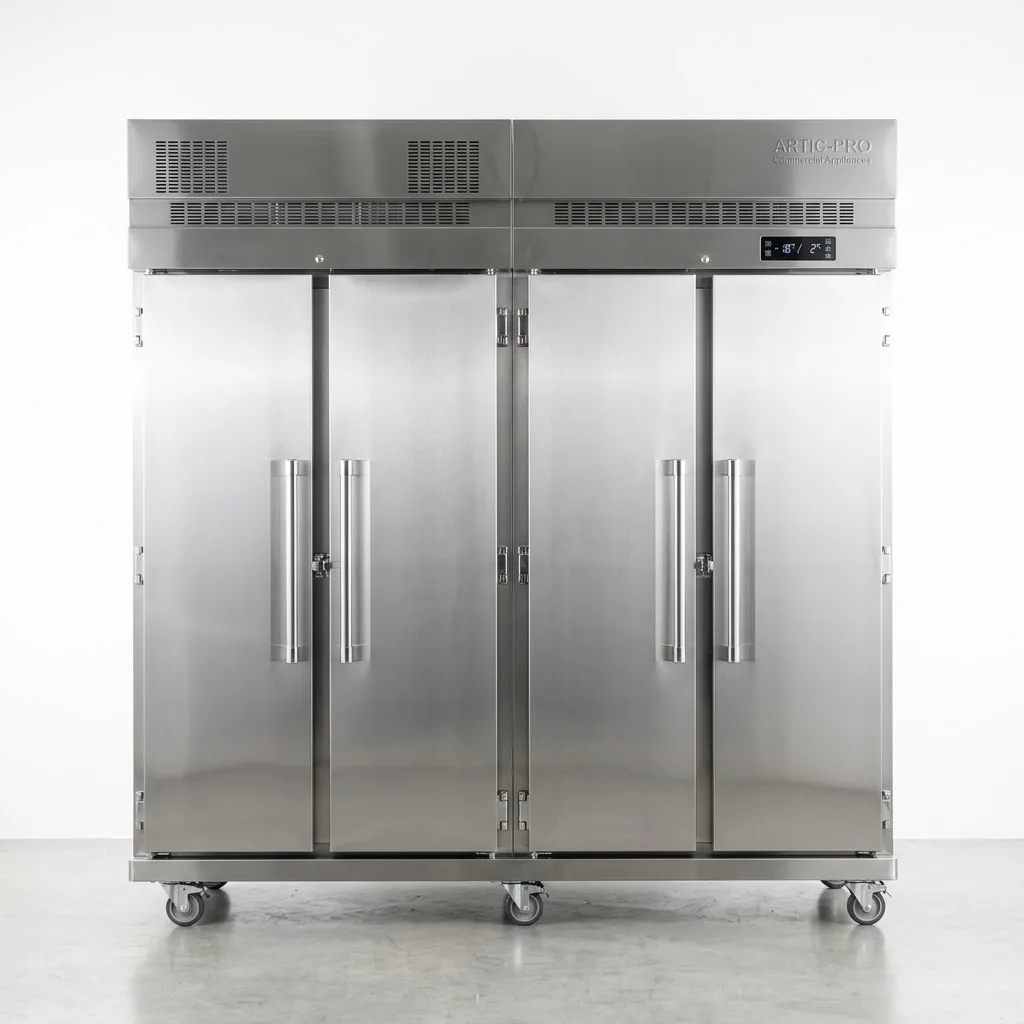
Refrigeration Equipment
Refrigerators, freezers and cold rooms from distributors.
View refrigeration equipment →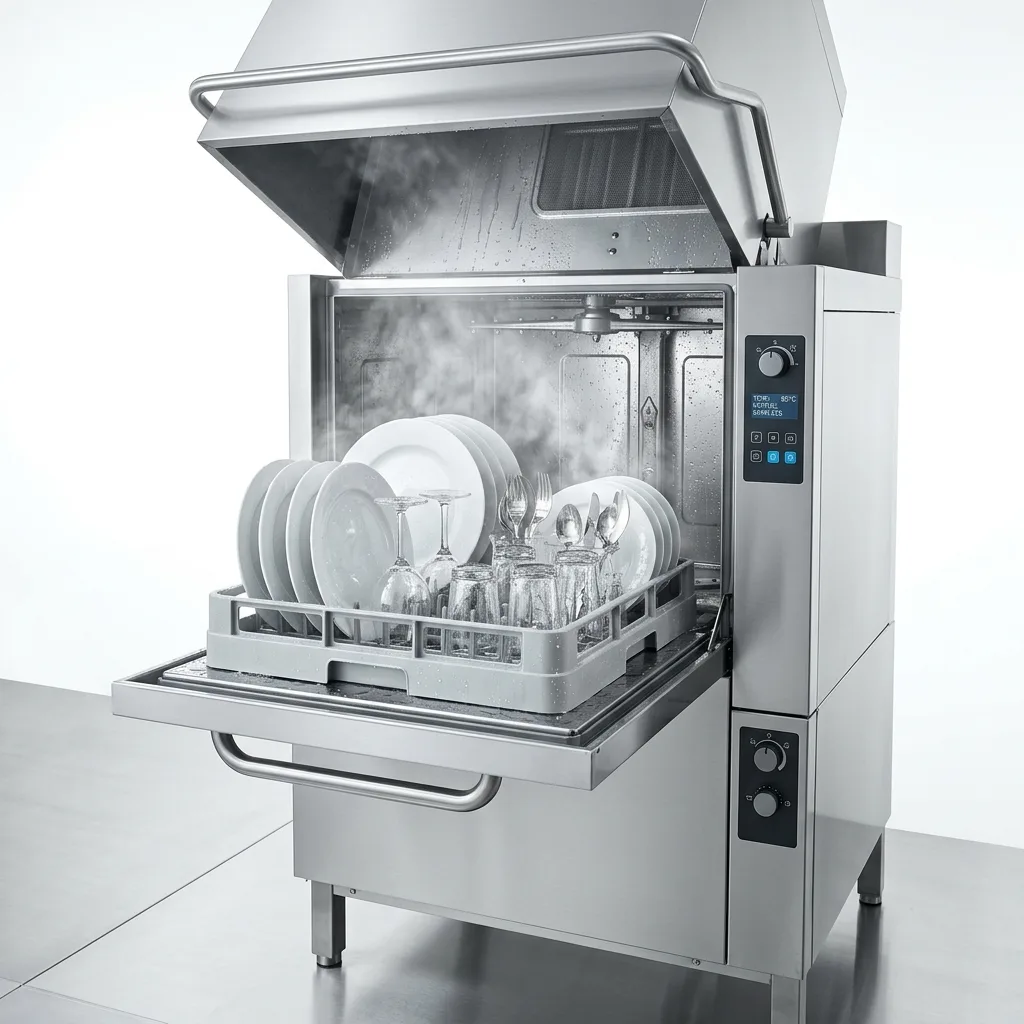
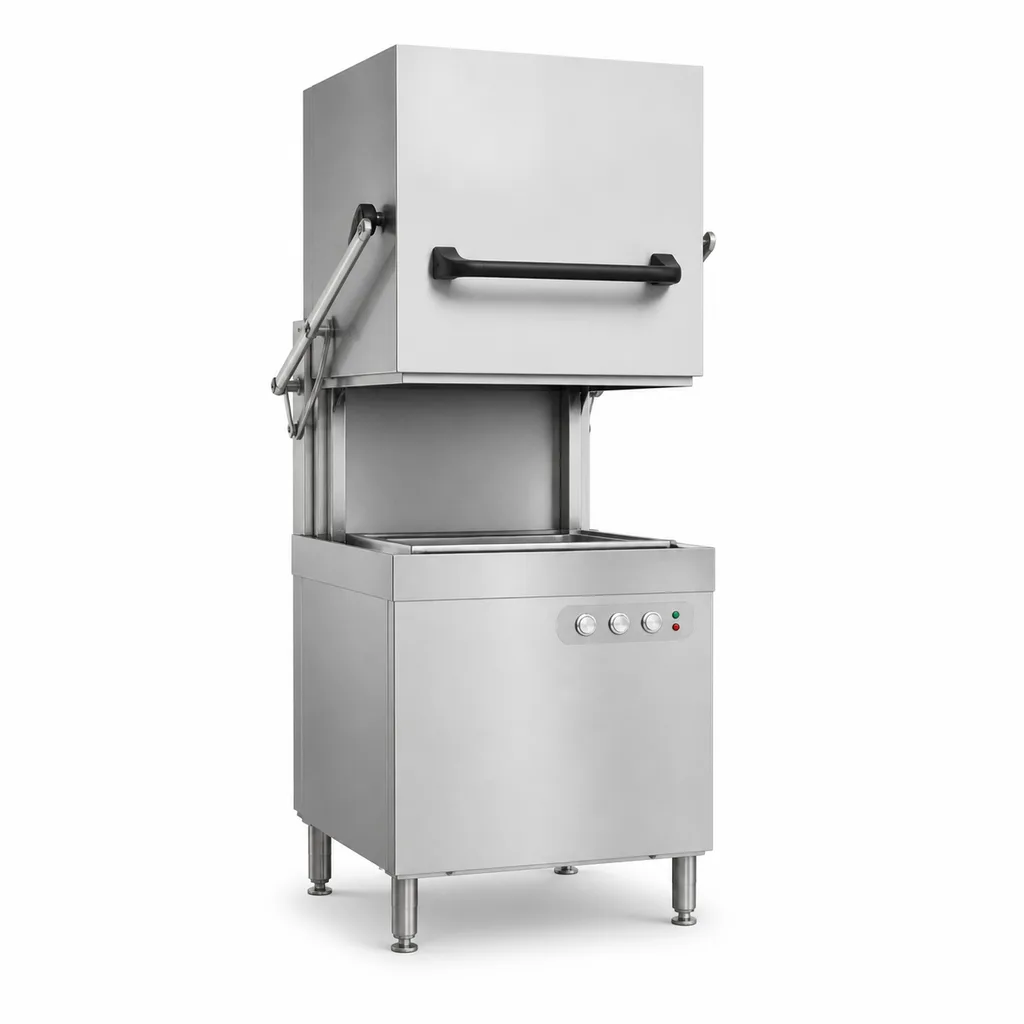
Dishwashing Equipment
Commercial dishwashers from dealers and manufacturers.
View dishwashing equipment →Browse the full cooking equipment range. For hygiene and compliance standards, see our compliance standards guide.
For projects with specific raw material requirements, target capacity needs, or custom factory drawing specifications, contact our team to discuss your working hours and operational requirements. We support full project planning from specification to installation.