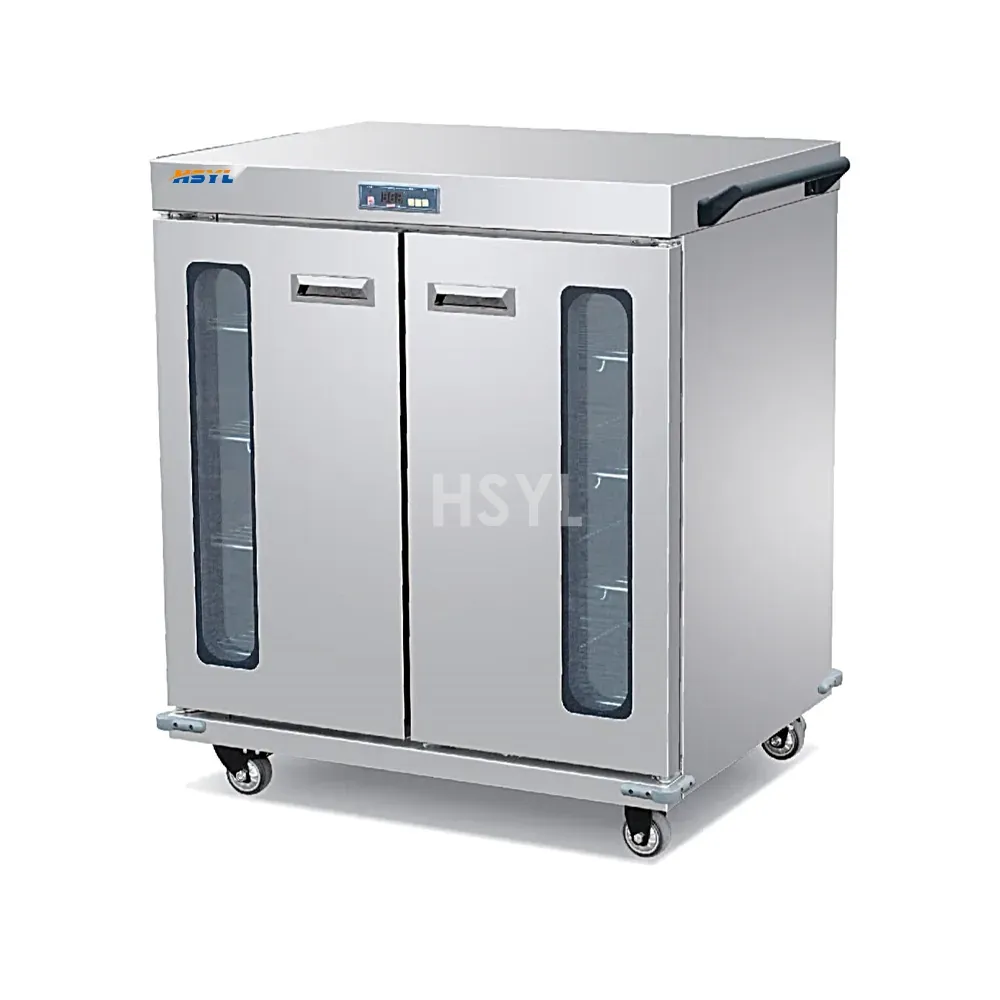
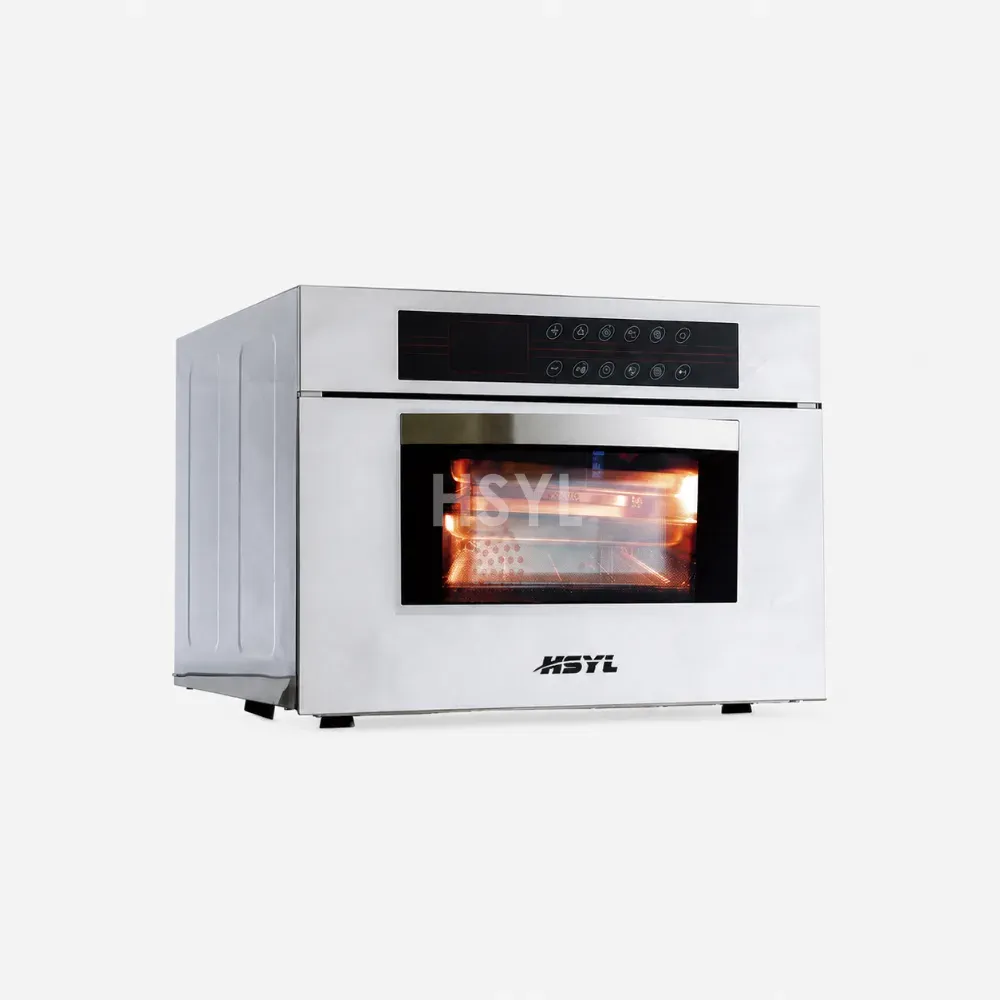
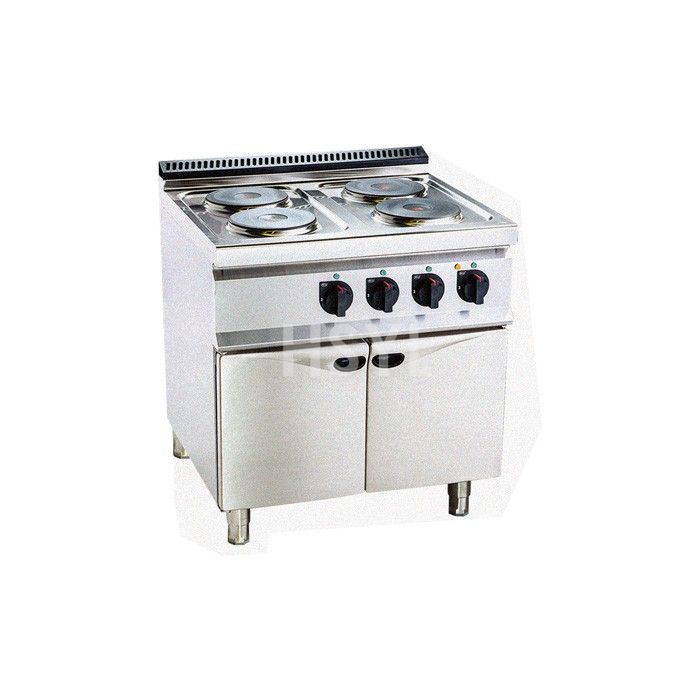
Cookery equipment is the set of appliances that turns prepared ingredients into menu-ready food. The right list depends on cooking methods and simultaneous orders, not on a standard package of every available stove, fryer and oven. Before selecting models, write down what is cooked, how it is cooked, the container or pan used, and how many portions must leave each station during the busiest service period.
Group equipment by the actual cooking job
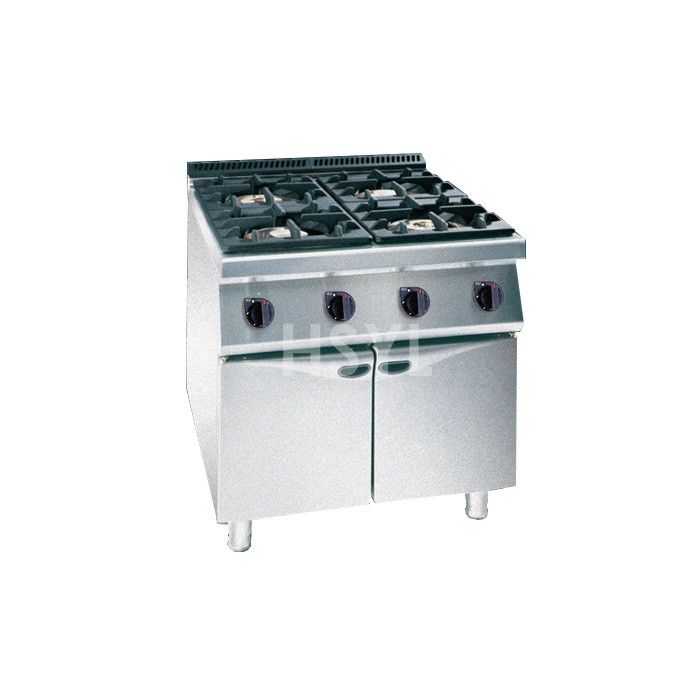
A range handles pan-based boiling, sautéing or simmering. A griddle provides a contact surface for products that can be cooked and turned on a plate. A fryer handles immersion frying. An oven provides an enclosed baking or roasting space; a combi oven adds other controlled modes only when those modes are part of the menu. A steamer serves foods that need a steam process and a matching pan, tray or basket format. These are different jobs. Adding an appliance because it appears on a competitor's equipment list does not prove it will remove a bottleneck in your kitchen.
A four-step shortlist, not a catalogue wish list
- Name the cooking action. For every menu item, write the heating method and the pan, tray, basket or vessel it uses. Leave out equipment that performs no required action.
- Find incompatible tasks. Mark products that need different temperatures, oil, pans or hygiene separation at the same time. A machine that can perform both tasks sequentially may still fail when orders overlap.
- Check what happens next. Reserve space for draining, finishing, plating, holding or packing. The cookline does not end at the heating surface.
- Reject the wrong format early. If the real tray does not fit, the site lacks the required utility, or cleaning between products consumes the service window, remove that option before asking for a price.
Test the busiest service sequence
Draw a short timeline for the busiest fifteen or thirty minutes of service. Mark each order's cooking start, expected finish and hand-off to the pass. If two best-selling dishes require the same oven at different settings, the equipment may be a scheduling constraint even when its nominal chamber capacity looks large. Conversely, several small cooking tasks may be handled on one well-planned line if their timing and temperatures are compatible. Use a representative loaded test where output matters; an empty heating cycle is not evidence of finished portions per hour.
Check the building before treating the shortlist as an order. Gas or electrical supply, ventilation, water and drainage, heat exposure to nearby workstations, cleaning access and delivery route can remove apparently suitable options. Obtain the current model drawings and connection requirements for the configuration being quoted. Local approval and installation decisions belong with the responsible project team.
Request a quote that follows the process plan
Send the supplier a menu, peak-order estimate, pan and tray schedule, available utilities and a dimensioned layout. Ask for each appliance's model code, included accessories and the reason it appears in the proposed line. Record tasks the proposed equipment cannot perform so they are not hidden in a general phrase such as “complete kitchen.” HSYL's cooking equipment range can be reviewed against this shortlist. The broader restaurant equipment planning guide covers storage, preparation and washing as separate parts of the same kitchen.
Share your cooking sequence with HSYL so the proposed cookline can be checked against the work it must actually complete.