 Commercial Ranges for Professional Kitchens
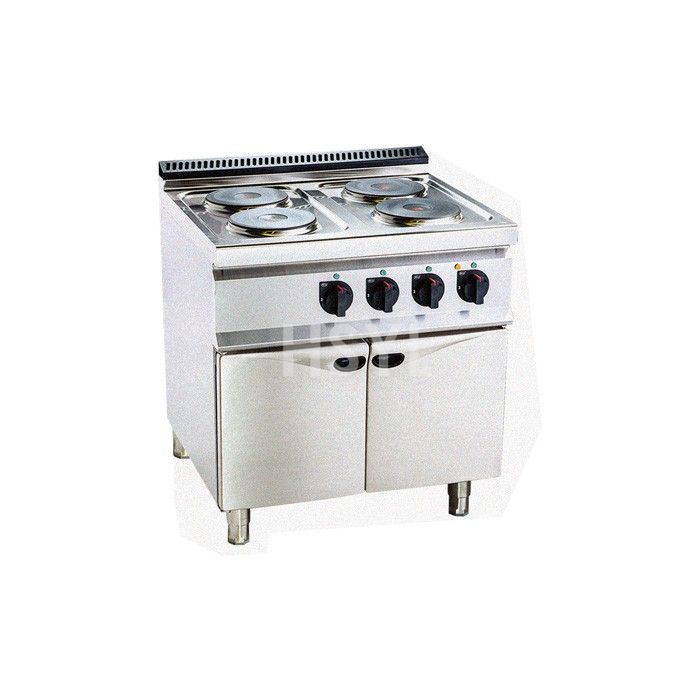
HSYL commercial ranges are specified around the cookline duty rather than a single catalogue width. A restaurant sauté line, hotel banquet kitchen and high-volume canteen can all use range equipment, but they require different burner arrangements, fuel loads, base configurations, ventilation and service clearances.
Use this category to compare commercial gas ranges, electric range modules and 700/900-series modular cookline suites. Final configuration is confirmed against the menu, peak service period, available utilities, hood design and installation space before quotation.
Primary procurement keyword: commercial gas range manufacturer
Request a Project-Specific Quotation
Available Equipment & Model References
Use the table as a shortlist. The signed quotation and current model specification sheet remain the controlling documents for dimensions, utilities, accessories and order scope.
| Equipment | Product Code | Project Fit / Published Reference | Product Page |
|---|---|---|---|
| Four-Burner Gas Open-Top Range with Oven | CK-BZGL-01 | Open-burner restaurant hot line with oven base; multiple project configurations are published. | View model |
| Commercial Range with Oven | CK-BZGL-03 | Configurable range-and-oven platform for restaurant, hotel and institutional cooklines. | View model |
| 700-Series Combined Western Kitchen Stove | CK-BERTO | Modular 700-series cookline platform; gas/electric project options and AISI 304 construction are published. | View model |
| 900-Series Combined Western Kitchen Stove | CK-BERTO-2 | Heavy-duty 900-series modular cookline family; request the current configuration sheet for dimensions and utility loads. | View model |
How to Specify the Right Configuration
| Decision | What to Confirm |
|---|---|
| Menu & peak duty | Count burners and cooking positions from the busiest service window, not average daily meals. |
| Fuel & utilities | Confirm natural gas/LPG availability, gas pressure, electrical phase/frequency and isolation points before model approval. |
| Range width & module depth | Choose the module depth and width around the full cookline, adjacent equipment and chef movement. |
| Top configuration | Open burners, solid/electric tops, griddle or mixed modules should follow the actual menu and pan profile. |
| Base configuration | Confirm whether the range needs an oven, storage base or integration with a refrigerated chef base. |
| Ventilation | Coordinate canopy capture, make-up air, heat rejection and local fire-safety requirements with the kitchen design. |
Typical Applications
- Restaurant sauté and finishing lines
- Hotel banquet and all-day dining kitchens
- Factory and school canteens
- Hospital and institutional kitchens
- Central kitchen batch cooking support
- Multi-site restaurant chain cookline standardisation
Engineering & Procurement Notes
- HSYL restaurant project pages specify modular 700/900 mm cookline layouts and gas/electric range integration.
- The 700-series CK-BERTO page publishes project options including 380V/3P/50Hz electric supply or LPG/natural-gas configurations, with AISI 304 construction.
- Final dimensions, burner count, utility loads and accessories must be confirmed on the signed quotation and model-specific technical sheet.
Information Required for an Accurate RFQ
- Application, menu or ware type and the peak operating duty.
- Required capacity or batch/rack/production schedule.
- Available utilities: voltage, phase, frequency, gas/steam/water data where relevant.
- Installation space, access route and floor plan if available.
- Destination market and any required compliance/documentation scope.
- Required quantity, accessories, spare parts and target project schedule.
Related HSYL Resources
Request a Technical Proposal
Send HSYL the operating requirement before selecting a model from price alone. The engineering review connects the equipment to the required capacity, site utilities, layout, workflow and destination conditions.