Government facility kitchens—including municipal administrative centers, military bases, police academy training dining halls, and correctional institutions—require commercial foodservice equipment engineered for unmatched structural durability, lifecycle economy, and continuous heavy-duty service. Operating under strict public procurement protocols, capital expenditure oversight, and stringent energy efficiency mandates, government kitchen planners must specify equipment with documented Mean Time Between Failures (MTBF), certified corrosion resistance, and low 10-year Total Cost of Ownership (TCO).
Key Takeaway for Government Procurement Officers: Avoid light-commercial units that require replacement every 3 to 5 years. Institutional government specifications mandate heavy-gauge AISI 304 stainless steel fabrication (14-gauge tops, 16-gauge bodies), tamper-resistant fasteners where security is required, and factory direct lifecycle warranties backed by certified spare parts availability.
1. Public Sector Procurement Compliance: TCO & Lifecycle Engineering
When drafting tenders for public works or municipal dining facilities, evaluating equipment purely on initial purchase price leads to severe maintenance budget overruns. A lifecycle procurement analysis evaluates:
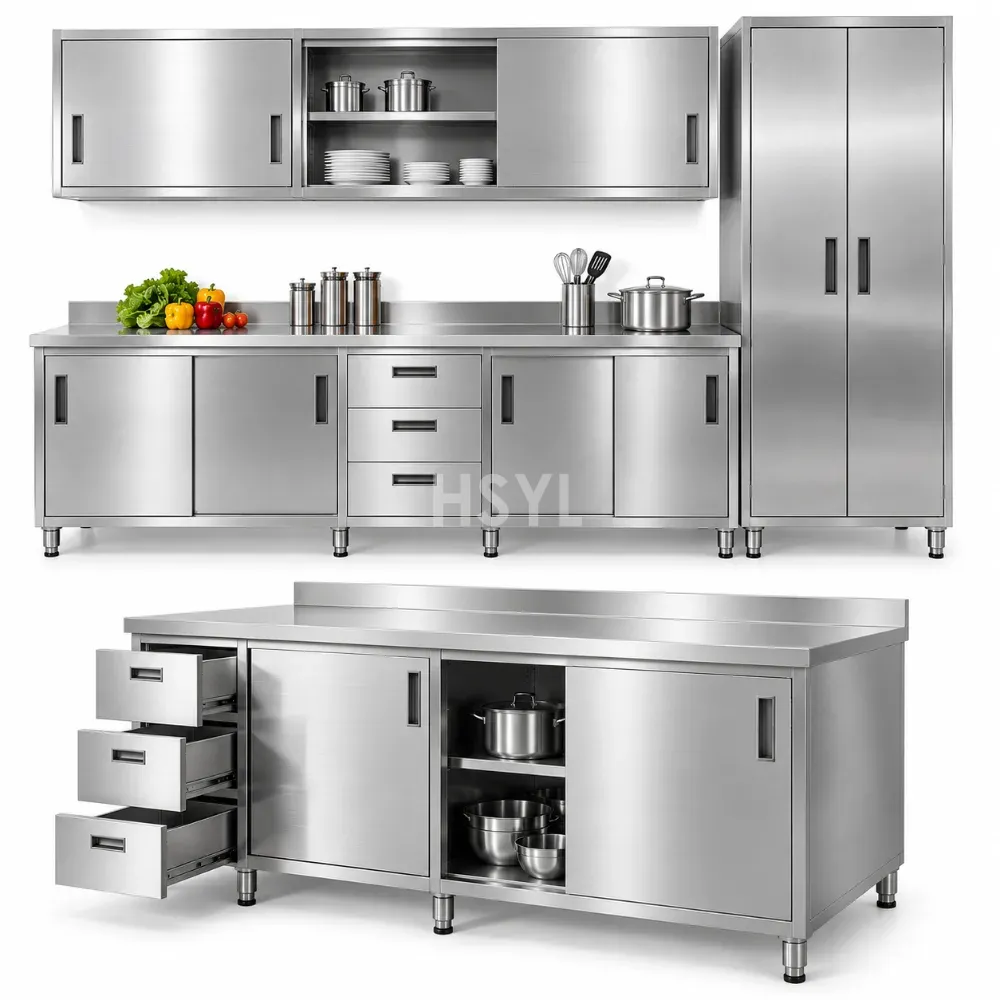
- Structural Steel Thickness (Gauge Standards): Commercial grade tables and sinks must utilize 14-gauge (1.98 mm) AISI 304 stainless tops rather than commercial 18-gauge (1.21 mm) economy sheet. Lower gauge thickness prevents surface oil-canning, weld cracking, and corrosion failure under heavy industrial sanitizers.
- Energy & Water Consumption Metrics: Government sustainability mandates require Energy Star certified dishwashers consuming ≤ 0.50 gallons/rack and high-efficiency induction cooktops offering 90%+ thermal transfer efficiency compared to 40% on standard atmospheric gas burners.
- Modular Serviceability: Standardized electrical contactors, universal thermostatic controls, and accessible front-service panels that allow in-house maintenance crews to service machines without proprietary third-party diagnostic lockouts.
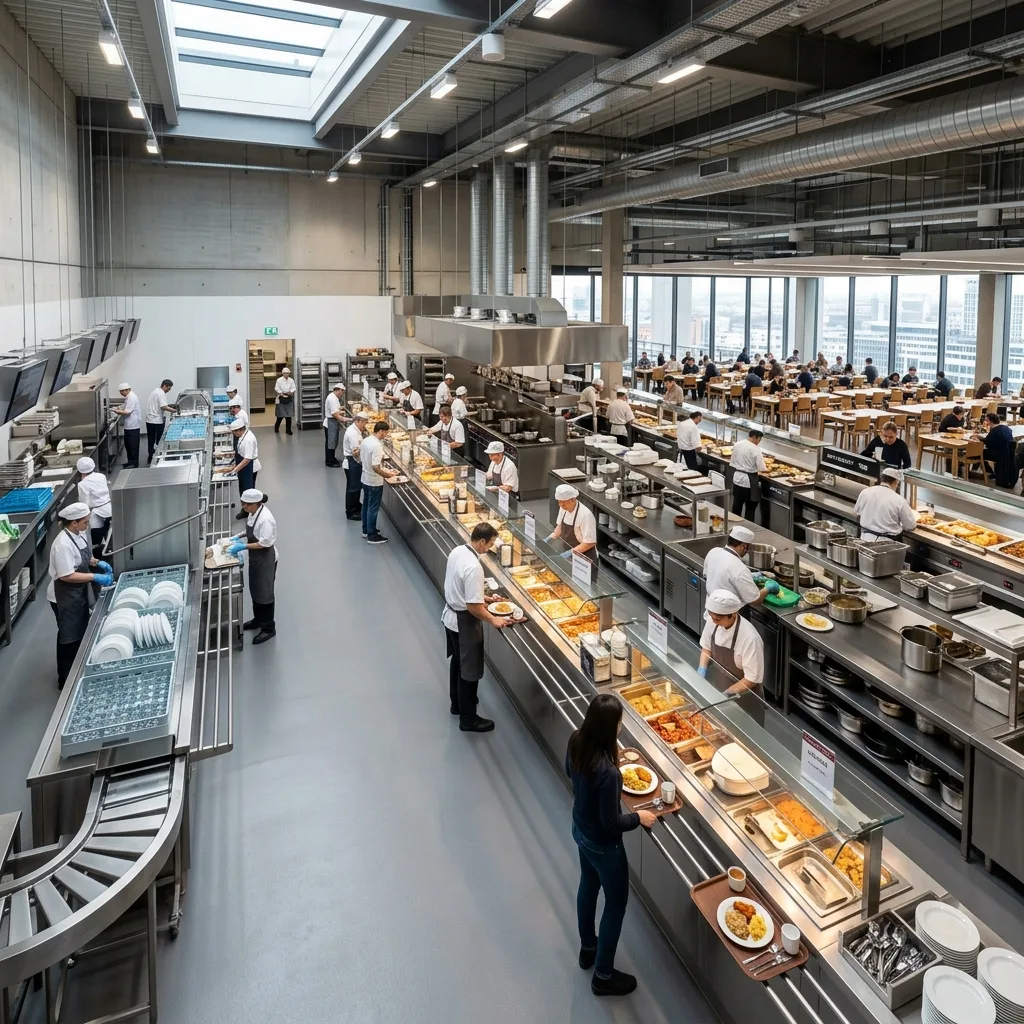
2. High-Capacity Institutional Foodservice Layout
Institutional dining facilities typically serve fixed menus to predictable headcounts ranging from 800 to 4,000 personnel per service window:
| Operational Zone | Institutional Equipment Specification | Key Engineering Requirement |
|---|---|---|
| Bulk Thermal Processing | Tilting Jacketed Steam Kettles & Braising Pans (200L–400L) | ASME/CE certified pressure vessels, automatic motorized tilt, electric or boiler steam coils. |
| Continuous Baking & Roasting | Roll-in Double-Trolley Convection Ovens & Combi Steamers | Reversible heavy-duty door latches, heavy-duty silicone door gaskets, automated self-cleaning cycles. |
| Cold Storage & Blast Chilling | Walk-in Cold Rooms with 100mm Polyurethane Foam (PUF) Panels | Dual-circuit backup refrigeration compressors, digital telemetry logging, heated floor thresholds. |
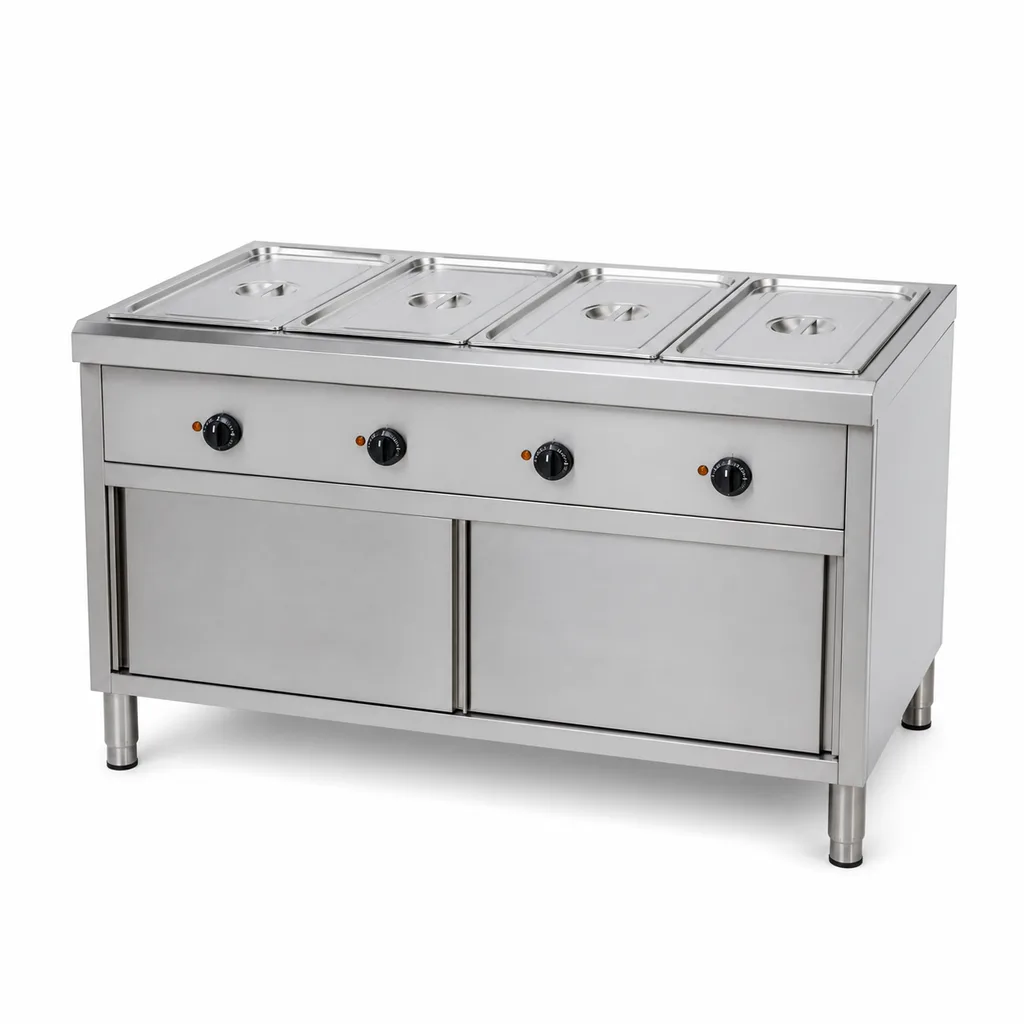
| High-Speed Servery Distribution | Heavy-Gauge Drop-in Bain-Marie Heated Wells with Tray Slides | Dry/wet electric wells with independent drain valves and shatterproof LED food-safe illumination. |
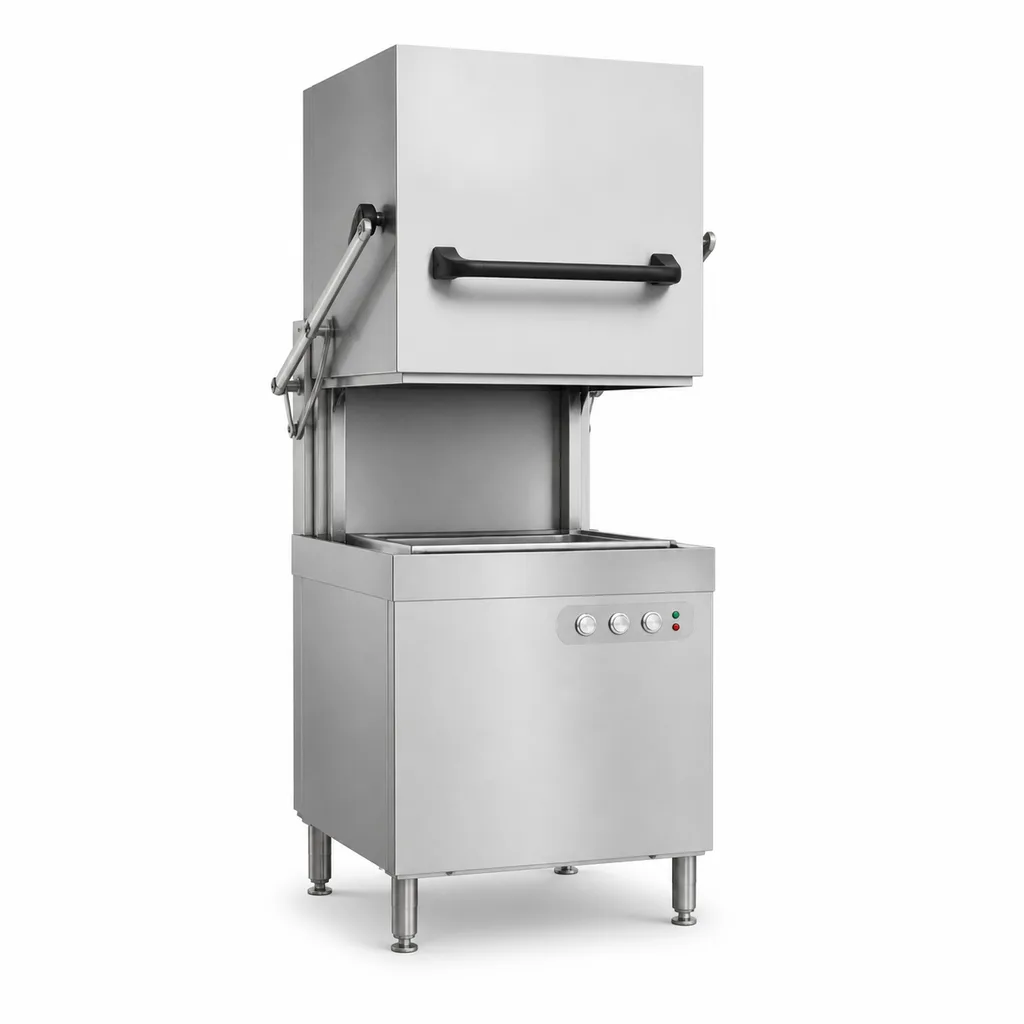
| Central Warewashing Facility | Flight-Type Conveyor Dishwasher with Waste Pulper Integration | Dual-rinse sanitization, integrated heat recovery vapor condenser, mechanical food waste pulper/de-waterer. |
3. Security & Correctional Option Packages
For high-security government facilities, correctional centers, and secured defense bases, standard commercial kitchen appliances present serious contraband and security hazards. Institutional option packages must include:
- Security Fasteners: All external panels secured with tamper-proof Torx-pin or snake-eye security screws preventing unauthorized panel removal.
- Lockable Control Covers: Heavy-gauge stainless steel lockable hinged covers shielding digital thermostats, power switches, and pilot controls from inmate manipulation.
- Welded Non-Removable Components: Welded fryer heating element guards, non-detachable kettle lids, and permanently captured rack guides preventing removal for use as weapons.
- Impact-Resistant Lexan Overlays: Heavy-gauge transparent polycarbonate shields protecting digital displays, gauge faces, and indicator lights.
4. Utility Redundancy & Emergency Operational Readiness
Government disaster relief centers, defense compounds, and municipal emergency management centers must maintain operational readiness during grid failure:
- Dual-Fuel Firing Systems: Cooking lines equipped with dual-fuel gas manifolds capable of operating on piped natural gas (NG) or switched immediately to liquid propane (LPG) storage tanks.
- Low-Peak Electrical Architecture: Staggered equipment interlocks preventing simultaneous compressor and element energization during generator startup.
- Comprehensive Spare Parts Kits: Factory direct critical parts lockers containing replacement thermocouple probes, contactors, solenoid valves, and door gaskets stored on-site.