Hot-holding temperature depends on the rules adopted in the destination market and the food process. It is the temperature of the food that matters: the number on a bain-marie dial or holding-cabinet display is not proof that every portion meets the required limit.
Check the Market Before Setting a Temperature
The references below explain why a single worldwide “60°C rule” is not a suitable specification for every kitchen. They concern hot holding of foods that require temperature control, not universal cooking or reheating endpoints.
| Reference | Published temperature basis | How to use it |
|---|---|---|
| U.S. FDA Food Code 2022, section 3-501.16 | Generally 57°C / 135°F or above for hot-held time/temperature control for safety food, with specified exceptions. | This is a model code. Check the edition and provisions adopted by the authority responsible for the facility. |
| UK Food Standards Agency catering guidance | 63°C or above for hot holding. | Check the applicable jurisdiction and the business's food-safety procedure, including any permitted time-based exception. |
| Food Standards Australia New Zealand guidance for Australian food businesses | Generally 60°C or hotter for potentially hazardous food kept hot. | Use the applicable Food Standards Code requirements and approved process controls. Do not apply this figure automatically to another market. |
Sources: FDA Food Code 2022, section 3-501.16; FSA: proving safe methods; FSANZ: keeping food at the right temperature.
Separate the Food Limit from the Equipment Setting
Specify three different values in the operating procedure: the required food-temperature limit, the equipment setting used during the validated service, and the action point for intervention. The equipment may need a setting above the food limit to account for loading, heat loss and repeated opening. Select that setting from the equipment instructions and a representative load test; there is no single setting that works for every cabinet, pan and menu.
A published adjustment range describes a control capability. It does not establish a safe food temperature throughout that range or prove performance during transport. A cart capable of a low setpoint is not automatically suitable for holding temperature-controlled meals at that setpoint.
Choose Equipment by the Holding Task
| Task | What to check | Useful trial condition |
|---|---|---|
| Service in GN pans | Pan size and depth, wet or dry heating method, lid use and replenishment access | Loaded pans during the busiest service interval |
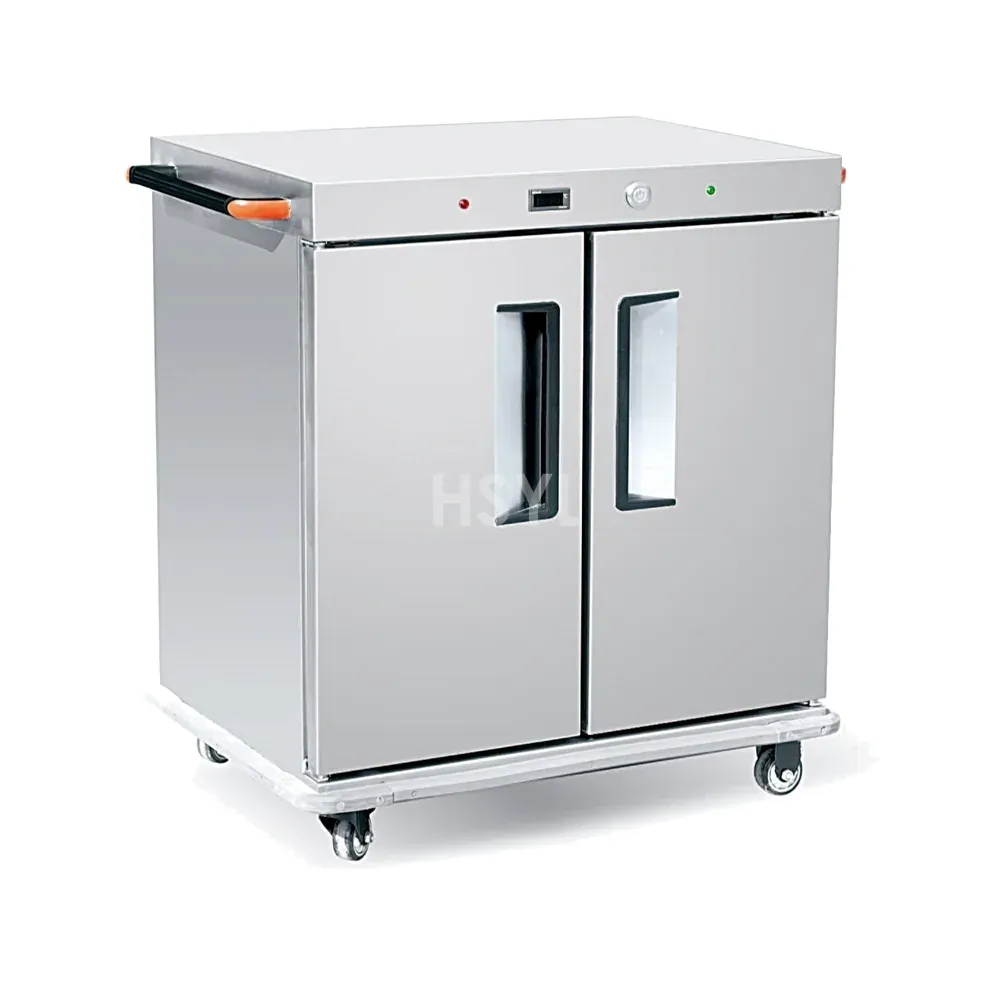
| Bulk or plated food in a cabinet | Usable tray positions, airflow, loading pattern and door-opening frequency | Food at different levels before and after repeated openings |
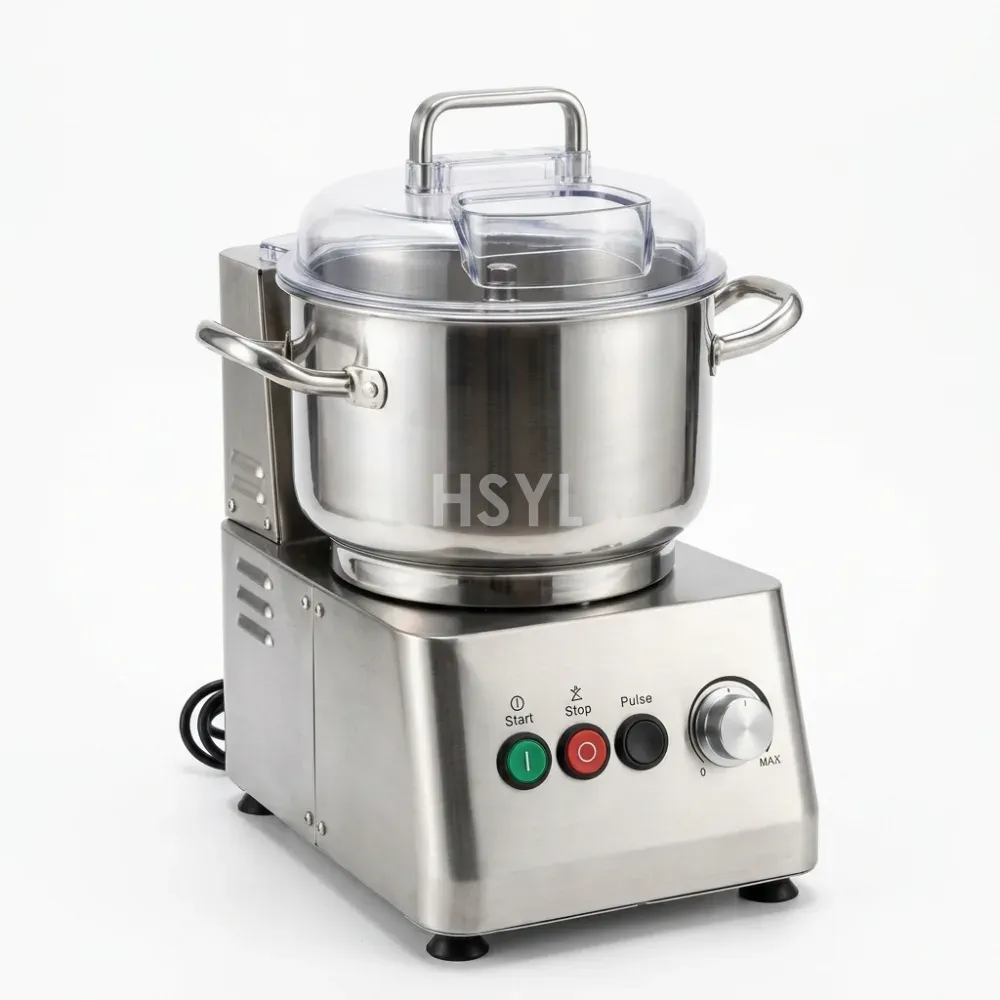
| Soup or sauce service | Working volume, stirring method, lid use and recovery after serving | The actual recipe and serving pattern |
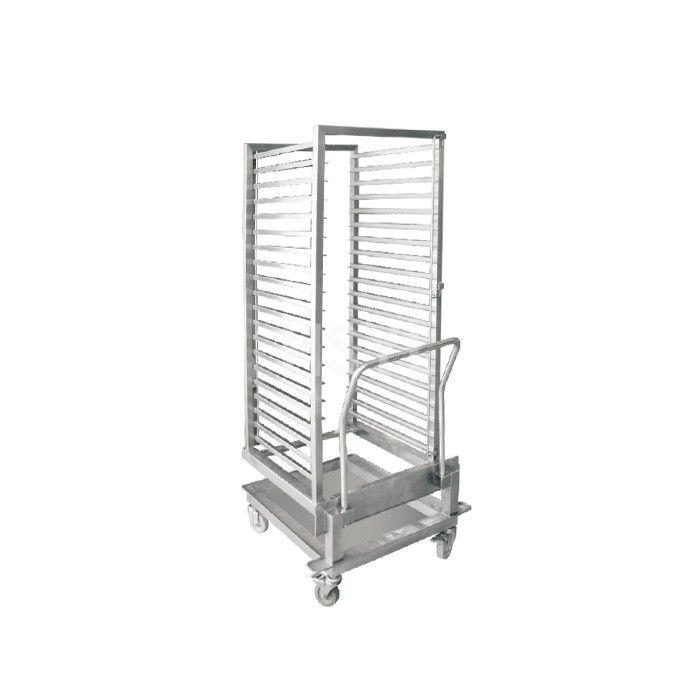
| Meal transport | Tray fit, loaded cart size, route time, lift waits and power availability | The longest realistic route with normal handovers |
Compare the available food-holding equipment and serving-line equipment. Confirm each model against its intended task instead of treating a product category as a performance guarantee.
Validate the Whole Service Window
- Identify the applicable food-temperature limit and the procedure for monitoring and corrective action.
- Preheat the equipment as directed by its manufacturer. Load food only after the cooking or reheating process required for that food has been completed.
- Use a clean, sanitized and suitably checked food thermometer. Choose representative measurement points for the food and loading pattern; do not rely only on chamber air readings.
- Include realistic opening, replenishment, transport and handover conditions. Record time, food temperature, load and equipment setting together.
- If a limit is missed, follow the approved corrective-action procedure and assess the recorded time-temperature history. Reheating is not an automatic remedy for every history of temperature abuse.
For hospital service, connect this test to the actual tray assembly and ward route described in the hospital kitchen planning page. For a canteen, test the holding and replenishment sequence during the busiest shift meal period.
Keep Holding, Reheating and Time Control Separate
Equipment designed only to hold food hot should not be treated as a rapid reheater. Specify a reheating method and endpoint appropriate to the food, equipment and applicable rules before the food enters the holding process. FSANZ specifically cautions against reheating in equipment designed only for hot holding. See cooling and reheating food.
The FSANZ 2-hour/4-hour guidance concerns time out of refrigeration for relevant ready-to-eat potentially hazardous food. It should not be presented as a worldwide rule for rescuing hot-held food that has fallen below its limit. Any use of time instead of temperature needs the procedure applicable to that operation. See the FSANZ explanation of the 2-hour/4-hour rule.
What to Send with a Holding-Equipment Enquiry
Include the destination, food types, container dimensions, quantities held at once, required service duration, access frequency and any transport route. Ask the supplier to identify the exact model, usable loading arrangement, electrical connection and test conditions. This gives a clearer basis for selection than asking for a cabinet that is simply “hot enough.”