Direct Answer / Key Takeaway: Turn a meal dispatch window into a tray-line requirement. Check station work, replenishment and interruptions before specifying conveyor speed.
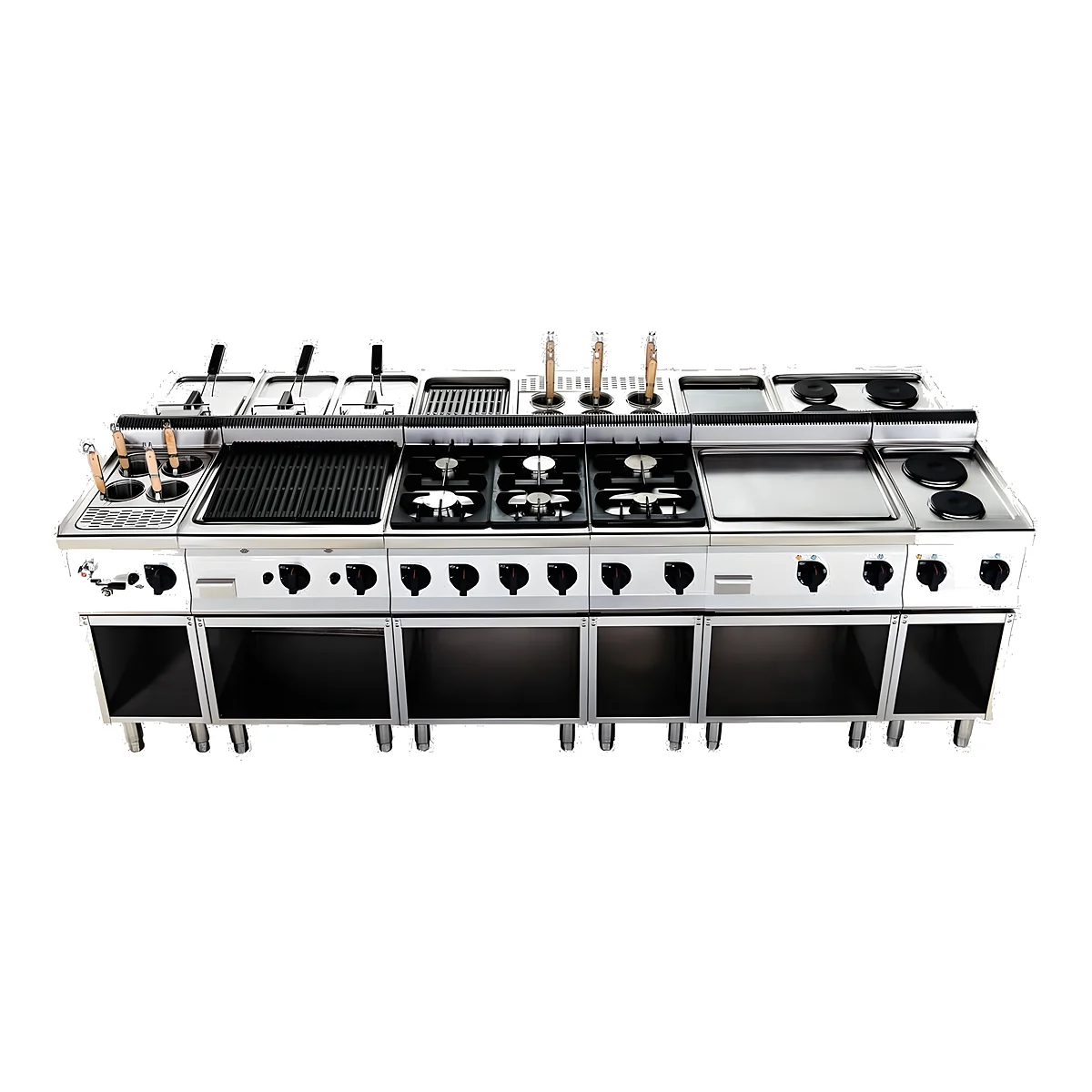
A plating conveyor can move empty trays much faster than a team can complete meals. The useful requirement is the number of correctly assembled trays ready for dispatch inside a particular meal wave. Write that requirement before asking a supplier for belt speed.
Begin with the dispatch schedule. Identify when the first finished tray must leave, when the last trolley must be released, and which menus run during that interval. A daily meal total hides the sharp peak created when several wards, service counters or delivery routes depart together. Place this calculation alongside the wider central kitchen production plan, so the line is sized for its actual handover.
Separate the dispatch window from usable assembly time
Suppose a planning exercise calls for 180 trays within a 20-minute handover. Dividing 180 by 20 gives an average of nine trays per minute. If five minutes of that window are deliberately reserved for a menu change and replenishment, only 15 minutes remain for assembly, and the working requirement becomes 12 trays per minute. These figures illustrate the arithmetic; they are not a proposed machine rating or a universal staffing rule.
Do not quietly add another allowance to every number. List planned interruptions separately, then identify uncertain interruptions that need a trial: missing components, tray identification checks, condiment changes and the time required to exchange a completed trolley. That makes the margin explainable and prevents the same downtime being counted twice.
Find the station that limits completed trays
Lay out a representative tray and time the actual actions at each position. A station handling one sealed item has different work from one portioning two foods and checking a menu identifier. Measure a repeatable run with the intended containers, serving utensils and gloves. Record incorrect or incomplete trays separately; a higher count obtained by skipping checks is not useful capacity.
- Count how often staff must reach away from the station to replenish food or packaging.
- Observe where a queue begins, rather than averaging all station times into one apparently balanced figure.
- Include the person transferring trays into the trolley and recording its release.
- Repeat the observation with the most demanding menu expected in the same dispatch wave.
If one position falls behind, investigate its task allocation and supply arrangement before increasing conveyor speed. A second replenishment point or redistribution of small assembly tasks may remove the restriction without changing the belt setting. Preserve separation between supply traffic, finished meals and returned equipment when revising the kitchen movement sequence.
Specify the acceptance run, not just a speed range
The purchasing brief should state the tray dimensions, representative tray contents, dispatch window, agreed staffing arrangement and replenishment method. Ask the supplier to demonstrate how the proposed drive and speed control support that work. Include a controlled stop, restart and a normal trolley exchange, with the operating instructions available to the team.
Record completed trays, rejected assemblies, interruptions and the condition of food packaging at the handover. The line passes the capacity exercise when the agreed workload is completed accurately under the stated conditions. Keep those conditions with the result: changing the menu, containers or number of stations requires a fresh assessment, not an assumption that the old tray-per-minute figure still applies.