Direct Answer / Key Takeaway: Compare interceptor offers using approved capacity, installation scope and a realistic service arrangement. Check automatic recovery claims against actual duties.
The cheapest interceptor quotation can become the more expensive option if it excludes installation work or relies on an impractical waste-removal arrangement. Compare offers only after the proposed units have been reviewed against the same project drainage and loading brief. A lower-priced unit with a different design basis is not yet an equivalent offer.
Make the two supply scopes comparable
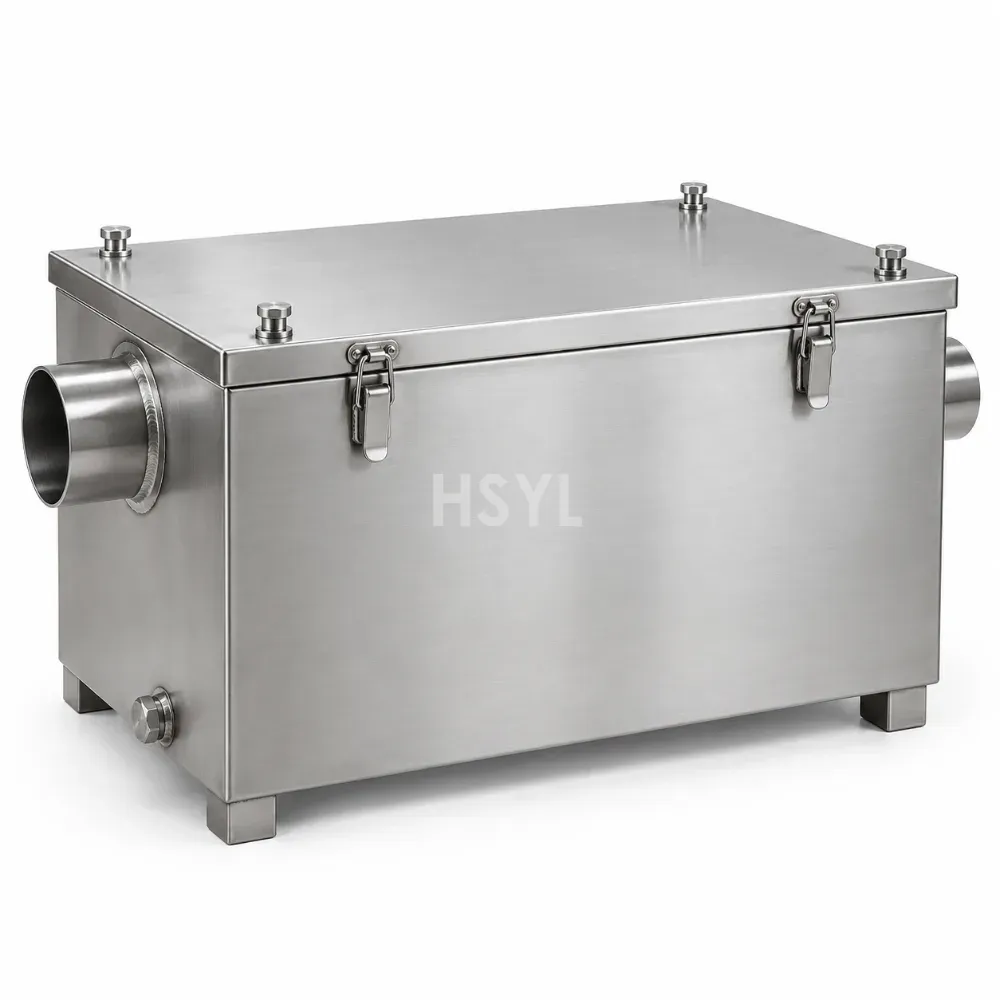
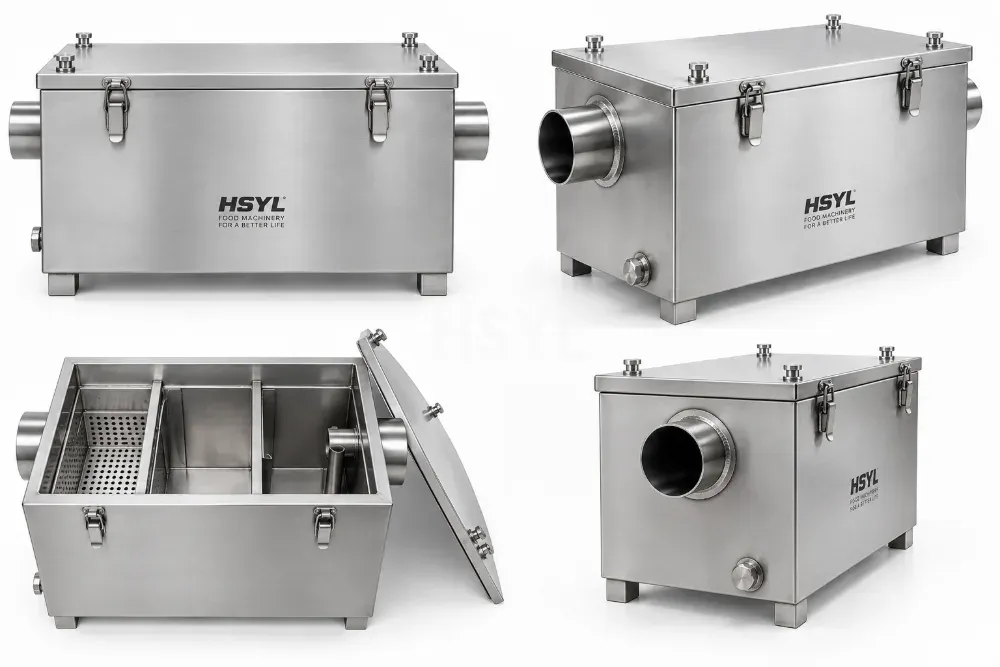
Put the accepted model and configuration at the top of a comparison sheet. Identify included covers, baskets, connection accessories, controls and any recovery components. Then list freight, positioning, site plumbing, electrical work where applicable, commissioning and training separately. Mark exclusions explicitly instead of placing a zero against a cost that nobody has priced.
Include work created by the location. An installation that needs a bench alteration, a different access arrangement or a longer removal route has costs that do not appear in the equipment price. Coordinate those items with the project-budget comparison before selecting a supplier.
Price the servicing arrangement that will be used
Obtain the proposed inspection and removal arrangements from the equipment supplier and service provider. Record the basis of any assumed service frequency, the included tasks, waste-handling responsibilities and callout conditions. Frequency can depend on the actual load and observed operating record; it should not be inferred from the nameplate flow rating alone.
For an automatically recovering unit, ask which material is recovered, where it is collected and who handles the collection container. Identify the tasks that remain manual. Compare a complete working arrangement with the alternative, not an 'automatic' label with a 'manual' label. No recovery feature establishes a universal labour-saving percentage.
Keep uncertain costs visible
Prepare the comparison over the same operating period. Use quoted service charges, documented consumables and the site's own labour assumptions. Show the cost of scheduled visits separately from unplanned callouts. Where the quotation does not establish an amount, leave it as an unresolved item and obtain a price rather than borrowing a figure from a different kitchen.
Test which assumptions change the decision. A higher purchase price might be acceptable if it buys a service arrangement the site can actually maintain. Conversely, a theoretical saving has little value if the required access or staff responsibility has not been agreed. The calculation should explain the difference between offers, not promise a return on investment unsupported by local conditions.
Put responsibilities into the purchase record
Confirm the accepted sizing basis with the responsible designer, keep the manufacturer's instructions with the order and identify the company providing ongoing service. Record how operating changes will be reviewed, especially new fixtures or a different menu. Related drainage coordination decisions can alter waste handling without changing the interceptor itself.
The result should be an auditable comparison of equivalent equipment and complete service duties. It should remain possible to see which offer is lower in initial cost, which has fewer unresolved exclusions and which assumptions support the recurring-cost comparison.