Direct Answer / Key Takeaway: Resolve the sheeter‘s ordered configuration, operating envelope, support and electrical schedule before delivery. Keep unrelated catalogue tables out of site decisions.
Prepare a dough sheeter site from the selected machine's installation drawing, not from a generic bakery-machine schedule. A reversible sheeter's extended tables and working movements can matter more than its stored footprint. Its electrical configuration also needs confirmation for the actual order.
For the DS-520 and DS-650 enquiry, request a current model drawing and manual with the quotation. Confirm that the model identifiers in each specification table match the offered sheeter. Rows describing other equipment cannot establish its utility or dimensional requirements.
Make the proposed configuration unambiguous
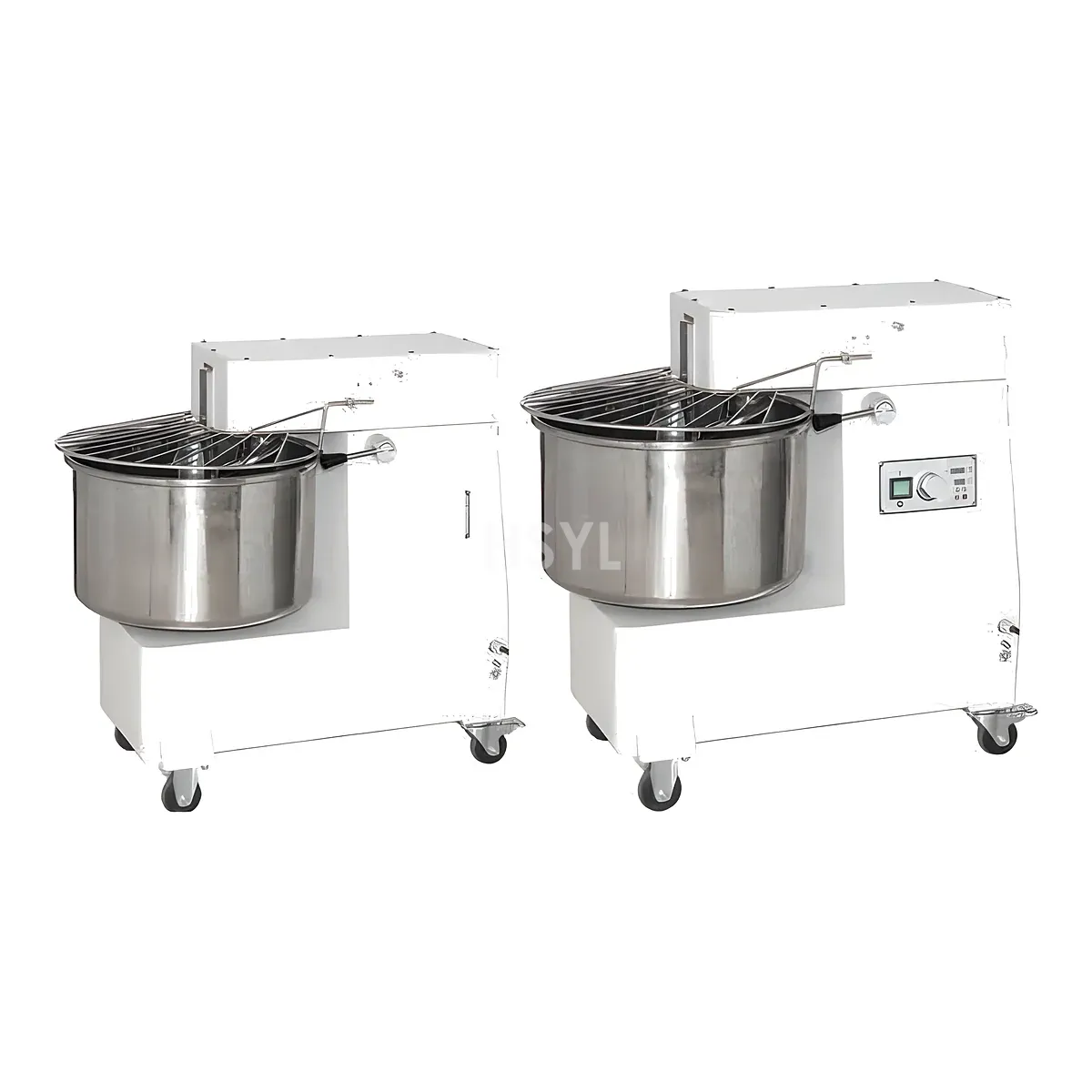
The quotation and drawing should agree on the model, support arrangement, table configuration and ordered electrical supply. If a supplier offers more than one construction, specify which one is being drawn. A tabletop version and a floor-standing machine need different support and delivery planning even when their working purpose is similar.
Ask the supplier to label the machine's operating, stored and service positions separately. Identify any optional accessories shown on the drawing. An illustration containing an accessory is not evidence that it is included in the price.
Review the room with the tables extended
- Plot the manufacturer's full operating envelope and the operator's access to the intended controls.
- Place the incoming dough and finished-sheet receiving surfaces on the same plan.
- Check the relationship with benches, refrigerators, doors and normal staff movement.
- Identify the approved cleaning and service access, including any removable items.
- Reserve the stored position only if the ordered construction permits that arrangement.
Do not describe a folded machine as ready to work merely because it can be parked in a small space. Conversely, do not impose a fixed aisle dimension copied from a bone saw or other food machine. Resolve the actual installation with the supplier and the project's responsible layout team.
Use the ordered electrical information
Obtain the supplier's connection schedule for the configuration being supplied and have the qualified site installer reconcile it with the available service. Voltage, phase, frequency and connection requirements must refer to the same machine. A generic description such as standard plug leaves those questions unanswered.
Confirm connection routing with the machine in its operating and permitted stored positions. Do not let a cable route depend on staff moving a powered machine in a way the manufacturer has not approved. Use the utility-schedule guide to coordinate the site provisions while retaining the actual sheeter instructions for its requirements.
Agree what delivery and handover include
Separate transport dimensions from installed dimensions when checking doors and the final room. Ask who unpacks, assembles permitted components, positions the machine and conducts startup. Have the supplier demonstrate the supplied guards, controls and approved cleaning method to the designated staff. Retain the final configuration record so later belt, scraper and electrical enquiries refer to the machine actually installed.