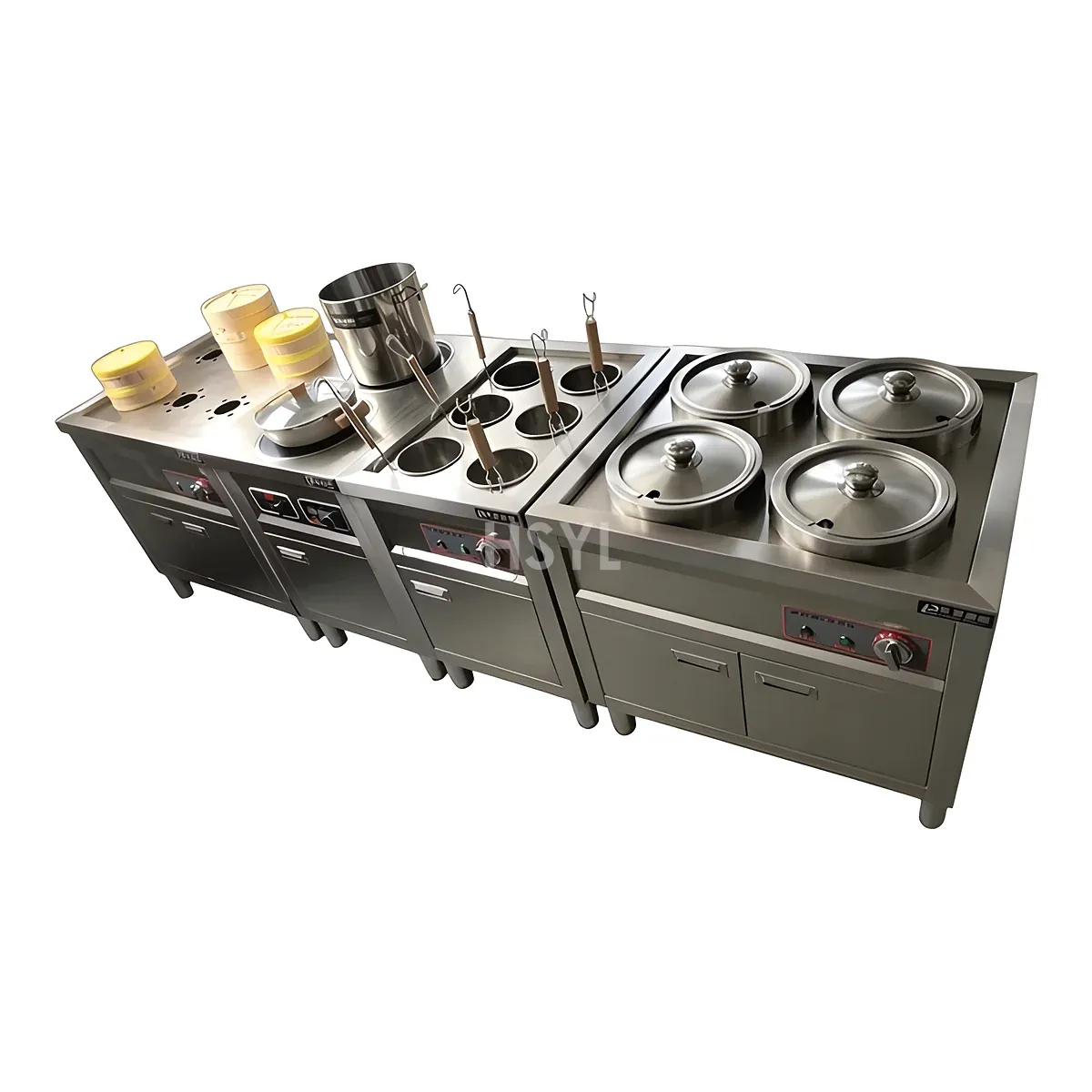
Direct Answer / Key Takeaway: Assess pan base, contact shape, vessel size and loaded handling before buying a countertop induction cooktop. Compare the actual cooker and cookware together.
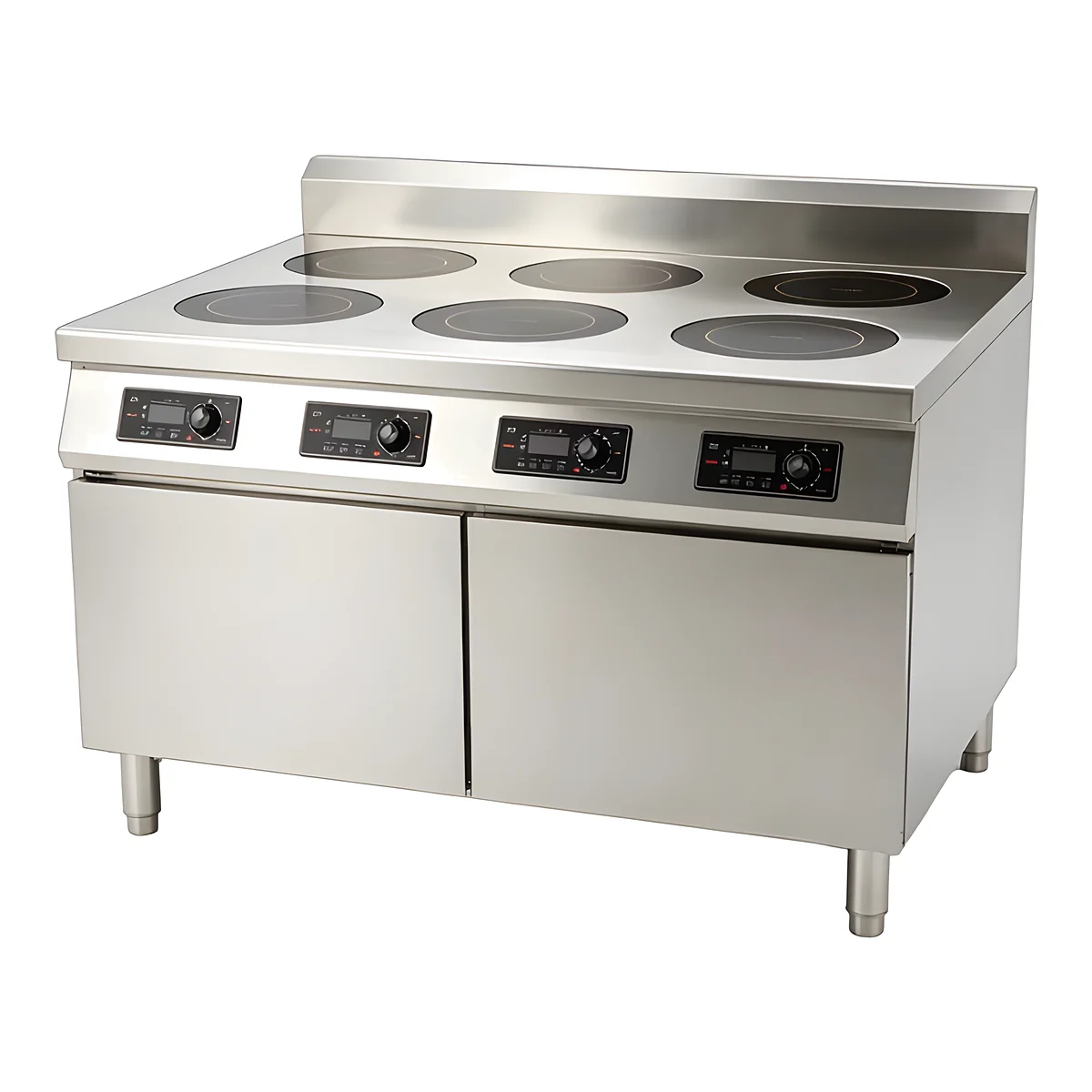
Before changing a small cooking station to induction, inventory the pans used for the actual menu. The cooktop and vessel form a working pair. A cooker that suits one stockpot may reject another pan, handle it awkwardly or produce a cooking result the chef does not accept.
Start from the pans the menu will keep
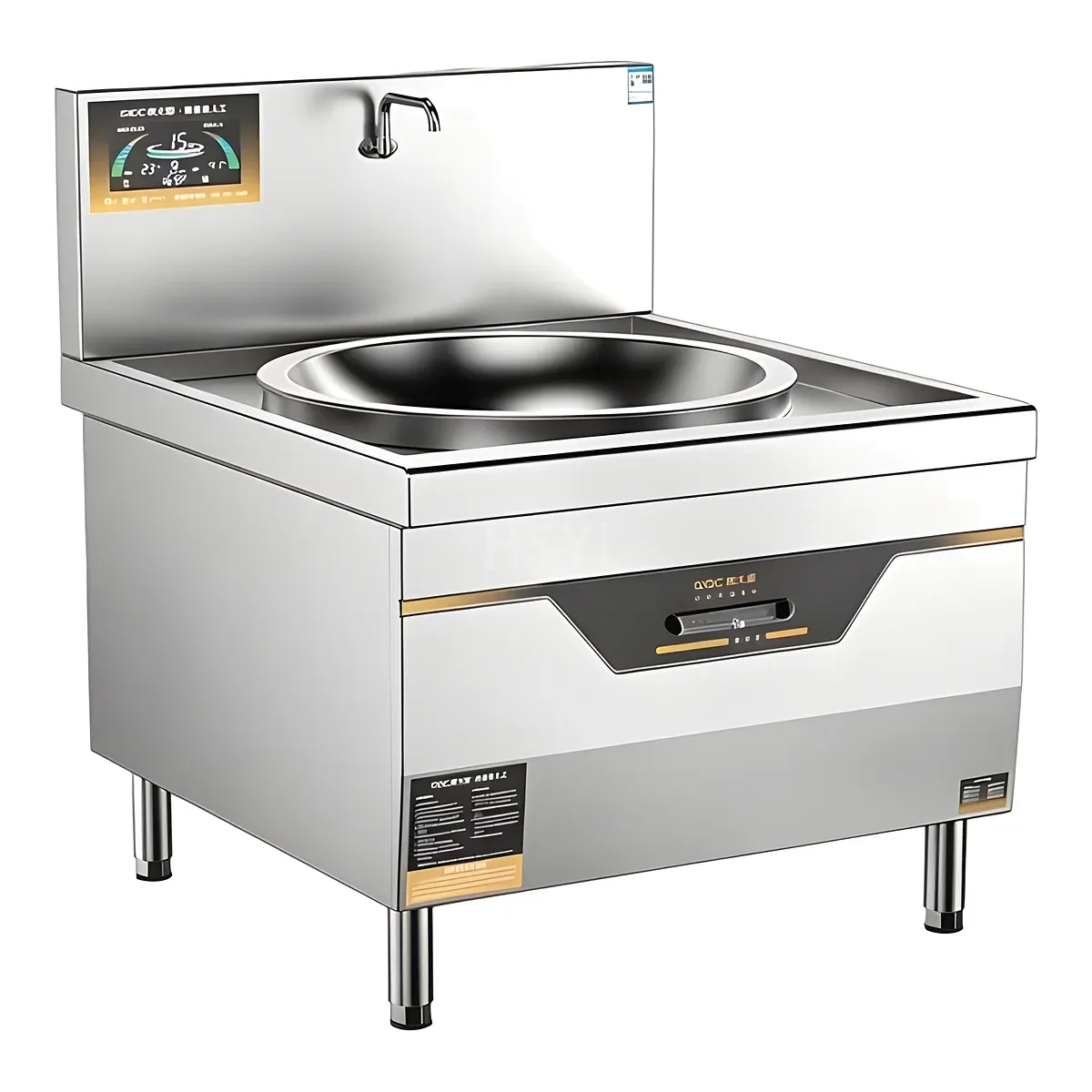
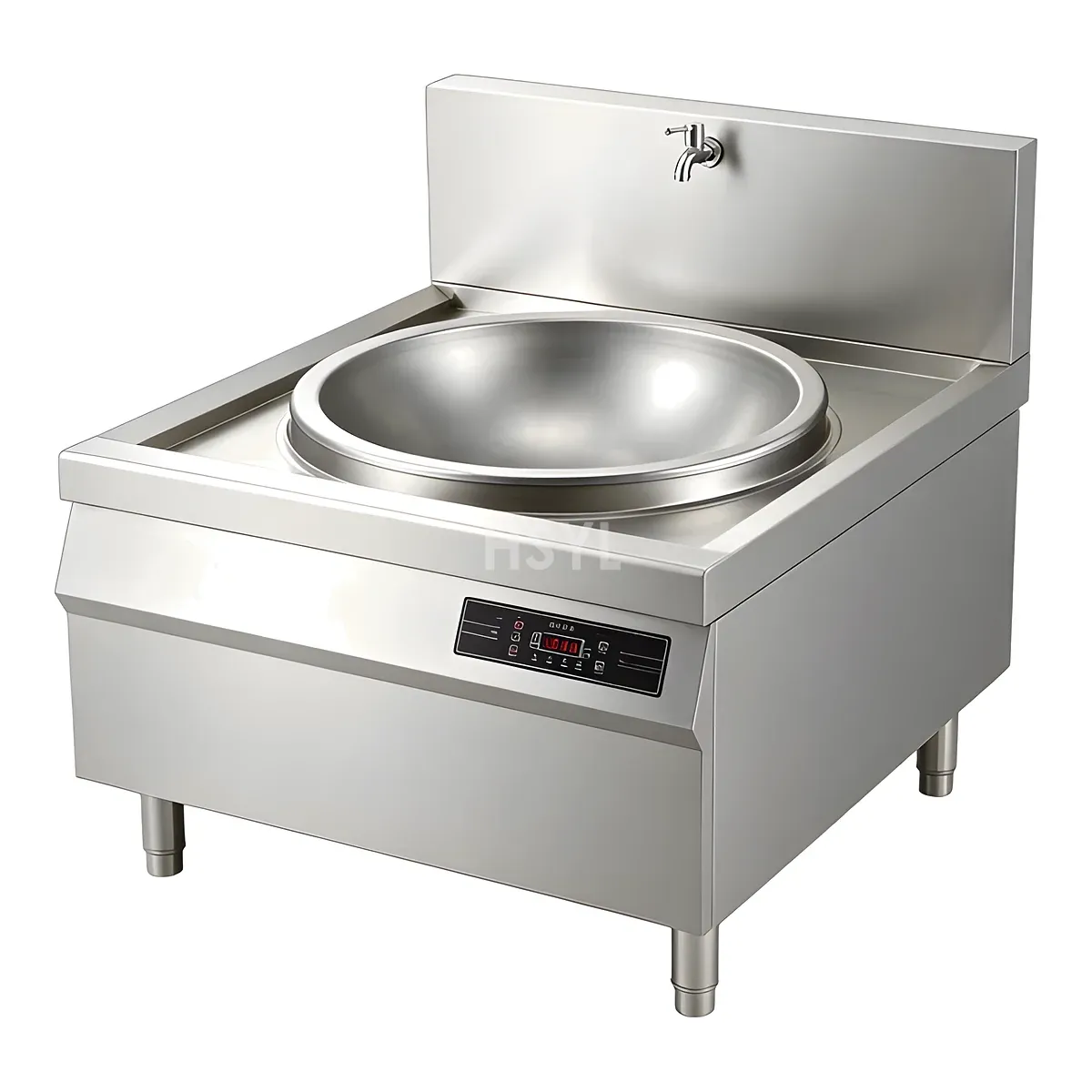
Record each existing pan by its actual identity, normal menu task and full working assembly. Include occasional vessels, lids and handles rather than assessing only the supplier's demonstration pan. Two similar-looking saucepans may have different bases, and accepting one does not qualify the rest of the collection.
Identify the cooktop configuration against which this inventory will be assessed. The catalog distinguishes flat PL01 and concave AL01 interfaces. Use the selected model's own vessel requirements; the family description does not approve every pan already in the kitchen. Do not improvise rings or adapters to preserve an otherwise incompatible vessel.
Use a magnet check as screening, not approval
A magnetic response at the base can help screen a mixed cookware collection, but it does not establish every aspect of suitability. The base construction, the dimensions the cooktop can detect, the load and the vessel's stability still need checking against the selected model's instructions. Handles and an uneven base can also affect safe practical use.
For the inventory comparison, keep the measured base and permitted seating with the pan identity. Mark which pairs have been accepted, which need a supplier-resolved assessment and which are outside the proposed setup. An induction-ready label should not silently move a pan into the accepted group.
Run a menu task with the proposed pairing
A water demonstration is not the whole acceptance test if the menu requires a sauce to simmer, a starch to be stirred or a batch to recover after cold ingredients are added. Use a representative task under the supplier's operating instructions. Observe whether the pan is recognized consistently, whether the control offers useful adjustment and whether the food near the working area behaves as expected.
Let the operator repeat the movements used in service. Check lifting a filled pan, reaching its handles and setting it down without obstructing another station. If the proposed cooktop is on a movable table, assess the complete installed arrangement; the listed cooker footprint alone does not describe the finished workspace.
| Item to record | Reason |
|---|---|
| Pan identification and base shape | Prevents a successful trial pan being replaced by a different vessel later |
| Dimensions allowed by the cooker instructions | Confirms the pan is within the selected unit's stated use |
| Typical filled load and handling | Tests the condition staff will actually use |
| Menu task and control setting | Shows whether the station performs the intended cooking operation |
| Any detection interruption or unexpected behavior | Creates an issue for supplier resolution before purchase |
Close the purchase decision with the whole station
The cooktop's rated voltage and power belong in the electrical review, but they do not by themselves specify the plug, protective device or installation method for every destination. Have the final connection checked for the exact supplied unit and site. Keep ventilation openings accessible according to its instructions rather than surrounding a countertop appliance with an unverified decorative enclosure.
When comparing other forms of commercial induction cooking equipment, retain this same distinction between the cooker specification and the vessel actually used. Approve the cooktop with a written list of accepted pans and the tasks demonstrated. If new cookware is necessary, include it in the quotation. That makes the cost of changing the station visible and gives staff a clear reference when replacement pans are ordered.