Commercial Induction Cooking Equipment
Comprehensive engineering guide to commercial induction cooking equipment, electromagnetic coil physics, IGBT resonant inverters, 3-phase power distribution, and 90% thermal efficiency ROI.
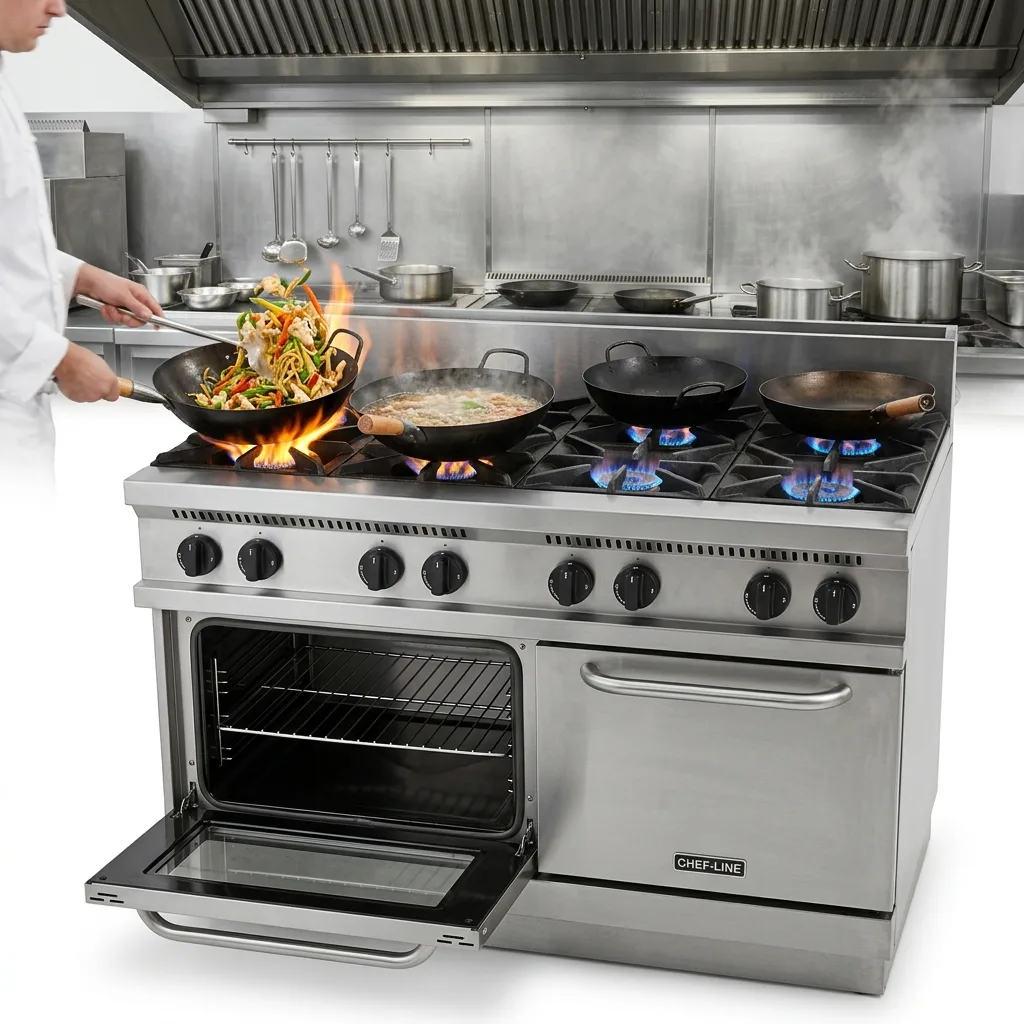
The commercial foodservice industry is undergoing an accelerated technological transition from open-flame atmospheric gas burners to high-efficiency commercial induction cooking equipment. Driven by rising utility gas tariffs, strict municipal carbon decarbonization mandates, and the urgent need to reduce kitchen ambient cooling loads, commercial induction delivers over 90% thermal efficiency compared to less than 40% for gas. This technical guide explores the electromagnetic physics of induction, insulated-gate bipolar transistor (IGBT) resonant inverter engineering, cookware metallurgy criteria, 3-phase electrical load calculations, and back-of-house operating cost payback analysis.
Figure 1: Commercial induction cooktop battery featuring heavy-duty Schott Ceran glass surfaces and independent digital rotary power controllers.
1. The Physics of Electromagnetic Induction Cooking
Unlike conventional gas burners or electric radiant elements that transfer heat via thermal conduction through glass or air, induction generates heat directly inside the vessel wall itself:
Electromagnetic Mechanism: High-frequency alternating current (20 kHz - 45 kHz) flows through a flat copper planar coil beneath a glass-ceramic surface. This generates a dynamic oscillating magnetic field that penetrates the ferromagnetic bottom of the cooking pan. The fluctuating magnetic flux induces high-density circular electrical currents (eddy currents) and magnetic hysteresis losses within the metal, turning the pan itself into the instantaneous heat source.
2. Comprehensive Energy & Thermal Efficiency Comparison
In high-production culinary environments, thermal efficiency dictates utility expenses, cooking speed, and kitchen ambient working temperatures:
| Thermal Metric | Commercial Atmospheric Gas Burner | Commercial Electric Resistance Coil | Commercial Electromagnetic Induction |
|---|---|---|---|
| Thermal Energy Efficiency (%) | 35% - 40% (60%+ lost to ambient room) | 65% - 70% (30% lost in conductive transfer) | 88% - 92% (Direct internal vessel heating) |
| Time to Boil 10 Liters of Water (20°C 100°C) | 14.5 minutes (30,000 BTU burner) | 11.2 minutes (5.0 kW radiant coil) | 4.8 minutes (5.0 kW commercial induction zone) |
| Waste Heat Radiated into Kitchen | ~18,000 BTU/hr per 30,000 BTU burner | ~5,000 BTU/hr per 5 kW coil | < 1,400 BTU/hr per 5 kW induction zone |
| Required HVAC Cooling per kW Cooking Load | 1.2 - 1.5 Tons of dedicated AC cooling | 0.5 - 0.7 Tons of AC cooling | 0.15 - 0.25 Tons of AC cooling |
| Surface Operating Temperature | Open flame > 900°C (1,650°F) | Red hot coil > 550°C (1,020°F) | Glass surface ≤ 110°C (Residual pan contact heat only) |
3. Inverter Electronics & IGBT Module Architecture
Commercial induction cooktops operate continuously for 12 to 16 hours daily under extreme kitchen conditions. The reliability of an induction system depends on the thermal engineering of its electronic power modules:
- German/Japanese Half-Bridge & Full-Bridge IGBT Inverters: Heavy-duty commercial units utilize 1,200V / 50A to 100A industrial-grade Insulated-Gate Bipolar Transistors (IGBTs) switching at resonant zero-voltage switching (ZVS) frequencies. Full-bridge topologies deliver continuous power modulation down to 5% without the flickering or pulsing common in budget residential units.
- Dual-Chamber Aerodynamic Cooling: Commercial chassis separate internal electronics into sealed compartments. Filtered cooling air passes over heavy extruded aluminum heatsinks and centrifugal blower fans, preventing airborne kitchen grease, flour dust, and moisture from depositing on high-voltage circuit boards.
- Schott Ceran® Toughened Glass Surfaces: Commercial induction hobs feature 6 mm thick microcrystalline glass-ceramic panels capable of withstanding mechanical impact from 40 kg stockpots and thermal shocks up to 700°C without crazing or cracking.
4. Cookware Metallurgy & Magnetic Permeability Standards
Because induction relies on magnetic eddy currents, pan material composition directly governs energy coupling efficiency:
| Cookware Metallurgy | Relative Magnetic Permeability (μ_r) | Electrical Resistivity (ρ · m) | Induction Cooking Performance Profile |
|---|---|---|---|
| Ferritic Stainless Steel (AISI 430) | ≈ 600 - 1,100 (Highly Ferromagnetic) | 0.60 × 10^-6 Ω·m (Optimal skin depth) | Ideal for induction base sandwich plates; maximum heat conversion with zero coil buzzing |
| Cast Iron & Carbon Steel | ≈ 200 - 800 (Strongly Magnetic) | 0.10 - 0.15 × 10^-6 Ω·m | Exceptional energy absorption; high thermal mass prevents temperature drop during searing |
| Austenitic Stainless (AISI 304 / 316) | ≈ 1.00 - 1.05 (Non-Magnetic) | 0.73 × 10^-6 Ω·m | Ineffective on standard induction unless fabricated with an encapsulated 430-grade bottom magnetic disc |
| Pure Aluminum / Copper | ≈ 1.00 (Non-Magnetic; High Conductivity) | 0.028 × 10^-6 Ω·m (Skin depth too deep) | Completely incompatible with standard induction; induces inverter shutdown due to low impedance load |
5. 3-Phase Electrical Infrastructure & Load Sizing
Commercial induction ranges demand substantial electrical supply capacity. Converting an 8-burner gas range battery (240,000 BTU) to an 8-zone induction cookline requires balancing 3-phase 380V-415V electrical panels:
3-Phase Current per Phase: I = P / ( √3 × V × PF ) = 40,000 / ( 1.732 × 400 × 0.95 ) ≈ 60.8 Amperes per phase
Facility Sizing Rule: Engineers must specify a dedicated 80A 3-phase circuit breaker with high-grade copper conductors sized to withstand continuous full-load operating conditions.
6. 10-Year Operational Cost & Payback Analysis
While a commercial induction range has an initial capital cost approximately 25% to 35% higher than a comparable gas range, operational energy savings provide rapid return on investment:
| Operational Cost Driver | Annual Expense: Gas Range Battery | Annual Expense: Commercial Induction Line | Annual Savings with Induction |
|---|---|---|---|
| Direct Cooking Energy Consumption | $6,800 (Natural Gas at $1.20 / therm) | $3,950 (Electricity at $0.14 / kWh) | $2,850 / year direct fuel savings |
| Kitchen HVAC Cooling Load | $4,200 (Compensating for 60% waste heat) | $1,100 (Minimal ambient heat rejection) | $3,100 / year HVAC electricity savings |
| Exhaust Hood Cleaning & Maintenance | $1,600 (Heavy grease and carbon soot) | $750 (Zero combustion soot; minimal grease) | $850 / year maintenance reduction |
| Total Annual Operating Cost | $12,600 / year | $5,800 / year | $6,800 / year Net Operational Savings |
Payback Horizon: The $4,500 initial Capex price premium of a heavy-duty commercial induction suite is fully recouped in approximately 8 to 11 months of live operational service.
7. High-Frequency Resonant Tank Circuit & L-C Electronics
Commercial induction power generators utilize series-resonant L-C tank circuits to drive high-frequency magnetic oscillation:
Operating Range: 20,000 Hz to 45,000 Hz (above the human audible threshold of 20 kHz to ensure silent kitchen operation). Microprocessor controllers frequency-modulate the inverter above the resonant frequency to smoothly throttle power from 500 Watts (delicate chocolate melting) up to 8,000 Watts (violent wok searing).
8. Glass-Ceramic Mechanical Impact & Thermal Shock Testing
Commercial kitchen hobs suffer heavy physical abuse from slamming stockpots. Heavy-duty induction ranges are tested to rigorous industrial safety standards:
| Testing Standard | Mechanical / Thermal Test Stress | Acceptance Criteria | Operational Safety Benefit |
|---|---|---|---|
| Steel Ball Drop Impact (EN 60335-2-6) | 50 mm diameter solid steel ball (0.5 kg) dropped from 500 mm height | Zero surface fracture, star cracking, or internal delamination | Prevents glass shattering when heavy pans are dropped by line cooks |
| Thermal Shock Fracture Test | Pan heated to 500°C, followed by 1 liter of 5°C ice water dump | Zero thermal shock crazing or explosive glass failure | Withstands ice water spills and accidental cold liquid splashing |
| Continuous Static Load Capacity | 80 kg (176 lbs) distributed static load across single 400x400 mm zone | Deflection < 0.5 mm; zero seal bonding failure | Supports massive 60-liter soup stockpots simmering for 24 hours |
9. Pan-Detection Optical Sensor Telemetry & Safety Cutoffs
Commercial induction generators incorporate high-speed microsecond sensor telemetry to prevent dry firing and wasted energy:
- Instantaneous Pan-Off Power Cutoff (< 200 ms): High-frequency coil impedance sensing detects when a chef lifts a pan off the glass. Within 0.2 seconds, the IGBT inverter drops to 0 Watts standby mode, eliminating electrical waste and accidental surface burns.
- Auto-Sizing Magnetic Field Adaptation: The induction coil senses vessel diameter and activates only the concentric coil rings covered by the pan base, ensuring 100% magnetic containment without peripheral magnetic radiation leakage.
10. Electromagnetic Compatibility (EMC), Litz Wire & Harmonic Distortion
High-frequency commercial induction generators (20 kHz to 45 kHz) require rigorous electromagnetic shielding and power conditioning to protect sensitive digital kitchen equipment:
| Engineering Component | Technical Specification Benchmark | Operational Role & Performance Impact |
|---|---|---|
| Oxygen-Free Copper Litz Wire | Bundle of 400 - 600 individually insulated strands (0.1 mm Ø) | Eliminates high-frequency skin effect and proximity losses, maintaining 96%+ electrical conductivity within induction coil heads. |
| High-Permeability MnZn Ferrite Bars | Magnetic permeability μi ≥ 2,500 | Mounted radially beneath coils to focus magnetic flux upward through cookware base while shielding internal logic boards and motors. |
| EMI / RFI Suppression Filter Stage | Compliant with CISPR 11 / EN 55014-1 Class A | Two-stage common-mode chokes and X/Y safety capacitors attenuate high-frequency harmonics, preventing interference with POS systems and radios. |
| Active Power Factor Correction (PFC) | Power factor cos φ ≥ 0.98; THD < 5% | Converts dirty AC line current into clean DC bus voltage, preventing commercial utility penalty charges for reactive current. |
Diagnostic Engineering: IGBT Thermal Drift & Gate Drive Ringing
Symptom: Induction range trips main breaker under maximum 5 kW power output after 30 minutes of continuous wok stir-frying.
Root Cause Analysis: Inadequate airflow across the extruded aluminum heatsink causes the internal IGBT junction temperature to exceed 125°C. High thermal resistance triggers the negative temperature coefficient protection on the thermistor, or high gate drive capacitance causes high-frequency ringing that punctures the IGBT gate oxide layer.
Corrective Action: Inspect centrifugal blower intake filters for grease occlusion; verify static backpressure remains below 45 Pa; measure gate driver turn-off negative bias voltage (-5V to -8V) with a dual-channel 100 MHz digital oscilloscope.
Featured Commercial Equipment Models
Commercial Induction Cooking Ranges
Heavy-duty 4-zone and 6-zone commercial induction cooking ranges with Schott Ceran glass decks.
View Induction Ranges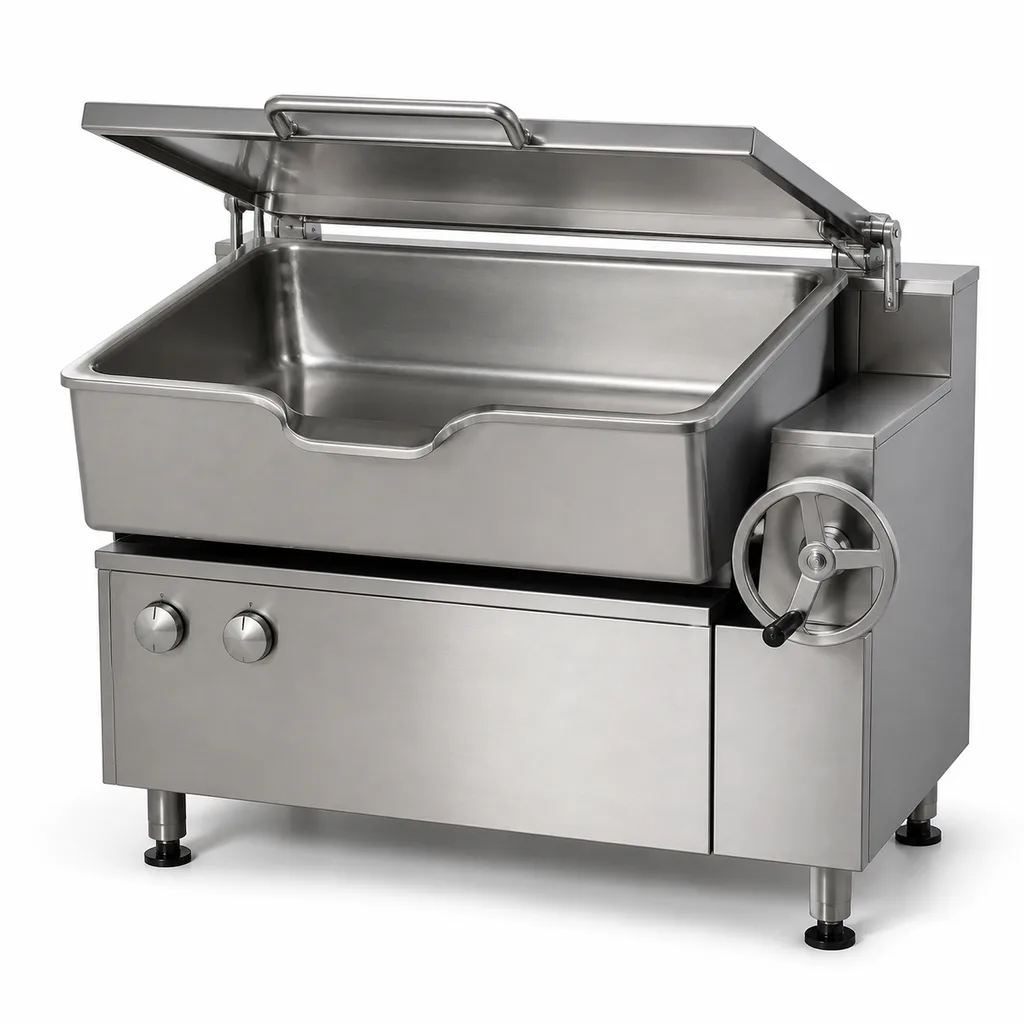
Electric Induction Braising Pans
Large-capacity motorized tilting braising pans equipped with magnetic induction base heating.
View Induction Braising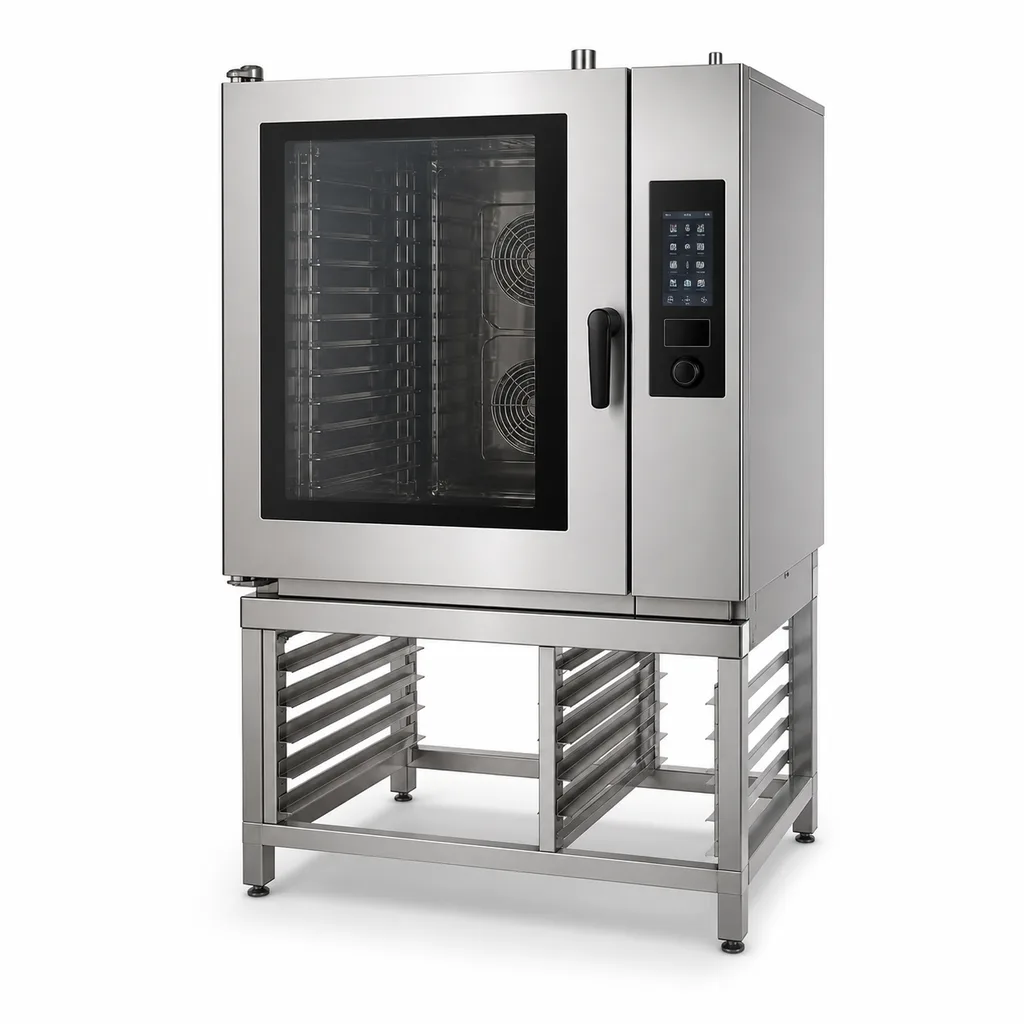
Commercial Combi Steam Ovens
High-efficiency commercial combi ovens engineered to partner with induction thermal cooklines.
View Combi Ovens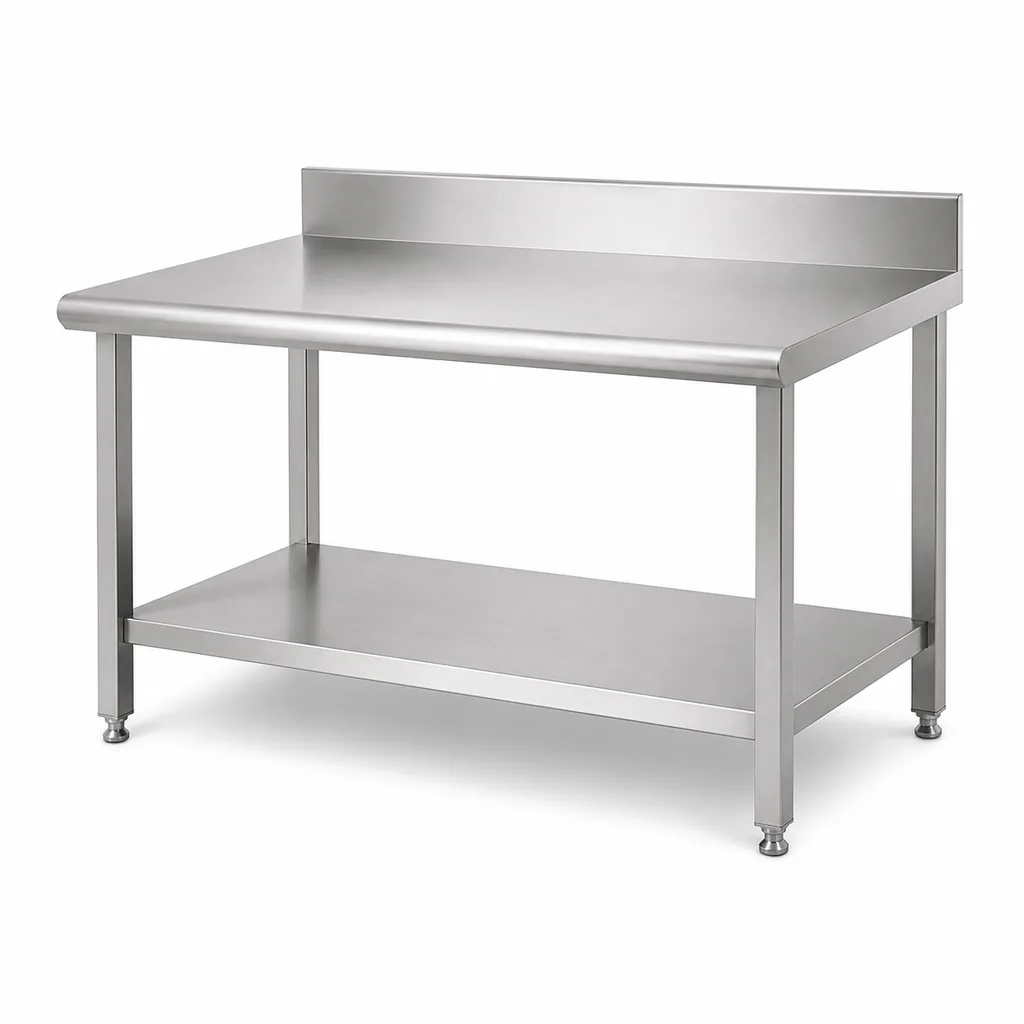
Drop-In Induction Countertops
Flush-mount drop-in induction hobs designed for seamless integration into custom stainless worktables.
View Drop-In UnitsTurnkey Engineering Solutions & Applications
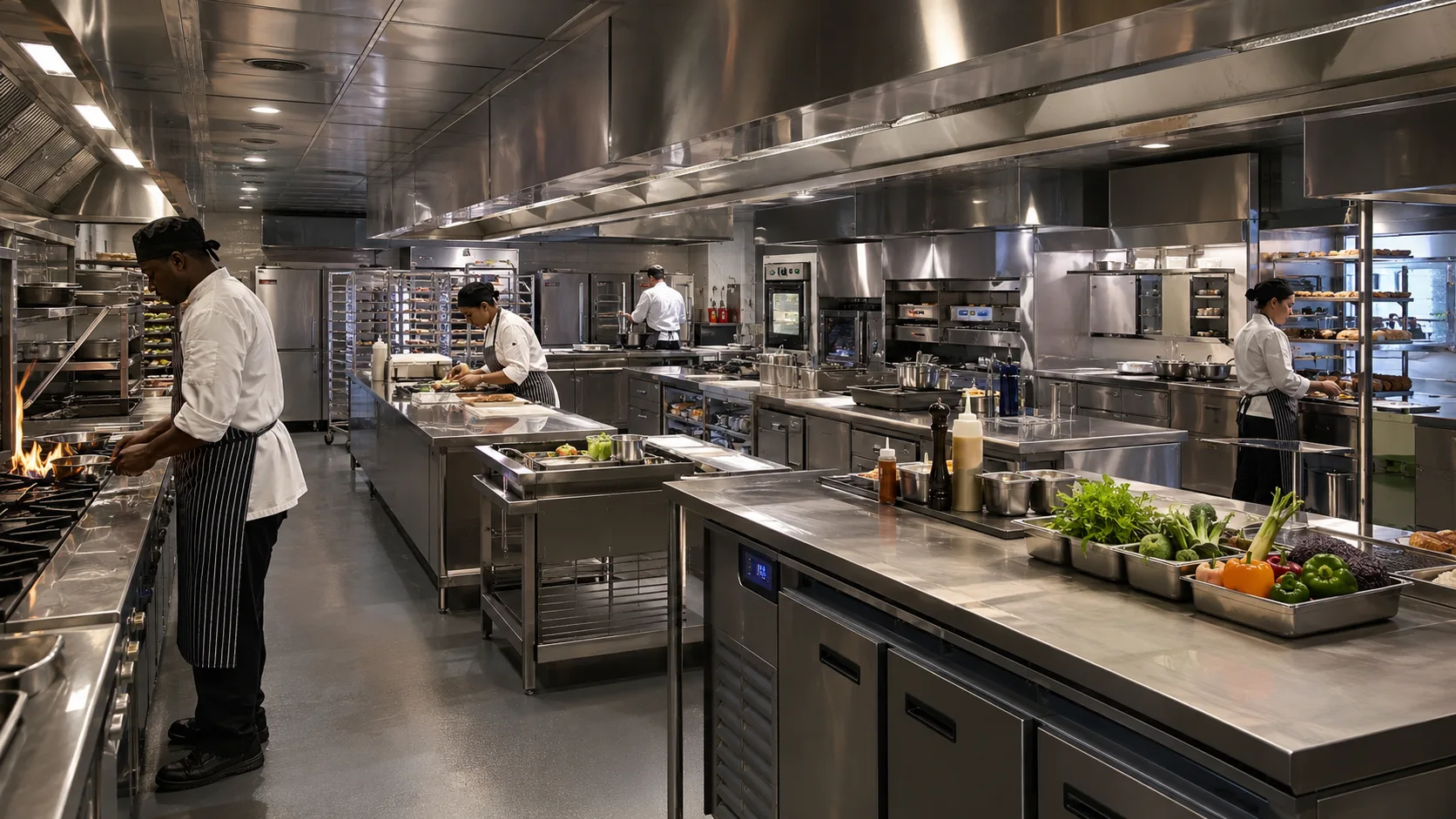
Luxury Hotel Fine Dining Suites
All-electric commercial induction island cooking suites designed for open display luxury kitchens.
Explore Hotel Solutions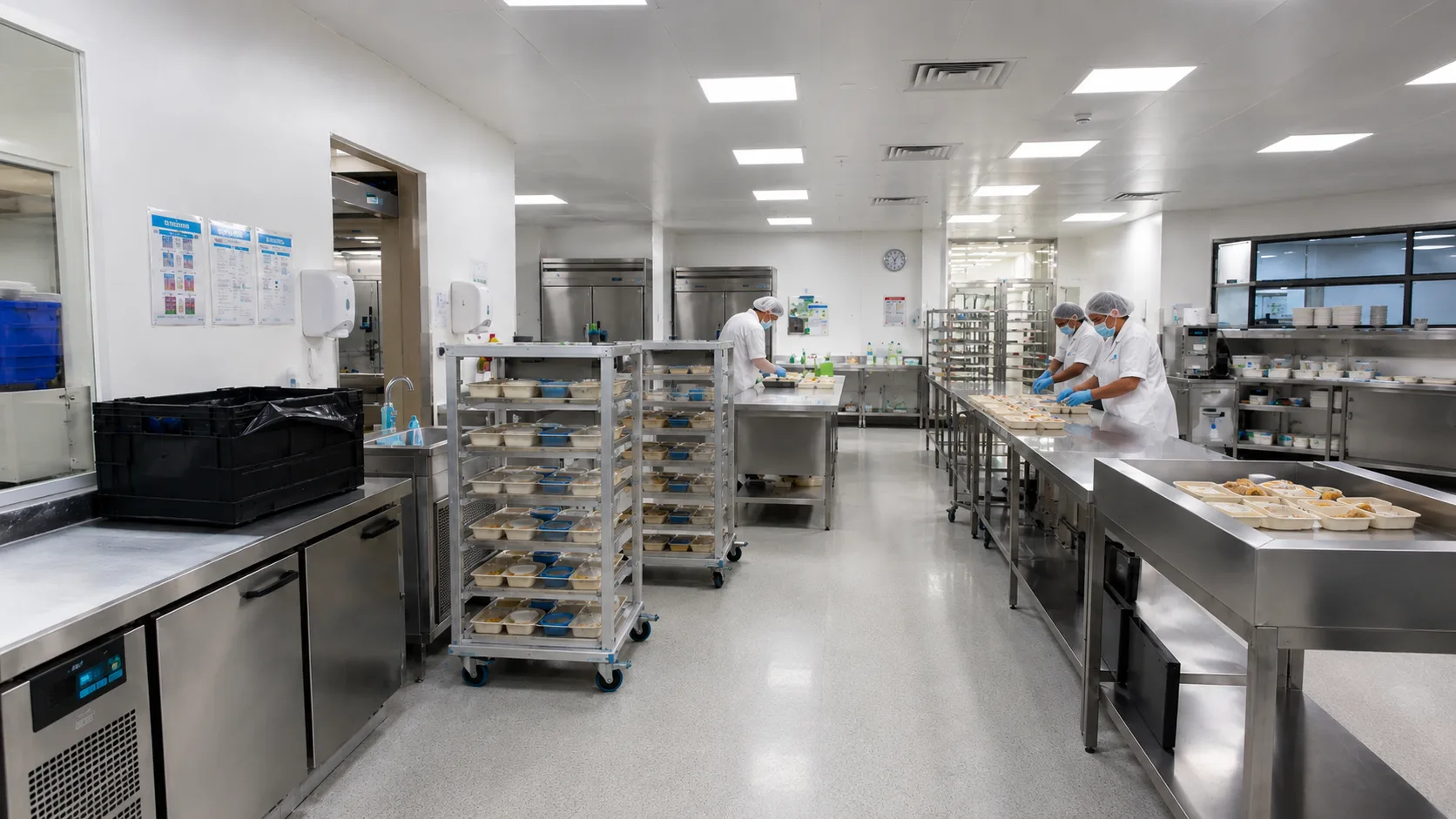
Healthcare Dietary Facilities
Zero-flame, zero-combustion induction cooklines engineered for sterile hospital kitchen environments.
Explore Hospital Solutions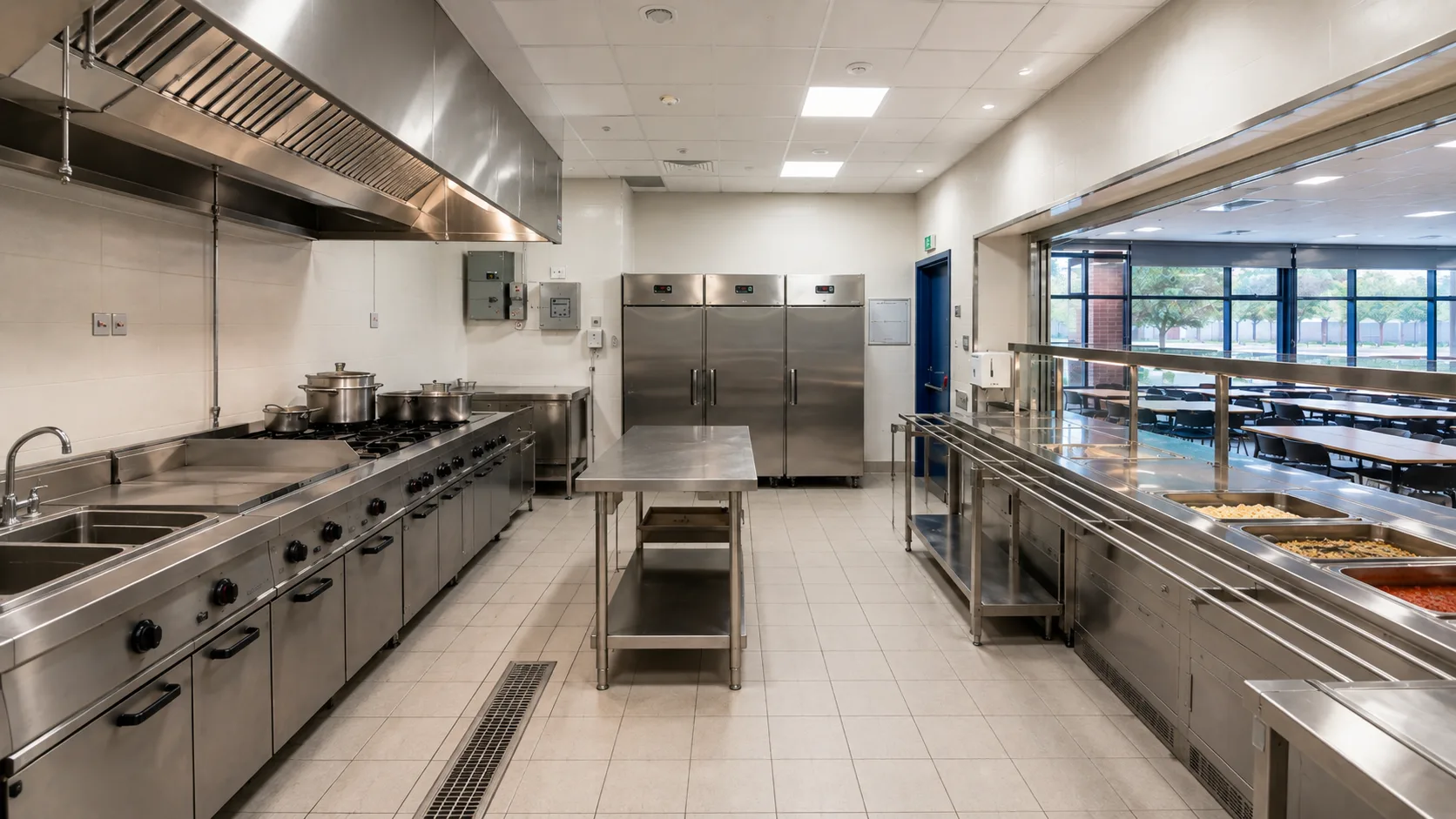
Modern Green School Canteens
Energy-efficient commercial induction cooking suites built for institutional decarbonization goals.
Explore School Solutions
High-Speed Urban Bistro Lines
Compact, high-output induction cooklines engineered to minimize HVAC heat loads in urban restaurants.
Explore Restaurant SolutionsFrequently Asked Questions
Why is commercial induction cooking so much faster than commercial gas?
Induction transfers electromagnetic energy directly into the metal of the pan with over 90% thermal efficiency, heating the vessel instantly. Gas burners lose 60% to 65% of their thermal energy to the surrounding air, requiring twice as long to boil water or recover searing temperatures.
Can you use traditional woks on commercial induction ranges?
Yes. Commercial induction concave wok ranges feature custom-shaped spherical ceramic bowls holding high-frequency induction coils that hug the curved bottom of round carbon steel woks, delivering intense stir-fry heat (up to 15 kW per wok) without open gas flames.
What type of cookware is required for commercial induction cooktops?
Cookware must contain ferromagnetic metal, such as cast iron, carbon steel, or magnetic ferritic stainless steel (AISI 430). Non-magnetic aluminum and copper pans do not work unless manufactured with a bonded magnetic stainless steel base plate.
How does induction cooking improve the kitchen working environment?
Because induction releases under 10% of its energy as waste heat (compared to 60%+ for gas), kitchen ambient temperatures drop by 5°C to 10°C, air conditioning loads decrease by up to 30%, combustion gases (CO and CO2) are eliminated, and fire burn hazards are minimized.
What electrical power supply is required for heavy commercial induction cooktops?
Heavy-duty commercial induction ranges with 4 or more cooking zones require a dedicated 3-phase electrical supply (typically 380V to 480V, 50/60Hz) pulling between 30A and 80A per phase, with individual zones drawing 3.5 kW to 8.0 kW each.
Plan the Equipment Around Your Kitchen.
Share your menu, peak service demand, available space and site utilities. Tell us which equipment you are considering so we can review the requirements with you.