Direct Answer / Key Takeaway: Compare manual and powered stuffing on the same recipe, casing and complete session. Check which work changes and which finishing tasks remain before upgrading.
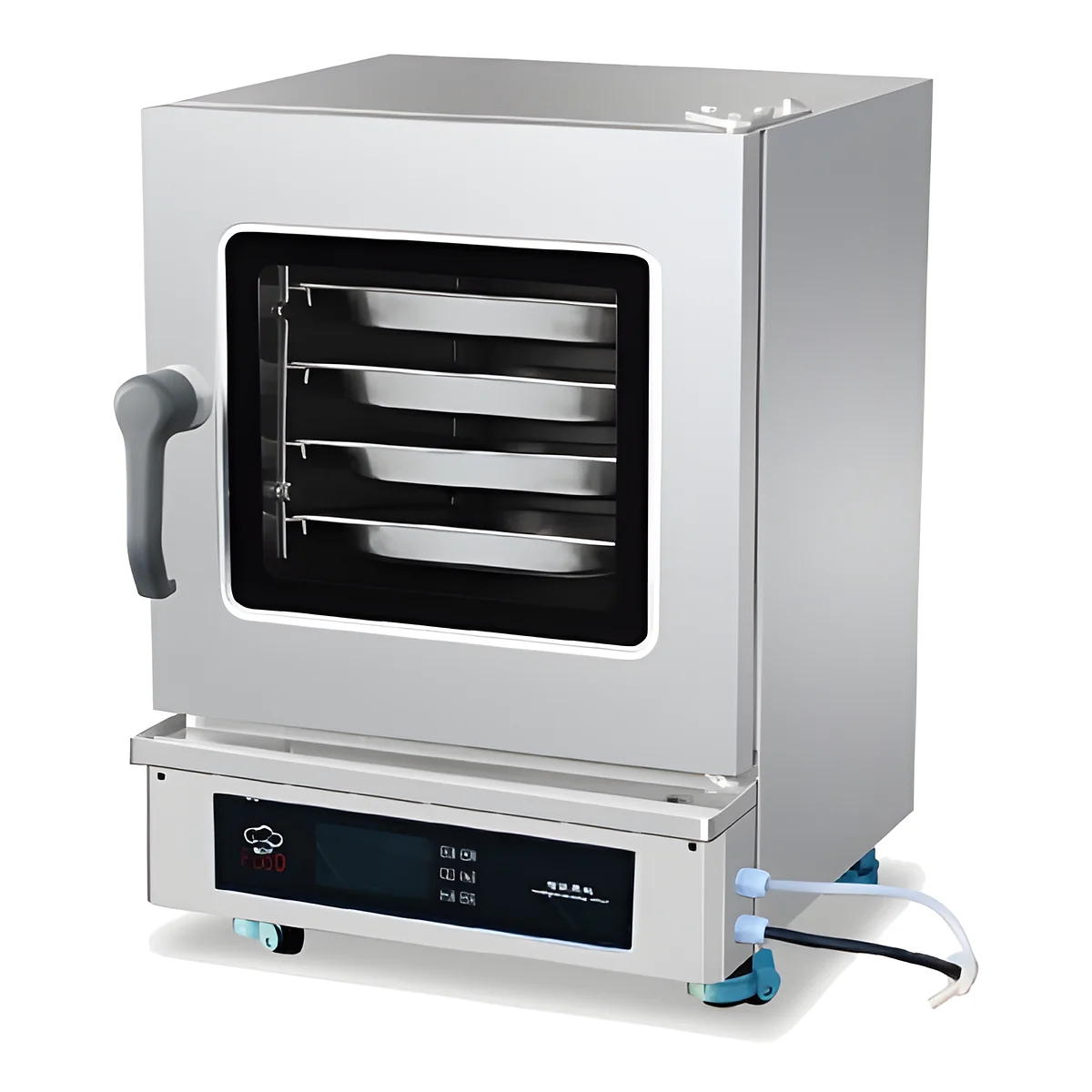
A powered stuffer changes how the filling force is provided. It does not automatically change loading, casing handling, linking or cleaning. An upgrade is useful when it improves the complete sausage-making session under the kitchen's actual working arrangement.
Identify the limitation in the present session
Observe the current manual task under its approved method. Record where work pauses and why: the end of a charge, preparation for another casing, finishing the filled product or moving it to the next approved stage. Keep the physical effort reported by trained operators visible as a separate observation rather than converting it into an invented productivity percentage.
State the problem the purchase must resolve. It might be repeated manual drive work during long runs or a limited filling window between other tasks. A larger powered machine is a poor answer if the present queue mainly waits for linking or containers.
Compare the same sausage job
Use the same intended recipe, product condition, casing requirement and accepted finish in supplier-led comparisons. Match the demonstrated charge to each proposed machine's permissions. Do not force identical loading merely to make the trial look comparable where the constructions have different limits.
Record the complete quantity of acceptable product and the work needed to reach it. Include the number of charges, transitions between them, residual material, approved cleaning and return to readiness. Identify whether one or several staff are involved at each stage.
For a powered proposal, confirm how its controls and fitted accessories interact with casing and finishing work. Automatic drive is not evidence of automatic linking or unattended operation. Keep each quoted function explicit.
Three outcomes need different buying decisions
| Observed result | What it means for the decision |
|---|---|
| Filling improves but finishing becomes the queue | Evaluate the downstream task before counting the full rate as usable output |
| Short runs are dominated by loading and cleaning | Compare complete session time and product changes rather than filling speed |
| Long runs reduce repeated manual drive work | Assess the observed benefit with the actual operators, output and support needs |
Price the complete proposed arrangement, including support, installation where required, accessories, training and the supplier's service scope. Check the actual room and product movements, using the workflow route guide to examine the proposed position. Do not assign hydraulic, electrical or vacuum-system needs until the actual powered construction is identified.
Retain a comparison for the normal short session as well as the busiest run. The stronger offer is the one that addresses the defined limitation while preserving accepted product and a manageable full workflow. A universal claim of doubled output or one fewer operator cannot replace that comparison.