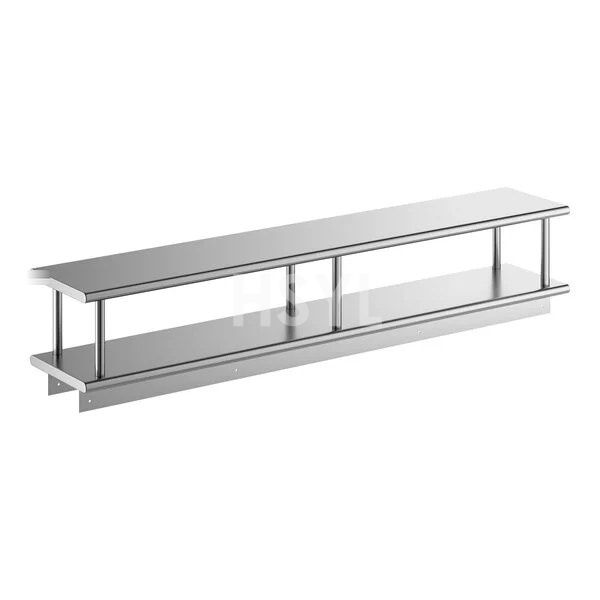
Direct Answer / Key Takeaway: Review the complete manual-stuffer working envelope, approved bench fixing and loading route. Keep the cylinder, crank and casing task clear of competing bench work.
A manual sausage stuffer needs room for more than its base. The crank moves, the cylinder must be loaded through its permitted access and the casing task extends beyond the filling tube. Position the actual proposed construction on a bench layout before treating it as a compact countertop accessory.
Mark the moving and loading positions
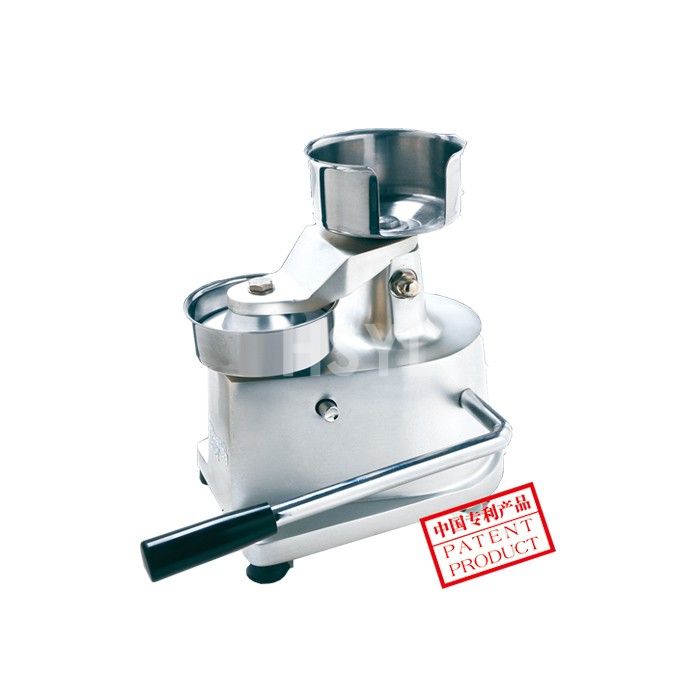
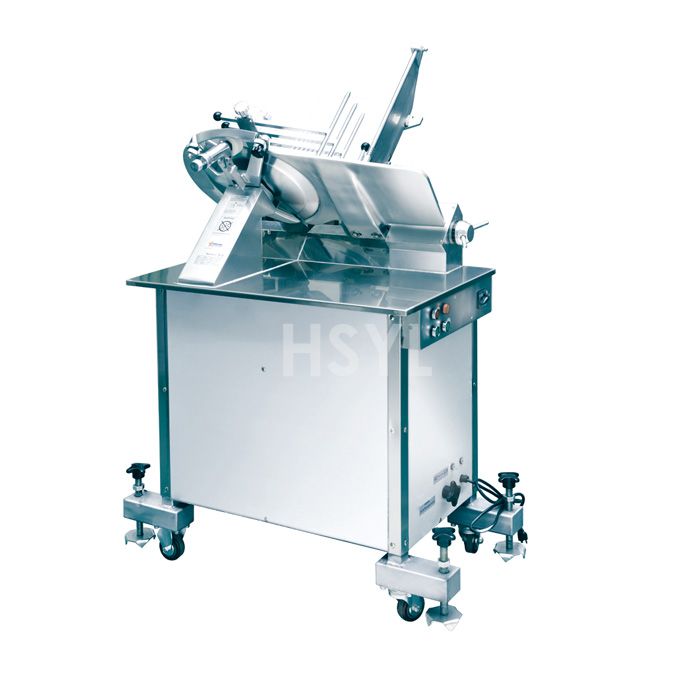
Obtain the model's normal operating and loading arrangement. Show the crank's complete permitted movement and the operator's working position. Check adjacent shelves, walls and stored containers throughout that movement. A crank that clears the wall in one position can still collide during its full rotation.
Include the cylinder's required access. Some constructions use a removable or tilting cylinder, while others have a different loading arrangement. Do not assume one method from a product photograph. Identify the landing place for any component the manual permits trained staff to remove.
Place the incoming mixture and the receiving surface for filled casings on the same drawing. Keep those movements separate from the crank operator's space. Where a second person performs casing or finishing work, test the two positions together rather than adding a second person after the bench has been chosen.
Confirm the support and fixing method
Have the equipment supplier specify the permitted supporting surface and fixing arrangement. A clamp offered for one model is not evidence that another stuffer may be clamped to any bench edge. Check the table's top construction and reinforcement with its supplier before approving drilling or a fixing accessory.
Identify whether the proposed arrangement is permanent or must be moved between tasks. Confirm the approved handling and reinstallation method. Staff should not have to improvise restraints at the start of each production session.
A genuinely hand-operated stuffer does not require an electrical connection for its manual drive. Keep any powered accessory or different proposed machine on its own confirmed schedule. Generic hydraulic pressures, three-phase circuits and vacuum pumps do not belong in the specification of an unpowered cylinder-and-crank unit.
Keep the production route workable
Connect the station to the raw-meat preparation and finishing route review. Locate the next approved processing or storage stage and identify who moves the filled product there. The bench layout must support the kitchen's actual product-handling and temperature-control plan; extra countertop space is not permission for uncontrolled staging.
Allow the approved cleaning route for the cylinder, tubes and other permitted removable items. Check that the work can be completed without taking over the next clean task on the bench. At handover, have the supplier demonstrate the supplied fixing, loading and safe-use arrangements to the designated staff. If the station is relocated, recheck the same crank, loading and fixing requirements before the next session rather than assume a similar bench preserves them.