Direct Answer / Key Takeaway: Count live buffet assemblies with a conditional full/half-pan menu. Separate food-pan inventory, approved heating combinations and reserve pans before ordering positions.
Count the dishes displayed at the same time before counting heating positions. Then group their food pans only where an actual approved assembly permits it. Guest numbers affect demand, but they do not directly determine how many separate heating bases or chafers the opening menu needs.
The catalog's ZC202 entry permits a GN1/1 pan or two GN1/2 pans in its stated chafer arrangement. The actual chafer and heat-source configuration must still be identified. The format entry does not authorize placing arbitrary half pans together directly on an induction surface.
Count a conditional five-dish opening
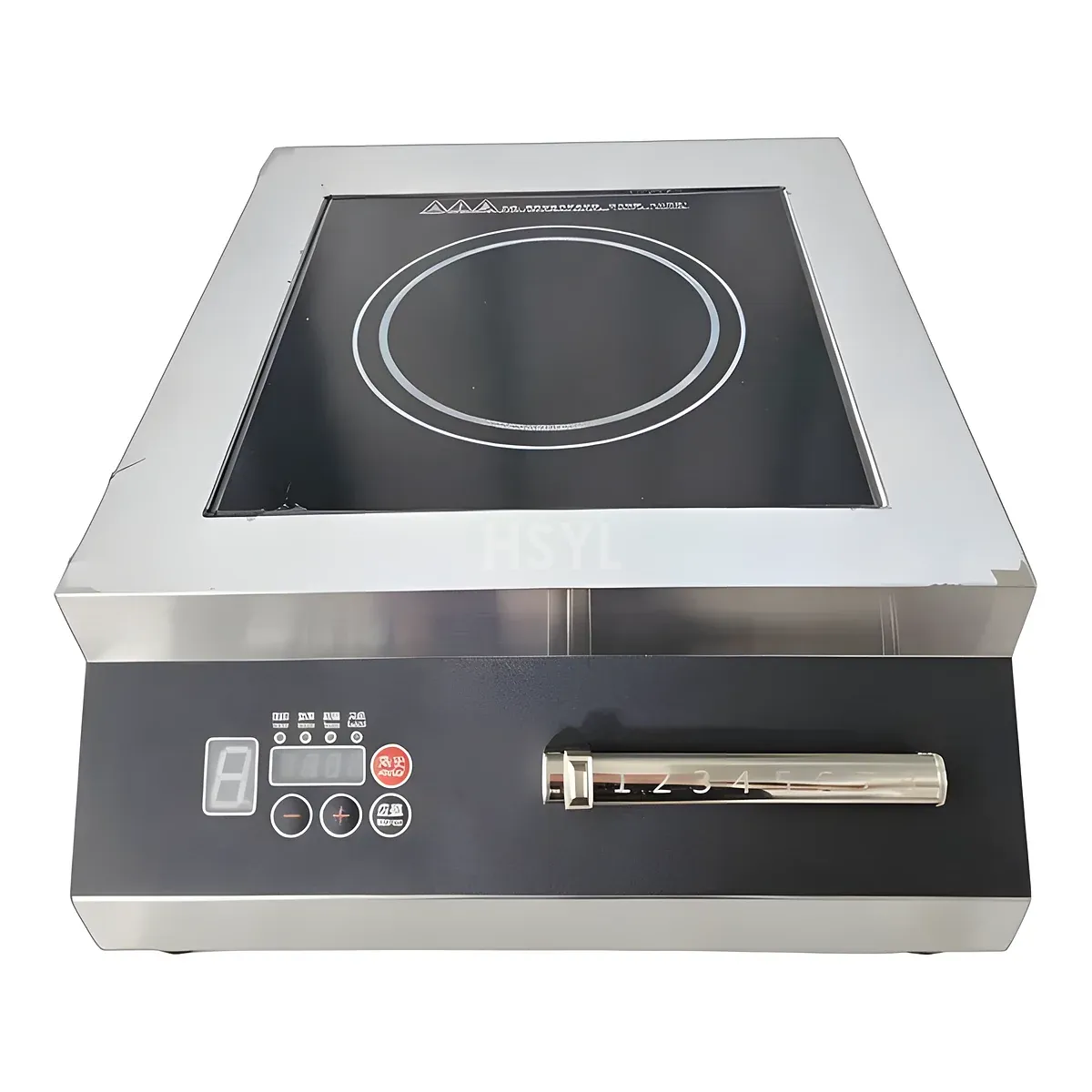
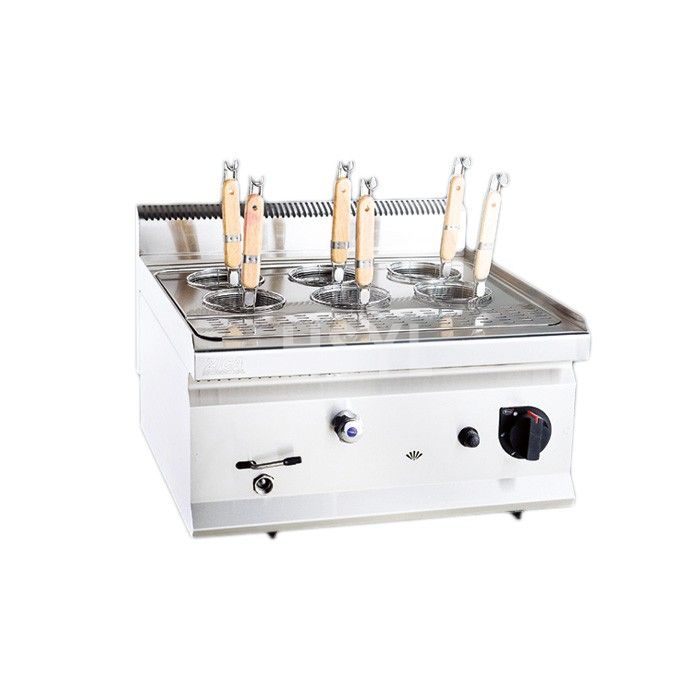
Suppose the menu displays three full-pan main dishes and two half-pan sauces. Assume the supplied approved arrangement allows those two sauces in one twin-half-pan chafer, and each main dish has its own complete live assembly.
| Opening component | Food pans | Complete live assemblies in this example |
|---|---|---|
| Three main dishes | 3 full pans | 3 |
| Two sauces in the accepted divided arrangement | 2 half pans | 1 |
| Total | 5 food pans | 4 live assemblies |
Five dishes therefore do not automatically mean five heaters. Equally, the four-assembly count is valid only for the stated accepted combination. If the two sauces cannot share that arrangement, revise the menu grouping and count their actual approved positions separately.
Identify the heat-source equipment belonging to each complete assembly before turning this count into an order. A food pan, chafer body and heating base are not interchangeable purchasing units. A quoted built-in electric option also should not silently become an additional induction base in the inventory.
Keep reserve stock in a separate count
If one replacement food pan is allocated to each dish, that adds five reserve pans to inventory. It does not automatically add five live warming positions. Identify where those reserves belong in the accepted preparation/holding process and whether any are actually live at the display.
Check the intended changeover state as well as the opening state. An outgoing pan and an incoming pan may need a permitted landing, but two containers present during exchange do not necessarily require two simultaneously powered positions. If the plan really operates both as live displays, count and accept that overlap explicitly.
Carry the result into the buffet procurement schedule as three separate lists: food pans, complete live assemblies and reserve items. Recount when the menu grouping or supported pan arrangement changes. That gives procurement a reproducible opening count without converting guest totals or spare-pan inventory into fictitious heater requirements.