Direct Answer / Key Takeaway: Record the door, system states and occupied conditions when suction is reported. Obtain measured ventilation assessment before changing the makeup-air unit or calling the system balanced.
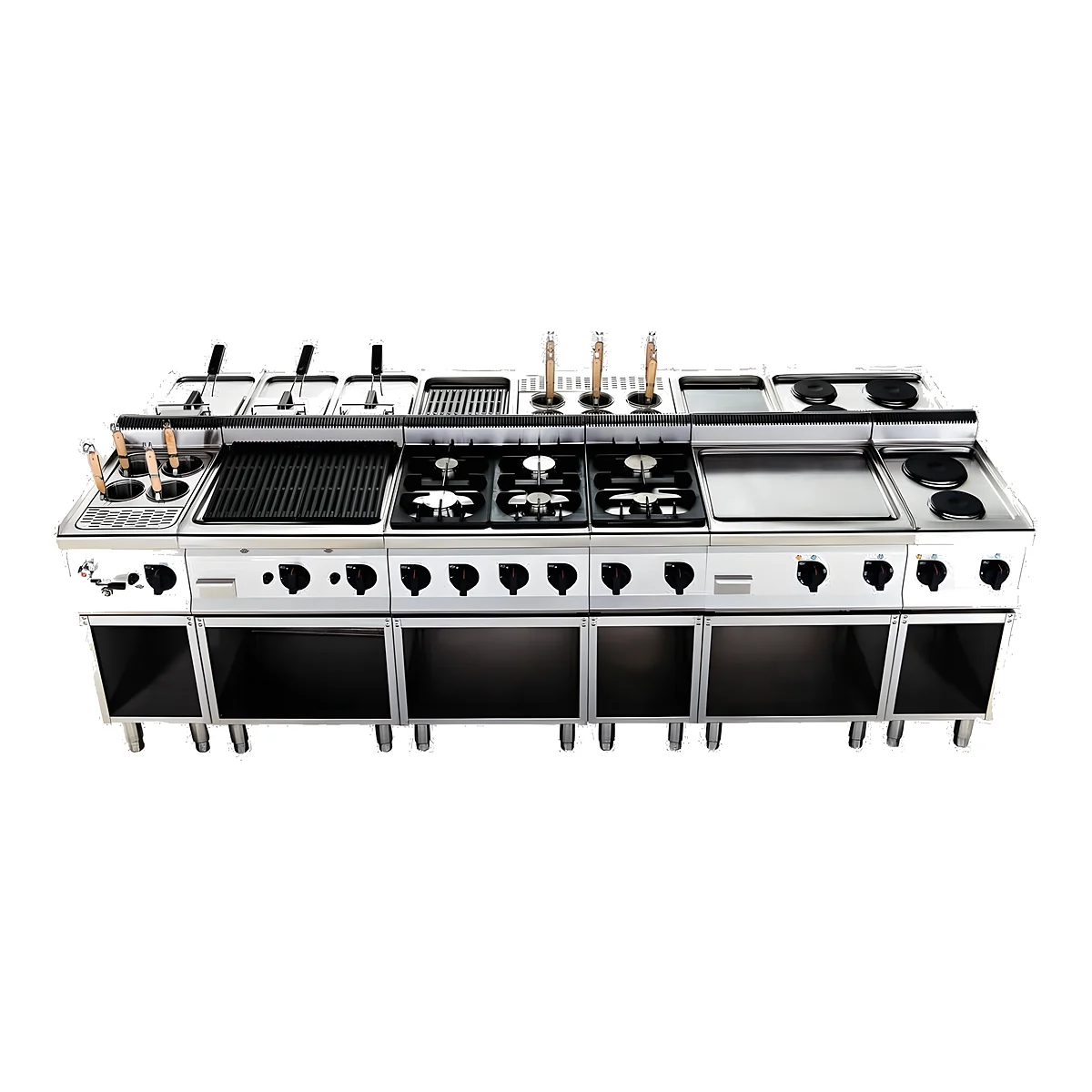
Staff report that a kitchen door becomes hard to open during service. Preserve that complaint in its operating context. It can justify an assessment, but it does not provide a measured air-balance result or identify the adjustment the MAU needs.
Describe the occupied event
Identify the door, adjoining spaces and direction of the reported difficulty. Record when it happens and which kitchen extraction, dedicated supply and connected building systems are actually operating. Include relevant normal door and pass-opening conditions.
Use the site's response where access or safe operation is affected. Do not prop a required door open, disable a closer or alter a fan setting merely to make the complaint disappear. Those changes can alter the arrangement the responsible teams need to assess.
Keep a service report specific: the same door behaving differently under two documented operating states is more useful than a general claim that the kitchen has suction. Preserve changes made before the event, such as a revised schedule or installation work, without assigning them a cause.
Ask for the measured assessment
Have the appropriate building and ventilation professionals establish the actual condition using the approved design and applicable site requirements. Identify the measurement locations and references so the result describes the reported operating state.
The ventilation design discussion puts the MAU within the wider room and building arrangement. A response limited to its nameplate airflow cannot settle every interface in that arrangement.
Keep the observed door behaviour, measured quantities and assessed finding distinct. Do not prescribe a fixed pressure or a percentage increase in supply from the complaint alone. Any correction needs the responsible design and commissioning process.
After supported work, reproduce the relevant accepted operating states through the authorised verification. Include the other ventilation and capture requirements, rather than declaring success solely because the door feels easier.
Retain the resolved sequence and finding for the operators. If a later schedule or room change brings the complaint back, compare it with that record. A comfortable door action is one useful observation, not a substitute for an accepted occupied ventilation system.