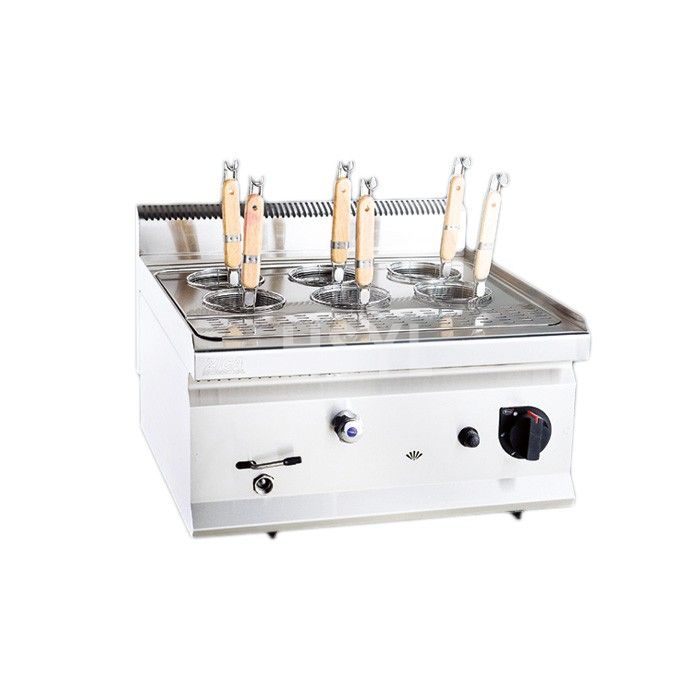
Direct Answer / Key Takeaway: Compare flat/grooved griddle offers using separate surface-texture, plate-material, finish and cleaning requirements, with the real menu and tools included.
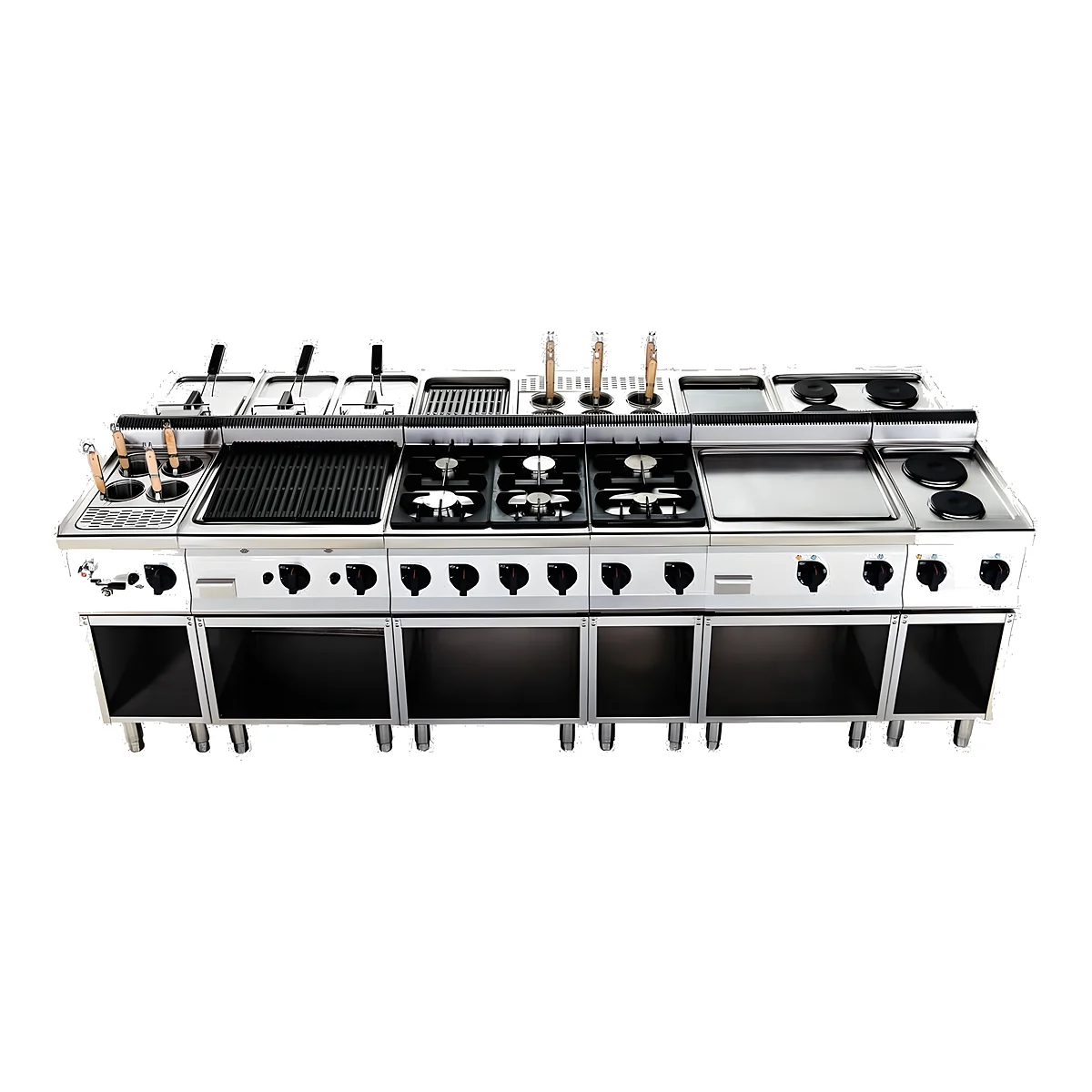
A half-flat, half-grooved description tells a buyer about surface texture. It does not by itself identify the plate material, a chrome finish or the permitted cleaning tools. Specify those choices separately so that two apparently similar griddle offers can be compared on the work they require.
Keep four specification fields
| Field | What the offer must identify |
|---|---|
| Texture | Usable flat and grooved areas and their boundary |
| Plate construction | The actual cooking-surface material and construction |
| Finish | Any coating or treatment included, with its care restrictions |
| Approved care | Tools, cleaners and any required preparation for use |
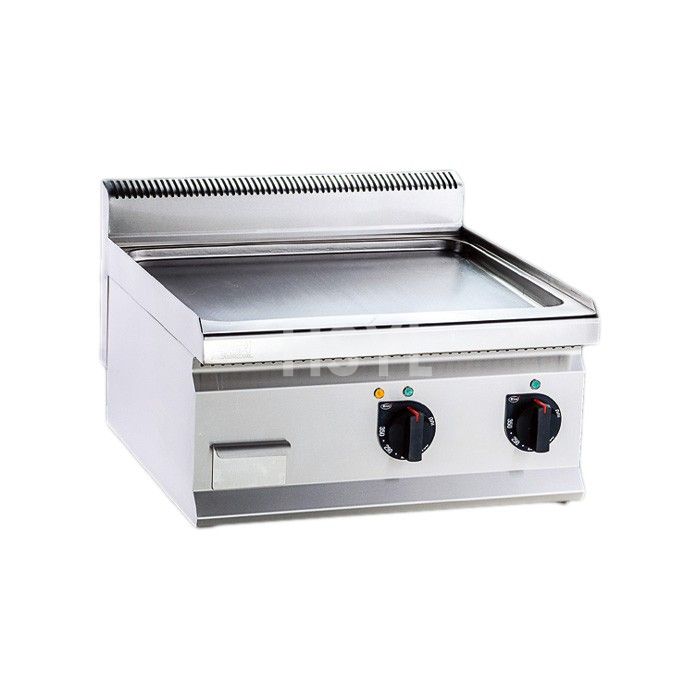
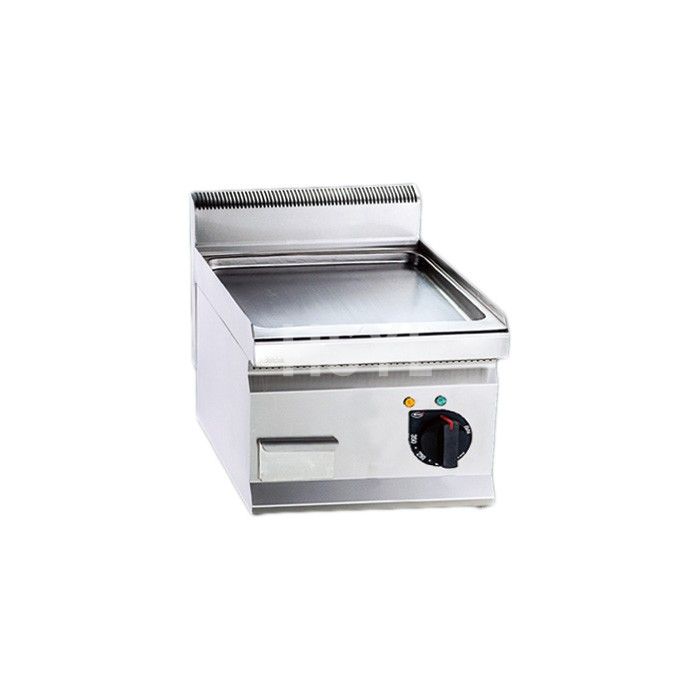
The catalog names ZCP205BT as half-flat, half-grooved. A different HG7080-E entry expressly describes a thickened steel plate. Neither statement establishes that every polished or grooved plate in the range has the same finish. Confirm the exact plate construction being quoted.
Use the working menu in the comparison
Show how the flat surface handles the actual flat-surface products and how the grooved surface handles the foods selected for marking. Include release from the plate, turning and the route to serving. Judge the accepted food result without assuming that a shiny appearance establishes a non-stick surface.
Ask whether any preparation or seasoning is required for the supplied finish. Keep that instruction with the demonstration so the kitchen can reproduce the starting condition. A plate prepared differently by each bidder makes the results difficult to compare.
Review cleaning with the people who perform it
Have staff examine the approved tool's contact with both flat and grooved sections. Check access to the groove bottoms and the boundary without assuming one scraper suits every surface. Include the time and steps needed to reach the accepted clean condition through the permitted procedure.
Where a supplier claims easier cleaning, ask what method and soiling condition support the statement. Do not credit a universal two-minute cleanup or apply one manufacturer's steel-plate method to an unconfirmed finish. Vulcan's VCCG griddle manual, for example, separates care by plate finish. Its methods remain specific to those models; the chosen appliance's instructions must settle the tools used here.
Make the ordered finish identifiable
The final offer should name the surface construction, included tools and relevant replacement or service information. Resolve whether the demonstrated finish is the standard supplied version or a separately priced option. Photograph and identify the accepted unit as part of the order review.
At delivery, check the specification and supplied care documents before staff use an unfamiliar abrasive or chemical. Keep any discrepancy open with the supplier rather than guessing from the plate's color. This gives the kitchen a defined surface and a reproducible care method, with no dependence on broad labels such as premium or teppanyaki.