Direct Answer / Key Takeaway: Distinguish a manual press from a powered former before planning support or utilities. Place feed, portion checks and tray exchange around the supplied construction.
The word patty former can describe a manual press or a powered machine with a substantially different feeding and collection arrangement. Identify the actual construction before the room is prepared. A manual lever sweep and an automatic hopper-loading position are different installation tasks.
Freeze the supplied functions on the drawing
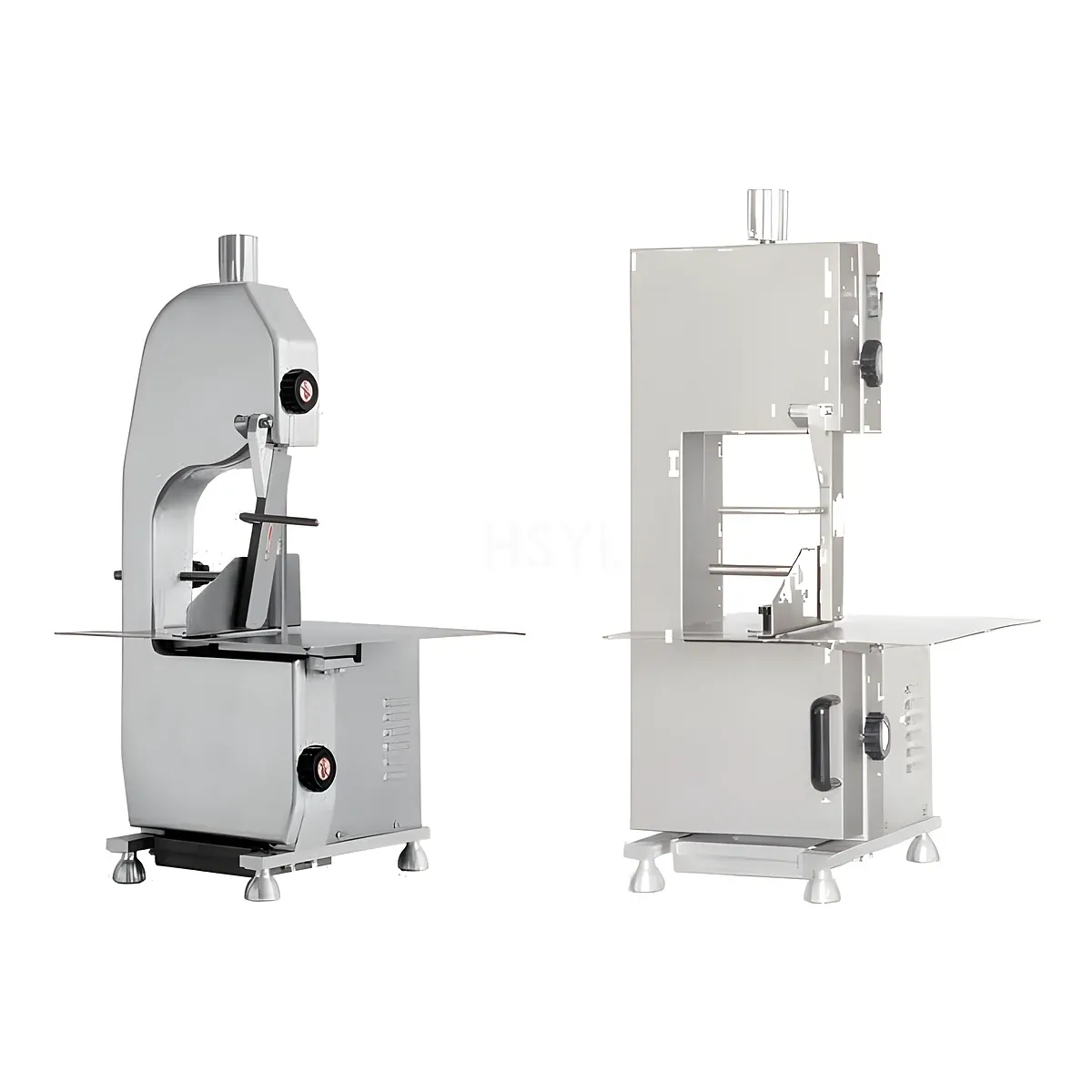
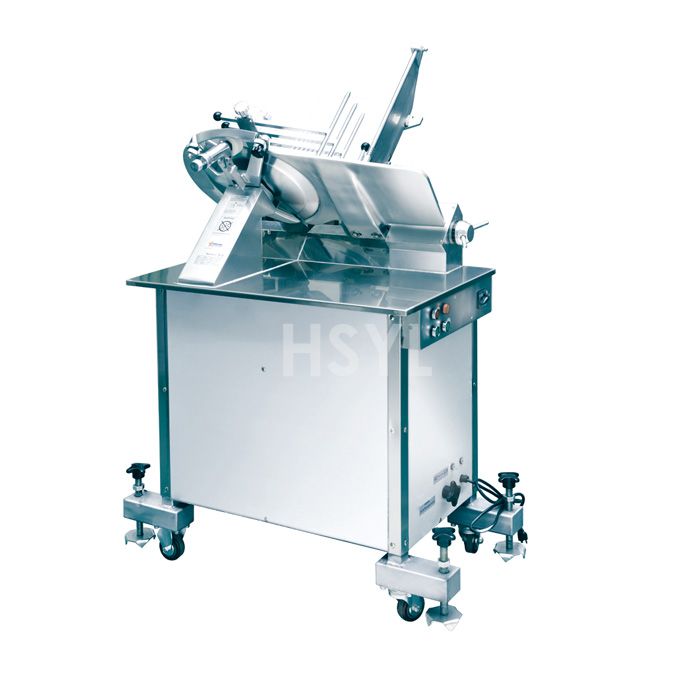
List the press or former, its moulds and each included accessory. Identify whether paper handling, stacking or other functions are supplied, optional or absent. A photograph of another configuration does not establish what will arrive.
Show the manufacturer's operating, loading and approved cleaning envelope. For a manual press, include the actual operating movement and product-removal position. For a powered former, use its real feed and discharge arrangement. Do not add a foot switch, conveyor or guard feature because a generic specification mentions one.
Use the hamburger press enquiry to obtain a construction-specific drawing rather than make utilities from the equipment's general name.
Trace a tray through the station
Place the incoming mixture, permitted portioning aids and receiving tray. Show where portions are checked without blocking normal collection. If the supplied configuration uses separators or paper, identify their clean storage and approved replenishment position.
Walk a full-tray exchange using an empty layout simulation. The full tray must leave without passing through an operating lever or reaching into moving equipment. Reserve the next empty tray where it does not cover controls or occupy the product-checking position.
Identify the destination of completed portions and the responsible staff movement. Keep staging and product-handling conditions within the kitchen's approved plan. A forming station is not itself refrigerated holding merely because it handles raw meat.
Coordinate support and services by construction
Have the supporting-table supplier assess the exact machine, support points and other planned loads. Obtain the equipment manufacturer's permitted fixing arrangement. Do not drill a table or improvise a clamp from the appearance of a small manual press.
A hand-operated unit has no electrical requirement for its manual drive. For powered equipment, the qualified installer needs the ordered supply and actual connection schedule. Other services belong on the schedule only where the selected manufacturer specifies them.
At handover, demonstrate the installed arrangement with the exact manual, including approved cleaning and tool changes. Confirm where permitted removable components are safely handled and stored. Keep the final drawing with the mould and machine identities so a later change of portion does not also introduce an unreviewed tool or an unsuitable station layout.