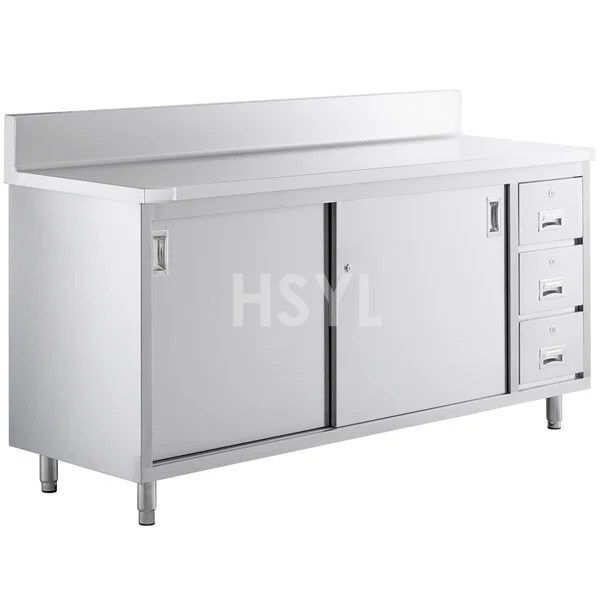
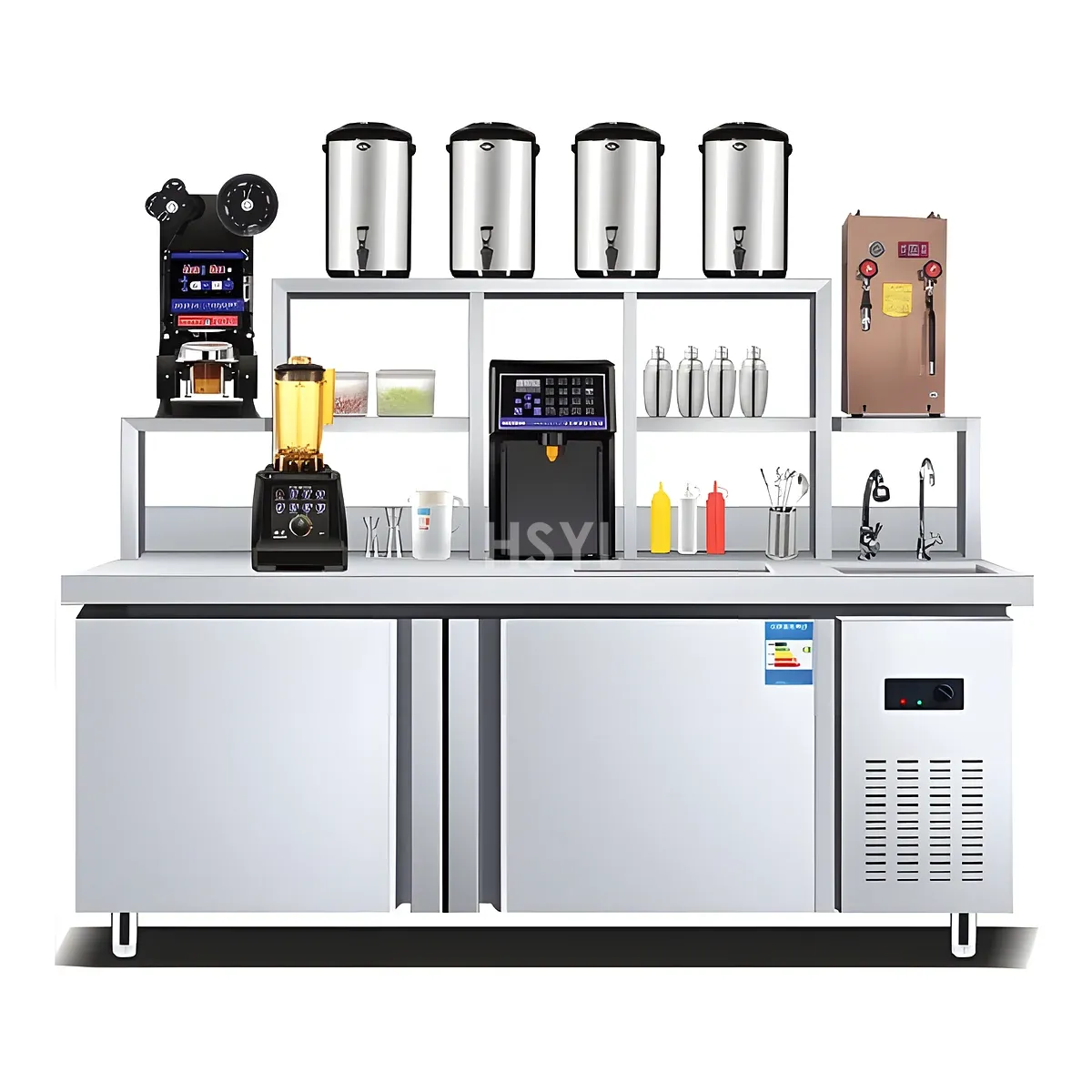
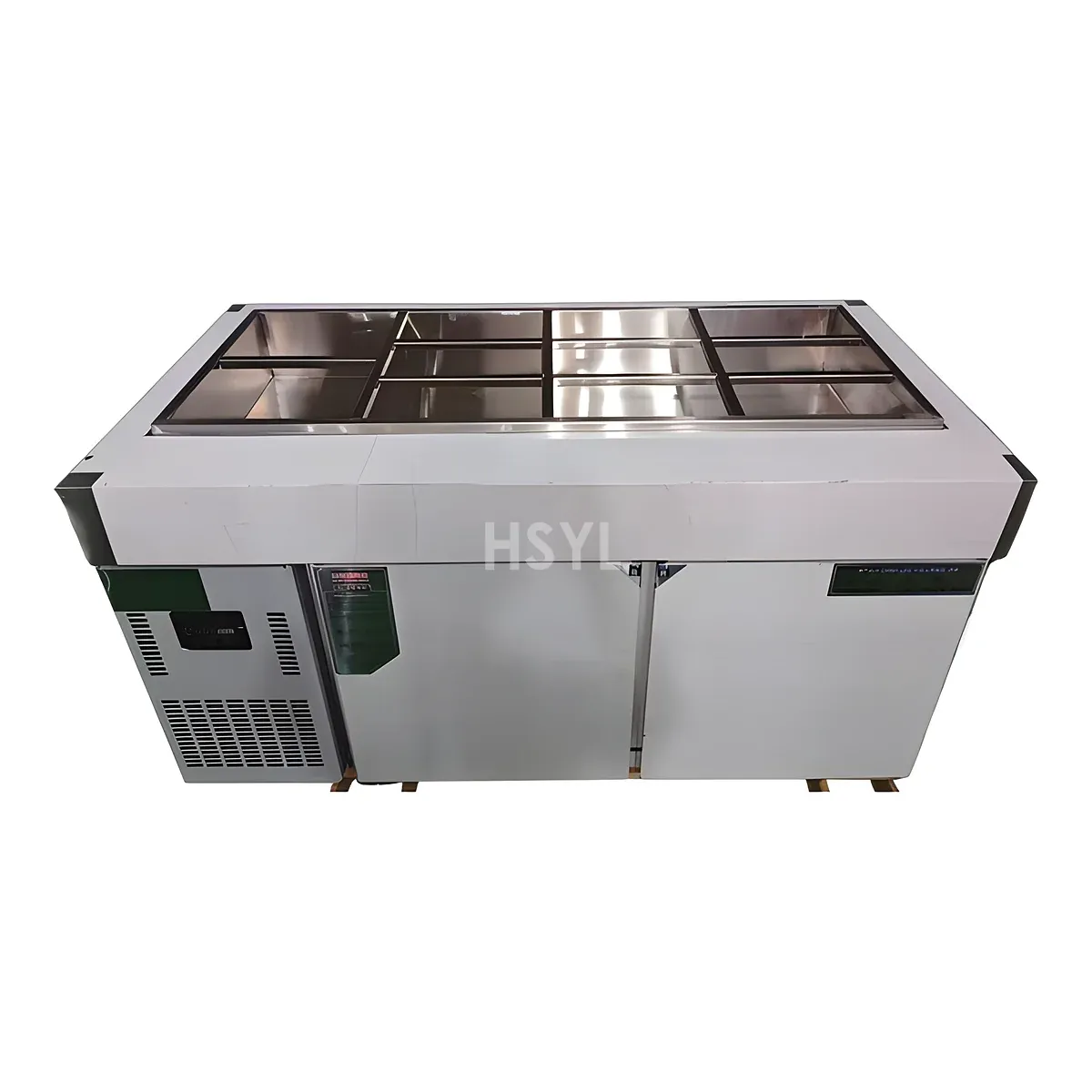
Direct Answer / Key Takeaway: Compare reserve-store trips with drawer replenishment and station access. Measure real tasks before assigning a labour saving to cookline refrigeration.
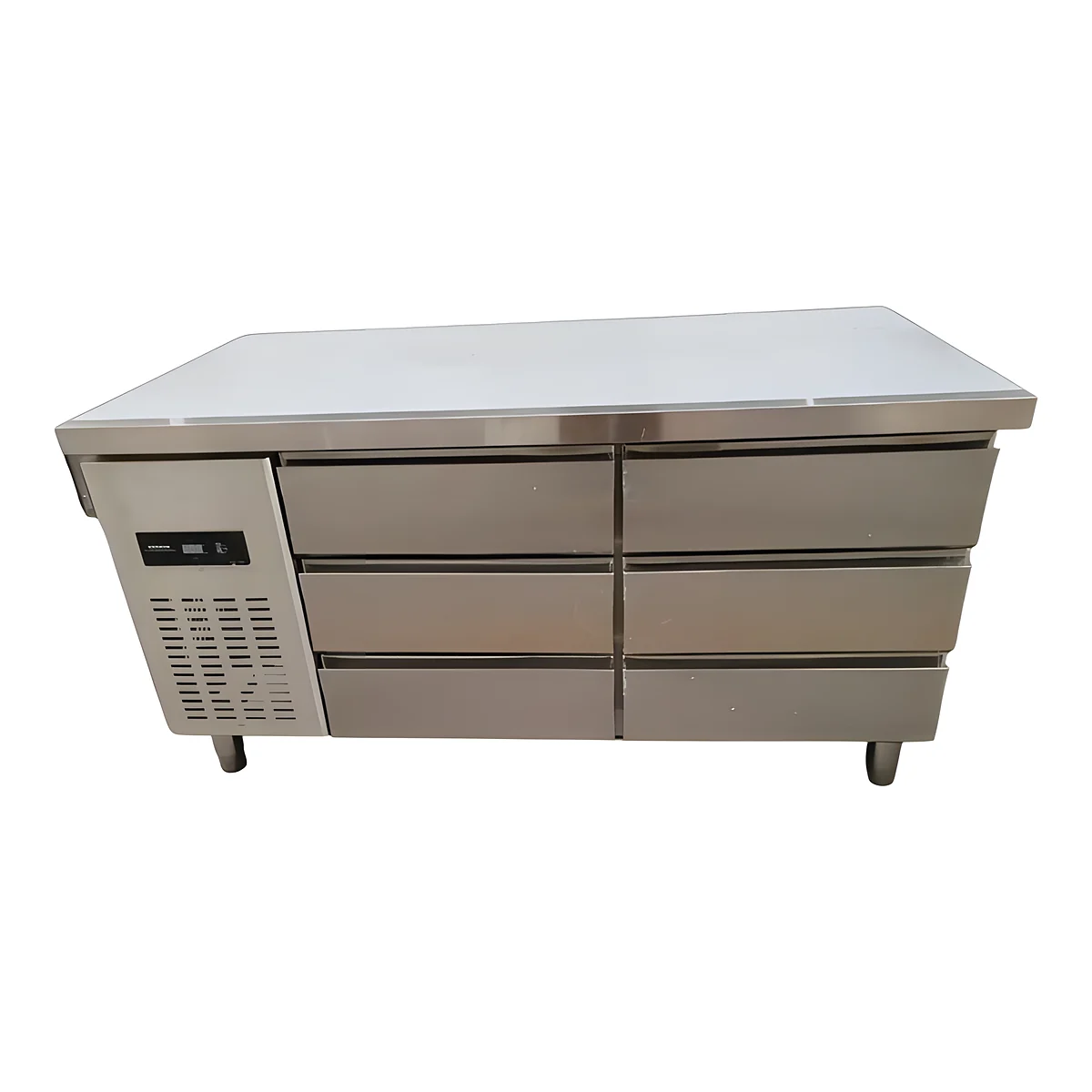
A cook may make fewer store trips after ingredients move into a chef-base drawer, while another person performs more replenishment. Follow both people before describing that change as labour saved.
Choose representative service conditions and identify the ingredients, quantities and roles included. Keep menu, workload and required food handling/holding equivalent. Separate dedicated ingredient trips from travel combined with another necessary task.
| Current route | Proposed drawer route |
|---|---|
| Who retrieves which stock from which suitable store? | Who prepares and brings the reserve refill? |
| Where does the container wait during work? | Where do incoming and removed containers wait during exchange? |
| Which doorway, search or shared-route delays occur? | Which drawer access or cookline interference occurs? |
| What task restores the ready station? | What task restores the drawer, reserve and returned container? |
Observe or rehearse the complete proposed refill with compatible containers and a feasible stock window. Include collection, travel, exchange, return/disposal and the next person's readiness. Use suitable protected conditions rather than obtaining an apparent benefit by leaving food out or omitting container controls.
Interpret the changed work before assigning money
Preserve busy, quiet and unusually delayed observations separately. A search for a missing label or wait at a blocked doorway can be corrected differently from the travel distance itself. Do not multiply one slow trip across an entire shift.
Keep the runner's work in the account even when the cook's travel falls. Check the occupied cookline as well as walking distance: a drawer held open during exchange can interrupt someone else. Use the complete ingredient workflow to locate that transferred interference.
Report the supported task/time difference with its conditions. Time available for the cook to perform another useful activity can be a practical result without changing paid staffing. State how that capacity will be used and which economic consequence, if any, is actually supported.
For the purchase decision, include the refrigerator, any approved upper-equipment support/thermal arrangement, installation and documented ongoing costs. Keep those inputs separate from the route observation; a power label or invented breakdown rate cannot supply the missing annual cost.
Choose the stock/refill arrangement from the observed work. If a label, holding position or staff assignment remains the real obstacle, resolve it before crediting the cabinet with the improvement. The result should explain the full ingredient journey and who now performs each part.