Commercial Kitchen Deep Cleaning
Exhaustive engineering guide to commercial kitchen deep cleaning protocols, alkaline saponification degreasers, fryer boil-out chemistry, stainless passivation, and ATP bioluminescence hygiene validation.
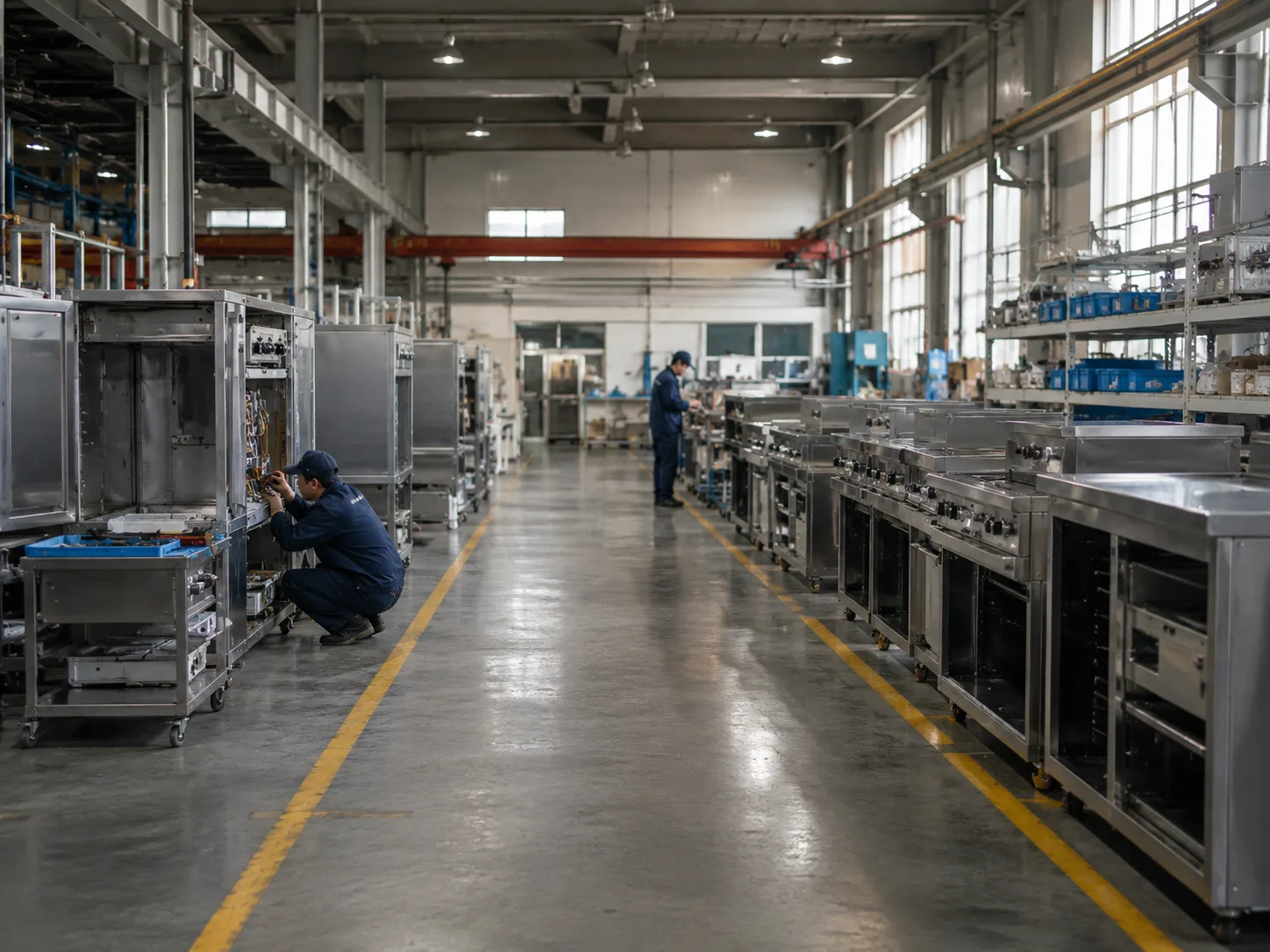
Commercial culinary facilities operate under severe environmental conditions where airborne lipid vapors, charred carbonized proteins, and high ambient temperatures combine to form stubborn organic residues. Routine superficial surface wiping fails to penetrate mechanical grease traps, fryer heat exchanger tubes, and stainless steel micro-pores. Failure to execute scheduled commercial kitchen deep cleaning leads to health inspection closures, cross-contamination outbreaks, slipped-worker injury liabilities, and catastrophic ductwork grease fires. This technical hygiene guide details alkaline degreasing chemistry, certified deep fryer boil-out protocols, stainless steel chemical passivation, and ATP bioluminescence sanitation validation.
Figure 1: Certified commercial culinary equipment degreasing, stainless surface passivation, and ATP microbial swab validation.
1. Chemical Degreasing Chemistry: Alkaline Saponification vs. Acid Washing
Removing polymerized grease requires matching chemical pH to the specific organic or mineral deposit:
| Cleaning Chemical Category | Operating pH Range | Primary Active Mechanism | Target Kitchen Deposit | Metallurgical Restrictions |
|---|---|---|---|---|
| Heavy-Duty Alkaline Degreaser | pH 12.5 - 14.0 (High caustic) | Saponification: Converts insoluble animal fats into water-soluble soap | Baked-on grease, polymerized oil coatings, carbonized griddle scale | Safe on 304/316 Stainless; Corrodes and blackens aluminum, brass, and zinc |
| Mild Solvent-Based Degreaser | pH 9.0 - 11.0 | Solvent dissolution & surfactant emulsification | Light oil films, stainless cabinet exteriors, refrigeration doors | Safe across all metals including anodized aluminum |
| Inhibited Acid Delimer / Descaler | pH 1.0 - 2.5 | Acid-base neutralization & mineral dissolution | Calcium carbonate (CaCO3) limescale, hard water iron stains | Safe on stainless and copper; avoid galvanized steel |
| Quaternary Ammonium / Chlorine | pH 6.5 - 7.5 | Microbial cell wall lysis (Sanitizer) | Bacterial pathogens (Salmonella, Listeria, E. coli) | High chlorine (> 200 PPM) causes pitting corrosion in stainless |
2. Commercial Gas Deep Fryer Boil-Out Protocol
Deep fryers accumulate carbonized crumb sludge and polymerized resin coatings on frypot walls and burner tubes. The boil-out process restores virgin heat transfer efficiency:
Operating Protocol: Maintain temperature strictly between 90°C and 95°C (194°F - 203°F) for 25 to 30 minutes. CRITICAL SAFETY WARNING: Never allow water to boil vigorously (> 100°C), as violent boiling causes severe caustic foaming overflow onto floor areas, creating severe burn hazards and short-circuiting gas burner electronic control boards.
Step-by-Step Fryer Boil-Out Execution:
- Oil Evacuation: Allow oil to cool to 50°C. Drain completely into disposal drums or filtration carts and scrape bulk crumb sediments from the bottom cold zone.
- Water Fill & Compound Dosing: Fill the frypot with cold water to the maximum oil level line. Add certified commercial fryer boil-out detergent (sodium hydroxide / surfactant formulation).
- Controlled Simmer: Set thermostat to simmer (90°C - 95°C). Simmer for 25 to 30 minutes while scrubbing the waterline and burner tubes with a long-handled wire boil-out brush.
- Draining & Caustic Neutralization: Drain the dirty caustic solution into heat-resistant buckets. Rinse the vat thoroughly with hot water. Fill with fresh water and add 500 mL of food-grade white vinegar or 50g citric acid powder to neutralize residual caustic alkalinity, soak for 5 minutes, and drain again.
- Complete Drying: Towel dry the stainless steel frypot completely before refilling with fresh cooking oil. Any remaining moisture drops cause violent, dangerous hot oil splattering when heating begins.
3. Chemical Passivation of 304/316 Stainless Steel Food Contact Surfaces
Stainless steel resists corrosion due to a microscopic, self-healing chromium oxide (Cr2O3) passive layer. Harsh abrasive scrubbing, steel wool pads, or chloride bleaches deplete surface chromium, causing red rust stains (iron oxide) to appear on prep tables and sinks:
Engineering Passivation Procedure: After deep cleaning and degreasing, spray surfaces with a 10% citric acid or 20% nitric acid passivation solution. Allow 20 to 30 minutes contact time at 25°C, rinse with deionized or soft water, and allow to air-dry for 24 hours. This restores the protective Cr2O3 layer, eliminating pitting corrosion risks.
4. ATP Bioluminescence Hygiene Auditing & Benchmark Standards
Visual inspection cannot detect microbial biofilms or residual protein residues. Modern commercial kitchen audits utilize Adenosine Triphosphate (ATP) bioluminescence swabs to quantify surface hygiene in Relative Light Units (RLU):
| Kitchen Sampling Station | Target Clean Threshold (RLU) | Caution Zone (Re-Clean) | Failed Sanitation Threshold |
|---|---|---|---|
| Chef Plating Counters & Prep Tables | < 30 RLU (Hospital Clean) | 31 - 60 RLU | > 60 RLU (Immediate chemical re-sanitization) |
| Meat Slicer Blades & Food Chutes | < 20 RLU (Critical contact) | 21 - 50 RLU | > 50 RLU (Disassemble and chemical sterilize) |
| Clean Plates Exiting Dishwasher | < 10 RLU (Sterile standard) | 11 - 30 RLU | > 30 RLU (Booster temp or detergent failure) |
| Walk-In Cooler Door Handles | < 50 RLU | 51 - 100 RLU | > 100 RLU (Cross-contamination vector) |
5. Chemical Sanitizer Selection: Quaternary Ammonium vs. Peracetic Acid
Food contact sanitization requires selecting biocide compounds compatible with kitchen metallurgy and organic soil loading:
| Sanitizing Biocide | Active Concentration Target | Minimum Contact Time | Organic Soil Tolerance | Metallurgical Corrosion Profile |
|---|---|---|---|---|
| Quaternary Ammonium (Quat) | 200 - 400 PPM | 60 Seconds (EPA registered) | Moderate; leaves residual bacteriostatic antimicrobial film | Non-corrosive to 304/316 stainless, brass, and aluminum; non-irritating |
| Peracetic Acid (PAA) | 100 - 200 PPM | 30 Seconds | High; breaks down into harmless vinegar (acetic acid) and water | Excellent for meat processing, sushi prep, and cold-line washdown |
| Sodium Hypochlorite (Chlorine) | 50 - 100 PPM | 60 Seconds | Low; deactivated rapidly by residual organic proteins | Corrosive: concentrations > 200 PPM cause severe stainless steel pitting |
6. Commercial Exhaust Hood Grease Scraper Metallurgy
Scraping hardened grease from Type 1 exhaust hood plenums and vertical duct transitions presents severe spark and fire hazards:
- Non-Sparking Beryllium-Copper / Brass Scrapers: Steel scrapers striking steel duct walls generate mechanical friction sparks that ignite combustible grease aerosols. OSHA and NFPA 96 mandate non-sparking brass, bronze, or heavy UHMW polyethylene scrapers for duct cleaning.
- Rotary Pneumatic Duct Brushing: Certified cleaning contractors utilize pneumatic flexible-shaft rotary brushes paired with high-volume HEPA vacuum extraction units, stripping grease down to bare metal across vertical risers.
7. Clean-In-Place (CIP) Turbulent Flow Kinetics & Velocity
Automated chemical cleaning in industrial food factories and large central kitchen pipelines requires turbulent hydrodynamic flow:
Cleaning Kinetic Rule: Caustic wash solution must flow through pipes and kettles at a minimum velocity of 1.5 m/s to 2.0 m/s. Turbulent flow creates physical shearing action that tears bacterial biofilms off stainless steel walls far more effectively than static chemical soaking.
8. Chemical Sanitizer Antimicrobial Kinetics & Surface Tension
Disinfection efficacy in commercial food production depends on chemical contact time, active solution concentration, and surfactant wetting properties:
| Sanitizer Active Chemistry | Optimal Concentration Range | Kill Efficacy & Mechanism | Stainless Steel & Elastomer Compatibility |
|---|---|---|---|
| Quaternary Ammonium (Quat / DDAC) | 200 - 400 ppm (pH 6.5 - 8.5) | Disrupts microbial phospholipid cell membranes. Leaves bacteriostatic film; excellent for walls and non-food contact zones. | Completely non-corrosive to AISI 304/316 steel and silicone gaskets; neutral odor. |
| Peracetic Acid (PAA / CH3COOOH) | 100 - 200 ppm (pH 3.0 - 4.5) | Rapid oxidation of cellular enzymes and nucleic acids; eliminates spores and biofilms within 60 seconds without rinse requirement. | Safe on passivation film; degrades into harmless vinegar and water. Minor odor; requires EPDM seals. |
| Sodium Hypochlorite (Chlorine Bleach) | 50 - 100 ppm (Strictly pH 6.5 - 7.5) | Broad spectrum denaturing of proteins. Highly volatile and degraded rapidly by organic soil loading. | High Corrosion Risk: Causes pitting corrosion on stainless worktables if concentration > 200 ppm or contact time > 10 minutes. |
Diagnostic Engineering: Biofilm Resistance on Polished vs. Brushed Stainless
Symptom: ATP luminometer readings exceed 200 RLU on clean stainless prep tables despite repeated chemical spraying.
Root Cause Analysis: Coarse surface finishes (#3 Polish or mechanically abraded steel with Ra > 0.8 μm) harbor microscopic valleys where Listeria monocytogenes produces extracellular polymeric substances (EPS), creating an impenetrable biofilm matrix resistant to liquid wiping.
Corrective Action: Electropolish or passivate tables to sanitary 2B / #4 sanitary finish (Ra ≤ 0.4 μm); apply an enzymatic breakdown foam cleaner for 15 minutes to dissolve polysaccharide matrices before applying peracetic acid sanitizer.
9. Dry Steam Thermal Vapor Sanitation (180°C / 8 Bar) & NSF Lubricants
Sensitive kitchen machinery containing digital control boards and delicate seals cannot tolerate high-pressure water blasting. Deep cleaning teams employ dry vapor technology and certified food-safe lubricants:
| Sanitation / Lubrication Process | Operational Parameters | Critical Safety & Compliance Standard |
|---|---|---|
| Superheated Dry Micro-Steam Sanitizing | Boiler temperature 180°C, nozzle pressure 8.0 bar, 5% moisture content | Thermal kill of bacteria, mold, and insect larvae on conveyor belts, slicer blades, and reach-in gasket channels without wetting electronic relays or pooling wash water. |
| NSF H1 Food-Grade Machinery Lubricants | USP mineral oil or polyalphaolefin (PAO) synthetic grease with PTFE | Mandatory for Food Contact Zones: Applied to planetary mixer gears, dough divider pistons, and conveyor drive chains where incidental food contact (up to 10 ppm) may occur. |
| ATP Bioluminescence Swab Verification Matrix | Bioluminescent luciferin-luciferase reaction; results logged in Relative Light Units (RLU) | Pass benchmark: < 30 RLU (Direct food-contact prep surfaces); Caution: 30 - 100 RLU (Requires immediate chemical re-wipe); Fail: > 100 RLU (Mandatory full clean-in-place recleaning and supervisor sign-off). |
Featured Commercial Equipment Models
Commercial Equipment Service Kits
Certified preventative maintenance service toolkits with ultrasonic cleaning baths and diagnostic meters.
View Service Equipment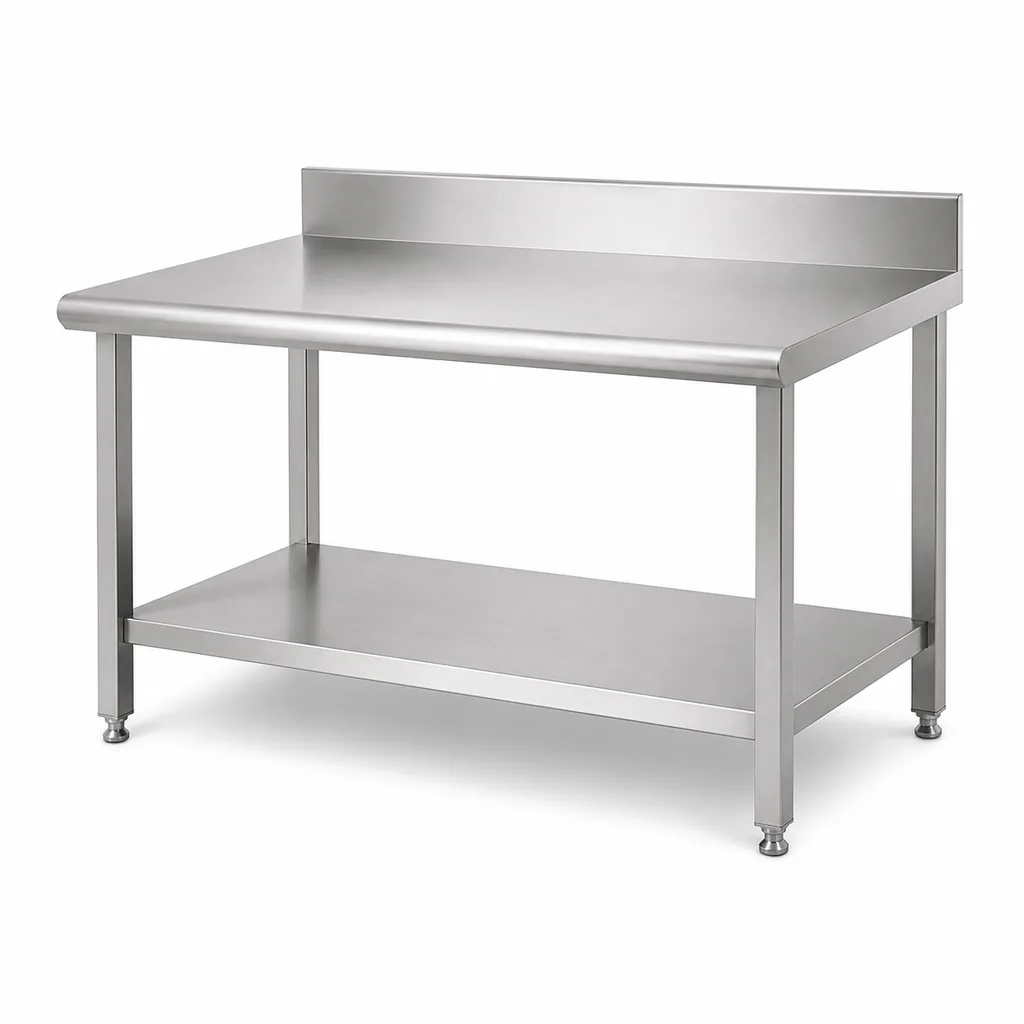
Sanitary 304 Worktables
NSF Standard 2 seamless coved stainless steel preparation tables engineered for rapid chemical sanitization.
View Sanitary Tables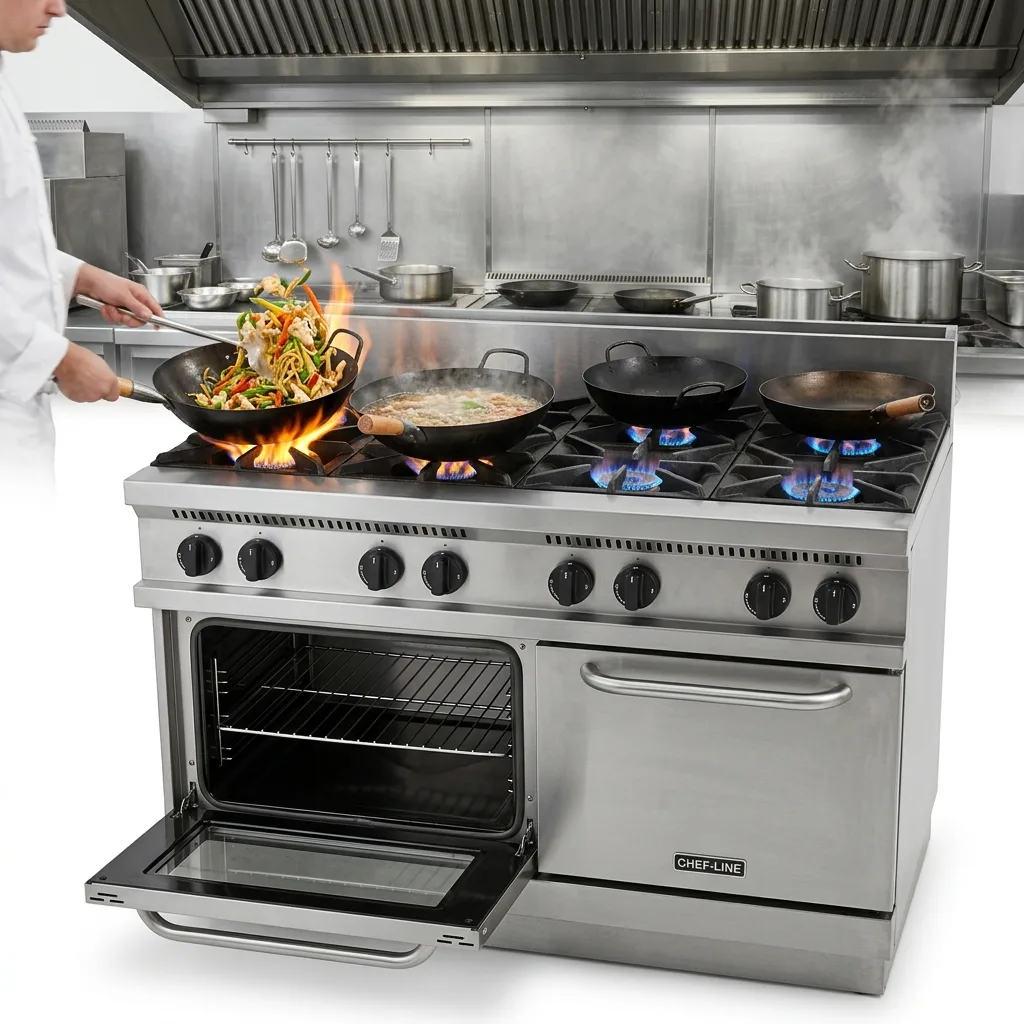
Commercial Gas Cooking Batteries
Heavy-duty commercial gas ranges designed with tool-free removable burners for deep soak tank cleaning.
View Commercial Ranges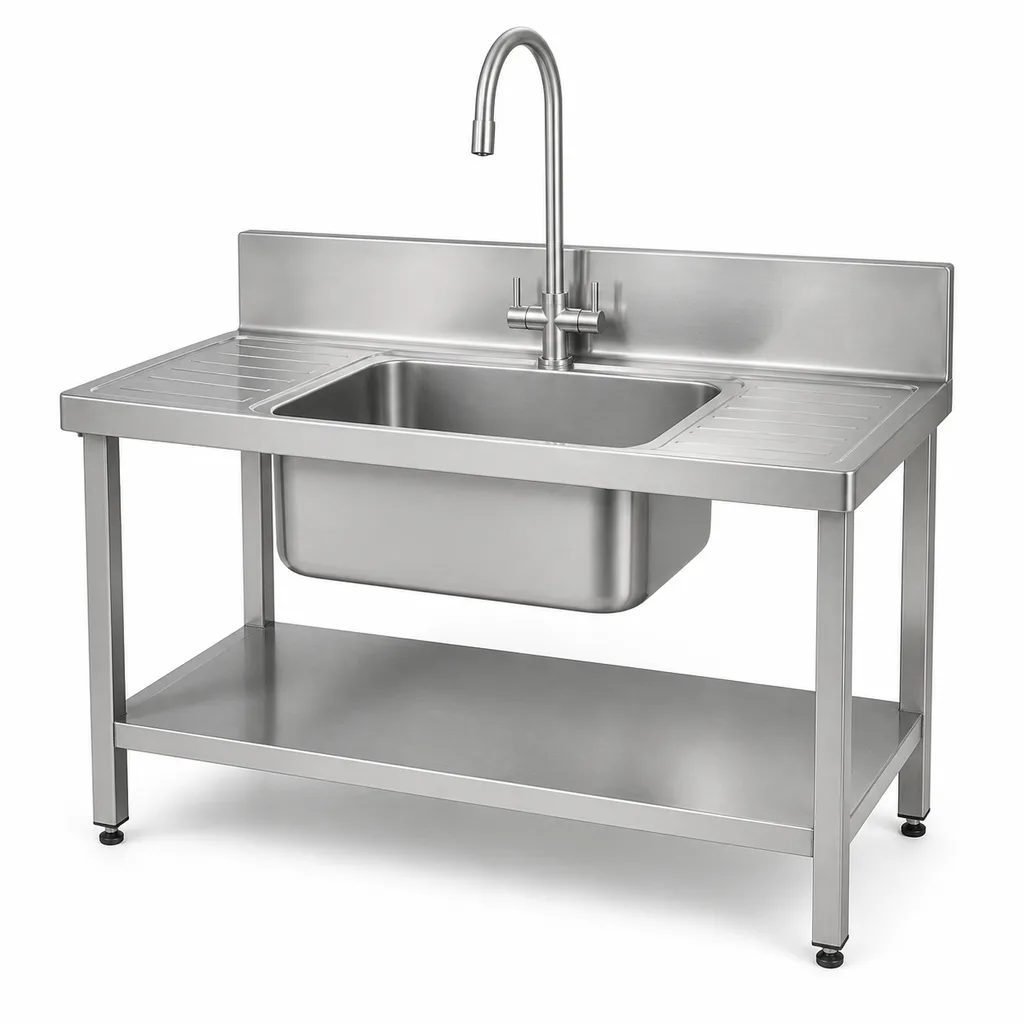
Multi-Compartment Sanitizing Sinks
Deep-drawn 3-compartment sink units engineered with coved corners and integrated chemical proportioners.
View Sanitizing SinksTurnkey Engineering Solutions & Applications
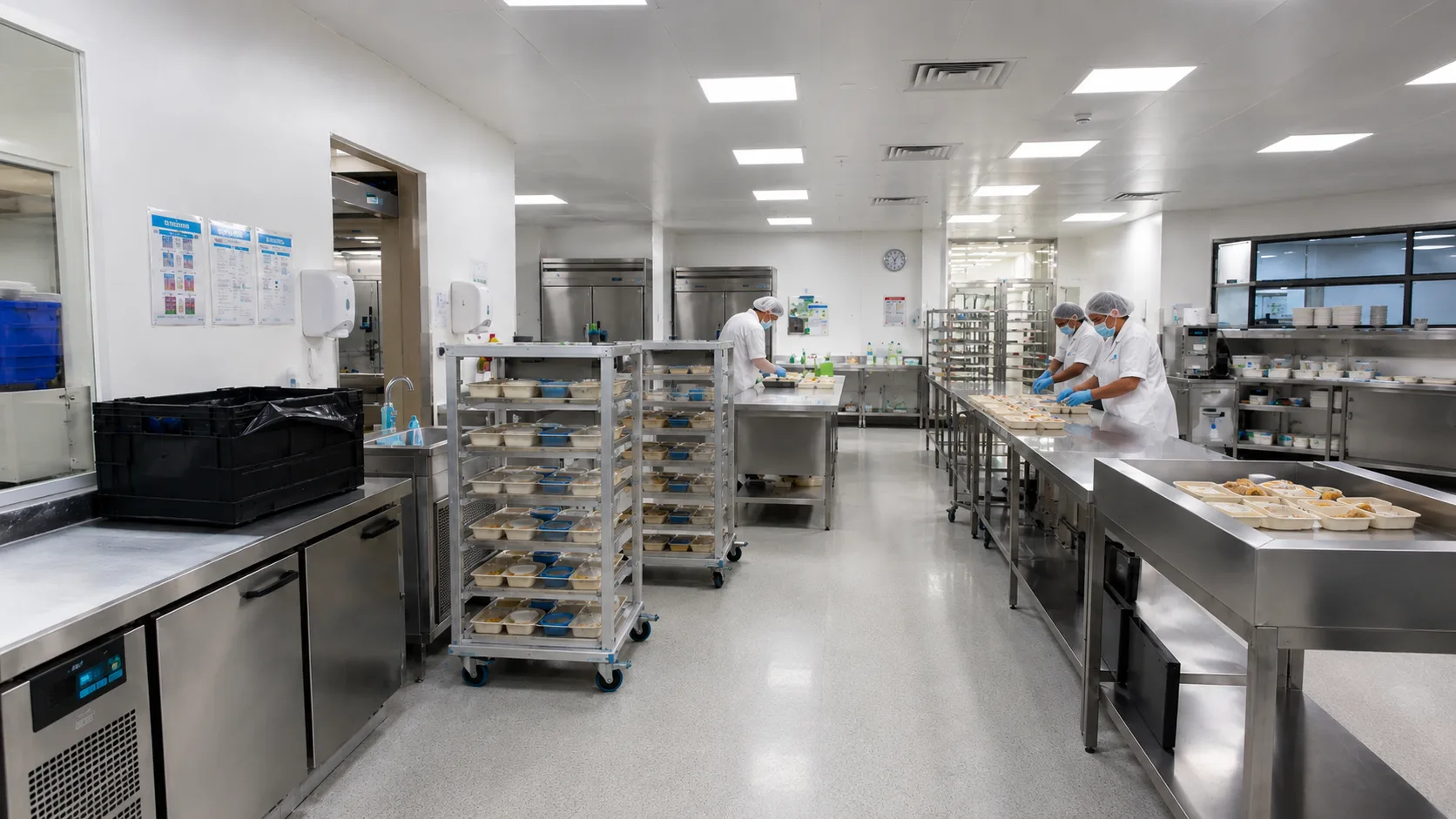
Hospital Dietary Hygiene Audits
HACCP-compliant sanitation suites engineered for zero microbial tolerance in medical healthcare kitchens.
Explore Hospital Solutions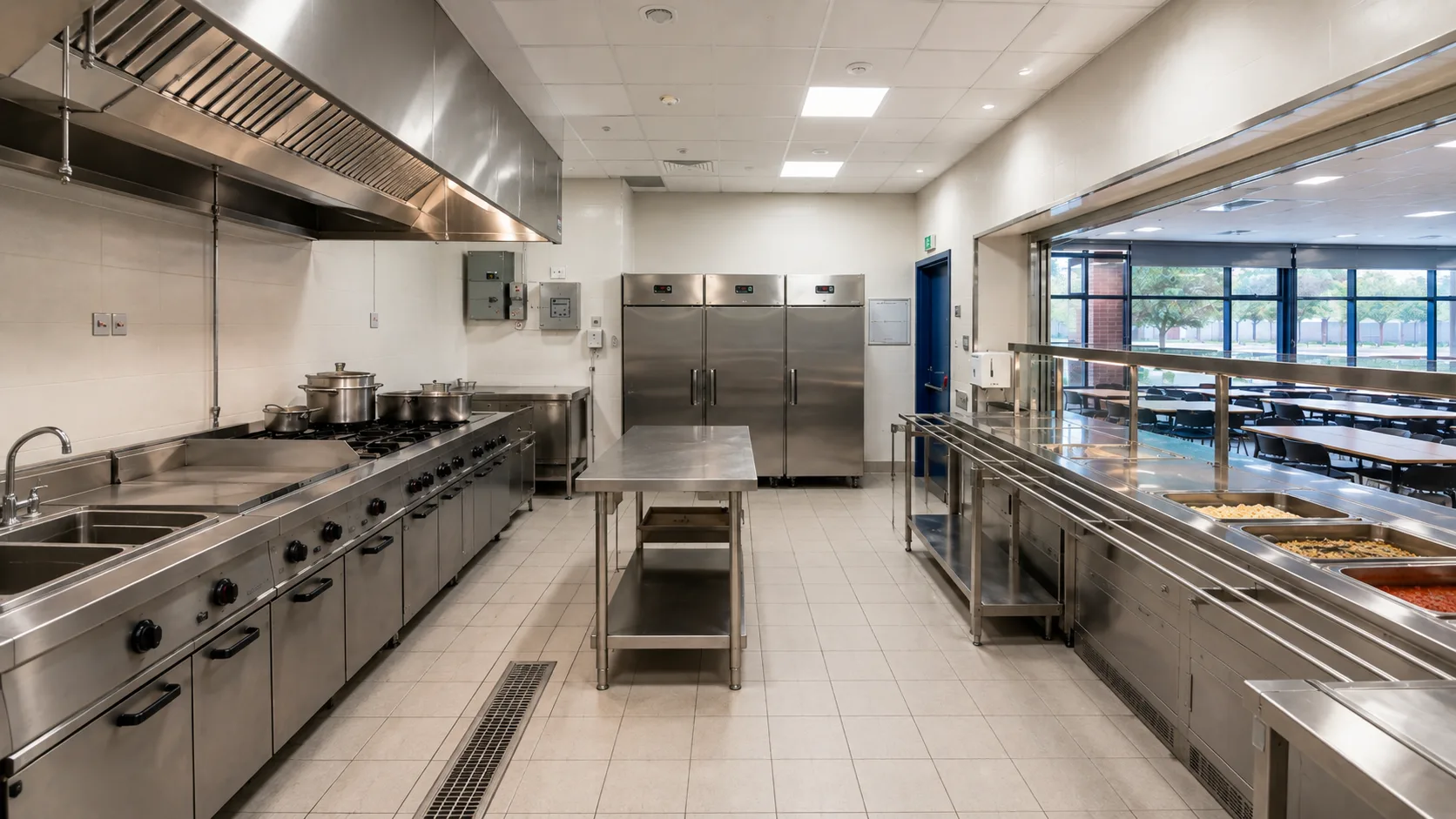
School Canteen Hygiene Programs
Scheduled deep cleaning and chemical sanitation programs tailored for high-volume school food safety.
Explore School Solutions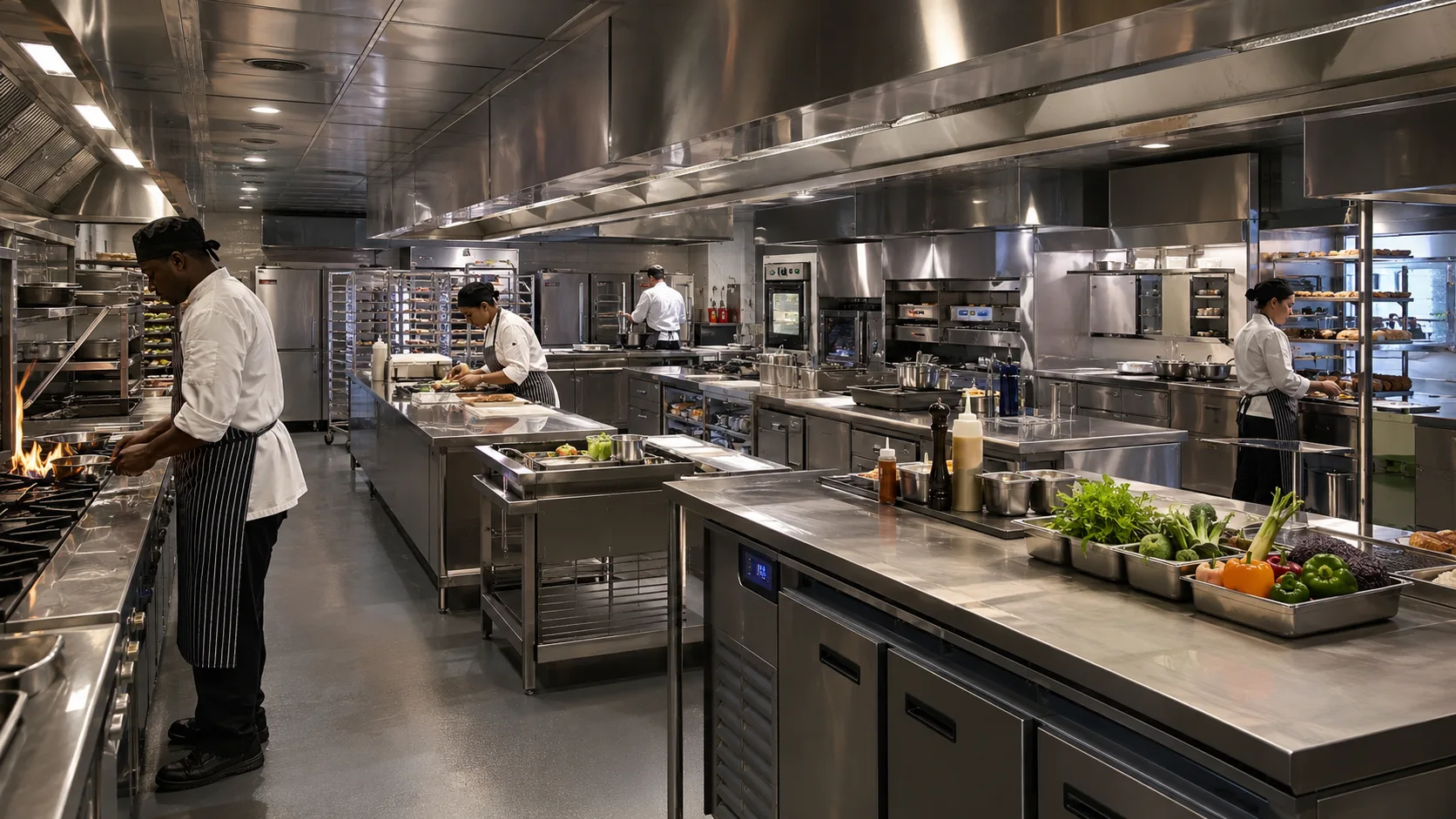
Hotel Banquet Deep Cleaning
Overnight stewarding and deep sanitization engineering supporting continuous multi-outlet hotel resorts.
Explore Hotel Solutions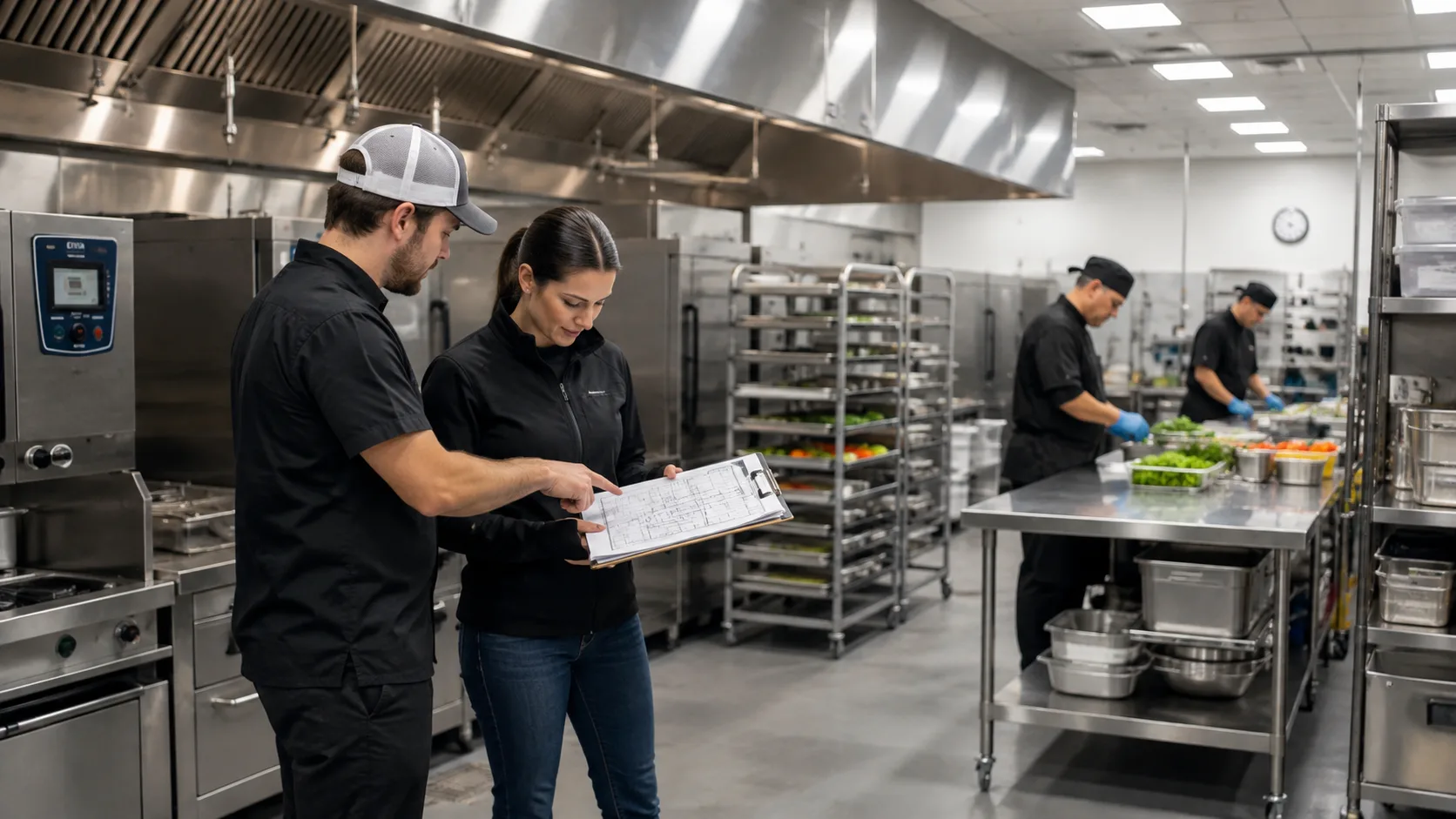
Central Kitchen CIP Sanitation
Clean-In-Place (CIP) automated chemical cleaning and sanitization systems for large-scale food factories.
Explore Central KitchenFrequently Asked Questions
What is the difference between cleaning and sanitizing in a commercial kitchen?
Cleaning removes visible organic food soils, grease, and dirt using detergents and mechanical scrubbing. Sanitizing applies EPA-registered chemicals (chlorine, quat) or thermal heat (82°C+) to reduce pathogenic bacteria by 99.999% (5-log reduction) on clean surfaces.
Why is steel wool prohibited for cleaning commercial stainless steel equipment?
Steel wool pads break off microscopic carbon steel particles that embed into the stainless steel surface. These iron particles rust immediately when exposed to moisture, causing rust streaks and destroying the metal's protective chromium oxide passive layer.
How often should a commercial deep fryer undergo a boil-out?
High-volume fryers should undergo a boil-out every time the cooking oil is replaced (typically once every 7 to 14 days), removing carbonized sludge and polymerized oil that degrade fresh oil flavor and smoke points.
What is an ATP hygiene audit in commercial foodservice?
An ATP audit uses enzymatic bioluminescent swabs to measure Adenosine Triphosphate (the energy molecule present in all living cells and food residues). The swab meter displays Relative Light Units (RLU); readings below 30 RLU verify true microbiological cleanliness.
Can caustic degreasers be used on commercial aluminum range hoods?
No. Heavy caustic degreasers containing sodium or potassium hydroxide chemically react with aluminum, causing severe corrosion, black pitting, and releasing combustible hydrogen gas. Only use specialized pH-neutral or buffered aluminum-safe degreasers on aluminum components.
Plan the Equipment Around Your Kitchen.
Share your menu, peak service demand, available space and site utilities. Tell us which equipment you are considering so we can review the requirements with you.