Food Truck Kitchen Equipment
A food truck kitchen is limited by generator power, fresh water volume and axle weight, not by menu ambition. See the equipment mix and utility budget that fit.
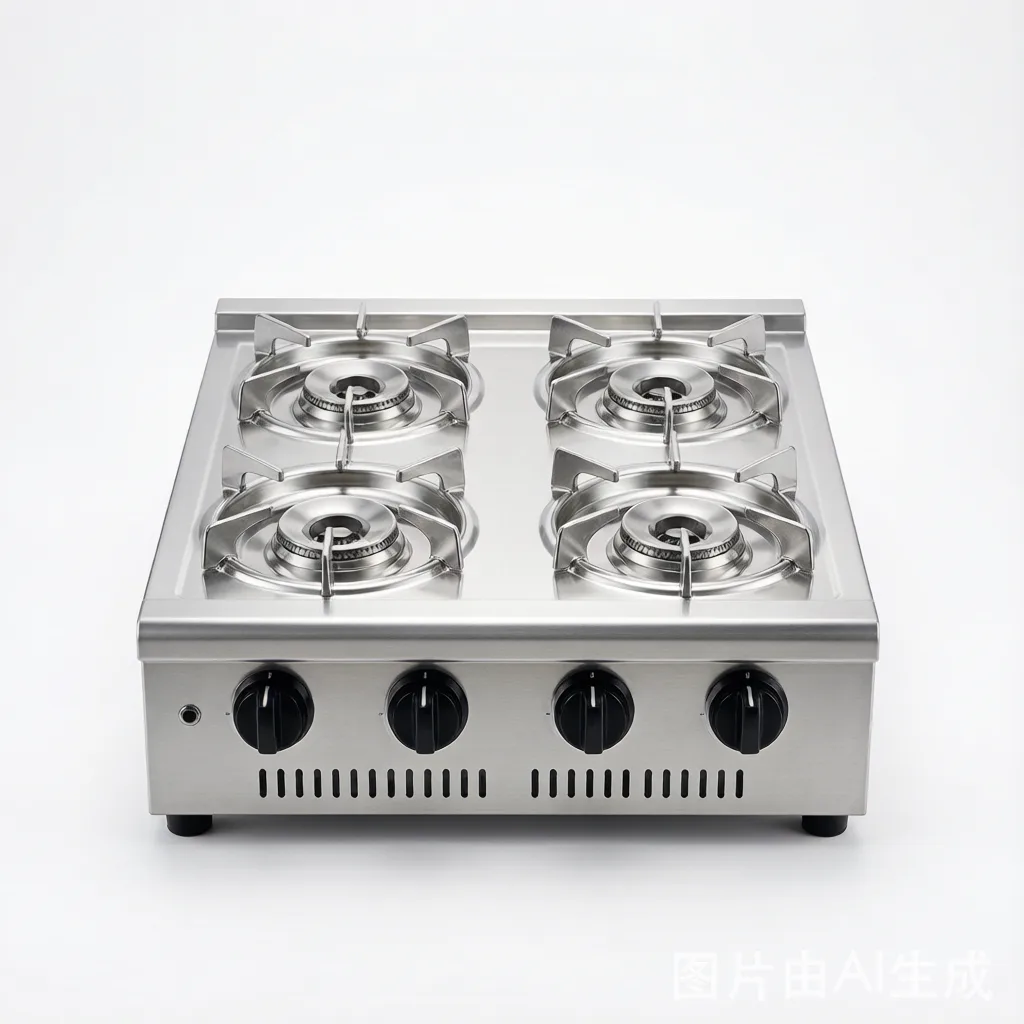
A food truck carries its own kitchen, its own power, and its own water. Nothing is bolted to a building, so every appliance competes for the same generator, the same fresh-water tank, and the same axle weight allowance. This page sets out a complete mobile kitchen solution, from commissary prep and cold storage through cooking, service, and grey-water handling, and shows where engineering decides what the menu can be.
Key takeaway: Size the generator and the water tank first. Menu items that call for two high-draw appliances at the same time are what push a build onto a larger chassis.
Solution Overview
The solution covers a self-contained service kitchen on a vehicle: cold storage and cold assembly, a short-order cooking line, a serving counter, ware washing, and onboard fresh and grey water. Automation is deliberately minimal, because every motor and heater has to be carried and fuelled by the truck itself. The boundary starts at the commissary base where prep and restocking happen, and ends at the service window. Because chassis size, axle rating, and local vending rules differ per operator, cooking envelope and equipment counts are engineered for each build.
Applicable Scenarios and Service Recipients
This applies to food trucks, trailers, mobile catering units, and event kitchens that trade away from a fixed building. Recipients are walk-up customers at markets, festivals, and street pitches, plus booked private events. The boundary is short-order service with a compact menu; multi-course cooking and large batch production stay at the commissary. Raw inputs are prepped components, frozen items, and dry goods loaded at the base. Final outputs are hot short-order dishes, sides, and cold drinks. Packaging is single-service and is carried on board.
Typical Workflow or Equipment Zones
The truck runs one direction from storage at the back to the service window at the front:
- Commissary prep and loading
- Onboard cold storage and cold assembly
- Short-order cooking on the griddle and fryer
- Holding and order assembly
- Service window handoff
- Ware washing and grey-water collection
Main Equipment
| Stage | Equipment | Function | Standard / Optional |
|---|---|---|---|
| Storage | Undercounter refrigerator, 12 V or 230 V | Hold prep at temperature without extra generator load | Standard |
| Prep | Compact work table with hand-wash basin | Cold assembly and hand hygiene | Standard |
| Cooking | Flat-top griddle or chargrill | High-volume short-order cooking | Standard |
| Cooking | Single or twin-tank fryer | Fried items and sides | Optional |
| Cooking | Convection oven or combi steamer | Bake and regenerate | Optional |
| Holding | Heated holding cabinet or warming drawer | Buffer stock during peaks | Standard |
| Service | Serving counter with sneeze guard | Order pickup and payment | Standard |
| Beverage | Ice bin with drain and cold well | Cold drinks and toppings | Standard |
| Sanitation | Three-compartment sink or undercounter dishwasher | Ware washing to code | Standard |
| Utilities | LPG bottles in a vented locker | Cooking fuel and water heating | Standard |
Capacity and Automation
Capacity is set by the service window rather than the trading day: plan S serves inside P peak minutes. Two staff working a 90-minute lunch can hold roughly 60 to 120 covers when the menu is short-order and the griddle works about 1 m of surface. Generator headroom of 25 to 30 percent above connected load prevents nuisance tripping when the fryer and griddle cycle together. Fresh water is the second ceiling: at 3 to 5 litres per meal including hand washing and ware rinsing, a 100 litre tank supports roughly 20 to 30 meals before a refill. No fixed serves-per-hour figure is stated because menu mix and pitch length are confirmed during engineering.
Layout and Material Flow
Material flows one way from the rear door to the service window so that nothing crosses the cooking aisle. The aisle is held at about 0.9 m and the cooking line sits on one side only, which keeps the working triangle short in a body of 4 to 6 m. Weight is the layout driver: heavy items such as the fryer, generator, and water tank are placed over or between the axles, and gas bottles go in a vented locker outside the cooking envelope. Equipment is tied down against road vibration, drainage runs to a grey-water tank below the floor line, and a carbon monoxide alarm is fitted in the sleeping or staff area if one exists.
Utility Requirements
Calculated per build: generator output between roughly 6 and 15 kW depending on whether a combi oven or dishwasher is carried; a 12 V or 24 V circuit for lights, pumps, and controls; and shore power at 16 to 32 A single phase for commissary days. Cooking runs on LPG, usually two bottles with automatic changeover. Fresh water is carried at 40 to 120 litres depending on menu, with a grey-water tank at least the same size, and a 10 litre water heater serves hand washing. The hood needs a grease filter with make-up air at 80 to 90 percent of exhaust volume, and the build is weighed in running order before the operating licence is applied for.
Food Safety and Hygienic Design
Food-contact surfaces use 304 stainless steel with coved corners so crumbs and grease cannot collect in joints. Light fittings and sockets are sealed, splash protection guards the serving counter, and every surface is reachable for a close-down clean inside a narrow body. NSF and CE are the baseline, with local mobile-vending codes layered on top. Cold chain is logged from loading at the commissary, hot-held food is discarded at the end of the trading window, and waste oil is decanted into a sealed container rather than poured into the grey-water tank.
Quality Control Points
Control points: a generator load test with all peak appliances running at once, a gas leak test on every regulator and joint, refrigeration pull-down with a temperature log before service, a fresh-water tank sanitation certificate, and grey-water disposal records. Tie-downs and door catches are checked before each road move, and a short road test confirms that nothing shifts under braking.
Labor and Operating Considerations
Trading is staffed by two people in defined roles: one on the griddle and fryer, one on assembly and the window. Prep, portioning, and restocking happen at the commissary base before the truck moves, which is what keeps the onboard workspace small. Deliveries of fresh stock, gas, and water are arranged against the pitch schedule, and a spare-parts kit covering regulator, thermocouple, and door gaskets prevents a mid-trading failure from ending the day.
Customization and Project Engineering
Every build differs in chassis, axle rating, and jurisdiction, so engineering fixes the cooking envelope, equipment counts, and utility routing rather than the appliances themselves. Inputs include chassis make and gross vehicle weight rating, the full menu with cooking methods, expected peak serves, water and power available at the pitch, gas preference, and the mobile-vending code that applies. Where the chassis cannot carry a larger generator, menu items that depend on two high-draw appliances are reviewed before the layout is frozen.
Project Implementation Stages
Engagement follows: requirement confirmation, process design, preliminary equipment list, layout and utility calculation, technical clarification, manufacturing, factory acceptance test, delivery, installation, and commissioning with training. A road test and weight certificate are added before handover. Timelines are quoted only against an actual project schedule.
Information Needed for a Technical Proposal
Provide chassis make, model, and gross vehicle weight rating; the full menu with cooking methods; expected peak serves per service window; fresh water and power available at the pitch; gas preference; the operating jurisdiction and its vending code; and any body dimensions already fixed. Precise inputs produce an accurate equipment list, generator size, and budget.
Discuss the Project
A mobile kitchen is an engineering problem about weight, power, and water before it is a menu problem. If you are specifying a food truck, trailer, or event unit, send your chassis details, menu, and peak volume and we will size the cooking line and utilities to the vehicle you have. Contact our project team to start requirement confirmation.
Related Product Groups
Build a mobile kitchen from the same product groups, ordered by the utility each one draws:
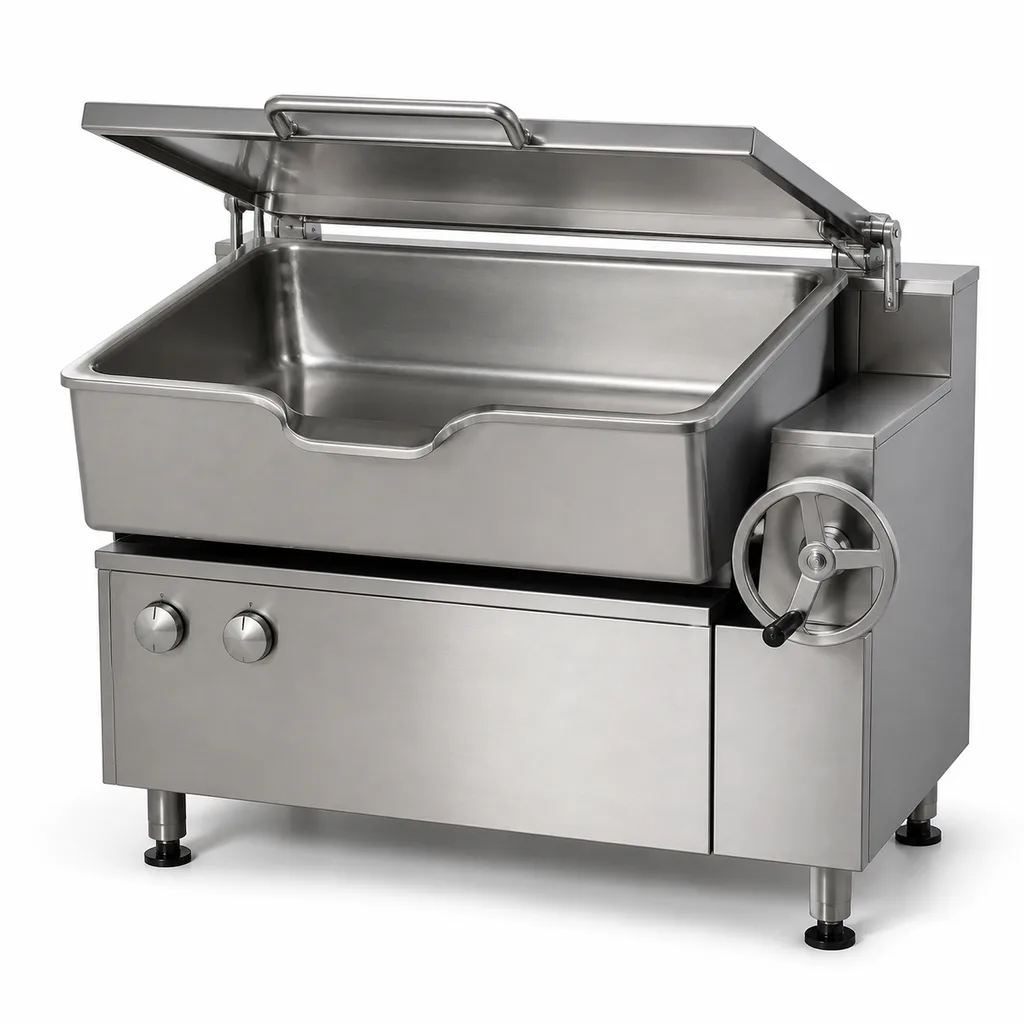
Griddles and Short-Order Cooking
Flat-top and braising units for high-volume short order.
View short-order cooking equipment →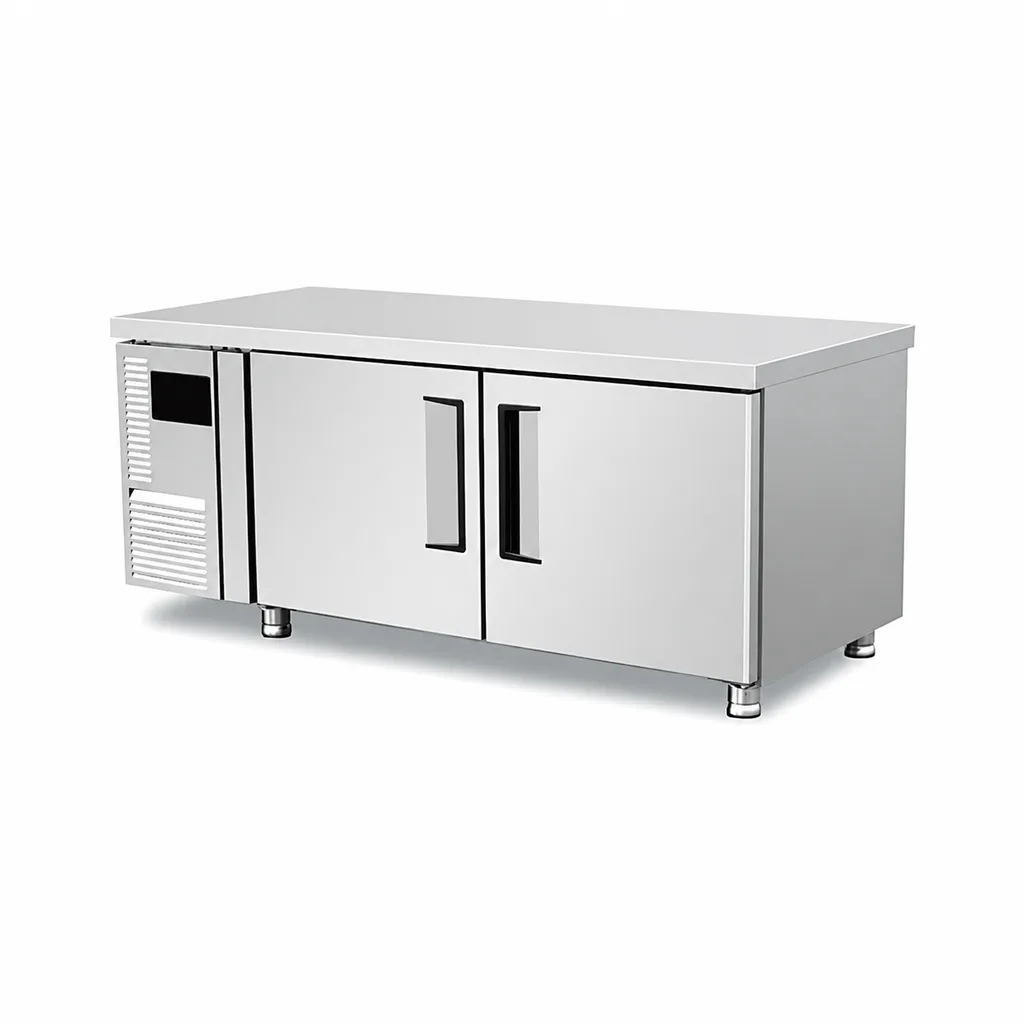
Compact Refrigeration
Low-draw units that hold prep on a 12 V or 230 V supply.
View compact refrigeration →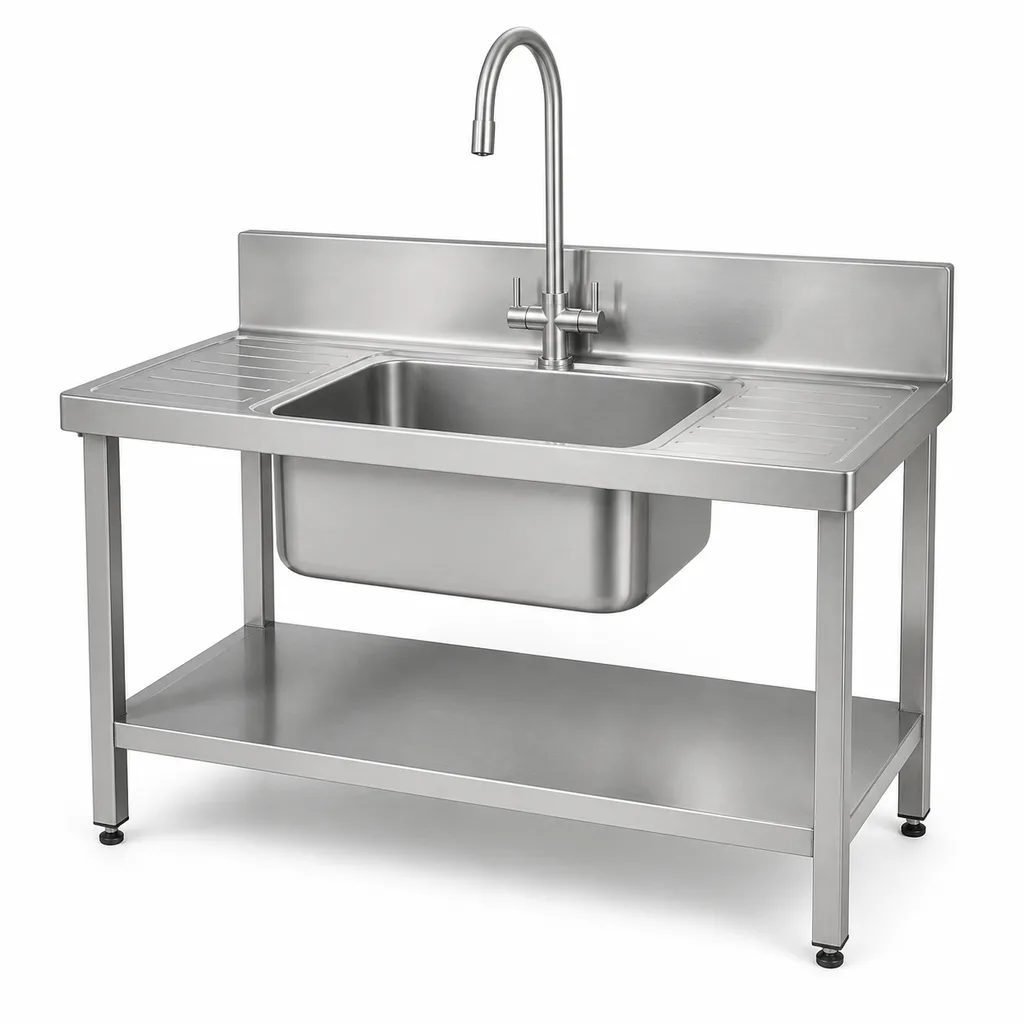
Sinks and Hand-Wash Basins
Compact basins that satisfy mobile vending codes.
View stainless steel equipment →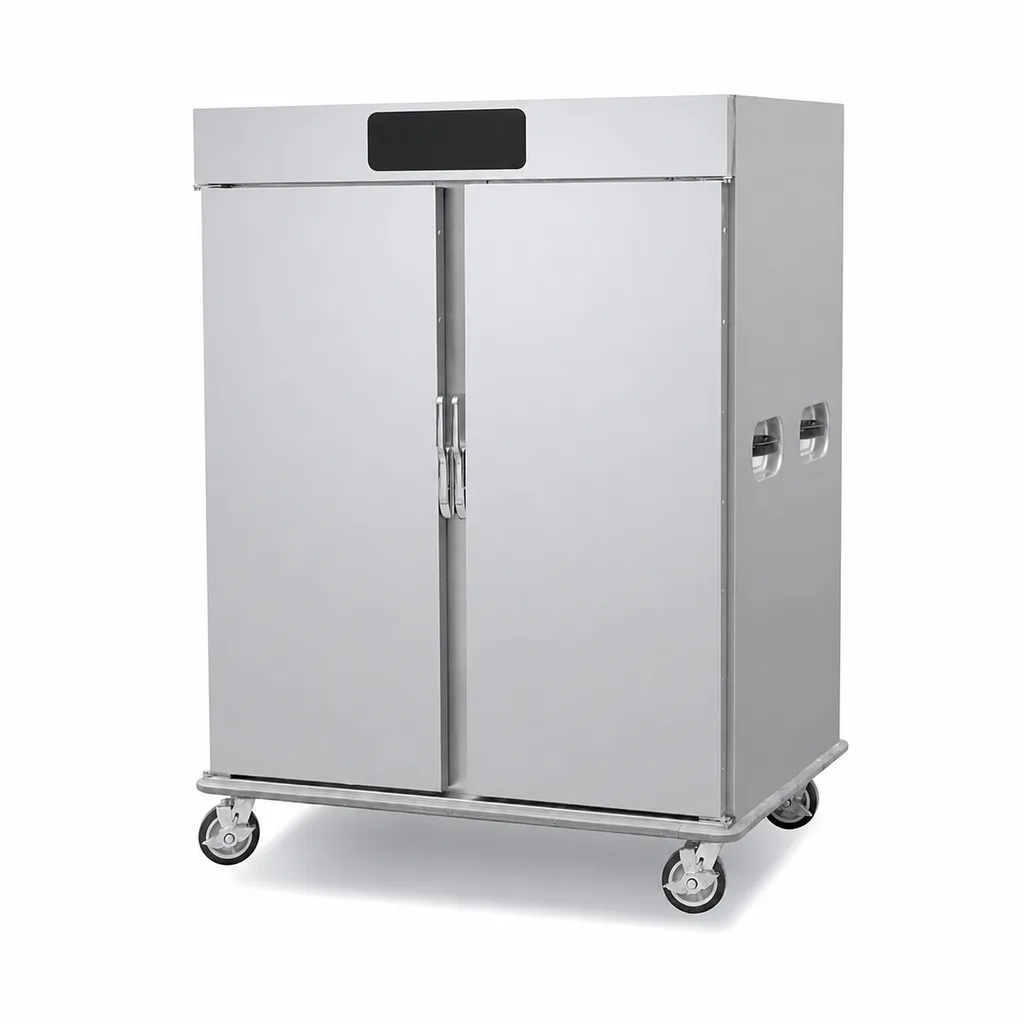
Mobile Holding
Cabinets that buffer stock through the service window.
View food holding equipment →Frequently Asked Questions
Can a food truck run on LPG alone without a generator?
Yes for a cooking-only menu. LPG covers the griddle, fryer and water heater, and a 12 V battery bank runs lights, pumps and the fridge, but any 230 V item such as a combi oven or dishwasher forces a generator or shore power.
How big a generator does a food truck need?
Add the connected load of everything that can run at once and allow 25-30% headroom. A griddle, fryer, fridge and lights typically land between 6 and 9 kW; adding a 3.5 kW combi oven pushes the requirement past 12 kW.
How much fresh water does a truck need?
Budget 3-5 litres per meal including hand washing and ware rinsing, so a 100 litre tank covers roughly 20-30 meals. The grey-water tank must be at least as large, and some jurisdictions require it to be larger.
What axle weight should I plan for?
Start from the chassis gross vehicle weight rating and keep the build, water, gas and stock inside it. Water adds 1 kg per litre, so a full 120 litre fresh tank plus grey water can add over 200 kg before equipment is counted.
Plan the Equipment Around Your Kitchen.
Share your menu, peak service demand, available space and site utilities. Tell us which equipment you are considering so we can review the requirements with you.