Direct Answer / Key Takeaway: Match an ice machine and bin to the busiest withdrawal period. Separate daily production, usable stored ice and site rating conditions before comparing quotes.
Two ice installations with the same daily production rating can behave differently during a rush. One runs out because its bin is too small; another holds enough ice but cannot recover before the next service. Specify the required production and usable storage as two related quantities, not one catalogue number.
Find where the ice goes
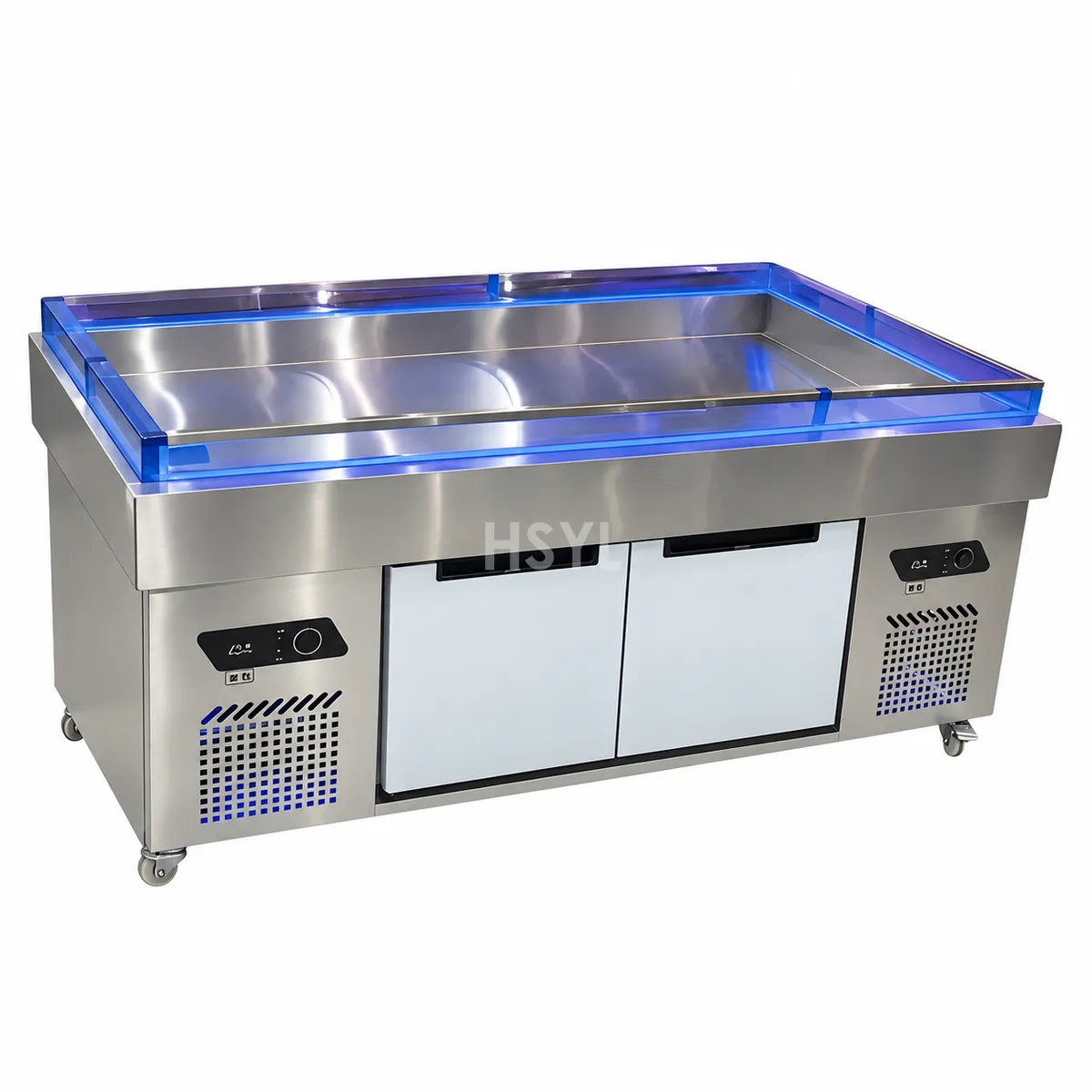
Make a demand sheet for drinks, food display and any other intended use. Record withdrawals in the same unit, preferably mass. A scoop count is only useful after the actual scoop and ice form have been weighed. Flake ice, cubes and other ice forms occupy space differently, so a beverage-cube assumption should not be applied to a seafood display.
Observe the busiest practical period as well as the daily total. Include planned bin cleaning, service interruptions and any transfer to remote stations. Separate ice that is consumed from ice lost during handling or left unusable at the end of the period. These entries are site observations rather than a universal allowance.
Use a simple balance for the peak period
For a defined rush, the available quantity is the usable ice already stored plus the ice actually made during that period. It must cover the expected withdrawals. Use production demonstrated under the relevant site conditions, not a daily rating divided by 24 without qualification.
As a deliberately simplified example, a 45-minute service draws 12 kg while the machine is expected to make 3 kg during those 45 minutes. At least 9 kg must therefore be available at the start merely to balance the stated draw. This example supplies no reserve and says nothing about a particular model. The operator should separately decide what contingency is justified by uncertainty, service criticality and the alternative ice supply.
Repeat the calculation for consecutive rushes. If the gap between them does not allow the bin to recover, increasing storage alone will postpone rather than remove the shortage. This is the distinction between peak capacity and daily demand.
Read the production conditions beside the rating
Ask for the selected model's production data at the expected ambient and incoming-water conditions, its installation clearances and its permitted utilities. Identify where warm condenser discharge will go if the machine is air-cooled. A rating produced under other conditions is not a site-specific output guarantee.
Check the proposed bin's usable storage, machine-to-bin compatibility and ice distribution. A bin's outside dimensions are not its storage mass, and all ice inside may not be equally convenient to retrieve. For an integral-bin machine, confirm whether the quoted capacity is storage, production or a combination of marketing figures.
Confirm access before choosing the final position
Staff need to remove ice without obstructing the service route and must be able to reach the areas identified for cleaning. Locate the scoop storage, water isolation and drain connection on the layout. Keep raw-food handling and splash-generating work away from the retrieval arrangement. The final hygiene and plumbing requirements must follow the applicable installation and operating instructions.
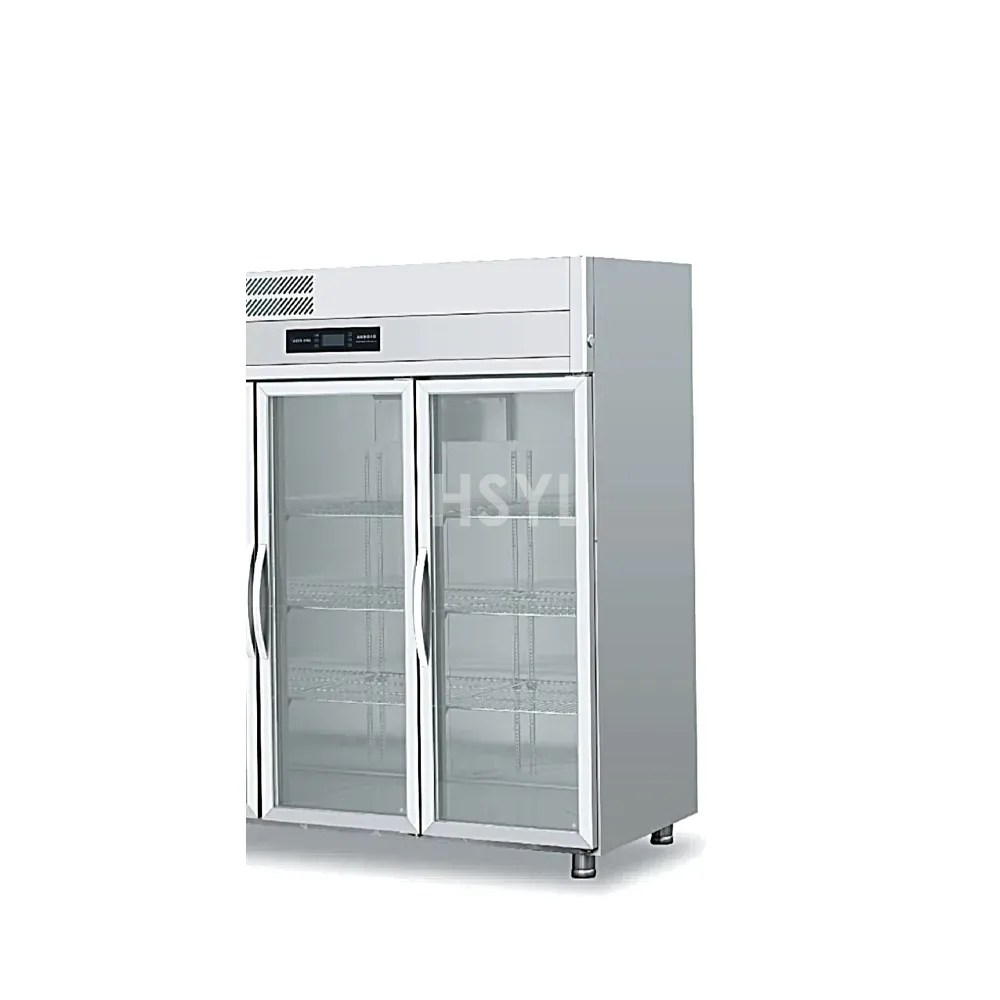
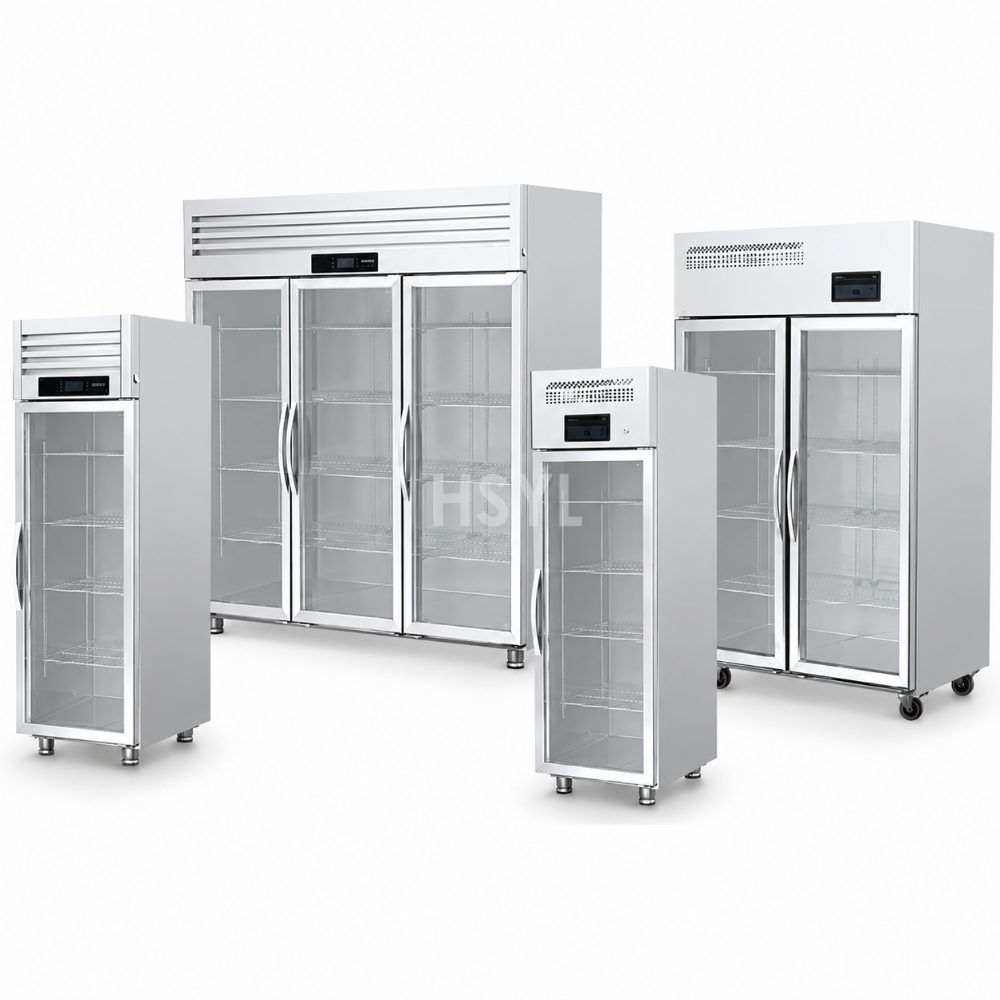
The surrounding cold-service equipment layout helps identify heat sources, service access and competing floor space.
Ask the supplier to close the calculation
Send the measured daily demand, the largest withdrawal window, the recovery time between peaks, the required ice form and the anticipated site conditions. Request a matched machine-and-bin proposal and ask the supplier to identify the production data used. Record remaining assumptions before ordering. This produces a selection based on demand and rating conditions rather than an isolated production number.