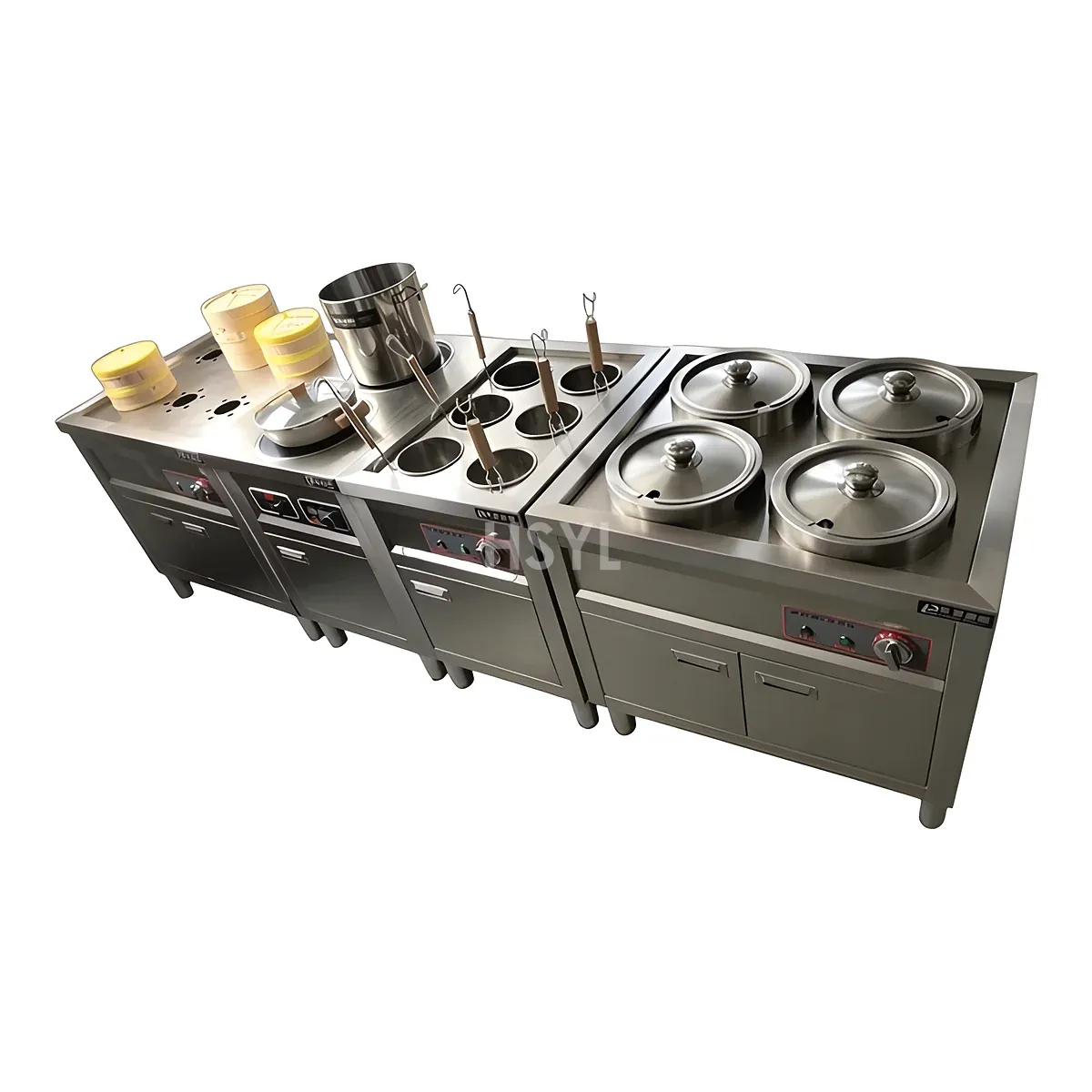
Direct Answer / Key Takeaway: Build a site-specific induction conversion budget that includes accepted cookware, electrical work, counter changes, operating measurements and the existing gas scope.
The price difference between a gas burner and an induction cooktop is only one part of a conversion decision. The existing electrical and gas installation, cookware and counter arrangement determine which additional work is needed. A useful budget lists those changes before applying an assumed running-cost saving.
Set a boundary around the station being changed
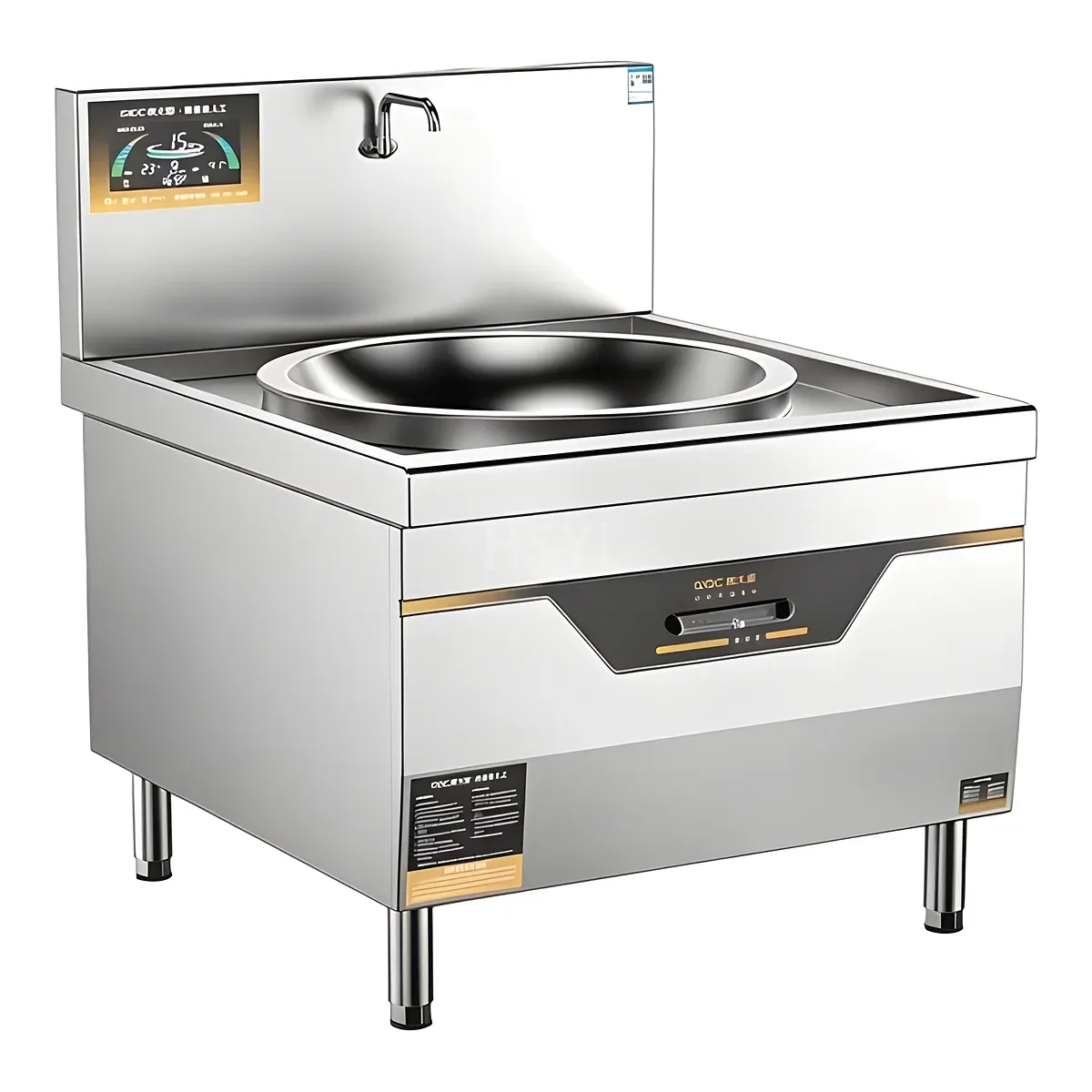
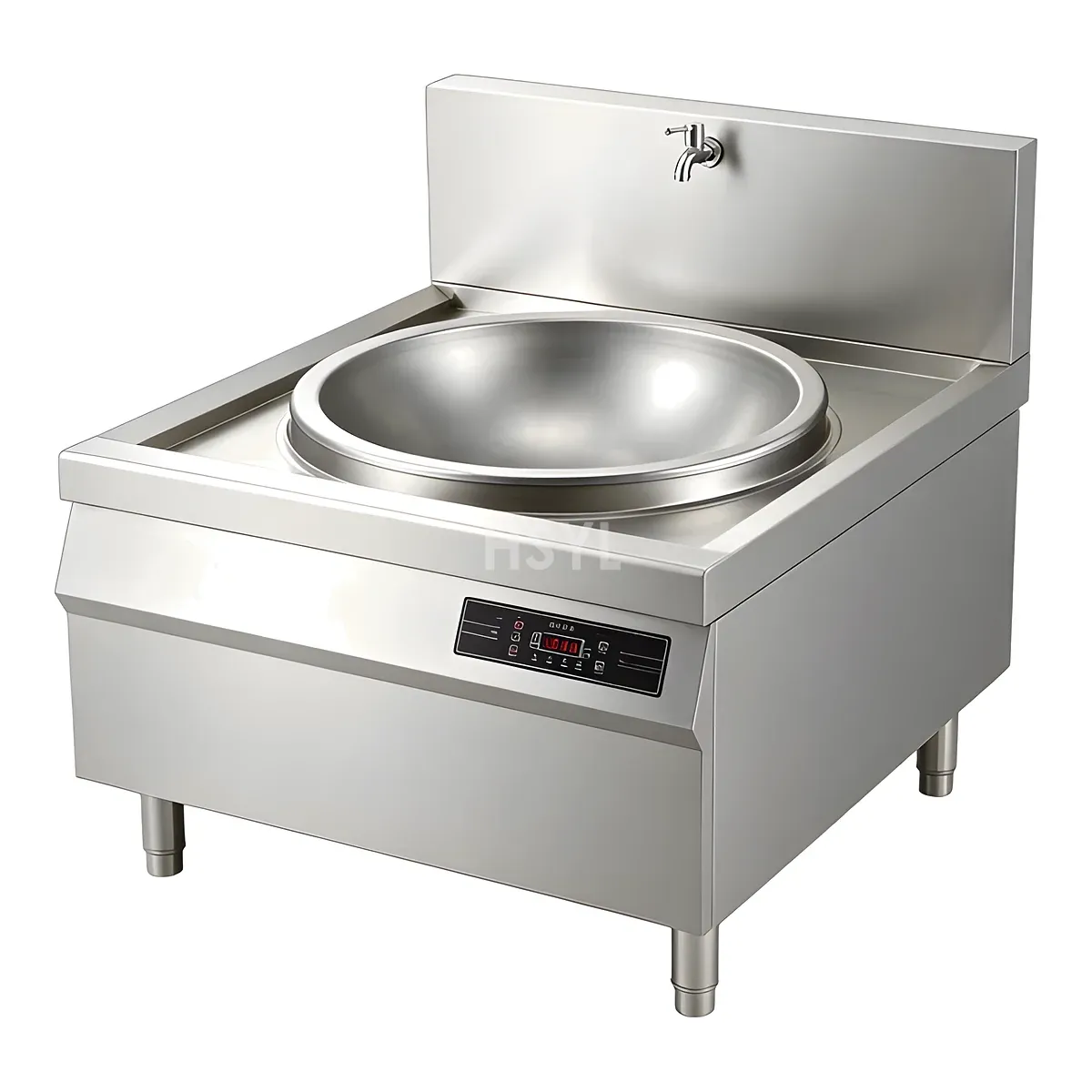
State which cooking tasks will move to induction and what will remain on gas or another appliance. Keep the service demand the same in the comparison. If the new station takes over only simmering while a gas appliance still performs other duties, assigning the whole gas bill to the conversion would overstate the opportunity.
List the existing pans and complete the compatibility review before comparing prices. The cost of replacing a few key vessels can matter, while cookware that has already passed the proposed unit's trial should not be counted as a new purchase without a reason.
Obtain the electrical scope for the exact unit
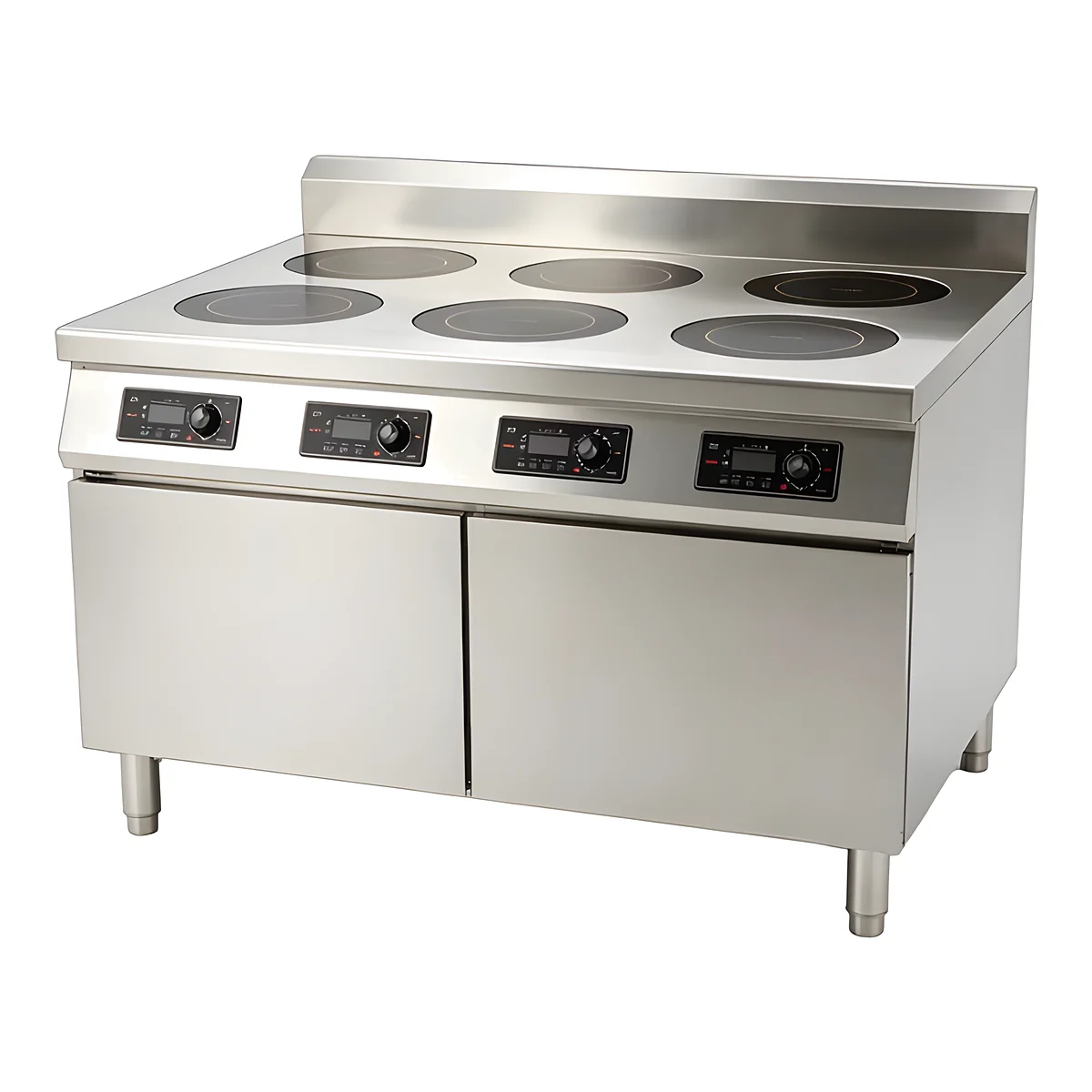
The PL01 and AL01 cooktop entries in the catalog are rated 3.5 kW / 220 V, but that does not establish that any existing socket is suitable. Give the delivered unit information and the proposed location to the responsible electrical professional. Ask for a quote covering the actual connection, isolation and any required upstream work.
Check whether several appliances are proposed and whether the building can support the intended operating arrangement. The added cost may belong to a shared distribution change rather than one cooktop. Record that scope so a later comparison does not charge the entire project upgrade to a single appliance or omit it altogether.
Identify what really changes on the gas side
If a gas appliance is removed, ask the qualified contractor to define the work required for the unused connection and any affected equipment. If gas remains elsewhere on the line, do not automatically count every supply or service charge as eliminated.
The ventilation arrangement must also be reviewed for the actual cooking task. Removing an open flame does not remove grease, smoke or moisture generated by food. Any proposed change to the hood or building services needs its own accepted design; an energy comparison should not assume that extraction can simply be switched off.
Use observations for the operating-cost line
Record the hours the station is energized, the cooking tasks, the quiet periods and the accepted output. Compare standby and loaded energy measurements under a representative schedule and apply the site's relevant tariff conditions. Rated input is not the same as daily consumption, and a single full-power boil test does not describe every service pattern.
Include cleaning, replacement consumables and any training or operating changes that affect the proposed station. These should be visible assumptions supported by the kitchen's own records or quotations, rather than standard percentages copied into every equipment comparison.
Present costs as separate decisions
A clear review distinguishes the appliance purchase, one-time installation changes and recurring operating items. Keep unpriced items marked for a quotation rather than inserting a convincing-looking estimate. Approve the conversion when the complete arrangement performs the agreed cooking work and its actual costs are understood.