Direct Answer / Key Takeaway: Build a fryer cleaning instruction around the supplied vat, permitted cleaning method, oil-removal parts and dry return-to-use checks; verify boil-out permission first.
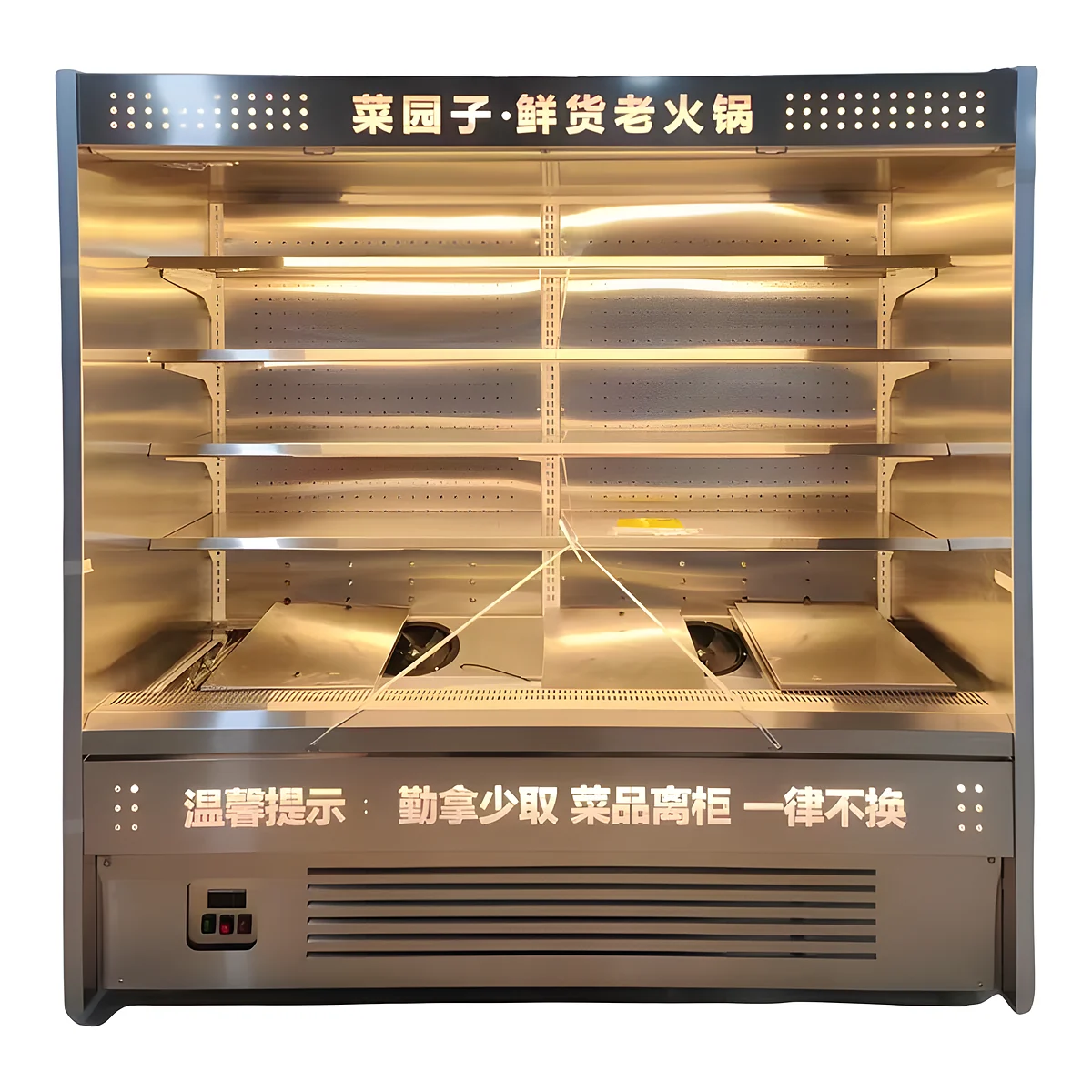
A fryer cleaning sheet must describe the appliance staff actually use. A generic instruction to boil out weekly can be wrong for the supplied construction, controls or accessories. Start with the manufacturer's cleaning instructions and turn them into a workable kitchen procedure, including the point at which the vat is ready for oil again.
Identify the cleaning route before choosing a chemical
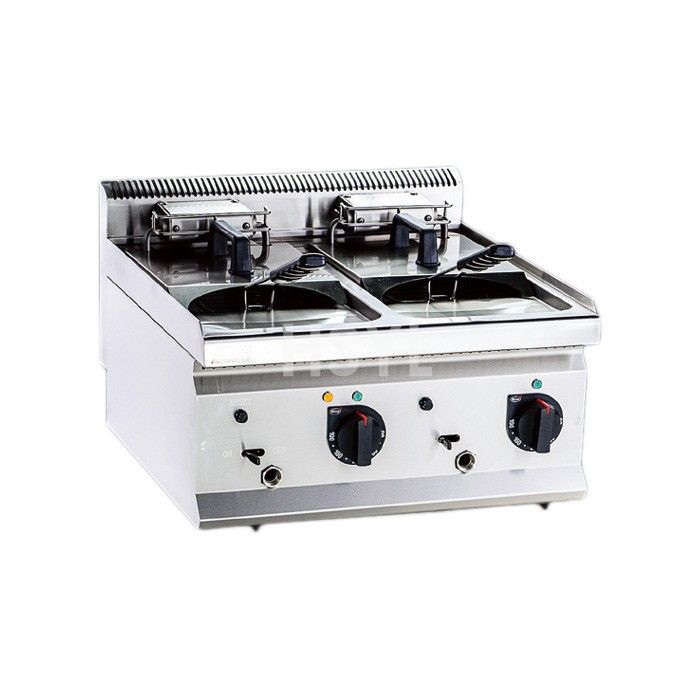
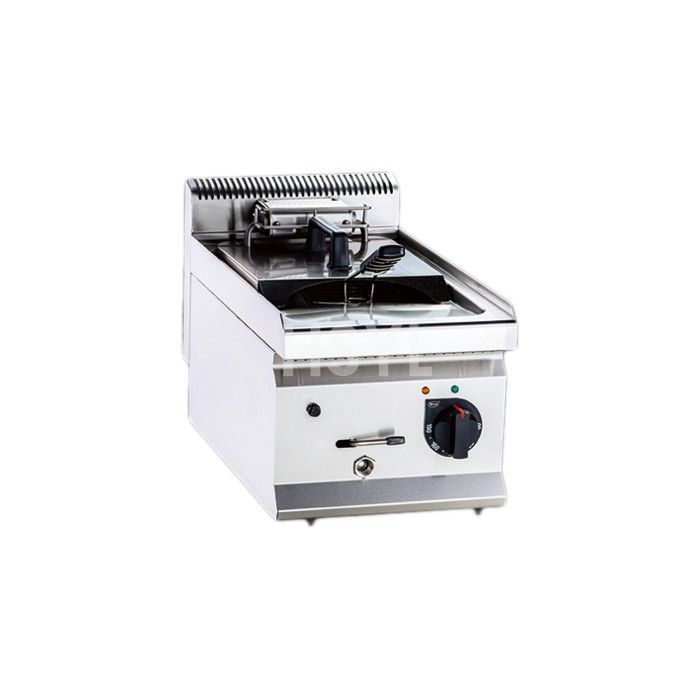
Confirm how the unit is shut down and made ready for cleaning, how oil is removed and which parts an operator may remove. The catalog separately identifies drain-equipped HDF variants and other countertop and floor configurations. Do not copy the valve sequence from a similar-looking fryer or assume an automatic filter is present.
State where removed baskets and parts are cleaned and how the receiving equipment is kept separate from food preparation. The fryer cleaning method should follow this real route, including the surrounding work area.
Establish whether boil-out is permitted
Ask the supplier to identify the approved cleaning method for the delivered vat. Where a boil-out process is permitted, obtain the specified cleaner, operating conditions and sequence from the current instructions. Do not infer that a normal cooking control can be used for water cleaning, or borrow a temperature and duration from another appliance.
Check the chemical product's directions and its compatibility with the fryer materials and components. Include the required protective equipment and any rinse or disposal steps in the accepted procedure. Do not add a vinegar neutralization step or mix cleaning products unless the approved instructions expressly require the particular process.
Make inaccessible residue an escalation point
Identify the surfaces and removable parts that staff must inspect after cleaning. If deposits remain where the permitted tools cannot reach, stop improvising and ask the supplier how that area is serviced. A sharp tool that removes residue can also damage a component; apparent cleaning speed is not enough to approve it.
Keep gas adjustments, electrical tests and safety-control checks out of the operator cleaning sheet. If a fault, leak or damaged part is found, route it through the appliance's service process. The cleaning task should not become an instruction to bypass a control or reset an unexplained trip.
Define release back to frying
The procedure must include the manufacturer's checks for rinsing, drying, correct reassembly and valve positions before oil is introduced and heating resumes. Give one responsible person the release decision. Include baskets, drain fittings and any cleaning accessories in the final check so that nothing is left in an unintended position.
Train staff on the complete sequence at the installed appliance, with the approved cleaning tools available. Revise the sheet when the model, chemical or accessory changes. A completed cleaning log is useful only when it refers to the accepted method for that equipment.