Direct Answer / Key Takeaway: Compare actual fuel use and measured electricity over the same buffet service, then include compatible vessels, installation, handling and storage in the buying decision.
Compare buffet heating methods over the same complete event: setup, any required preheating, guest service and the permitted close-down sequence. A fuel-can price and an induction appliance's maximum wattage do not describe equivalent operating costs.
Keep the displayed food equivalent
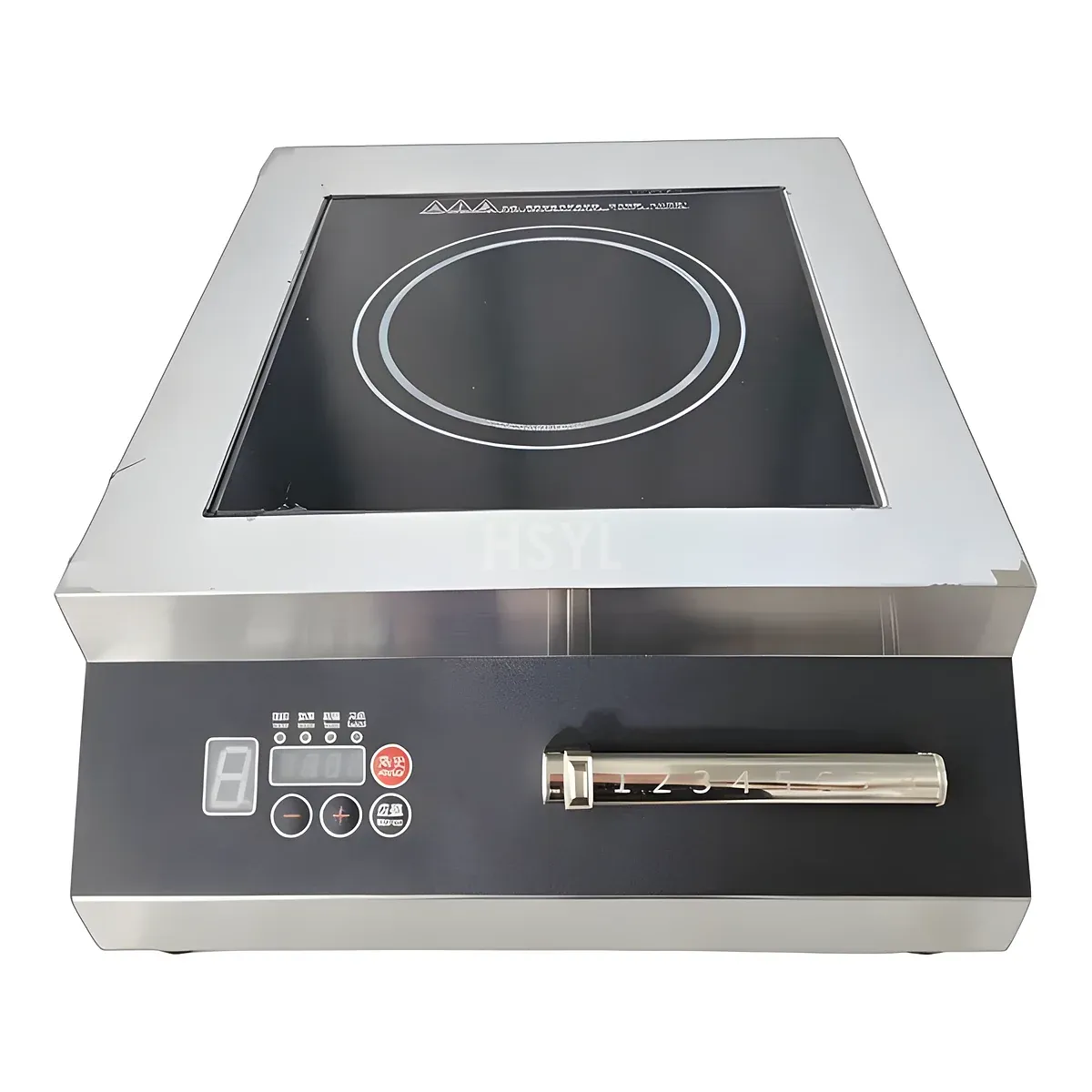
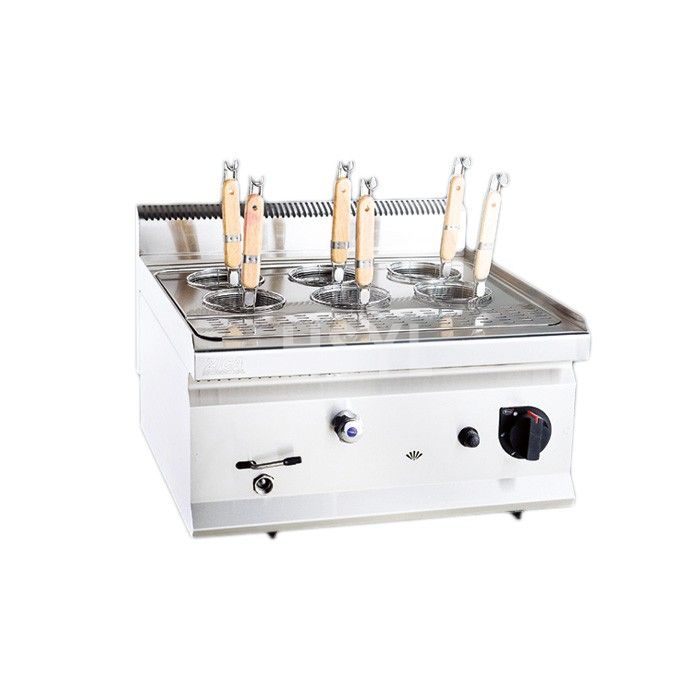
Use the same live dishes, food-pan formats, fill levels and lid routine. Confirm that each proposed heating arrangement is approved for the actual vessels. The catalog lists induction, electric plate and chafing fuel among ZC201 heat-source options, but that does not mean every base or chafer can be converted without the specified components.
Both arrangements must meet the kitchen's accepted holding and quality controls. A cheaper session that fails those controls is not a valid alternative. Keep the demonstrated chafer and heat-source combination identifiable in the quotation.
Use counted fuel and measured electricity
Count the fuel actually consumed for the agreed service boundary, including replacements. For induction, measure the complete approved arrangement over that same boundary using suitable equipment and qualified assistance where needed. Include warm-up and idle periods rather than multiplying the maximum rating by guest-service hours and calling it a measurement.
A hypothetical three-position service consumes six fuel units at $1.20 each, giving $7.20 in fuel. Suppose the alternative's measured combined electricity is 1.8 kWh and the illustrative rate is $0.25/kWh: the energy charge is $0.45. The $6.75 difference compares only those assumed consumables. These are invented example inputs, not current prices, equipment consumption claims or a project saving.
Add costs outside the energy line
List compatible vessels and bases, electrical work, any counter changes and the equipment needed for the selected arrangement. Establish the staff handling and storage process for the actual fuel or electrical setup. Include cleaning and permitted maintenance rather than assuming one method removes all operator work.
Use the site's applicable electricity charging structure if a wider cost estimate is required. Separate measured appliance energy from installation costs and any building charges that need professional interpretation. The standby and loaded-energy review helps keep the measurement boundary explicit.
Check a second type of event
A short breakfast and a longer banquet can use the same appliances differently. Repeat the comparison for the event patterns that matter, including any position left unused or kept ready. Do not project one session's result across the year without the actual number and type of services.
Choose from the complete accepted arrangements and document the costs that remain estimates. This gives procurement a service-based comparison without a universal fuel-saving percentage, invented payback period or assumption that low energy cost settles the whole purchase.