Direct Answer / Key Takeaway: Map the boiling tank and chilling sink separately, including actual filling, discharge, basket transfer and cleaning, before treating a noodle combo station as one plumbing point.
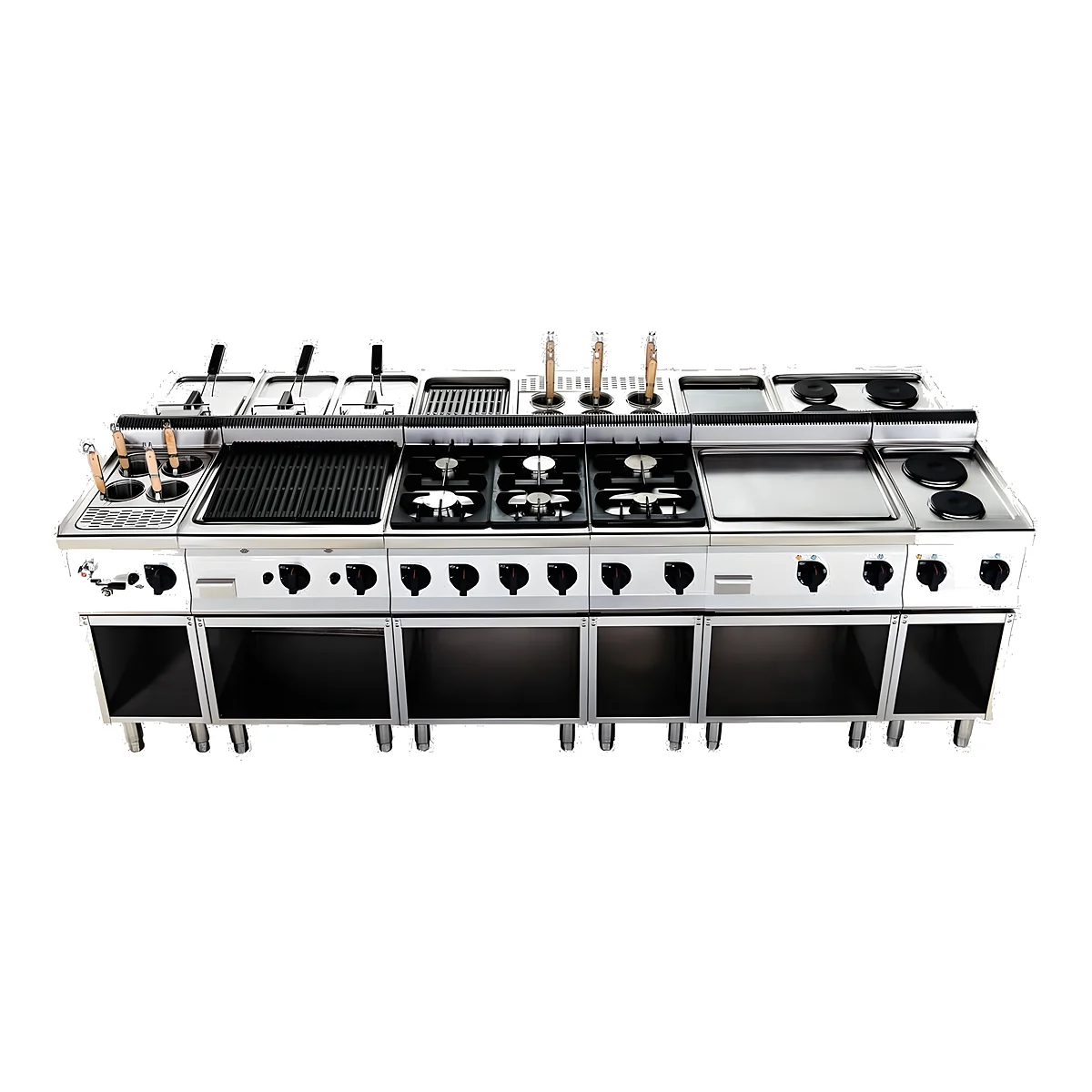
A noodle station that combines boiling and a cold-water sink has two water workflows. A single note saying provide water and drain misses how each side is filled, used, emptied and cleaned, and how noodles move between them.
Identify the offered modules
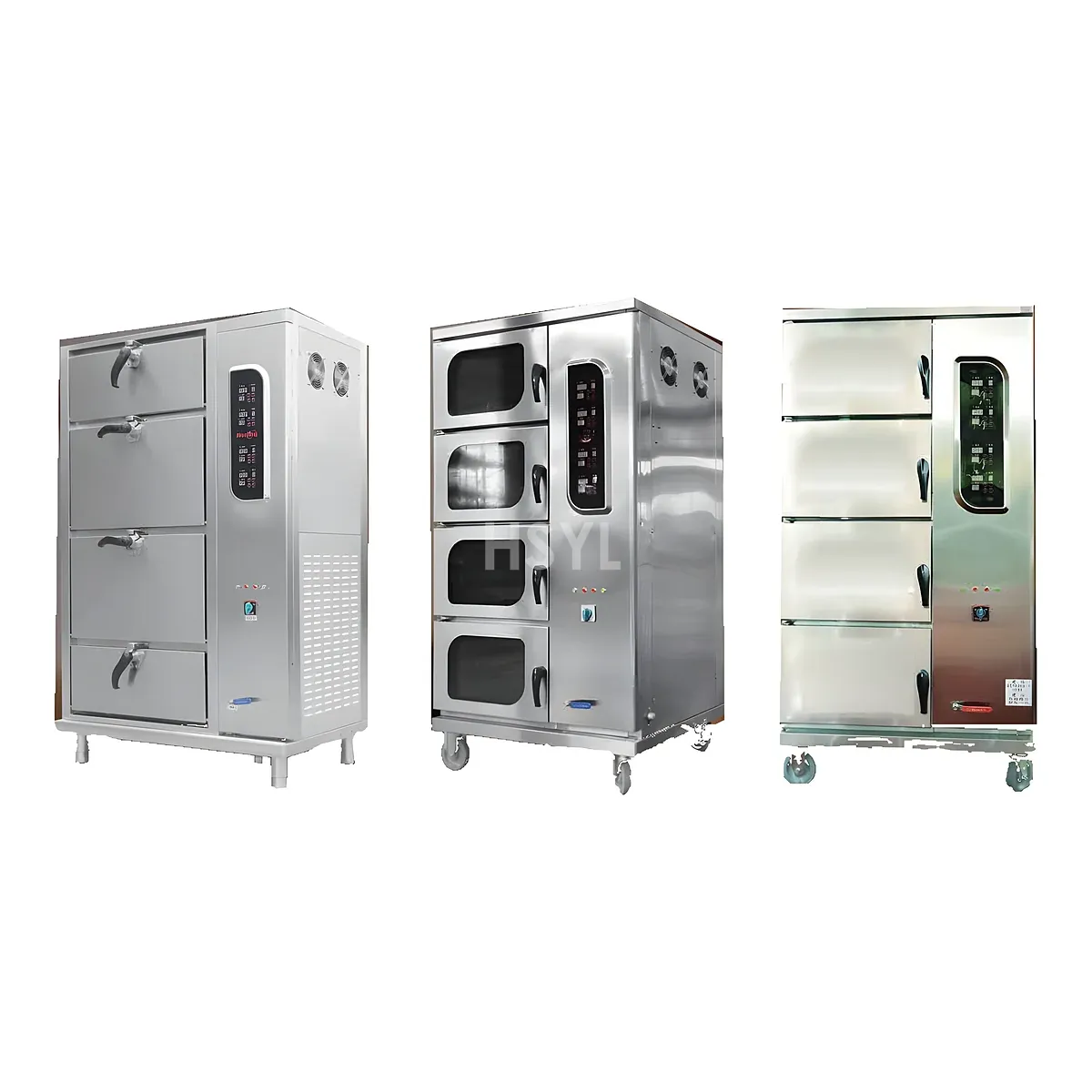
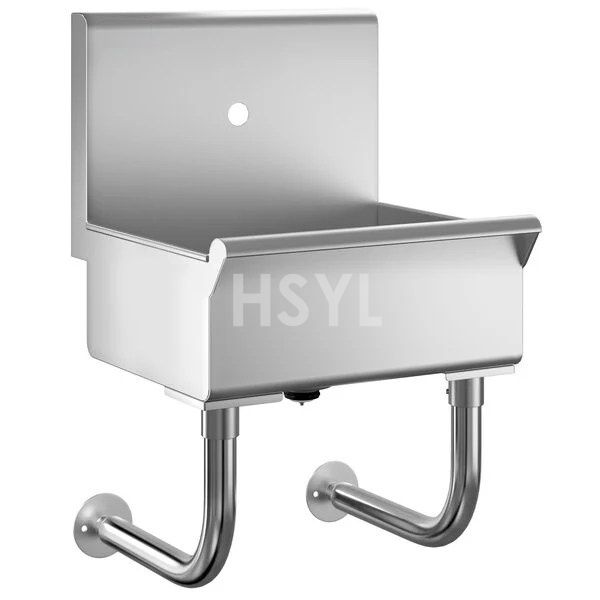
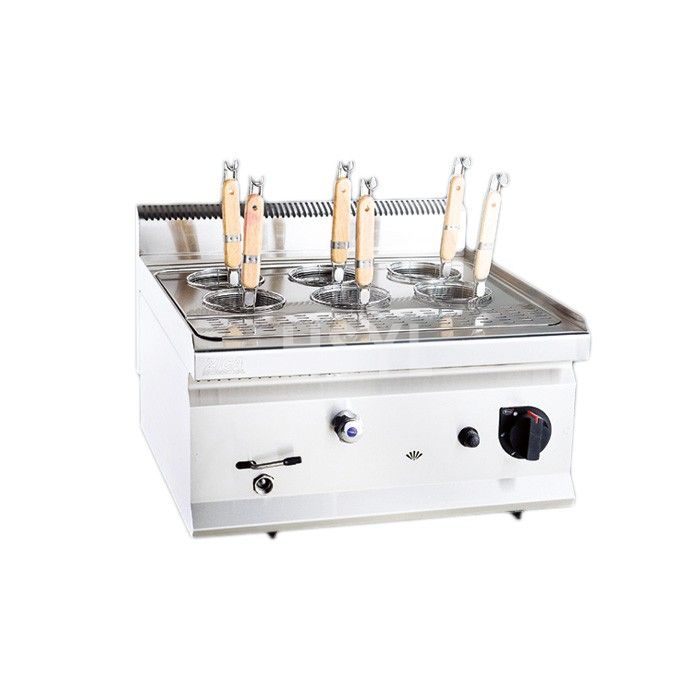
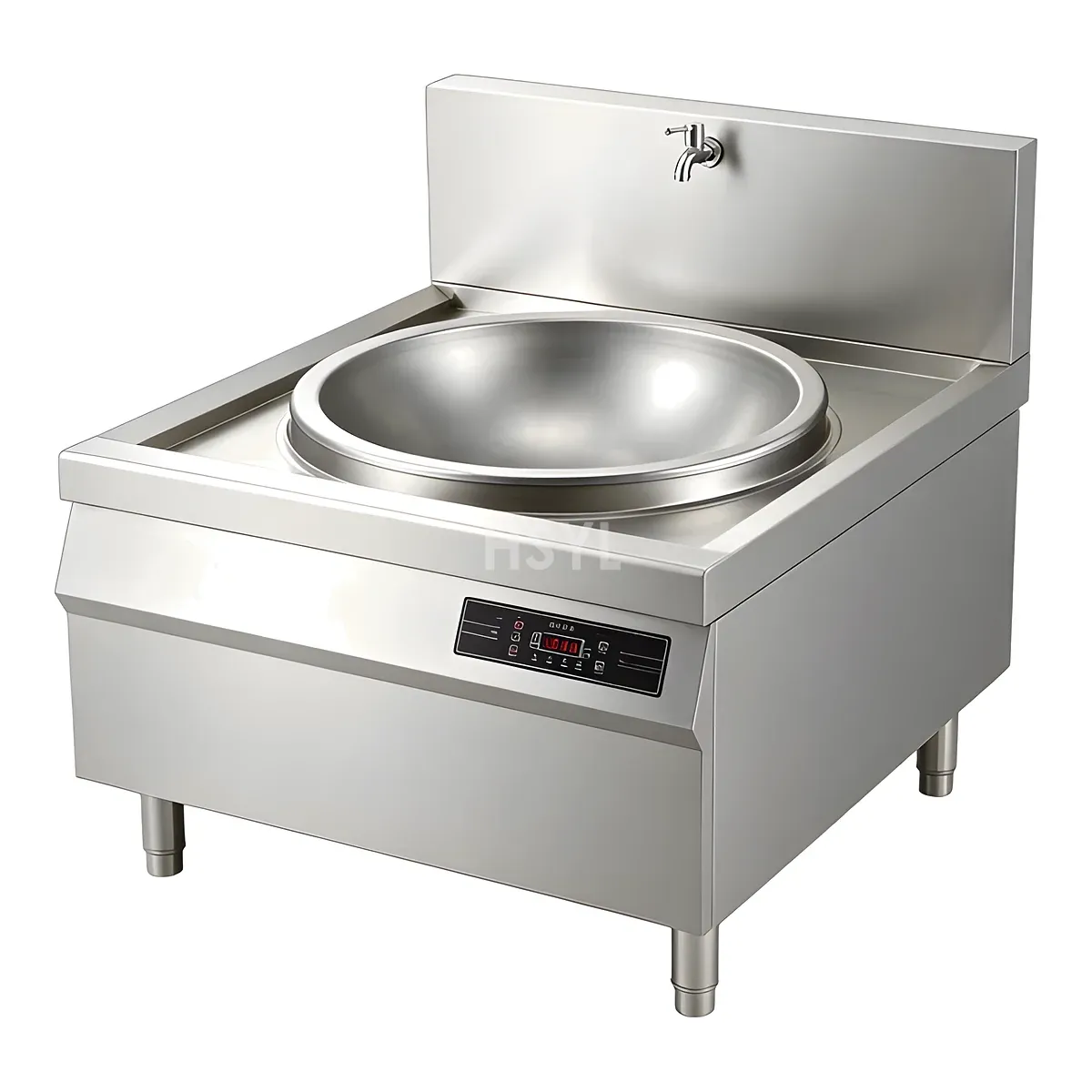
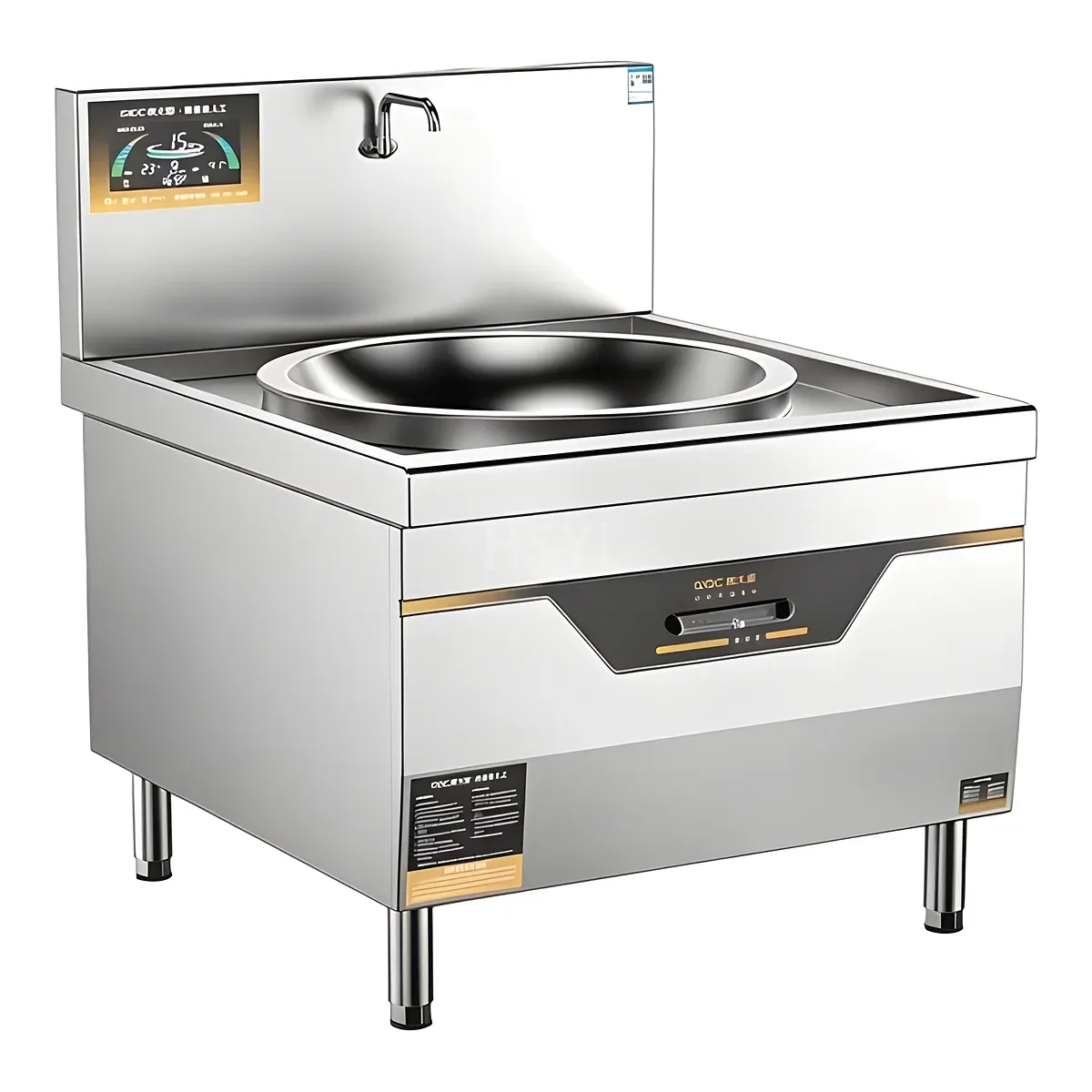
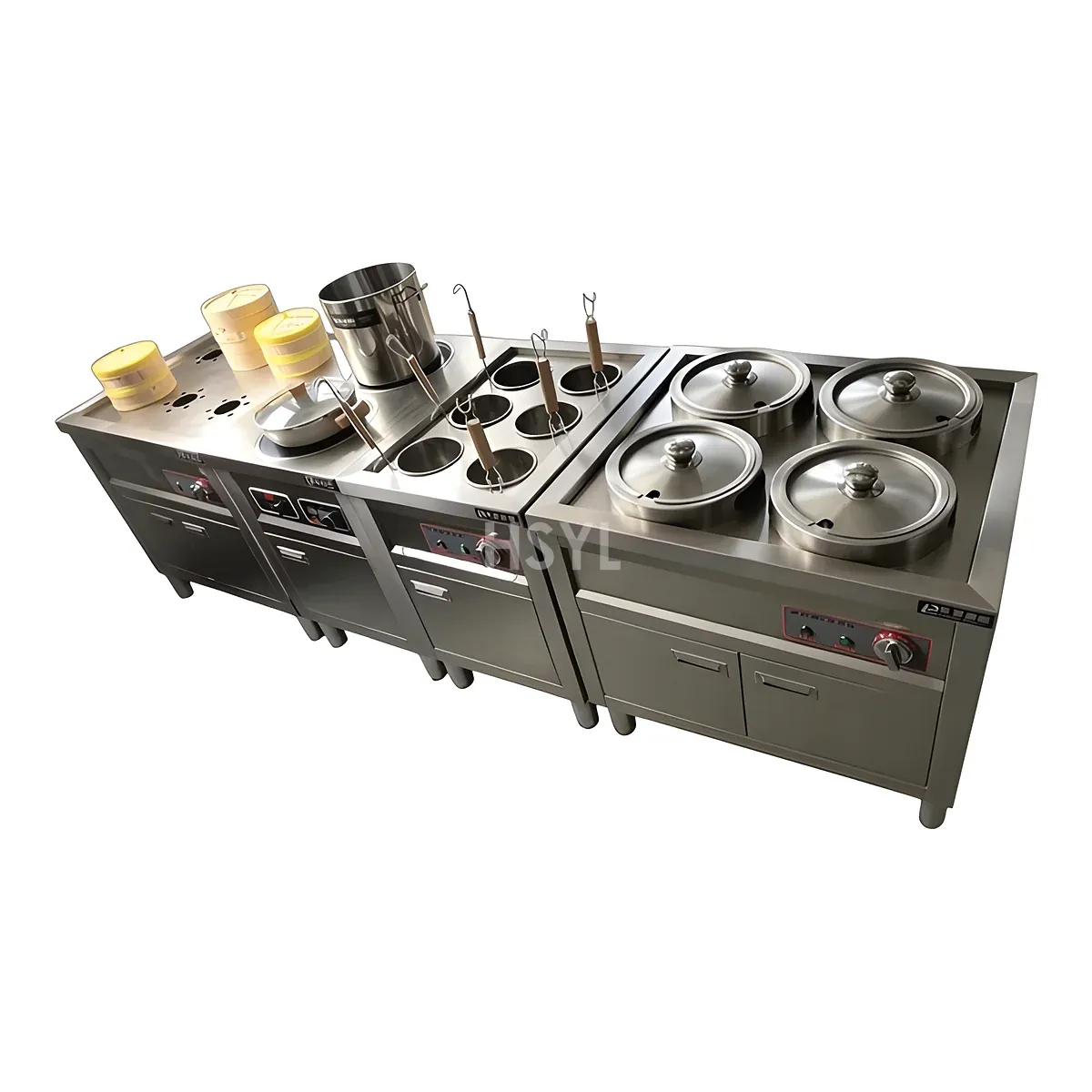
The catalog describes ZML as a left boiling tank with a right circulating cold-water chilling sink. A separate ZM40 entry names a top filling control and a bottom drain. Those details belong to their respective products and should not be merged into one assumed connection arrangement.
Also confirm the heating identity. The DRZH combo is described with an induction stove and an electric noodle barrel; the station's induction label does not define every module. Use the current diagram for the boiling-and-chilling combination actually being installed.
Give each side its own water path
| Working state | Boiling side | Chilling side |
|---|---|---|
| Preparing for service | Specified filling and permitted startup | Specified filling/circulation preparation |
| During production | Approved replenishment and any documented overflow | Approved water movement and its discharge destination |
| Ending or changing the task | Permitted emptying and cleaning route | Permitted emptying and cleaning route |
Mark only the features confirmed on the supplied diagram. Identify the conditions and destination of every actual discharge. Have the responsible designer coordinate the installation with site water, drainage and any required protection; do not copy a port size or pressure from another basin.
Keep basket transfer visible
Walk through the intended food process with the real basket and receiving arrangement. Show where draining occurs and how a portion moves to the next step. The kitchen's responsible person must approve whether and how the menu uses a chilling stage; a sink's presence does not make chilling appropriate for every noodle dish.
Keep the operator's route clear of hoses, controls and the other basin's work. Check whether splashes or a dripping basket interfere with prepared bowls or topping ingredients. Resolve those movements without adding a makeshift drain or diverting water through an unintended opening.
Demonstrate both sides in their installed state
Use the model's commissioning and operator instructions to confirm filling, the permitted operating states and emptying. Include access to the documented controls and removable cleaning parts. Check the final surrounding counters and floor route during the walkthrough.
Put the two modules' confirmed connections into the equipment utility schedule. Staff should receive the real hot-side/cold-side procedure and any menu restrictions, rather than a combined station label that conceals separate water tasks.