Direct Answer / Key Takeaway: Check pans, lids, approved accessories and loading access inside the selected carrier. Keep usable pack capacity separate from exterior size and route performance.
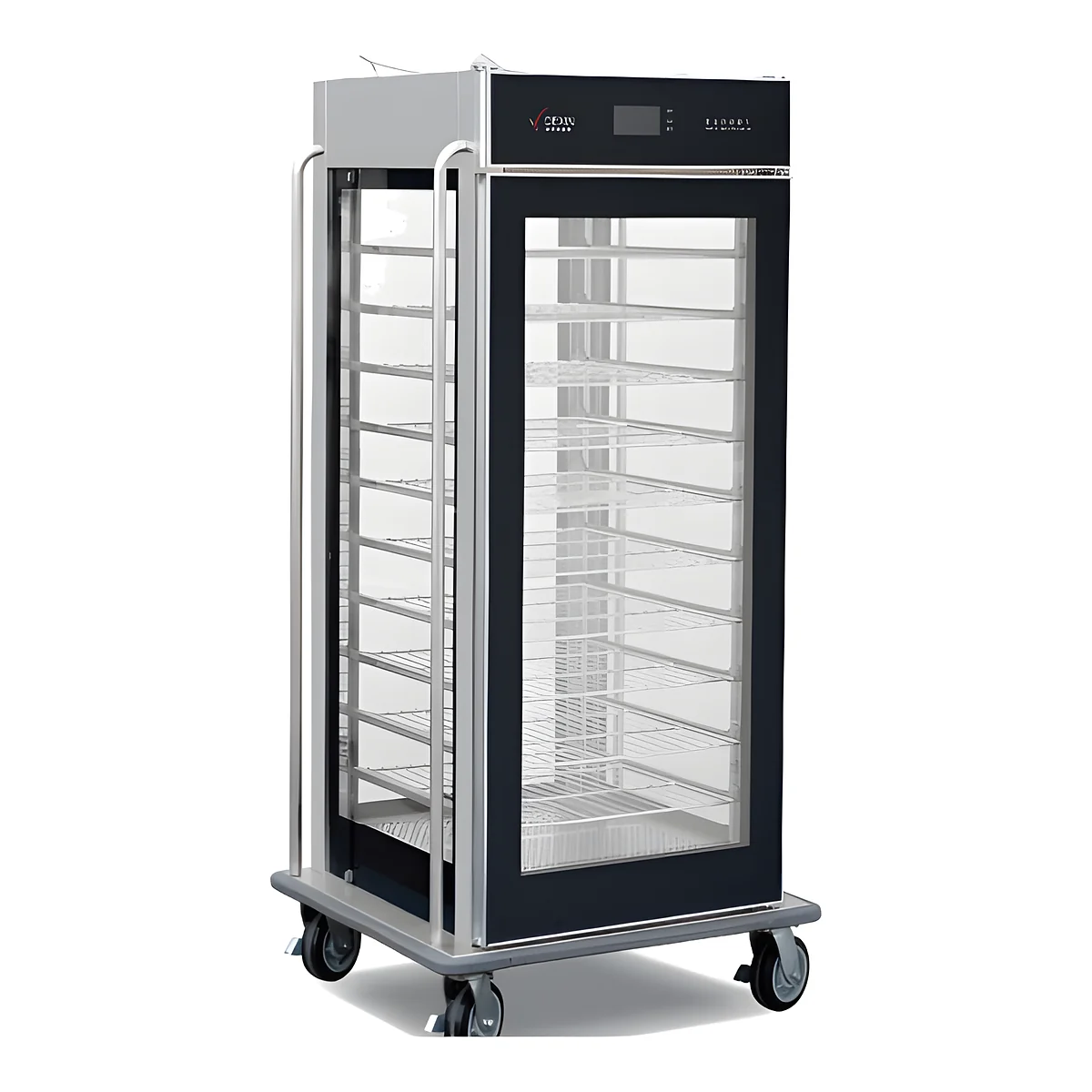
The exterior size of an insulated carrier does not tell a kitchen how many of its loaded food pans will fit. The working arrangement includes the pan, lid, support and any approved accessory occupying the cavity. Choose the carrier from that assembly, then assess the route separately.
List the complete container set
Identify each pan reference, depth and lid used in transport. Include handles or fittings that change the occupied space. Keep shallow and deep configurations separate rather than converting everything into an unexplained litre figure.
Ask the carrier supplier to confirm the accepted arrangement using samples or identified drawings. A pan that appears to fit the opening still needs the support and access permitted by the actual design. Do not rest pans on an unsupported surface to recover extra capacity.
Reserve space for the intended process
If the supplied method uses an approved thermal accessory or divider, include it in the layout before counting food pans. Confirm where it goes and which positions remain available. An empty-carrier capacity photograph may show a different arrangement from the one needed for the intended service.
Keep separate configurations in the purchase record. A carrier accepted for one set of pans and accessories should not receive a single universal capacity label that staff apply to every menu.
Demonstrate the loading and removal task
Use the intended pan assemblies and the supplier's authorised handling method. Check that lids remain correctly positioned and that staff can access the required pan without an improvised movement. Include the sequence expected at the destination, particularly where only part of the load is removed.
Show where a removed pan is received and where any permitted empty container goes. A box can accommodate the contents geometrically yet be awkward to use because there is no suitable landing position at service.
Separate fit, load and temperature evidence
Confirm the carrier's applicable load limits and the actual loaded mass. Geometric capacity is not a load rating. Neither the pan count nor the external wall thickness proves a holding period for the kitchen's food and route.
Coordinate the accepted loading arrangement with the meal transport control plan. The responsible food team must define the process and checks that the actual route requires; this article provides no universal safe holding duration.
Carry the usable count into dispatch planning
Once the configuration is accepted, use the actual meal portions or pan quantities assigned to each carrier. Keep destinations and opening order visible in the dispatch staging arrangement. A larger box is not necessarily helpful if it combines loads that need different handovers.
Retain the accepted pan, lid and accessory references. Review changes against that record rather than assuming a new container with the same nominal format will preserve the fit and transport task.