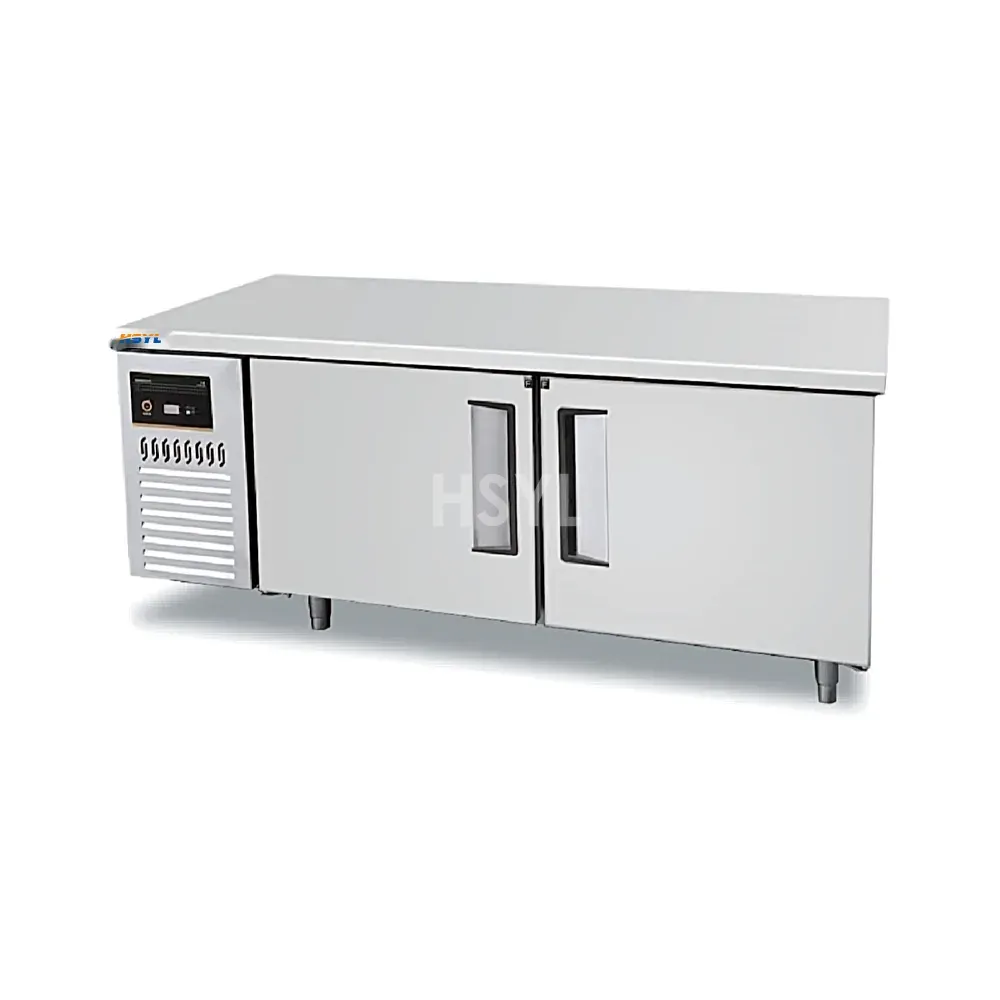
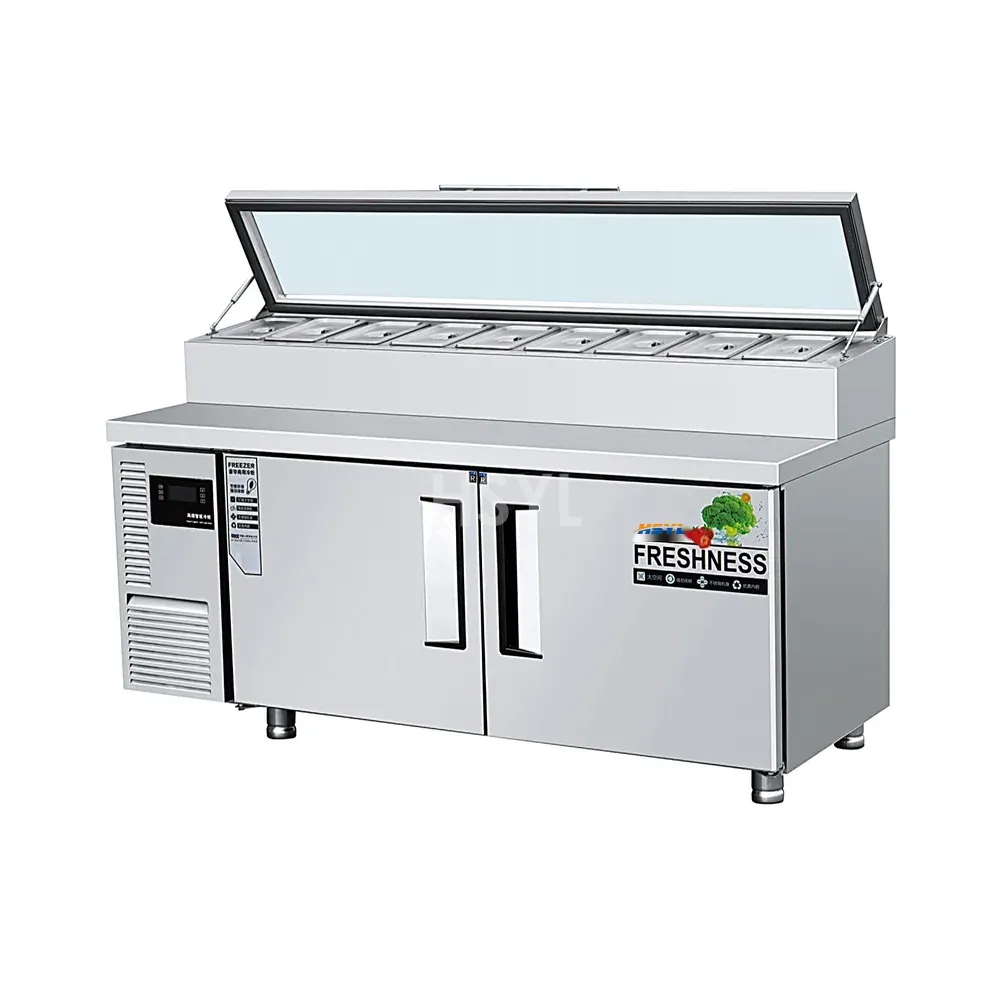
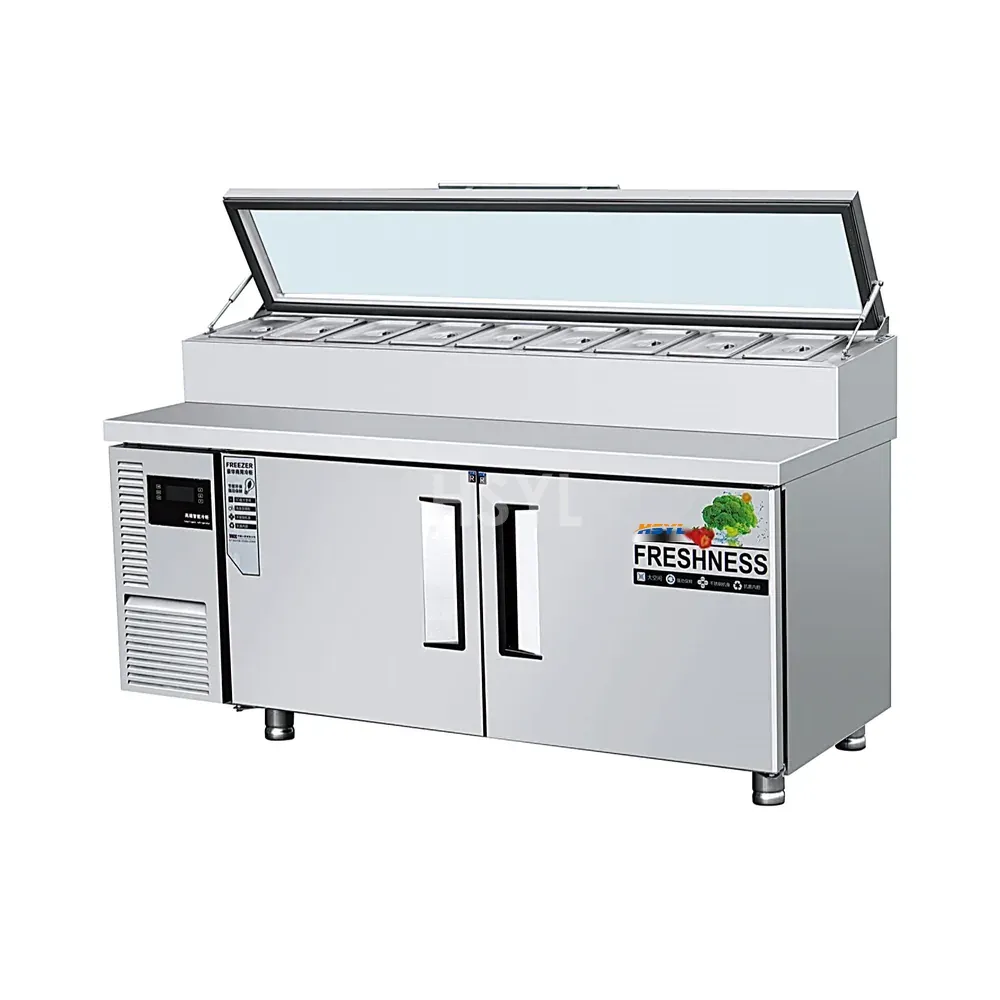
A commercial fridge freezer for sale is only a useful match when its chilled and frozen storage functions fit your stock, service pattern and available space. Start with an inventory list rather than a cabinet photograph. Record which ingredients must be chilled, which must remain frozen, the largest container in each group and how often the doors will open during a busy service. Then compare a combined unit with separate refrigerator and freezer cabinets on the same operating brief.
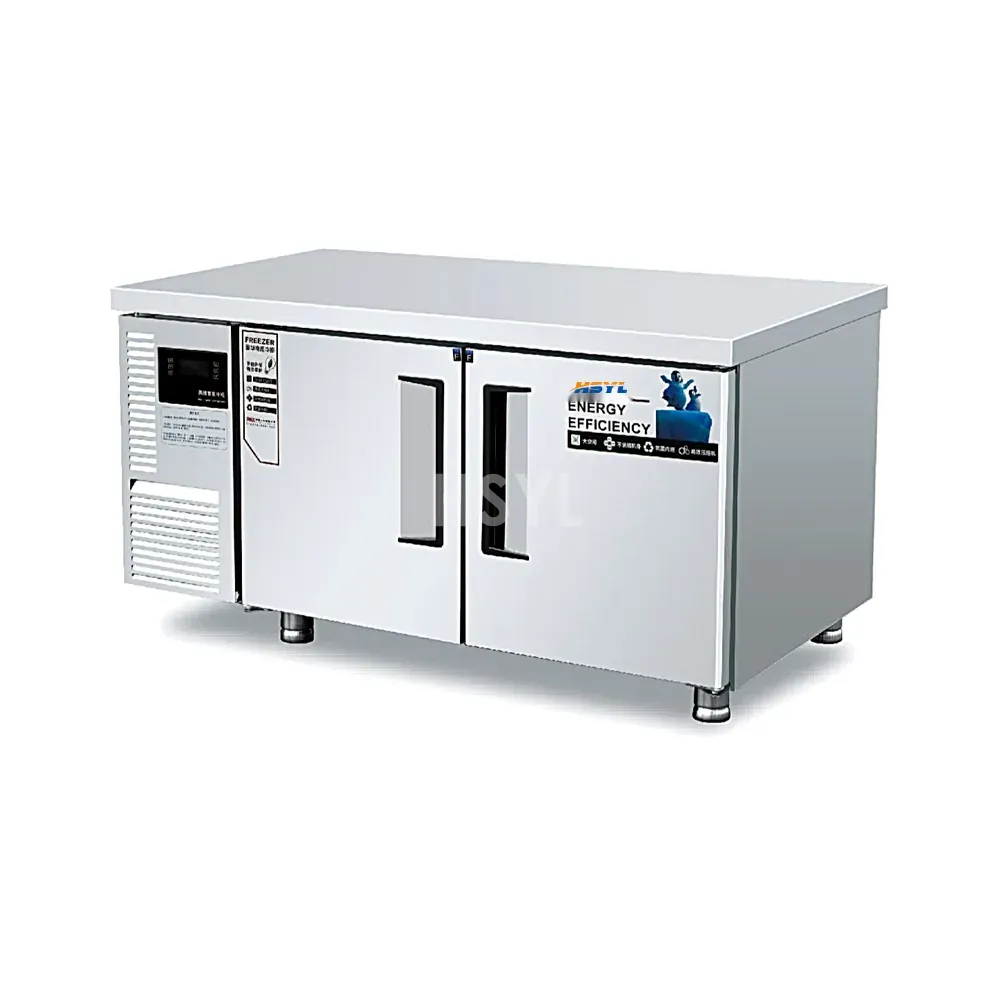
Decide whether one combined cabinet is the right layout
A combined cabinet can save floor or counter space, but its advertised total capacity does not tell you how much usable space belongs to each temperature zone. Ask for a drawing showing the internal compartments, shelves, door arrangement and the available storage dimensions. If frozen stock is delivered in large cartons while chilled ingredients are accessed repeatedly, two separate cabinets may give staff a clearer workflow. If both loads are small and the footprint is constrained, a combined format may be easier to place. Do not assume that a refrigerator with a freezer-style name provides both zones; request the exact model specification.
| Check | What to send or request |
|---|---|
| Stock | List chilled and frozen products separately, including container size and expected peak inventory. |
| Access | Mark the items opened during service and the items accessed mainly at delivery or prep time. |
| Internal space | Request usable compartment and shelf dimensions, not just external or nominal volume. |
| Site | Measure the delivery route, final footprint, door swing, ventilation space and service access. |
| Utilities | Confirm the selected model's supply, connected load, drainage or defrost requirements where applicable. |
Compare operating details before the price
Ask how the selected cabinet removes heat, how the condenser can be reached for cleaning and what the defrost procedure requires from staff. The room around the cabinet matters: restricted airflow or a hot cookline location can change the installation decision even when the cabinet fits on paper. Ask the supplier to state the test conditions behind any published temperature range and check whether your intended product load and ambient conditions are within the approved application. Food storage procedures and temperature limits should follow your local requirements and site controls.
A purchase comparison should show the model code, configuration, internal and external dimensions, delivery scope, shelves, electrical details, installation responsibilities, warranty terms and spare-parts route. A low unit price is not comparable with a quote that includes delivery, positioning or commissioning unless those exclusions are made visible.
Use a final fit check, then request a model-specific quote
Place a sample of your largest chilled and frozen containers into the proposed layout, at least on a dimensioned drawing. Check that staff can reach the frequently used items without blocking the kitchen aisle, and that both doors can open in the installed position. The choice is complete only when the quoted model, storage split and site conditions agree. HSYL's workbench refrigeration guide explains one cooling-method trade-off, while the workbench refrigerator and freezer range provides product references. Confirm the current specification for the exact unit offered.
Send HSYL your stock list, site drawing and required storage split to obtain a quotation that can be checked against the actual kitchen.