Cheap Catering Equipment Guide
Cheap catering equipment can help event operators and small caterers start fast. We explain where to buy, what to inspect, and how to calculate event-specific total cost.
Budgeting for catering equipment means balancing event-specific needs with long-term versatility. This guide covers the planning process so you can source gear that handles both small gatherings and large-scale functions.
Starting a catering operation on a budget
Cheap catering equipment lets new operators launch without tying up capital in premium machines. The trick is separating must-have performance from nice-to-have features. A small catering business needs reliable heating, safe cold holding, and compliant transport; it does not need a combi oven with cloud connectivity. Budget caterers should prioritize portable warming cabinets, insulated transport carriers, and compact induction cookers over fixed installations. Used equipment from restaurant auctions or catering equipment rental companies can be 50% to 70% below new, but buyers must inspect compressors, heating elements, and control boards in person.
Essential cheap catering equipment
Start with heating and holding. A mobile heated holding cabinet costs $400 to $1,200 used and keeps food above 140°F during transport. An insulated carrier with heated or chilled inserts costs $200 to $600. A portable induction cooker costs $80 to $300 and works with any ferromagnetic pan. For cold items, a small undercounter refrigerator or a refrigerated carrier keeps produce and dairy safe during transit. These four items cover 80% of hot and cold catering operations.
Where to buy cheap catering equipment
Restaurant equipment auctions, catering equipment rental companies, and online marketplace sellers are the three main channels. Auctions offer the lowest prices but no warranty; test equipment before bidding. Rental companies sell ex-rental fleet machines with documented service histories; these are usually the safest used buys. Online marketplaces vary widely in quality; always ask for serial numbers, age, and maintenance records before paying.
Transport, compliance, and insurance
Catering equipment must survive loading, unloading, and transit without temperature abuse. Hot-holding cabinets should maintain 140°F or above for the entire service window. Cold-holding units should stay below 40°F. Insulated transport containers should be rated for the journey duration and ambient temperature. Health inspectors increasingly audit transport temperatures; keep a log of start and finish temperatures for every event. Insurance policies for caterers often require documented temperature monitoring; a $20 data logger can prove compliance after a claim dispute.
| Item | Used price range | New price range | Priority |
|---|---|---|---|
| Heated holding cabinet | $400 – $1,200 | $1,200 – $3,000 | High |
| Insulated transport carrier | $200 – $600 | $500 – $1,200 | High |
| Portable induction cooker | $80 – $300 | $150 – $500 | Medium |
| Undercounter refrigerator | $300 – $900 | $800 – $2,500 | High |
| Chafing dish set | $50 – $150 | $120 – $300 | Medium |
Key takeaway: Buy used heating and holding equipment with documented service histories. Inspect compressors, heating elements, and temperature controls before buying; a $200 inspection avoids a $2,000 surprise at the first event.
Leasing versus buying cheap equipment
For caterers who run fewer than 20 events per year, leasing avoids tying up capital in machines that sit idle between bookings. Monthly lease rates for commercial catering equipment typically run $50 to $250 per unit. Leasing also includes maintenance and replacement options, which reduces downtime risk. Buying cheap used equipment makes sense for high-volume caterers who run three or more events per week and can absorb maintenance costs. Calculate the total cost of lease, maintenance, and insurance against a used-equipment purchase before deciding.
Seasonal demand and equipment flexibility
Catering equipment needs change with seasons. Summer weddings and outdoor events need more refrigeration and cold-holding capacity. Winter holiday parties need more heated holding and transport. Buy multi-purpose equipment that adapts to both: a heated cabinet that can be used cold with gel packs, or a transport carrier with removable inserts. Modular systems let you add or remove pans, rails, and shelves without buying new machines. Avoid single-function equipment that sits idle for six months of the year.
Staff training and standard operating procedures
Even cheap equipment fails without trained operators. Write standard operating procedures for loading, temperature setting, cleaning, and troubleshooting. Train new staff during onboarding, not after their first event. Keep a log of equipment issues, repairs, and replacements; the log proves maintenance diligence during insurance claims and supports resale value. Operators who document equipment performance consistently achieve longer machine life and lower operating costs than operators who treat equipment as disposable.
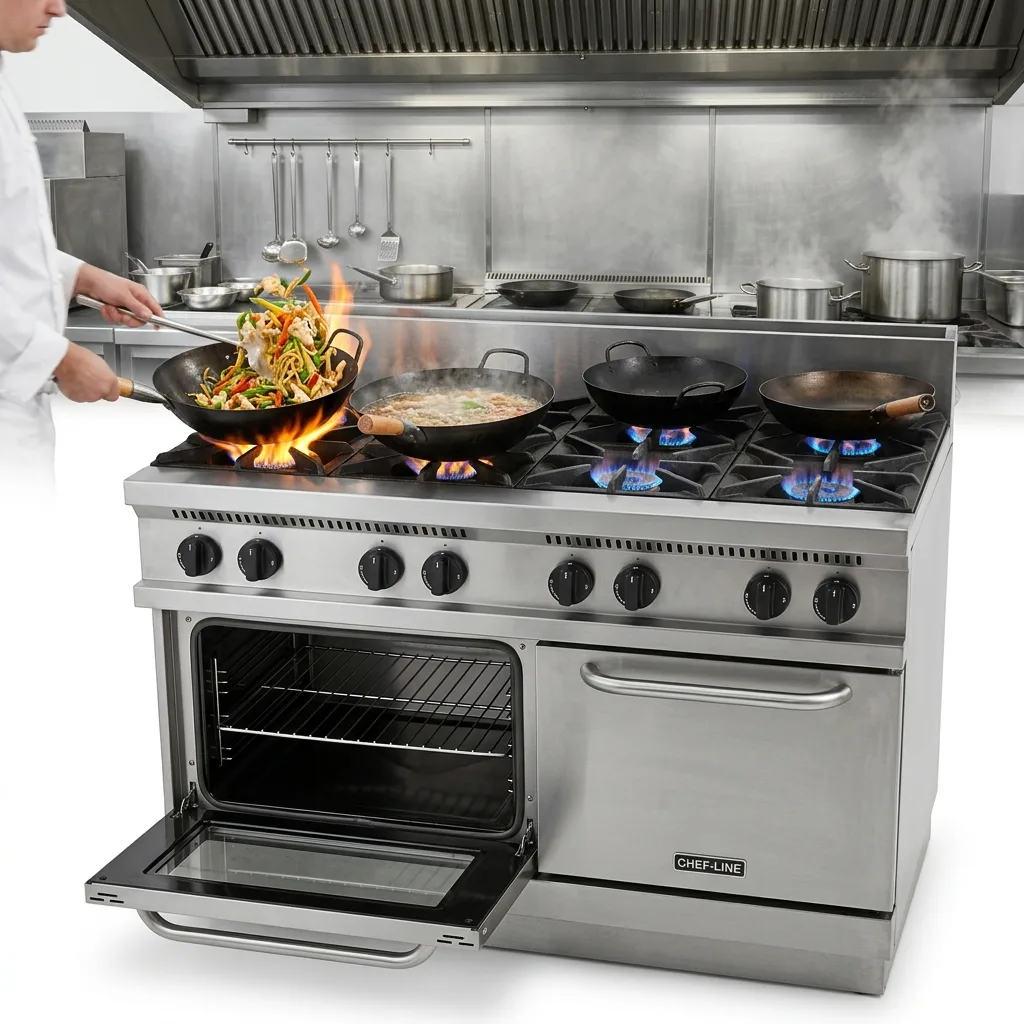
Cooking Equipment
Portable cookers, induction units and holding cabinets for events.
View cooking equipment →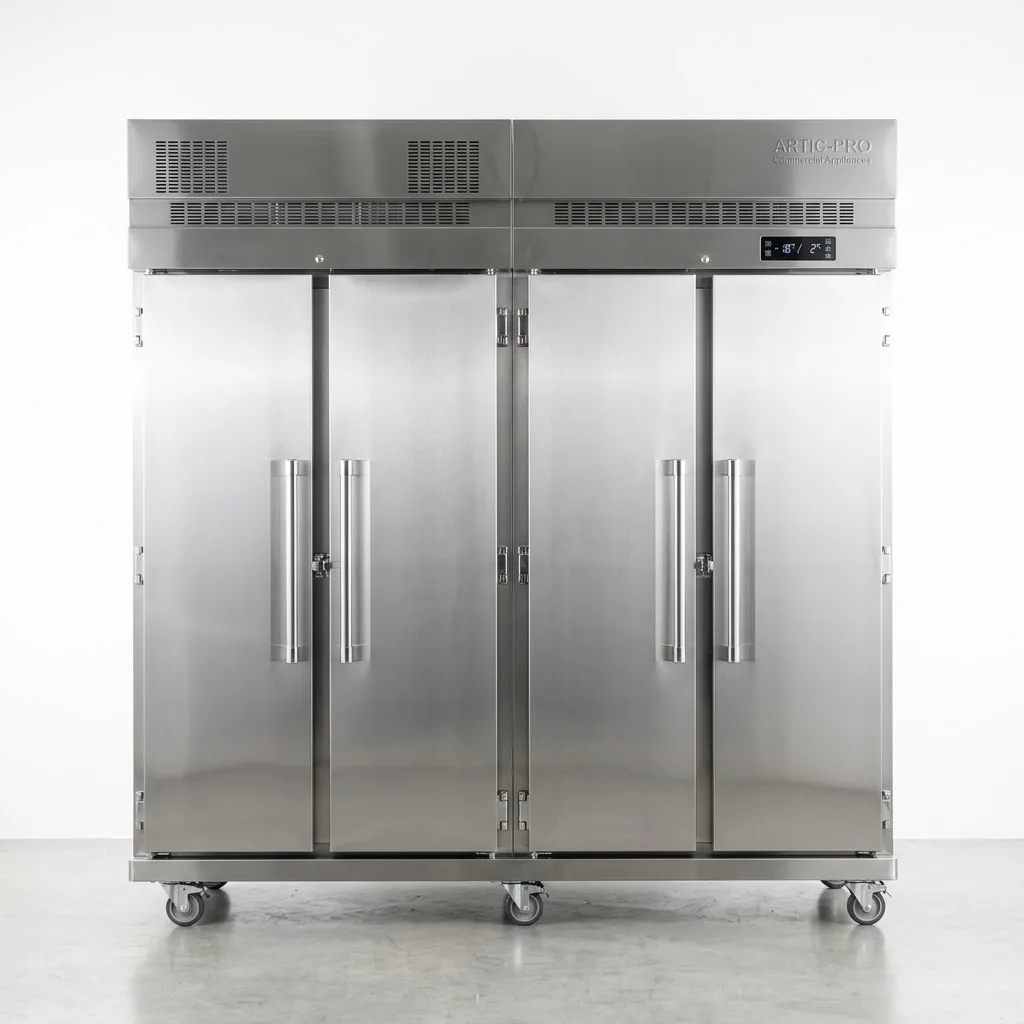
Refrigeration Equipment
Undercounter refrigerators and transport coolers for catering.
View refrigeration equipment →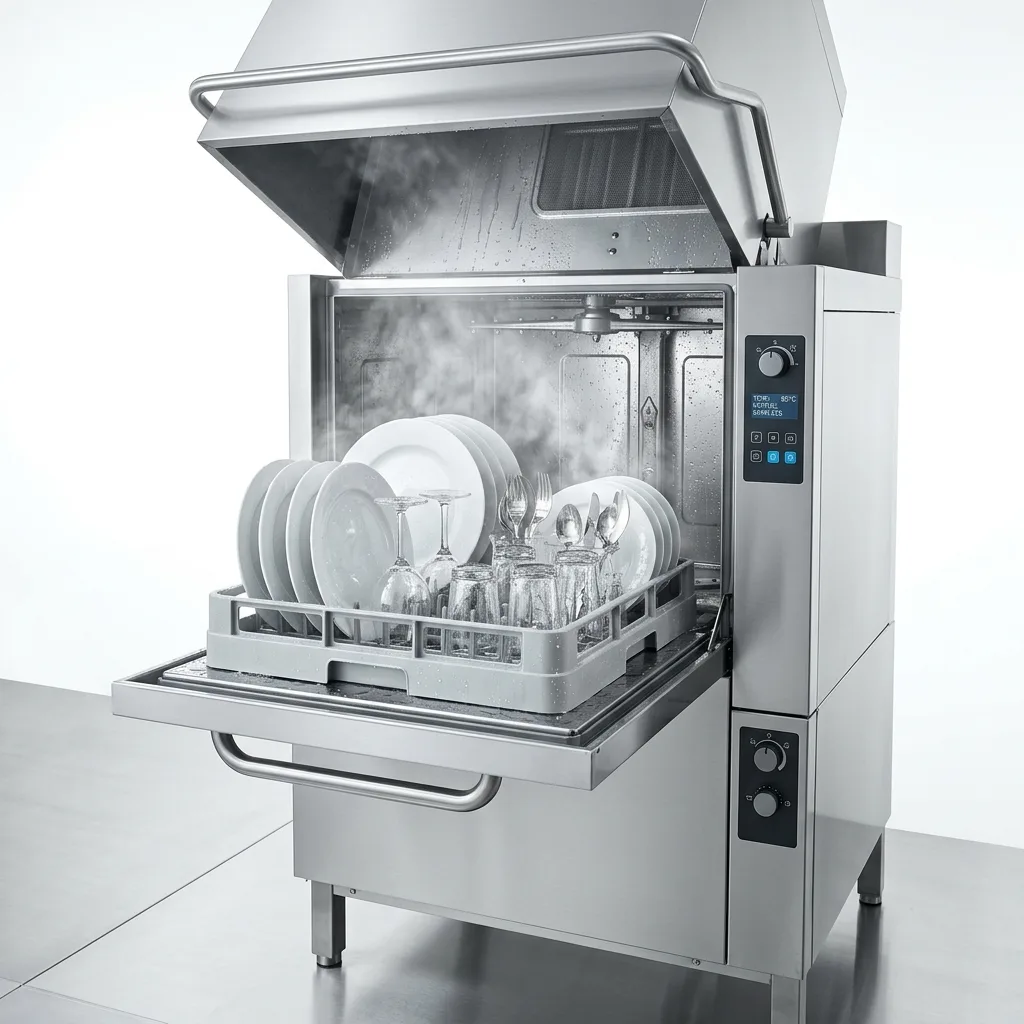
Dishwashing Equipment
Compact dishwashers and utensil washers for mobile operations.
View dishwashing equipment →Browse the full cooking equipment range. For hygiene and compliance guidance, see our hygiene and HACCP guidance.
For projects with specific raw material requirements, target capacity needs, or custom factory drawing specifications, contact our team to discuss your working hours and operational requirements. We support full project planning from specification to installation.
Frequently Asked Questions
What cheap catering equipment should I buy first?
Prioritize a heated holding cabinet, insulated transport carrier, portable induction cooker, and undercounter refrigerator. These four items cover 80% of hot and cold catering operations.
Is used catering equipment reliable?
Ex-rental fleet machines with documented service histories are usually the safest used buys. Always inspect compressors, heating elements, and temperature controls before buying; a $200 inspection avoids a $2,000 surprise.
How do I keep food safe during transport?
Use insulated carriers rated for the journey duration and ambient temperature. Log start and finish temperatures for every event; health inspectors increasingly audit transport temperatures.
Should I lease or buy cheap catering equipment?
Lease if you run fewer than 20 events per year. Buy used if you run three or more events per week and can absorb maintenance costs. Calculate total cost of lease, maintenance, and insurance against a used purchase.
What insurance do I need for catering equipment?
Business property insurance covers equipment damage; business-interruption coverage covers lost revenue during equipment failures. Documented maintenance schedules can lower premiums and strengthen claims.
Plan the Equipment Around Your Kitchen.
Share your menu, peak service demand, available space and site utilities. Tell us which equipment you are considering so we can review the requirements with you.