Cheap Restaurant Equipment Guide
Buying cheap restaurant equipment is possible without sacrificing safety. We cover trade-in channels, refurbishment, package deals and negotiation tactics.
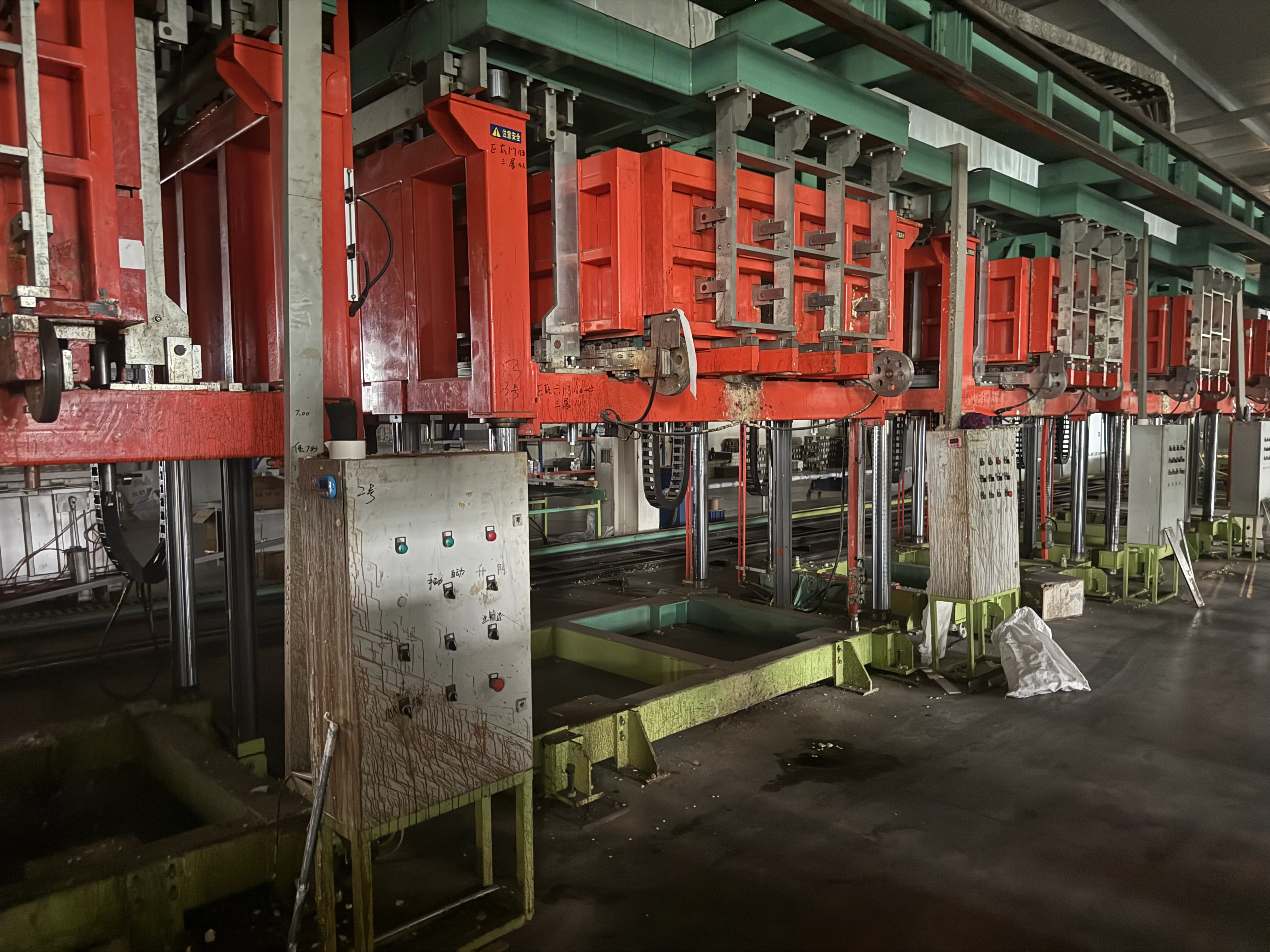
How to buy restaurant equipment without overspending
Cheap restaurant equipment is available, but the cheapest option is rarely the best value. Smart buyers use four channels to reduce cost: factory-closeout models, certified trade-in programs, refurbished OEM units, and package deals. Each channel has a different inspection checklist. Closeout models are previous-generation but fully warrantied; inspect finish options and parts availability. Trade-in units come with maintenance records but may have hidden wear; test them under load before buying. Refurbished OEM machines are rebuilt to factory tolerances and often include a short warranty; verify the refurbishment standard and ask for an itemized replacement list.
Package deals and negotiation
Buying a full kitchen package—ranges, ovens, dishwashers, and refrigeration—from a single dealer typically saves 12% to 18% versus buying items separately. The discount is real, but only if the package is compliant: every item must carry the correct certification for your market, and the dealer must coordinate installation. Negotiate spare-parts consignment, commissioning support, and an extended warranty option into the package price. Do not let the dealer substitute a cheaper model just to hold the discount; specify model numbers in the contract.
What to skip or defer
Not every item needs to be premium. Stainless steel work tables, shelves, and basic sinks are commodity items. Buy them on specification and price, not brand. Similarly, smallwares—pots, pans, and utensils—can be sourced from restaurant supply wholesalers at 30% to 50% below retail. Defer decorative items and branded equipment until core operations are stable; a logoed range hood does not cook food.
Total cost of ownership for budget equipment
Budget equipment often has higher energy consumption, shorter warranty coverage, and longer parts lead times. A cheap dishwasher that uses 3 kWh per rack versus a mid-tier machine at 1.5 kWh per rack costs an extra $1,200 to $2,000 per year in electricity for a 200-cover restaurant. A cheap range with pressed-steel grates may need replacement in three years, while a cast-iron grate lasts seven to ten years. Calculate five-year cost before deciding: purchase price, energy, water, maintenance labor, and downtime risk.
| Category | Budget price | Mid-tier price | 5-year extra cost of budget |
|---|---|---|---|
| Dishwasher | $1,200 | $3,500 | $2,000–$4,000 energy and downtime |
| Range | $1,800 | $4,500 | $1,500–$3,000 grate and burner replacement |
| Refrigerator | $2,500 | $6,000 | $2,500–$5,000 compressor and energy |
Key takeaway: Buy cheap on commodities, not on machines that affect food safety or uptime. A failed dishwasher or fridge during peak service costs more than the upfront saving.
Financing, leasing, and seasonal venues
Seasonal venues—beach clubs, ski lodges, and festival food halls—should lease or buy cheap used equipment rather than lock capital into machines that sit idle for months. Leasing rates for commercial kitchen equipment typically run $80 to $300 per month per unit, depending on value and term. Used equipment from restaurant auctions or liquidation sales can be 50% to 70% below new, but buyers must inspect compressors, heating elements, and control boards in person. Always budget for a pre-purchase inspection; a $200 inspection avoids a $5,000 surprise.
Negotiation tactics and contract language
Negotiation starts with a written specification that lists model numbers, utility requirements, and compliance standards. Dealers often discount 5% to 10% at the register if you can pay within 15 days or if you forgo installation. For full packages, ask for a spare-parts consignment, commissioning support, and operator training. Include penalty language for late delivery and a clear warranty start date. The lowest quote is not always the best value if it omits these terms.
After-sales support and parts availability
Cheap equipment becomes expensive when spare parts are unavailable or delayed. Before buying, search for the heating element, pump, and control board part numbers and confirm that they are stocked locally. Global brands usually have regional warehouses; boutique manufacturers may ship from overseas with two to four week lead times. Over a ten-year life, a machine with good parts support costs less to own than a cheaper model with long lead times for gaskets and burners. Include spare-parts pricing and delivery estimates in your vendor comparison, not just the initial quote.
Browse the full cooking equipment range. For hygiene and compliance standards, see our compliance standards guide.
Frequently Asked Questions
How can I buy cheap restaurant equipment without sacrificing quality?
Use factory closeouts, certified trade-in programs, refurbished OEM units, and package deals. Inspect pre-owned equipment in person and verify compliance certifications before buying.
Are refurbished kitchen machines reliable?
Refurbished OEM units can be reliable if they come with a short warranty and an itemized replacement list. Inspect compressors, heating elements, and control boards before accepting delivery.
What should I never buy cheap?
Never compromise on equipment that affects food safety or uptime, such as refrigeration, dishwashers, and cooking appliances. Buy cheap on tables, shelving, and smallwares instead.
How much can a full kitchen package save?
Package deals from a single dealer typically save 12% to 18% versus buying items separately. Negotiate spare-parts consignment, commissioning, and extended warranty into the package.
Is leasing better than buying cheap used equipment?
For seasonal venues, leasing avoids tying up capital in idle machines. Monthly lease rates typically run $80 to $300 per unit. Always budget for a pre-purchase inspection if buying used.
Plan the Equipment Around Your Kitchen.
Share your menu, peak service demand, available space and site utilities. Tell us which equipment you are considering so we can review the requirements with you.